Solar Energy for Smart Homes: Cut Costs and Boost Efficiency
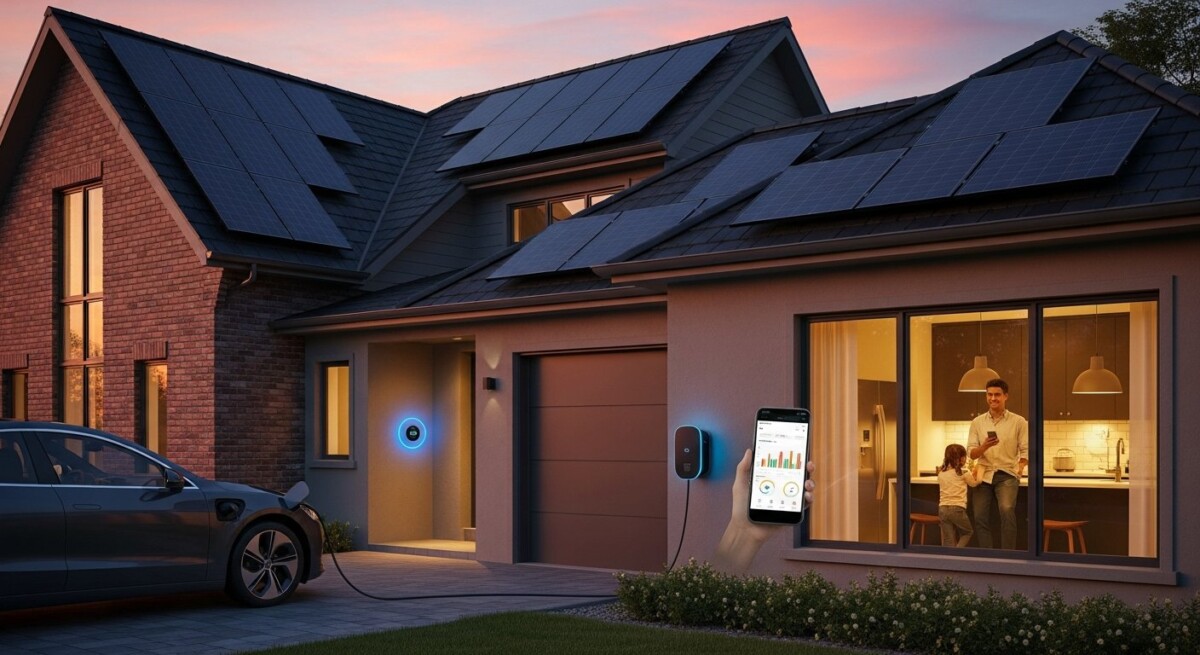
You open your monthly electric bill and wince at the number. It seems like every year the cost of keeping your home powered climbs higher,and you are not alone. Many homeowners are now searching for solar energy for smart homes as a practical way to reduce energy bills and gain more control over their electricity use. The idea is simple: generate your own power, rely less on the grid, and keep more money in your pocket each month.
Understanding Solar Energy for Smart Homes
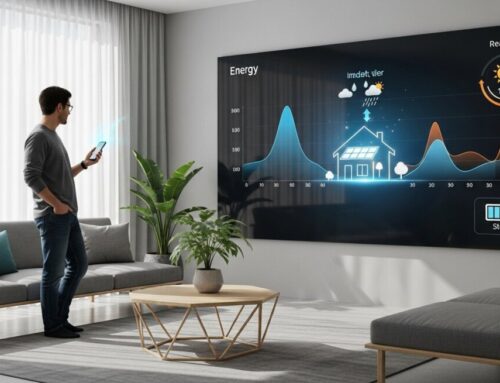
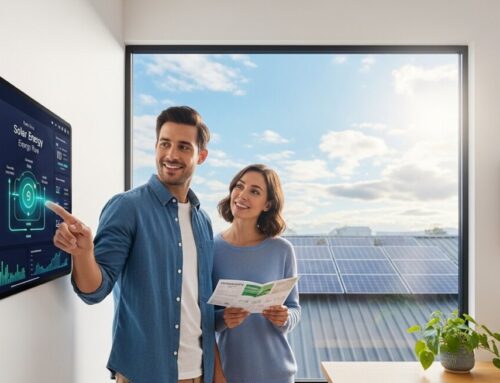
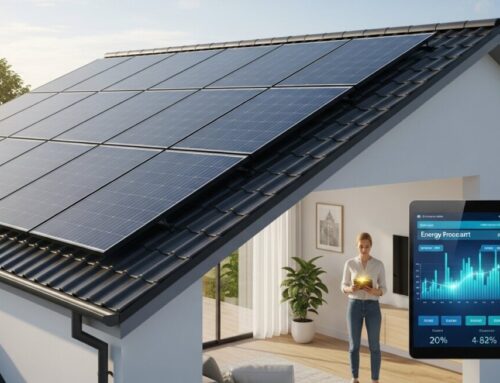
Solar energy for smart homes means installing solar panels on your roof (or elsewhere on your property) to capture sunlight and convert it into electricity. That electricity can then run your lights, appliances, HVAC system, and even charge your electric vehicle. Smart home technology takes this a step further by letting you monitor and manage your energy usage through an app or voice commands.
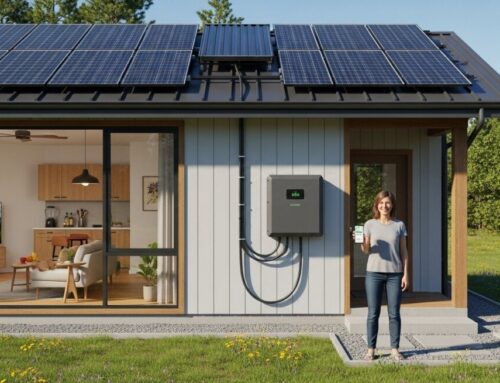
The basic technology is called photovoltaic (PV) solar. Panels made of silicon cells absorb photons from sunlight, which knocks electrons loose and creates a flow of direct current (DC) electricity. An inverter converts that DC power into alternating current (AC) that your home can use. Any extra power you produce can be sent back to the grid, often earning you credits through net metering.
Why Solar and Smart Homes Work Together
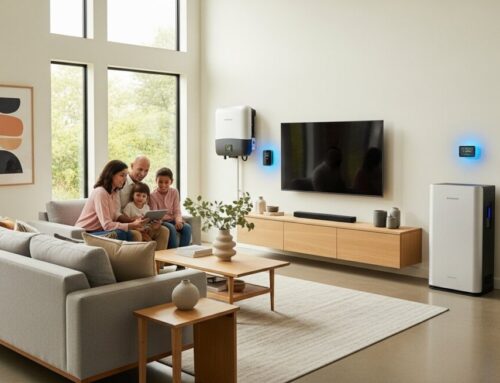
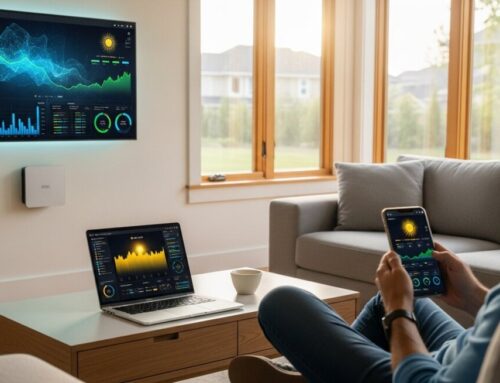
Smart home devices like programmable thermostats, smart lights, and energy monitors pair beautifully with solar panels. You can schedule high-energy tasks,like running the dishwasher or charging your EV,for the sunniest hours of the day when your panels are producing the most electricity. This synergy maximizes your savings and makes your home run more efficiently.
Why Solar Energy Is Becoming More Popular
Rising electricity prices are a major reason homeowners are turning to solar. According to the U.S. Energy Information Administration, residential electricity rates have increased steadily over the past decade, and that trend shows no sign of reversing. Locking in a lower, predictable energy cost with solar panels has become an attractive hedge against future rate hikes.
Environmental concerns also play a big role. Generating electricity from fossil fuels releases carbon dioxide and other pollutants into the air. Solar energy produces clean, renewable power with zero emissions. Many homeowners feel good knowing they are shrinking their carbon footprint while still enjoying all the comforts of modern life.
Long-term savings are perhaps the most compelling reason of all. While there is an upfront investment, a well-designed solar system can pay for itself in 6 to 10 years and continue producing free electricity for 25 years or more. That adds up to tens of thousands of dollars in savings over the life of the system.
If you are considering solar power for your home, comparing installation quotes can help you understand your options. Request a free solar quote or call to learn more.
Common Questions Homeowners Have About Solar
It is normal to have questions before making a big decision like installing solar panels. One of the most common concerns is the upfront cost. Fortunately, federal and state incentives can bring that cost down significantly. The federal Investment Tax Credit (ITC) currently allows you to deduct 30% of the system cost from your federal taxes.
Another frequent question is whether your roof is suitable. Solar panels work best on roofs that face south or west and receive direct sunlight for most of the day. Roof age and condition also matter,if your roof needs replacement soon, it is wise to do that before installing panels. A professional installer can assess your specific situation during a site visit.
Performance in cloudy or rainy weather is another common worry. While solar panels produce less electricity on overcast days, they still generate some power. Modern systems are designed to handle variable weather, and net metering ensures you still get credit for the power you produce overall. In our guide on how to use AI for solar energy to slash your electric bill, we explain how smart monitoring tools can help you track performance year-round.
- How much does a solar system cost for an average home?
- Will solar panels work on my roof type?
- What happens to my system during a power outage?
- How long do solar panels last?
- Do I need a battery with my solar system?
- Can I install solar panels myself?
How Solar Panel Installation Works
Professional solar installation follows a clear, step-by-step process. It all starts with a thorough home energy assessment where an installer reviews your electricity bills, inspects your roof, and evaluates your shading. This information helps them design a system tailored to your needs.
Once you approve the design, the installer handles all the permits and approvals required by your local utility and municipality. This paperwork can be complex, but experienced installers manage it as part of the service. After approvals are in place, the physical installation usually takes one to three days, depending on system size and roof complexity.
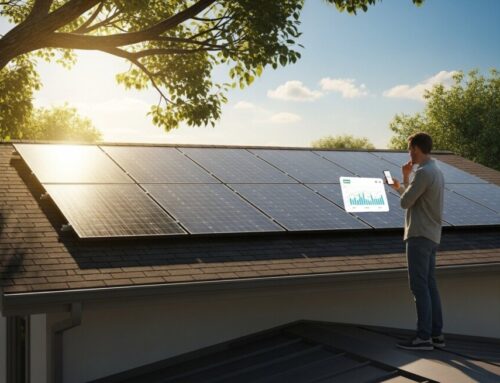
After the panels are mounted and wired, the system is inspected and connected to the grid. Once it passes inspection, your installer will activate the system, and you can start generating your own electricity right away. Many systems include monitoring software that lets you see your energy production in real time.
- Home energy assessment and site evaluation
- Custom system design and equipment selection
- Permit application and utility approvals
- Panel mounting, wiring, and inverter installation
- Final inspection and grid connection
- System activation and monitoring setup
Speaking with experienced installers can help you determine the best solar solution for your home. Compare solar quotes here or call to explore available options.
Signs Your Home May Be Ideal for Solar
Not every home is perfectly suited for solar panels, but many are. The best candidates have roofs that receive strong, direct sunlight for at least four to five hours a day, especially during peak sun hours from late morning to early afternoon. South-facing roofs with a pitch between 15 and 40 degrees are generally ideal.
Your electricity bills are another strong indicator. If you pay more than $100 per month on average, solar could deliver meaningful savings. Homes with electric heating, cooling, or an EV often see even greater benefits because they use more electricity. A professional installer can run the numbers for your specific situation.
- Your roof gets at least 4,5 hours of direct sunlight daily
- Your electricity bills are consistently high (over $100 per month)
- You have adequate roof space with minimal shading from trees or buildings
- Your roof is in good condition and less than 10 years old
- You plan to stay in your home for at least 5,10 more years
- Your local utility offers net metering or other solar incentives
What Affects Solar Installation Costs
The cost of a solar system depends on several factors. System size is the biggest driver,larger systems that produce more electricity cost more upfront but also generate greater long-term savings. Typical residential systems range from 5 to 10 kilowatts (kW), with prices averaging $2.50 to $3.50 per watt before incentives.
Equipment quality also matters. Premium panels from brands like SunPower or LG are more efficient and often come with longer warranties, but they cost more than standard panels. Similarly, microinverters and power optimizers add cost but can boost performance on partially shaded roofs. Your installer can help you choose the right balance of cost and quality.
Installation complexity affects labor costs. A simple south-facing roof with plenty of space is easier and cheaper to work with than a complex roof with multiple angles, skylights, or chimneys. Local incentives and rebates can significantly lower your out-of-pocket cost, so it pays to research what is available in your area. Using AI tools for solar energy can also help you estimate savings and compare financing options more accurately.
The cost of solar installation varies depending on your home and energy needs. Request personalized solar quotes or call to see what options are available.
Tips for Choosing a Reliable Solar Installer
Choosing the right installer is one of the most important decisions you will make. A good installer will guide you through the process, recommend the best equipment for your home, and ensure the system is installed safely and correctly. Start by checking that the company is licensed, insured, and certified by organizations like the North American Board of Certified Energy Practitioners (NABCEP).
Warranties matter a lot in solar. Look for a comprehensive warranty that covers the panels (typically 25 years), the inverter (10,25 years), and the workmanship (at least 5,10 years). A strong warranty protects your investment and gives you peace of mind. Customer reviews and testimonials can also reveal how a company handles issues after installation.
- Verify the installer’s license, insurance, and NABCEP certification
- Ask about equipment warranties (panels, inverter, and workmanship)
- Read recent customer reviews on Google, Yelp, or SolarReviews
- Get at least three detailed quotes from different companies
- Ask for references and follow up with past customers
- Review the contract carefully before signing
Long-Term Benefits of Installing Solar Panels
The most obvious long-term benefit is lower electricity bills. Once your solar system is paid off, the electricity it generates is essentially free. Over 25 years, that can translate into savings of $20,000 to $40,000 or more, depending on your local utility rates and system size. These savings grow as utility rates continue to rise.
Solar panels also increase your home’s value. Studies by the Lawrence Berkeley National Laboratory show that homes with solar panels sell for about 4% more than comparable homes without them. Buyers are often willing to pay a premium for a home with lower energy costs and clean energy credentials.
Finally, solar gives you a measure of energy independence. You are less vulnerable to grid outages (especially if you add battery storage) and less affected by volatile fossil fuel prices. Knowing that you are generating your own clean, renewable energy,and helping the planet at the same time,is a rewarding feeling that never gets old.
Frequently Asked Questions
How much can I save by switching to solar energy for my smart home?
Savings depend on your electricity usage, local utility rates, system size, and available incentives. On average, homeowners save between $10,000 and $30,000 over 20 years. An installer can provide a personalized estimate based on your current bills.
Do solar panels work during a power outage?
Standard grid-tied solar systems shut down during an outage for safety reasons. If you want backup power, you will need a battery storage system like the Tesla Powerwall or LG Chem RESU. Batteries store excess solar energy so you can use it when the grid goes down.
How long do solar panels last?
Most solar panels come with a 25-year performance warranty, but they can last 30 years or longer with proper maintenance. Output gradually declines over time,typically about 0.5% per year,so after 25 years, panels still produce around 85,90% of their original capacity.
Will solar panels damage my roof?
No, when installed correctly by a professional, solar panels actually protect the roof area they cover from weather and UV damage. Installers use flashing and sealants to prevent leaks. Always choose an experienced installer to ensure proper mounting and waterproofing.
What incentives are available for solar in 2025?
The federal Investment Tax Credit (ITC) offers a 30% tax credit on the total system cost. Many states and utilities also offer additional rebates, performance payments, or net metering programs. Check the Database of State Incentives for Renewables & Efficiency (DSIRE) for your area.
Can I install solar panels myself to save money?
DIY solar is possible but risky. You need electrical skills, knowledge of local building codes, and the ability to work safely on a roof. Mistakes can void equipment warranties, create safety hazards, and cost more to fix than hiring a pro. For most homeowners, professional installation is the safer, smarter choice.
How do I know if my roof gets enough sun?
Use a solar pathfinder tool or a free online tool like Google’s Project Sunroof. An installer will also perform a shading analysis during the site assessment. Generally, a roof that receives direct sunlight for at least 4,5 hours a day is suitable.
What size solar system do I need for my home?
System size depends on your annual electricity usage, roof space, and budget. The average U.S. home uses about 10,600 kWh per year, which typically requires a 6,8 kW system. An installer can calculate the exact size needed based on your utility bills and site conditions.
Exploring solar energy for your smart home is a smart step toward lower bills, greater energy independence, and a cleaner planet. The best way to start is by comparing quotes from multiple professional installers to find a system that fits your home and budget. Request your free solar quotes today or call to take the first step toward lasting savings.