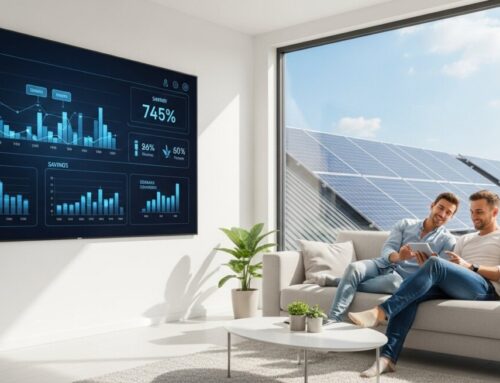
AI Solar Optimization: How to Maximize Your Home Energy Savings
Your monthly electricity bill keeps climbing, and you’ve started wondering if there’s a smarter way to power your home. You’re not alone. Many homeowners are now turning to ai solar optimization to reduce their energy costs and gain more control over their household budget. The idea of cutting your power bills while helping the environment sounds almost too good to be true,but with modern technology, it’s becoming a practical reality for thousands of families.
Understanding AI Solar Optimization
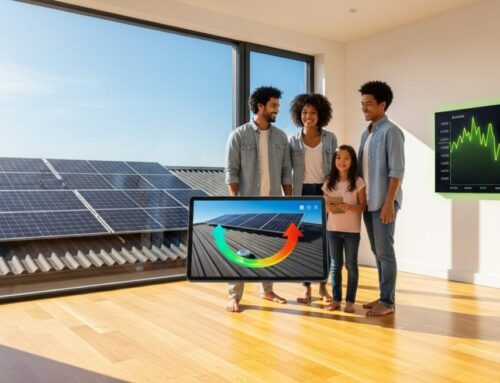
AI solar optimization uses artificial intelligence to monitor and manage your solar energy system in real time. Instead of simply installing panels and hoping for the best, this technology analyzes weather patterns, your home’s energy usage, and grid pricing to decide when to store power, when to use it, and when to sell excess energy back to the utility company.
Think of it as a smart brain for your solar setup. The AI continuously learns your household habits and adjusts the system’s performance to maximize savings. More homeowners are considering this approach because it turns a static installation into a dynamic, money-saving asset that responds to changing conditions automatically.
How the Technology Works
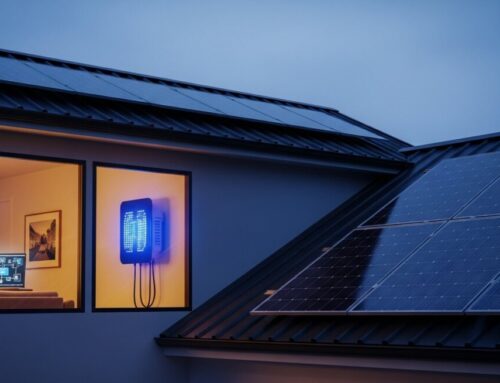
At its core, AI solar optimization relies on sensors, smart inverters, and cloud-based software. The system collects data from your panels, battery storage, and local weather forecasts, then runs millions of calculations each minute to optimize energy flow. This means your home uses the cheapest, cleanest power available at any given moment.
Why Solar Energy Is Becoming More Popular
Electricity prices have risen steadily over the past decade, and many homeowners feel the pinch every month. Solar power offers a way to lock in lower energy costs and protect against future rate hikes. At the same time, growing awareness of climate change has made clean energy a priority for families who want to leave a smaller carbon footprint.
Long-term savings are another powerful draw. Once your solar system is paid off, your electricity is essentially free for the rest of its 25-year lifespan. Add in government incentives and net metering programs, and the financial case becomes even stronger. Solar isn’t just an environmental choice,it’s a smart financial move.
If you are considering solar power for your home, comparing installation quotes can help you understand your options. Request a free solar quote or call to learn more.
Common Questions Homeowners Have About Solar
It’s normal to have questions before making a big investment like solar panels. Many homeowners worry about the upfront cost and whether their roof can support the equipment. Others wonder how much power the system will actually produce on cloudy days or during winter months.
The good news is that professional installers can address all of these concerns during a free consultation. They’ll assess your roof’s condition, orientation, and shading to ensure you get a system that performs well year-round. Most companies also offer financing options that make going solar affordable with little to no money down.
- How much does a solar system cost for an average home?
- Will my roof need repairs before installation?
- How long does the installation process take?
- What happens if my panels produce more power than I use?
- Do I need battery storage, or can I stay connected to the grid?
- Are there tax credits or rebates available in my area?
How Solar Panel Installation Works
Installing solar panels follows a straightforward process that typically takes one to three days once permits are approved. The first step is a home energy assessment, where an installer reviews your electricity bills and examines your roof to determine the best system size and layout.
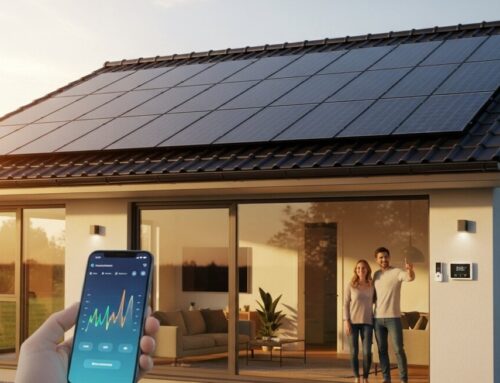
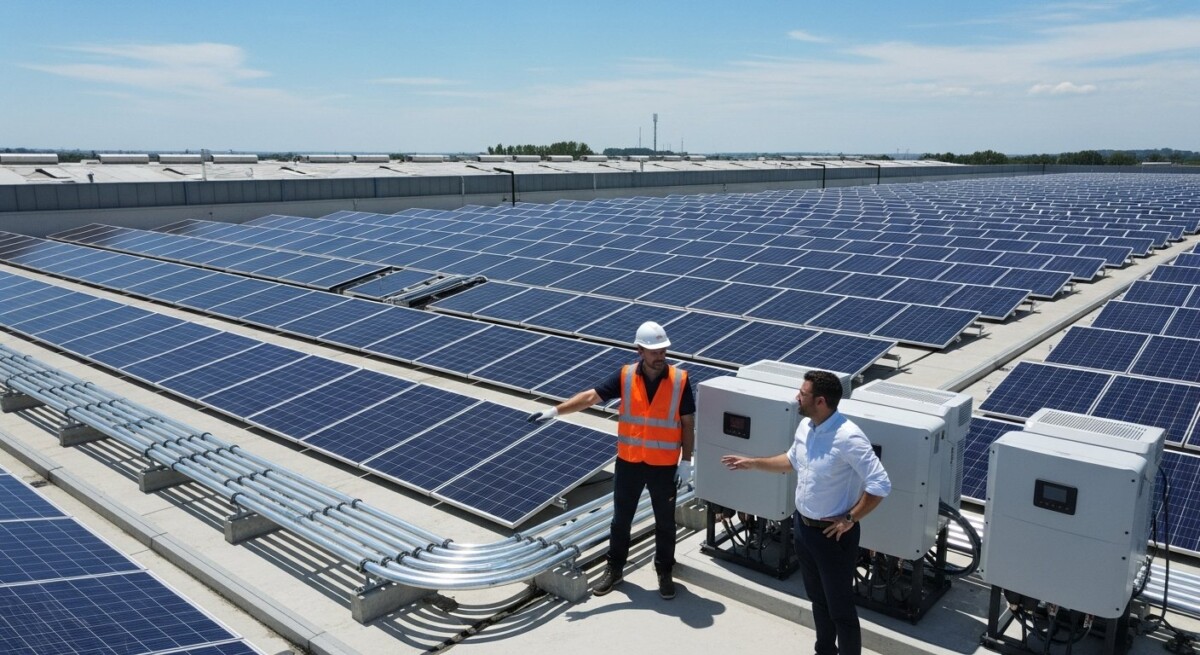
After the assessment, the team designs a custom system, handles all necessary permits and approvals, then schedules the installation. Professional installers mount the panels, connect the inverter, and wire the system to your electrical panel. Finally, they activate the system and show you how to monitor your energy production through a smartphone app.
- Home energy assessment and bill analysis
- Custom system design and equipment selection
- Permit applications and utility approvals
- Panel mounting and electrical wiring
- System activation and performance testing
Speaking with experienced installers can help you determine the best solar solution for your home. Compare solar quotes here or call to explore available options.
Signs Your Home May Be Ideal for Solar
Not every home is equally suited for solar, but many are. The most important factor is sunlight exposure,homes with south-facing roofs that receive direct sun for most of the day produce the most energy. If you have high electricity bills, solar can offset a significant portion of that cost.
You’ll also want a roof in good condition with enough space to accommodate the number of panels you need. Homeowners who plan to stay in their house for at least five to seven years typically see the best return on investment, since that’s about how long it takes to recoup the installation cost through savings.
- Your roof faces south, east, or west with minimal shading
- You pay more than $100 per month for electricity
- Your roof is less than 10 years old or in good repair
- You plan to stay in your home for at least five more years
- Your local utility offers net metering or time-of-use rates
- You live in a state with strong solar incentives
What Affects Solar Installation Costs
The price of a solar system depends on several variables, starting with system size. A larger system that covers more of your energy needs costs more upfront but delivers greater long-term savings. Equipment quality also matters,premium panels and inverters cost more but often come with better warranties and higher efficiency.
Installation complexity can drive up costs if your roof is steep, has multiple angles, or requires electrical upgrades. On the bright side, federal tax credits and state rebates can reduce your net cost by 30% or more. Comparing multiple quotes helps you find the best balance between price, quality, and service.
The cost of solar installation varies depending on your home and energy needs. Request personalized solar quotes or call to see what options are available.
Tips for Choosing a Reliable Solar Installer
Finding the right installer is just as important as choosing the right equipment. A reputable company will have years of experience, proper licensing, and a track record of satisfied customers. Don’t hesitate to ask for references and check online reviews before signing a contract.
Warranties are another critical factor. Look for installers who offer at least a 10-year workmanship warranty and panels with 25-year performance guarantees. Comparing multiple quotes not only helps you find competitive pricing but also lets you evaluate each company’s professionalism and transparency.
- Verify the installer’s license, insurance, and certifications
- Ask about panel and inverter warranty coverage
- Read recent customer reviews on Google and the Better Business Bureau
- Get at least three written quotes before making a decision
- Confirm that the company handles permits and utility paperwork
- Choose an installer who offers monitoring and maintenance support
Long-Term Benefits of Installing Solar Panels
Once your solar system is up and running, you’ll start seeing immediate savings on your electricity bills. Over time, those savings add up to tens of thousands of dollars,money that stays in your pocket instead of going to the utility company. Solar panels also increase your home’s resale value, often by 3% to 4% according to real estate studies.
Beyond the financial gains, going solar gives you a sense of energy independence. You’re less affected by grid outages and rate hikes, and you’re directly contributing to a cleaner environment. Every kilowatt-hour you generate from the sun reduces carbon emissions and helps build a more sustainable future for your family and community.
How Much Can You Save with AI Solar Optimization?
Typical homeowners see savings of 50% to 90% on their monthly electricity bills after installing an AI-optimized system. Over 25 years, that can translate to $20,000 to $50,000 or more in avoided energy costs, depending on local rates and system size.
Is Battery Storage Necessary for Optimization?
Battery storage isn’t required, but it enhances AI solar optimization by letting you store excess energy for use at night or during peak rate hours. Many homeowners find that adding a battery increases their total savings and provides backup power during outages.
What Maintenance Does an AI-Optimized System Require?
These systems require very little maintenance. The AI monitors performance and alerts you to any issues, while the panels themselves need only occasional cleaning and annual inspections to keep them running efficiently.
Can AI Solar Optimization Work with Existing Panels?
Yes, in many cases. If you already have solar panels, you can often retrofit an AI optimization system by upgrading your inverter and adding monitoring hardware. A professional installer can evaluate your current setup and recommend the best path forward.
How Long Does It Take to See a Return on Investment?
Most homeowners recoup their solar investment within 5 to 8 years, thanks to lower electricity bills, tax credits, and net metering credits. AI optimization can shorten that payback period by maximizing energy production and usage efficiency.
Are There Government Incentives for AI Solar Optimization?
Yes. The federal solar tax credit covers 30% of the total system cost, including panels, inverters, batteries, and installation. Many states and utilities offer additional rebates, performance-based incentives, and property tax exemptions for solar energy systems.
What Happens During a Power Outage?
If you have battery storage, an AI-optimized system can automatically disconnect from the grid and power your essential appliances during an outage. Without a battery, your system will shut down for safety reasons until the grid is restored.
Do I Need to Replace My Roof Before Installing Solar?
If your roof is older or has damage, it’s wise to replace it before installing solar panels. This avoids the cost and hassle of removing and reinstalling the panels later. A professional installer will inspect your roof and advise you during the initial consultation.
Switching to solar is one of the most impactful decisions you can make for your home and your wallet. With AI solar optimization, you’re not just installing panels,you’re investing in a system that actively works to lower your bills and reduce your reliance on the grid. The best way to get started is to compare quotes from trusted installers in your area. Each quote gives you a clearer picture of your options, costs, and potential savings. Take the first step today and see how solar can transform your home’s energy future.