Solar Energy for Smart Homes: Cut Bills and Boost Efficiency
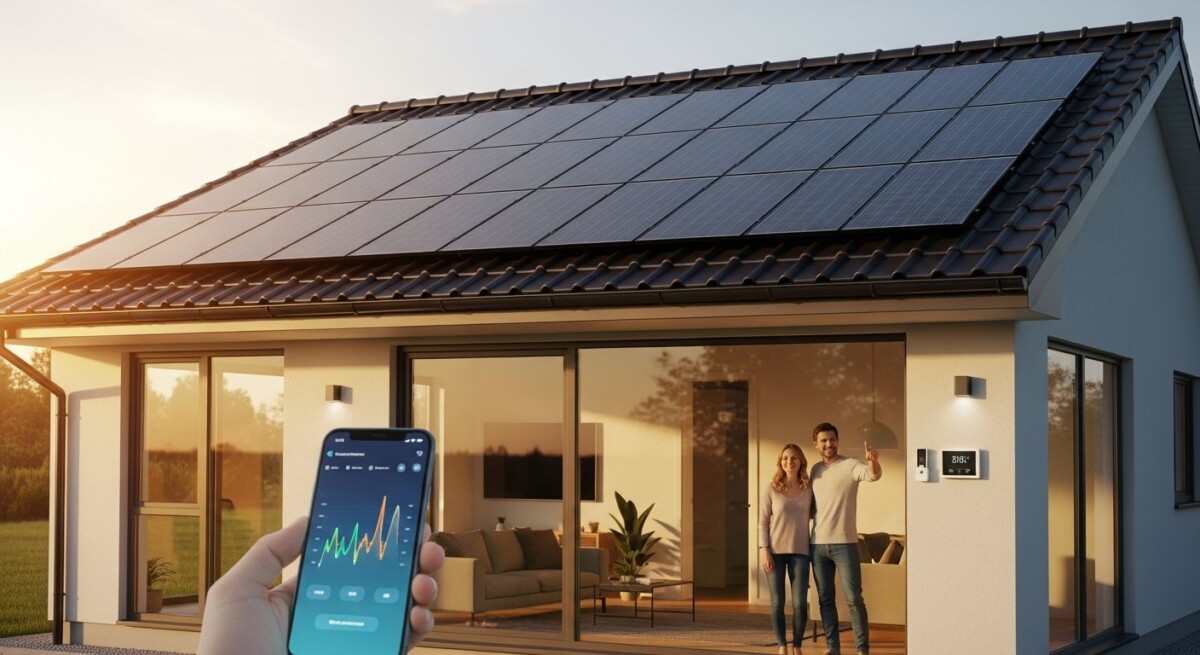
You open your monthly electricity bill and notice the amount has crept up again. It’s a familiar frustration for many homeowners. Rising energy costs are driving more people to explore smarter ways to power their homes. This search often leads to the idea of solar energy for smart homes,a practical solution that promises lower bills and greater control over your energy use.
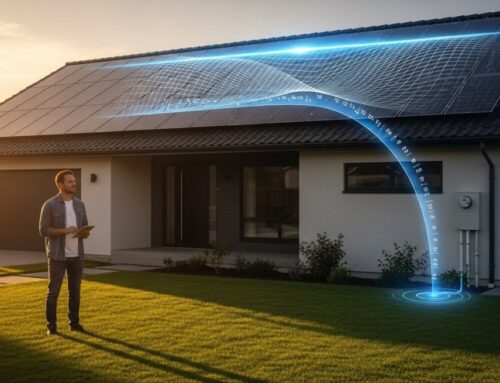
By generating your own electricity, you can reduce your dependence on the power grid. The concept is simple: sunlight hits solar panels, which convert it into usable electricity for your home. For homeowners tired of unpredictable utility rates, this technology offers a reliable path to long-term savings and energy independence.
Understanding Solar Energy for Smart Homes
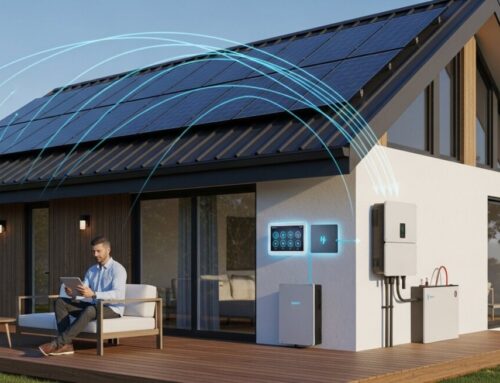
Solar energy for smart homes refers to using photovoltaic panels to capture sunlight and convert it into electricity. These panels are typically installed on your roof, where they absorb sunlight and send direct current (DC) power to an inverter. The inverter then converts it into alternating current (AC) electricity, which powers your lights, appliances, and devices.
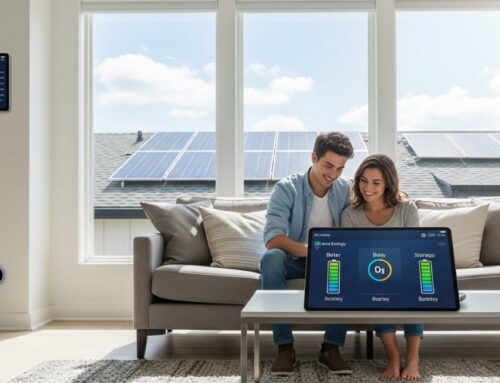
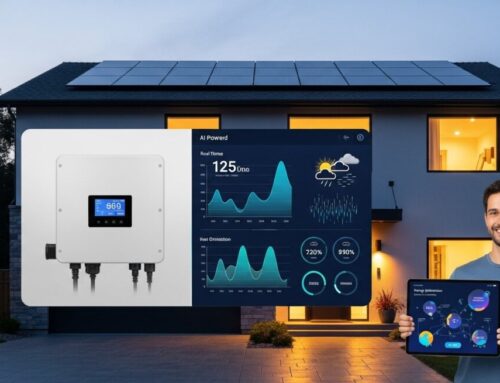
Many modern systems also include smart monitoring tools. These let you track your energy production and consumption through a smartphone app. This integration makes it easy to see exactly how much you are saving and when your system is performing best.
More homeowners are considering solar because it turns a fixed asset,your roof,into a source of ongoing savings. Instead of paying the utility company every month, you invest in a system that pays you back over time.
Why Solar Energy Is Becoming More Popular
Electricity prices have risen steadily over the past decade, and they show no signs of slowing down. For many families, the monthly power bill is one of their largest household expenses. Solar energy offers a way to lock in lower energy costs and protect yourself from future rate hikes.
Environmental concerns also play a big role. Solar power produces no greenhouse gases during operation, making it a clean alternative to fossil fuels. Homeowners who care about reducing their carbon footprint find solar to be a tangible step they can take today.
Finally, the long-term savings are hard to ignore. While there is an upfront cost, most solar systems pay for themselves within 6 to 10 years. After that, the electricity they produce is essentially free for the remaining life of the system, which can last 25 years or more.
If you are considering solar power for your home, comparing installation quotes can help you understand your options. Request a free solar quote or call to learn more.
Common Questions Homeowners Have About Solar
It is normal to have questions before making a big investment like solar panels. One of the most common concerns is cost. Many homeowners wonder if solar is affordable for their budget. The good news is that prices have dropped significantly in recent years, and financing options make it accessible to more people.
Another frequent question is about roof suitability. Not every roof is ideal, but most can accommodate solar panels. Factors like roof age, material, angle, and shading all play a role. A professional installer can evaluate your roof during a free site visit.
Performance is another hot topic. Homeowners want to know how much power their system will actually produce and whether it will work on cloudy days. Solar panels still generate electricity in diffuse light, though at a reduced rate. Modern systems are designed to maximize output year-round.
- How much does a solar system cost for an average home?
- Will solar panels work during a power outage?
- How long does installation take?
- What maintenance do solar panels require?
- Do I need a battery for my solar system?
- Can I add more panels later if my energy needs grow?
How Solar Panel Installation Works
The installation process starts with a home energy assessment. An installer reviews your past electricity bills, examines your roof, and discusses your energy goals. This step helps them design a system that fits your specific needs, not a one-size-fits-all solution.
Once the design is finalized, the installer handles all necessary permits and approvals. This is a critical step that many homeowners overlook. Professional installers know local building codes and utility requirements, which helps you avoid costly delays or mistakes.
After approvals are in place, the actual installation usually takes one to three days. The crew mounts the panels, connects the wiring, and installs the inverter. Finally, the system is inspected and connected to the grid. Once activated, you start generating your own electricity immediately.
- Schedule a free home energy assessment and roof inspection.
- Receive a custom system design and cost estimate.
- Installer obtains permits and approvals from your local utility.
- Professional crew installs solar panels and equipment (1,3 days).
- System passes inspection and is connected to the grid.
- Activation day,you start saving on your electricity bills.
Speaking with experienced installers can help you determine the best solar solution for your home. Compare solar quotes here or call to explore available options.
Signs Your Home May Be Ideal for Solar
Not every home is perfectly suited for solar, but many are. One of the biggest indicators is strong sunlight exposure. If your roof gets direct sun for most of the day, especially between 9 a.m. and 3 p.m., your system will perform well. South-facing roofs are best, but east and west also work.
High electricity bills are another sign. If you pay more than $100 per month, solar can likely reduce your costs. Homes in areas with high utility rates see even faster payback periods. Also, if you plan to stay in your home for at least five more years, the long-term savings become very attractive.
Finally, consider your roof condition and available space. A roof that is less than 10 years old and has at least 300 square feet of unshaded area is often a good candidate. If your roof needs replacement soon, you can combine both projects for efficiency.
- Your roof receives strong, direct sunlight for most of the day.
- Your monthly electricity bills are consistently high.
- You have at least 300 square feet of usable, unshaded roof space.
- Your roof is in good condition or will be replaced soon.
- You plan to stay in your home for at least five more years.
What Affects Solar Installation Costs
The cost of a solar system depends on several factors. The most significant is system size, measured in kilowatts. A larger system costs more upfront but also generates more electricity and saves more money over time. Your installer will help you choose the right size based on your energy usage.
Equipment quality also matters. High-efficiency panels and premium inverters cost more but often produce more power and last longer. Cheaper components may save money now but could lead to lower performance or earlier replacement. A good installer will explain the trade-offs.
Installation complexity can affect price too. A simple roof with easy access is quicker and cheaper to install. Complex roofs with multiple angles, skylights, or tile materials may require extra labor. Local incentives and rebates can significantly lower your net cost, so always ask about available programs.
The cost of solar installation varies depending on your home and energy needs. Request personalized solar quotes or call to see what options are available.
Tips for Choosing a Reliable Solar Installer
Choosing the right installer is just as important as choosing the right equipment. A reliable professional will guide you through every step, from system design to permitting to activation. They can also help you avoid common pitfalls like oversizing your system or missing out on rebates.
Start by checking the installer’s experience and credentials. Look for companies that are licensed, insured, and certified by organizations like the North American Board of Certified Energy Practitioners (NABCEP). These certifications show a commitment to quality and ongoing training.
Always compare multiple quotes before making a decision. Prices and system designs can vary significantly between installers. Comparing options helps you understand what you are paying for and ensures you get the best value for your investment.
- Verify the installer’s license, insurance, and industry certifications.
- Ask about equipment warranties,panels should have at least 25 years.
- Read online reviews and ask for references from past customers.
- Request at least three detailed quotes for comparison.
- Confirm the installer handles all permits and utility approvals.
Long-Term Benefits of Installing Solar Panels
The most obvious benefit is lower electricity bills. Once your system is paid off, the electricity it generates is free. Over 25 years, that can add up to tens of thousands of dollars in savings. In our guide on AI tools for solar energy savings, we explain how modern monitoring can help you maximize those savings.
Solar panels also increase your home’s value. Studies show that homes with solar systems sell for more than comparable homes without them. Buyers see solar as a valuable upgrade that reduces their future utility costs. This makes solar a smart investment whether you plan to stay or sell.
Finally, there is the satisfaction of energy independence. You produce your own clean power and rely less on the grid. As we discuss in our article on how we use solar energy daily, this shift has environmental benefits too. Every kilowatt-hour of solar electricity avoids carbon emissions, helping create a cleaner future for everyone.
How much does a solar system cost for an average home?
The typical cost for a residential solar system ranges from $15,000 to $25,000 before incentives. After the federal tax credit, which currently covers 30% of the cost, the net price drops to $10,500 to $17,500. Your exact cost depends on system size, equipment, and local labor rates.
How long does it take for solar panels to pay for themselves?
Most homeowners recover their investment within 6 to 10 years. This payback period depends on your electricity rates, system size, and available incentives. In states with high utility costs and strong rebates, payback can be as fast as 4 years.
Do solar panels work on cloudy days?
Yes, solar panels still generate electricity on cloudy days, just at a reduced rate. They can produce 10% to 25% of their rated capacity under heavy clouds. Modern systems are designed to capture diffuse sunlight, so you still save money year-round.
What happens if I produce more electricity than I use?
Excess electricity flows back to the grid, and your utility credits you through a process called net metering. These credits offset the power you use at night or during cloudy weather. Policies vary by state, so your installer can explain the rules in your area.
Will solar panels damage my roof?
When installed correctly by a professional, solar panels do not damage your roof. Mounting systems are designed to attach without causing leaks. In fact, panels can protect the roof area underneath from sun and rain, extending its lifespan.
Do I need to clean my solar panels?
Solar panels require very little maintenance. Rain usually washes away dust and dirt. In dry or dusty areas, occasional cleaning with a hose may help. Most systems come with monitoring that alerts you if production drops unexpectedly.
Can I take my solar panels with me if I move?
Technically yes, but it is rarely practical or cost-effective. Removing and reinstalling panels is expensive and may void warranties. Most homeowners leave the system in place, which adds value to the home and appeals to buyers.
What is the federal solar tax credit and how does it work?
The federal Investment Tax Credit (ITC) allows you to deduct 30% of your solar installation cost from your federal taxes. There is no cap on the credit amount, and it applies to both new and existing homes. You claim it when you file your annual tax return for the year of installation.
Solar energy offers a practical way to cut your electricity bills, increase your home’s value, and reduce your environmental footprint. The key to getting the best system at the best price is comparing quotes from multiple professional installers. Take the first step today by requesting free quotes and seeing how much you can save.