Intelligent Solar Power Systems: Cut Bills & Boost Efficiency
Every month, you open your electricity bill and wonder where all that money went. Rising energy costs are pushing more homeowners to search for intelligent solar power systems that can reduce monthly expenses and provide greater control over home energy use. The idea of slashing your electric bill while becoming less dependent on the power grid is no longer a distant dream,it is a practical reality for millions of households today.
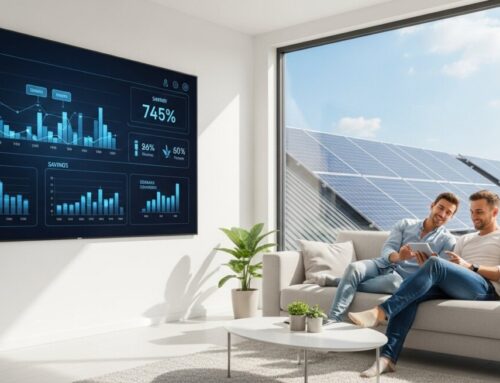
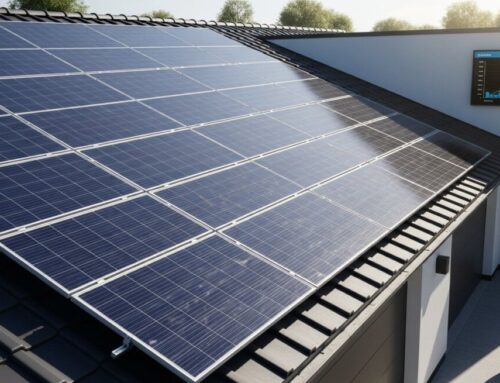
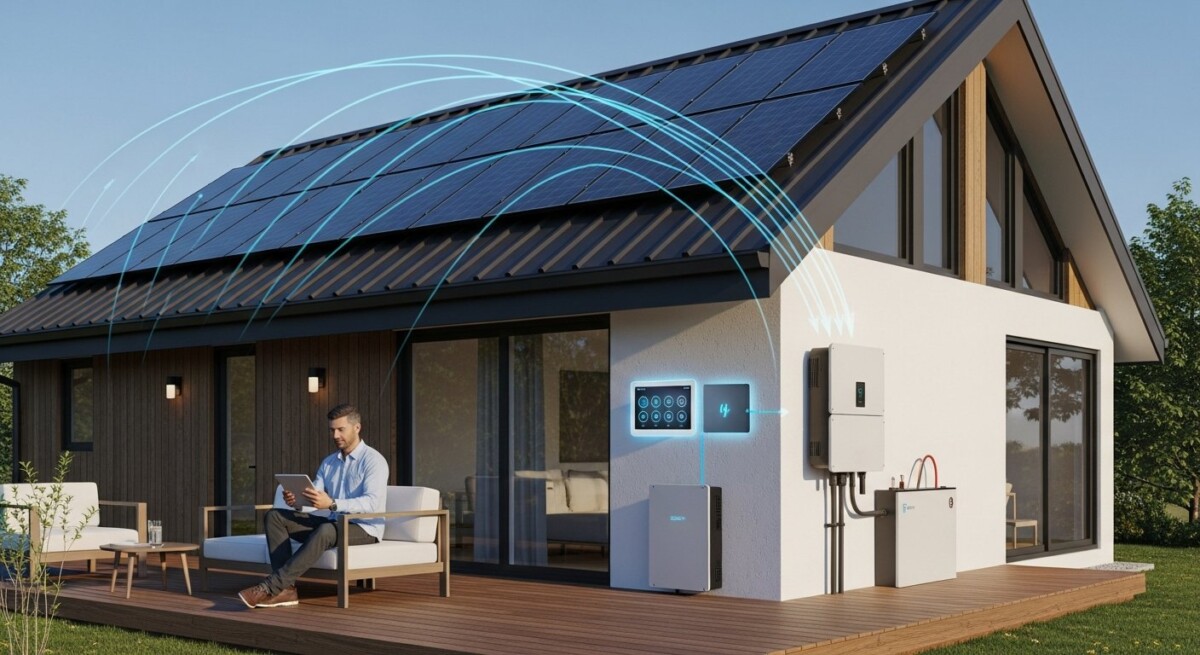
Intelligent solar power systems combine traditional solar panels with smart technology to optimize energy production, storage, and usage in real time. Unlike older setups that simply send excess power back to the grid, these systems use software and sensors to decide when to store energy, when to use it, and when to sell it back. This means you get the most value from every ray of sunlight that hits your roof.
Understanding intelligent solar power systems
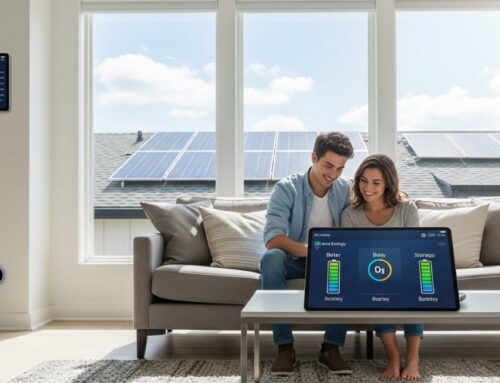
An intelligent solar power system is essentially a solar panel setup that thinks for itself. It includes high-efficiency panels, an inverter, battery storage, and a smart energy management platform that monitors your home’s energy consumption patterns. The system learns when you use the most electricity,like running the dishwasher at night or charging your electric vehicle,and adjusts accordingly.
For example, on a sunny day, the system might send extra power to your battery instead of back to the grid, so you can use that stored energy during peak evening hours when rates are highest. This dynamic management is what makes these systems intelligent rather than just passive. More homeowners are choosing this approach because it maximizes savings and provides backup power during outages.
How the smart technology works
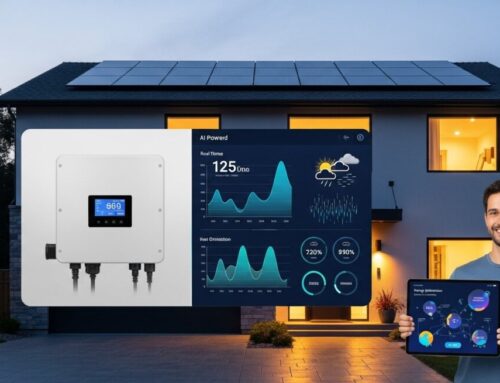
At the heart of an intelligent system is a device called a smart inverter or hybrid inverter. This component converts the direct current (DC) electricity from your panels into usable alternating current (AC) for your home, while also communicating with your battery and the grid. Advanced models use artificial intelligence to forecast weather and adjust energy storage predictions, ensuring you never run short on a cloudy day.
Why Solar Energy Is Becoming More Popular
Solar energy adoption has skyrocketed in recent years, and for good reason. Electricity rates across the United States have risen steadily, with some regions seeing double-digit increases annually. Homeowners are tired of unpredictable bills and are looking for ways to lock in lower, more stable energy costs over the long term.
Environmental concerns also play a major role. Many people want to reduce their carbon footprint and contribute to a cleaner planet. Solar power produces no greenhouse gas emissions during operation, making it one of the cleanest energy sources available. When you combine these factors with the falling cost of solar equipment, the decision to go solar becomes more compelling every year.
If you are considering solar power for your home, comparing installation quotes can help you understand your options. Request a free solar quote or call to learn more.
Common Questions Homeowners Have About Solar
Many homeowners hesitate because they have unanswered questions about solar installation. The most common concerns revolve around upfront costs, roof suitability, and whether the system will perform well in their specific climate. These are valid questions, but they are also well understood by professional installers who can provide clear answers.
Another frequent worry is maintenance. Solar panels require very little upkeep,usually just occasional cleaning and an annual inspection. Modern intelligent systems also come with monitoring apps that alert you to any performance issues, so you can address them quickly. The key is working with a reputable installer who can explain what to expect.
- How much does a solar system cost for an average home?
- Will solar panels work on my roof if it is shaded or old?
- How long do solar panels last, and what warranties come with them?
- Do I need battery storage, or can I just use net metering?
- What happens to my system during a power outage?
- Are there government incentives or rebates available in my area?
How Solar Panel Installation Works
The installation process is more straightforward than most people think. It typically begins with a home energy assessment, where an installer evaluates your roof, current electricity usage, and sunlight exposure. This information is used to design a system tailored specifically to your home’s needs.
Once the design is finalized, the installer handles all permits and approvals with your local utility and municipality. This step can take a few weeks, but a professional company will manage the paperwork for you. After approvals are in place, the actual installation usually takes one to three days, followed by a final inspection and system activation.
- Schedule a free home energy assessment and roof inspection.
- Review the proposed system design and cost estimate.
- Permits and approvals are obtained by the installer.
- Panels, inverter, and battery are installed on your roof and property.
- The system is connected to the grid and activated for use.
Speaking with experienced installers can help you determine the best solar solution for your home. Compare solar quotes here or call to explore available options.
Signs Your Home May Be Ideal for Solar
Not every home is perfectly suited for solar, but many are better candidates than homeowners realize. The most important factor is sunlight exposure,homes with south-facing roofs that receive direct sunlight for most of the day will generate the most energy. However, even east- and west-facing roofs can work well with modern panel technology.
Another strong indicator is your current electricity bill. If you pay more than $100 per month on average, solar can likely save you money. Additionally, if you plan to stay in your home for at least five more years, the long-term savings will easily offset the initial investment. Roof age and material also matter, but a professional assessment can clarify your specific situation.
- Your roof receives strong, direct sunlight for at least four hours daily.
- You have high monthly electricity bills with no reduction in sight.
- Your roof has adequate space,typically 300,500 square feet for an average system.
- You plan to stay in your home for at least five years.
- Your roof is in good condition and less than 15 years old.
- Your local utility offers net metering or other solar-friendly policies.
What Affects Solar Installation Costs
The cost of an intelligent solar power system depends on several variables. System size is the biggest factor,larger homes with higher energy needs require more panels and a bigger battery, which increases the price. Equipment quality also matters; premium panels and inverters cost more upfront but often deliver better performance and longer warranties.
Installation complexity can drive costs up if your roof is steep, has multiple angles, or requires structural reinforcement. Local incentives and rebates can significantly lower the net cost, sometimes by 30% or more. For example, the federal solar investment tax credit (ITC) currently allows you to deduct 30% of the system cost from your federal taxes. State and local programs may offer additional savings.
The cost of solar installation varies depending on your home and energy needs. Request personalized solar quotes or call to see what options are available.
Tips for Choosing a Reliable Solar Installer
Selecting the right installer is just as important as choosing the right equipment. A trustworthy company will conduct a thorough site assessment, provide a transparent quote, and explain every line item. They should also be licensed, insured, and certified by organizations like the North American Board of Certified Energy Practitioners (NABCEP).
Reading customer reviews and checking references can reveal how a company handles installation, follow-up, and warranty claims. A good installer will also help you navigate available incentives and ensure your system is designed for maximum long-term savings. Remember, the cheapest quote is not always the best value,focus on overall quality and support.
- Verify the installer’s licensing, insurance, and industry certifications.
- Ask about warranties on panels, inverters, and workmanship (typically 10,25 years).
- Read recent customer reviews on Google, Yelp, or the Better Business Bureau.
- Request at least three detailed quotes and compare equipment, pricing, and estimated savings.
- Inquire about how the company handles ongoing monitoring and maintenance.
In our guide on basic solar power setup, we explain how to evaluate different configurations and choose the right components for your home.
Long-Term Benefits of Installing Solar Panels
The most obvious benefit of an intelligent solar system is lower electricity bills. Many homeowners see a 50,90% reduction in their monthly energy costs, depending on system size and local rates. Over 20,25 years, these savings can total tens of thousands of dollars, effectively paying for the system many times over.
Beyond direct savings, solar panels increase your home’s resale value. Studies show that homes with solar sell for a premium compared to similar homes without it. You also gain energy independence,you are less affected by utility rate hikes and grid outages. And every kilowatt-hour you generate from the sun reduces your household’s carbon emissions, helping combat climate change. For a deeper look at these advantages, read our article on the benefits of solar power plant installation.
Frequently Asked Questions
What is the average cost of an intelligent solar power system?
The average cost for a residential intelligent solar system ranges from $15,000 to $25,000 before incentives. After applying the 30% federal tax credit, that drops to roughly $10,500 to $17,500. Prices vary by location, system size, and equipment quality.
How much can I save on my electricity bill with solar panels?
Most homeowners save between $600 and $1,500 per year on electricity bills, depending on local rates and system size. Over 25 years, total savings often exceed $20,000 to $40,000. Intelligent systems with battery storage can maximize savings by avoiding peak-time rates.
Do solar panels work on cloudy days or in winter?
Yes, solar panels still generate electricity on cloudy days, though at reduced efficiency,typically 10,25% of their rated capacity. Modern panels are designed to capture diffuse light. Snow can actually help by reflecting light onto panels, and most systems are tilted to shed snow quickly.
What maintenance do intelligent solar systems require?
Maintenance is minimal. Panels should be cleaned once or twice a year if they accumulate dust, leaves, or bird droppings. The inverter and battery may need firmware updates. Most systems include monitoring software that alerts you to any performance drops.
How long do solar panels last, and what warranties are typical?
Solar panels typically last 25,30 years, with performance warranties guaranteeing at least 80% output after 25 years. Inverters last 10,15 years, and batteries last 10,15 years depending on usage. Workmanship warranties from installers often cover 10,25 years.
Will solar panels damage my roof?
No, when installed properly by a professional, solar panels do not damage your roof. Installers use mounting systems that seal around roof penetrations. In fact, panels can protect the area of roof they cover from weather and UV exposure. Always ensure the installer provides a watertight installation guarantee.
Can I add battery storage to an existing solar system?
Yes, many existing systems can be upgraded with a battery, though compatibility depends on your inverter type. Intelligent systems are designed for easy expansion. Adding a battery allows you to store excess energy for use at night or during outages.
What government incentives are available for solar in 2025?
The federal solar investment tax credit (ITC) offers a 30% tax credit on system costs through 2032. Many states add their own incentives, such as rebates, performance payments, or property tax exemptions. Some utilities offer net metering credits for excess power sent to the grid.
Intelligent solar power systems offer a smart, practical way to take control of your home energy costs while reducing your environmental impact. By understanding your options and comparing quotes from multiple installers, you can find a system that fits your budget and delivers reliable savings for decades. Start by getting personalized quotes today and see how much you could save.