What Is AI Energy Forecasting and How It Slashes Solar Bills
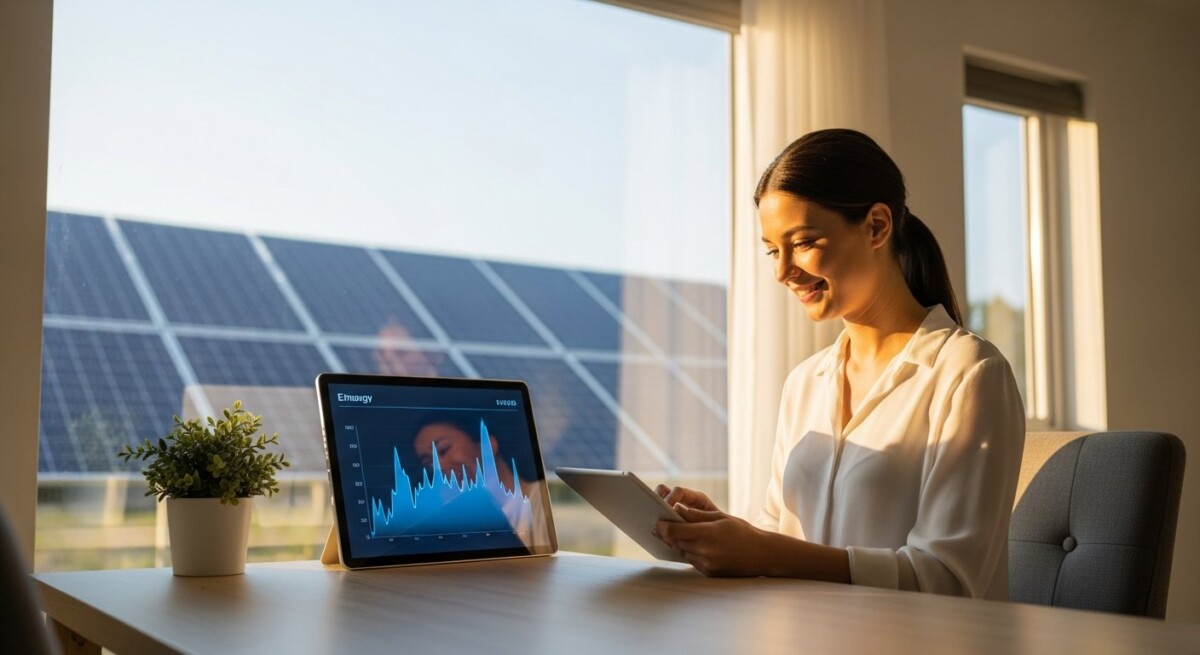
You open your monthly electricity bill and feel a familiar sting. Rates keep climbing, and you wonder if there is a way to take control. That search often leads homeowners to ask, what is ai energy forecasting, a technology that helps solar systems predict production and maximize savings.
By understanding what is ai energy forecasting, you can see how modern solar panels work smarter, not harder. This technology uses weather data and machine learning to estimate how much power your panels will generate, helping you reduce energy bills and rely less on the grid.
Understanding what is ai energy forecasting
AI energy forecasting is a smart system that uses artificial intelligence to predict solar energy output. It analyzes real-time weather patterns, historical sunlight data, and cloud movement to give accurate forecasts for your home’s solar panels.
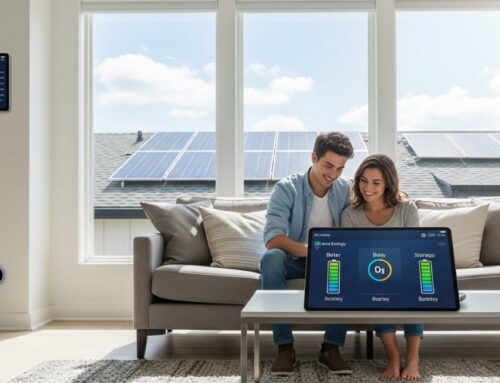
Think of it like a weather app for your solar system. Instead of guessing how much power you will produce tomorrow, the AI crunches numbers and tells you exactly when to run your dishwasher or charge your electric car. This helps you use more of your own solar power and buy less from the utility company.
More homeowners are turning to this technology because it turns solar panels into a predictable asset. In our guide on Solar Energy Forecasting Tools, we explain how these tools boost savings and efficiency by aligning energy use with peak production times.
Why Solar Energy Is Becoming More Popular
Electricity prices have risen sharply over the past decade, and many families feel the pinch. Solar power offers a way to lock in lower rates and protect against future hikes.
Environmental concerns also play a role. Homeowners want to reduce their carbon footprint without sacrificing comfort. Solar panels generate clean energy right on your roof, cutting greenhouse gas emissions year after year.
The long-term savings are hard to ignore. While the upfront cost may seem high, most systems pay for themselves within 7 to 10 years through lower electric bills. After that, your power is essentially free for the remaining life of the panels.
If you are considering solar power for your home, comparing installation quotes can help you understand your options. Request a free solar quote or call to learn more.
Common Questions Homeowners Have About Solar
Installing solar panels raises many practical questions. You want to know if the investment is worth it and whether your home is a good fit.
Below are some of the most frequent concerns homeowners bring up during their research.
- How much does a solar system cost? Costs vary by size and equipment, but the average residential system runs between $15,000 and $25,000 before incentives.
- Will solar work on my roof? Most roofs with at least 20 years of life and good sun exposure are suitable. A professional installer can assess your specific situation.
- What happens on cloudy days? Panels still produce power in diffuse light, though at a reduced rate. AI forecasting helps you plan for these days.
- How long do solar panels last? Quality panels come with 25-year warranties and often produce electricity for 30 years or more.
- Do I need a battery? Batteries store excess energy for nighttime use but are optional. Many homeowners start without one and add it later.
- Are there government incentives? Yes, the federal solar tax credit lets you deduct 30% of installation costs from your taxes. Many states offer additional rebates.
How Solar Panel Installation Works
The installation process is simpler than most people expect. Professional installers handle every step from design to activation.
Here is a typical timeline for a residential solar project.
- Home energy assessment , An installer reviews your electricity bills and examines your roof to determine the right system size.
- System design , Using satellite images and your energy data, the team creates a custom layout for your panels.
- Permits and approvals , The installer files paperwork with your local government and utility company to ensure compliance.
- Panel installation , A crew mounts the panels on your roof and connects the wiring to your electrical panel.
- System activation , After a final inspection, the utility gives the green light, and you start generating your own power.
Speaking with experienced installers can help you determine the best solar solution for your home. Compare solar quotes here or call to explore available options.
Signs Your Home May Be Ideal for Solar
Not every home is a perfect candidate for solar, but many are. Certain features make the transition smoother and more profitable.
Look for these indicators when evaluating your property.
- Strong sunlight exposure , A south-facing roof with little shade delivers the best performance.
- High electricity bills , If you pay more than $100 per month, solar can provide significant relief.
- Suitable roof space , You need about 300 to 400 square feet of clear roof area for an average system.
- Long-term home ownership plans , Solar pays off best when you plan to stay for at least five to seven years.
- Good roof condition , Panels last 25+ years, so your roof should be in good shape or recently replaced.
- Net metering available , Many utilities credit you for excess power sent to the grid, boosting savings.
What Affects Solar Installation Costs
The price of a solar system depends on several variables. Understanding them helps you make an informed decision.
System size is the biggest factor. A larger array costs more upfront but generates more electricity and yields higher long-term savings. Equipment quality also matters,premium panels and inverters cost extra but often perform better and last longer.
Installation complexity can raise or lower the price. A simple roof with easy access costs less than a steep, multi-story roof with complex wiring. Local incentives, such as state rebates and federal tax credits, can reduce your out-of-pocket cost by thousands of dollars. For more details on how AI plays a role in modern solar, read our article on Solar Energy Forecasting With AI.
The cost of solar installation varies depending on your home and energy needs. Request personalized solar quotes or call to see what options are available.
Tips for Choosing a Reliable Solar Installer
Your installer has a huge impact on system performance and your overall experience. Taking time to choose wisely saves headaches later.
Here are practical steps to find a trustworthy professional.
- Review installer experience , Look for companies with at least five years in business and a track record of successful installations.
- Check warranties , A strong workmanship warranty (10+ years) protects you if something goes wrong with the installation.
- Read customer reviews , Online reviews on Google, Yelp, and solar forums reveal real experiences from past clients.
- Compare multiple quotes , Getting at least three estimates lets you compare pricing, equipment, and service terms side by side.
- Verify licensing and insurance , Ensure the installer holds proper state licenses and general liability insurance.
- Ask about monitoring , Good installers offer monitoring tools so you can track your system’s performance, including AI-based forecasts.
Long-Term Benefits of Installing Solar Panels
Solar panels deliver benefits that go far beyond your monthly electric bill. They are a long-term investment in your home and your future.
Lower electricity bills are the most obvious reward. Over 25 years, a typical homeowner saves between $20,000 and $50,000 depending on local rates and sun exposure. Those savings can fund other home improvements or pad your retirement account.
Your home’s value also increases. Studies show that homes with solar panels sell for a premium compared to similar homes without them. Buyers appreciate the promise of lower utility costs and energy independence.
Environmentally, solar power reduces your reliance on fossil fuels. Each kilowatt-hour of solar energy displaces carbon emissions that would otherwise come from coal or natural gas plants. And with AI energy forecasting, you can maximize that clean energy use, making your home part of a smarter, greener grid.
How does AI energy forecasting work with solar panels?
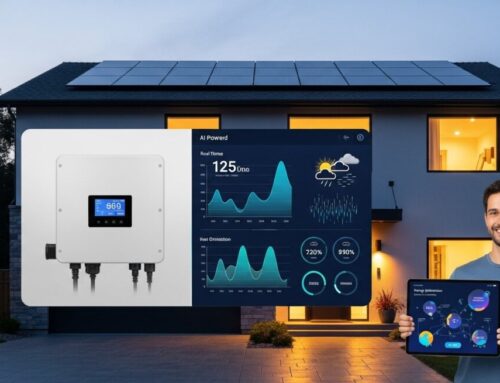
AI energy forecasting uses machine learning algorithms to analyze weather forecasts, historical solar production, and real-time sensor data. It predicts how much electricity your panels will generate hour by hour or day by day. This allows you to schedule high-energy tasks like laundry or EV charging when your production peaks.
Is AI energy forecasting included with all solar systems?
Not all solar systems include AI forecasting. It is typically a feature of higher-end inverters or monitoring platforms. When comparing quotes, ask installers if they offer AI-based tools or if you can add them later for an extra fee.
Can AI forecasting help me reduce my electricity bills?
Yes. By telling you exactly when your panels produce the most power, AI helps you shift energy use to those times. This reduces the amount of electricity you buy from the utility, shrinking your monthly bill.
Do I need a battery for AI energy forecasting to work?
No, a battery is not required. AI forecasting works with standard grid-tied solar systems. However, pairing it with a battery lets you store excess power for evening use, boosting your savings even further.
How accurate is AI energy forecasting?
Modern AI models achieve 85 to 95 percent accuracy for 24-hour forecasts. Accuracy decreases for longer timeframes, but even three-day forecasts help you plan your energy use effectively.
Will AI forecasting work in cloudy or rainy climates?
Yes. AI models account for cloud cover and rain in their predictions. While production will be lower on overcast days, the forecast still helps you manage expectations and avoid surprises.
How do I know if my roof gets enough sun for solar?
A professional installer can perform a solar site assessment using tools like satellite imagery and a solar pathfinder. They will measure sunlight exposure, shading from trees or chimneys, and roof orientation to determine suitability.
Are there government incentives for adding AI forecasting to my solar system?
Currently, no specific incentives target AI forecasting software alone. However, the federal solar tax credit covers the entire solar system, including monitoring equipment that enables forecasting. Check with your installer and tax professional for details.
AI energy forecasting is making solar power smarter and more affordable than ever. By predicting your panel’s output with precision, it helps you save money, reduce waste, and gain real control over your home energy. The best way to start is by comparing quotes from multiple installers to find a system that fits your needs and budget. Compare solar installation quotes today and take the first step toward lower bills and greater energy independence.