Why AI Improves Solar Accuracy for Bigger Home Savings
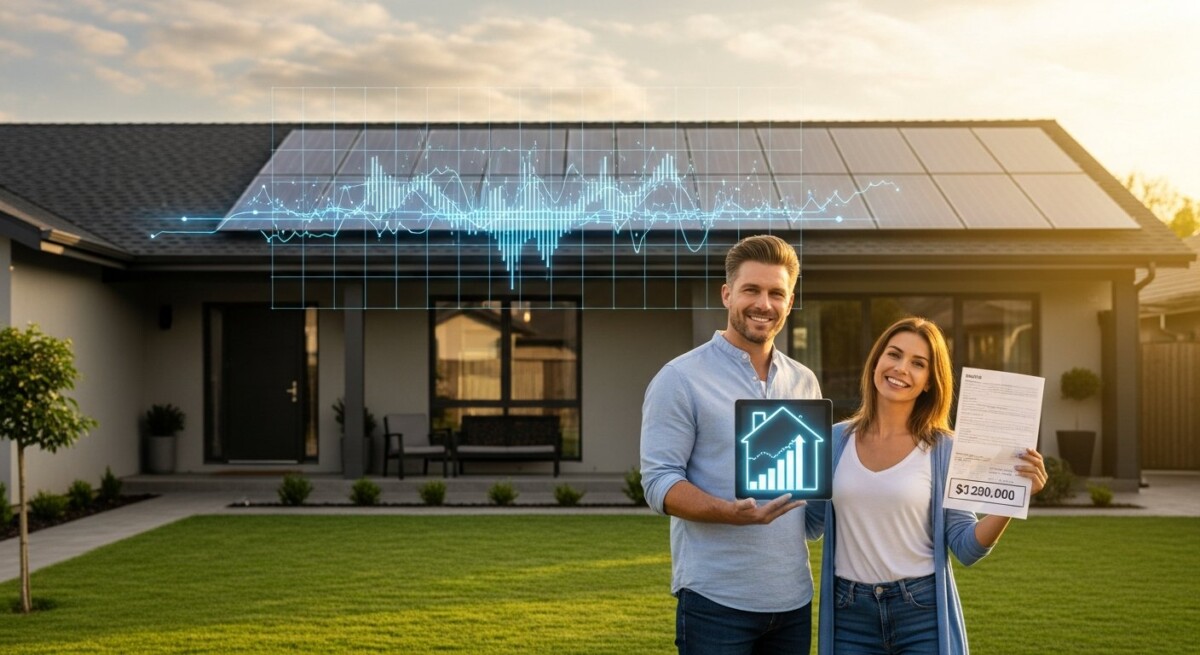
Imagine opening your monthly electricity bill only to find it has climbed higher than last year,again. You are not alone. Rising energy costs have pushed countless homeowners to search for why AI improves solar accuracy, hoping to finally gain control over their household expenses. The promise of solar power has always been lower electricity bills and greater energy independence, but new technology is making that promise more reliable than ever before.
Understanding Why AI Improves Solar Accuracy
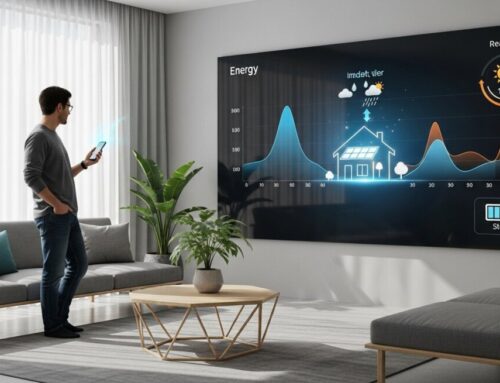
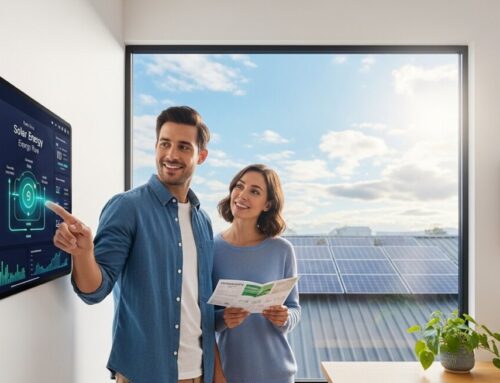
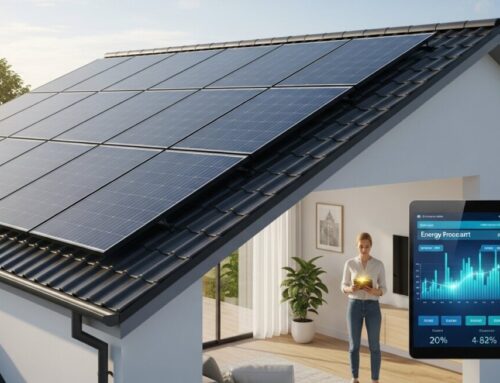
At its simplest, artificial intelligence helps solar systems predict how much energy your home will produce,and how much you will save,with far greater precision than older methods. Traditional solar estimates rely on average weather data and static calculations, which often miss the daily variations that actually affect your panels. AI changes this by analyzing real-time weather patterns, cloud movement, and even your home’s specific energy habits to forecast solar output hour by hour.
This means your solar installer can design a system that fits your actual needs, not just a rough guess. For example, if you usually run your air conditioner in the late afternoon, AI can help orient panels to capture more sun during those critical hours. The result is a system that consistently delivers bigger savings on your electricity bills because it is tuned to how you actually live.
More homeowners are turning to AI-powered tools because they remove much of the guesswork from solar planning. Instead of wondering whether your roof gets enough sun or whether a 6-kilowatt system is enough, you get data-backed answers. In our guide on why AI improves solar accuracy for bigger home savings, we explain how this technology turns vague estimates into reliable projections you can trust.
Why Solar Energy Is Becoming More Popular
Electricity rates have risen steadily across the country, and many homeowners feel the pinch every month. Solar panels offer a way to lock in lower energy costs for decades, shielding you from future price hikes. Beyond the financial side, people are also motivated by environmental concerns,solar energy produces no emissions and reduces your household carbon footprint.
Long-term savings are another powerful draw. Although the upfront cost of solar installation can seem high, the average homeowner recovers that investment within 6 to 10 years through lower utility bills. After that, the electricity your panels generate is essentially free, which can add up to tens of thousands of dollars in savings over the system’s 25-year lifespan.
If you are considering solar power for your home, comparing installation quotes can help you understand your options. Request a free solar quote or call to learn more.
Common Questions Homeowners Have About Solar
Many homeowners hesitate because they are unsure about the true cost of solar panels or whether their roof is suitable. These are valid concerns, and the answers often depend on your specific home and location. The good news is that modern solar systems can work on a wide variety of roof types, including asphalt shingles, tile, and metal.
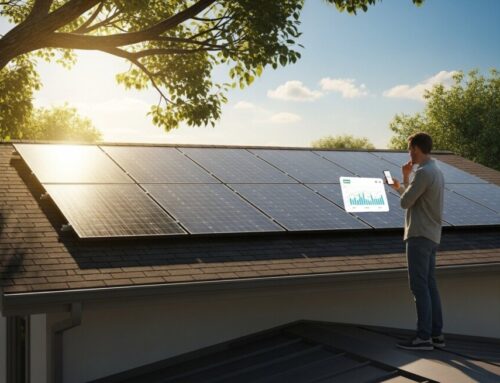
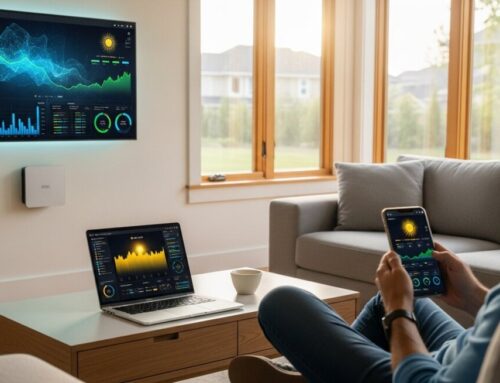
Another frequent worry is how panels perform on cloudy days or during winter. While solar production does drop in low light, today’s panels are more efficient than ever and can still generate meaningful power even in overcast conditions. AI-powered monitoring also helps you track performance in real time, so you always know exactly what your system is doing.
- How much does a solar system cost for an average home?
- Will solar panels work on my roof type?
- What happens to solar production on cloudy days?
- How long do solar panels last?
- Do I need a battery backup with my system?
- Can I take my panels with me if I move?
How Solar Panel Installation Works
The installation process is more straightforward than most homeowners expect. It begins with a home energy assessment, where a professional evaluates your electricity usage, roof condition, and sunlight exposure. This step is critical because it determines the right system size for your needs.
Once the assessment is complete, the installer designs a custom system and handles all permits and approvals with your local utility and government offices. This paperwork can be confusing, but a good installer manages it for you. After permits are approved, the physical installation typically takes one to three days, followed by a final inspection and system activation.
- Home energy assessment to analyze your usage and roof.
- Custom system design using AI-powered tools.
- Permits and approvals from local authorities.
- Panel installation by certified professionals.
- System activation and connection to the grid.
Speaking with experienced installers can help you determine the best solar solution for your home. Compare solar quotes here or call to explore available options.
Signs Your Home May Be Ideal for Solar
Not every home is perfectly suited for solar panels, but many are. The most important factor is sunlight exposure,homes with south-facing roofs that receive direct sun for most of the day tend to produce the most energy. Even east- or west-facing roofs can work well with proper system design.
High electricity bills are another strong indicator that solar could save you money. If you pay more than $100 per month for electricity, a solar system can likely reduce that bill significantly. Additionally, if you plan to stay in your home for at least five more years, the long-term savings will almost certainly outweigh the initial investment.
- Your roof gets strong, direct sunlight for most of the day.
- Your monthly electricity bills are consistently high.
- You have adequate roof space without too much shading.
- You plan to stay in your home for several more years.
- Your roof is in good condition and less than 15 years old.
- Your state or local utility offers solar incentives or net metering.
What Affects Solar Installation Costs
The price of a solar system depends on several factors, starting with system size. Larger homes with higher energy needs require more panels, which increases the cost. Equipment quality also matters,premium panels and inverters cost more upfront but often deliver better performance and longer warranties.
Installation complexity can add to the price as well. Complex roof angles, multiple stories, or older electrical panels may require extra labor or upgrades. On the positive side, federal and local incentives can significantly reduce your out-of-pocket expense. The federal solar tax credit, for example, currently allows you to deduct 30% of your installation cost from your taxes.
The cost of solar installation varies depending on your home and energy needs. Request personalized solar quotes or call to see what options are available.
Tips for Choosing a Reliable Solar Installer
Finding the right installer is just as important as choosing the right panels. A reputable company will conduct a thorough site visit, provide a clear contract, and stand behind their work with solid warranties. Avoid installers who give you a quote over the phone without ever seeing your roof.
Reading customer reviews and checking the installer’s experience with similar homes can give you confidence in your choice. It is also wise to compare at least three quotes before making a decision. This not only helps you find a fair price but also exposes you to different system designs and equipment options.
- Review the installer’s experience and years in business.
- Check warranty coverage for panels, inverters, and workmanship.
- Read online reviews from recent customers.
- Compare multiple quotes to see pricing and equipment differences.
- Ask about financing options and whether they handle permits.
- Verify the installer’s certifications and licensing.
Long-Term Benefits of Installing Solar Panels
Lower electricity bills are the most immediate benefit, but the savings compound over time. As utility rates rise, your solar system continues producing the same amount of power, so your savings actually grow each year. Over the lifetime of your panels, you could save $20,000 to $40,000 or more, depending on your location and energy use.
Solar panels also increase your home’s resale value. Studies show that homes with solar systems sell for a premium compared to similar homes without them. Buyers recognize the value of lower utility bills and are often willing to pay more for a home that already has solar installed.
Beyond financial gains, solar gives you energy independence and reduces your environmental impact. You rely less on the power grid and fossil fuels, which is especially valuable during outages or price spikes. For many homeowners, the peace of mind that comes with generating your own clean energy is just as important as the savings.
How does AI improve solar panel accuracy?
AI improves solar panel accuracy by analyzing real-time weather data, cloud patterns, and your home’s energy usage to predict solar output more precisely. This allows installers to design a system that matches your actual needs, leading to better performance and bigger savings on your electricity bills.
Can solar panels really lower my electricity bill?
Yes, solar panels can significantly lower your electricity bill by generating free power from the sun. Most homeowners see a 50% to 90% reduction in their monthly bill, and some even eliminate it entirely depending on system size and local net metering policies.
How long does it take to recoup the cost of solar installation?
Most homeowners recover their solar investment within 6 to 10 years through lower electricity bills. After that point, the energy your panels produce is essentially free, providing decades of savings. Federal and state incentives can shorten this payback period even further.
What if my roof is shaded by trees or nearby buildings?
Partial shading can reduce solar production, but modern panels and microinverters can minimize the impact. An AI-powered assessment will identify the best panel placement to capture maximum sunlight. In some cases, trimming trees or adjusting panel layout can solve shading issues.
Do I need to replace my roof before installing solar?
If your roof is older or in poor condition, it is wise to replace it before installing solar panels. Solar systems last 25 years or more, so you want a roof that will last just as long. A professional installer can inspect your roof and advise you during the initial assessment.
How do government incentives make solar more affordable?
The federal solar tax credit allows you to deduct 30% of your installation cost from your federal taxes. Many states and local utilities offer additional rebates, tax credits, or performance-based incentives. These programs can reduce your upfront cost by thousands of dollars, making solar more accessible.
Will solar panels work during a power outage?
Standard grid-tied solar systems shut down during outages for safety reasons. However, if you install a battery backup system, you can store excess solar energy and use it when the grid goes down. AI-powered battery management can optimize charging and discharging to maximize your backup power.
How do I know if a solar installer is trustworthy?
Look for installers with strong online reviews, proper licensing, and industry certifications such as NABCEP. A trustworthy installer will provide a detailed written quote, explain the equipment they use, and offer comprehensive warranties. Comparing multiple quotes is the best way to gauge fairness and professionalism.
Solar energy is transforming how American homes manage energy costs, and AI is making that transformation more accurate and reliable than ever. Whether your goal is to reduce monthly bills, achieve energy independence, or simply do something good for the planet, solar panels offer a proven path forward. The smartest first step is to explore your options by comparing installation quotes from qualified professionals. Compare solar quotes today and discover how much you could save with a system designed by AI for your home.