Why Solar Output Varies: A Homeowner’s Guide to Maximizing Savings
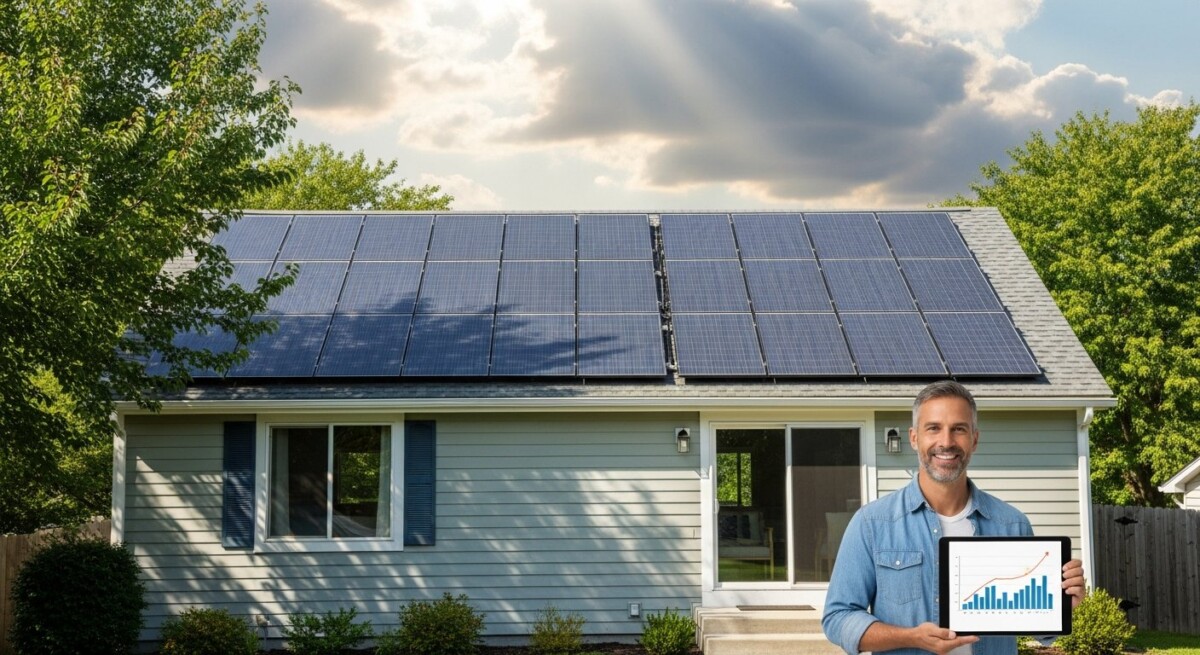
You’ve probably noticed your electricity bill creeping up month after month. It’s a familiar frustration that drives many homeowners to search for “why solar output varies” and whether solar panels can finally cut those costs. The promise of lower energy bills and less dependence on the power grid is appealing, but real-world solar performance depends on several factors you need to understand before making a decision.
Understanding Why Solar Output Varies
Solar output simply means how much electricity your solar panels produce at any given time. It’s not a fixed number,it changes throughout the day, across seasons, and even year to year. Think of it like a garden: the amount of sunlight your plants receive determines how well they grow, and the same principle applies to your solar system.
Several key factors influence output: the angle and orientation of your roof, local weather patterns, shading from trees or nearby buildings, and the quality of the panels themselves. Even the temperature outside plays a role,panels actually perform slightly better in cooler, sunny weather than in extreme heat. Understanding these variables helps you set realistic expectations and choose a system that works for your specific home.
The Role of Sunlight and Weather
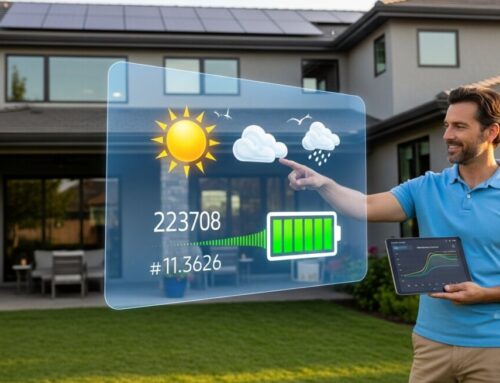
Sunlight intensity is the biggest driver of solar output. A clear summer day can produce several times more energy than a cloudy winter one. But that doesn’t mean solar is useless in less sunny climates,modern panels capture diffuse light effectively. Professional installers use historical weather data for your area to estimate annual production so you know what to expect.
Why Solar Energy Is Becoming More Popular
Rising electricity prices are pushing more homeowners to explore solar. According to the U.S. Energy Information Administration, residential electricity rates have increased steadily over the past decade, and there’s no sign of slowing down. Solar offers a way to lock in lower energy costs and protect your budget from future rate hikes.
Environmental concerns are also driving interest. Solar power produces clean, renewable energy that reduces your carbon footprint. And the financial incentives are hard to ignore: the federal Investment Tax Credit (ITC) lets you deduct 30% of your installation costs from your taxes, and many states offer additional rebates. Combined with long-term savings on electricity, solar can pay for itself in 6 to 10 years and continue saving you money for decades.
If you are considering solar power for your home, comparing installation quotes can help you understand your options. Request a free solar quote or call (555) 123-4567 to learn more.
Common Questions Homeowners Have About Solar
It’s normal to have questions before making a big investment like solar. Many homeowners worry about the upfront cost, whether their roof is suitable, and how well the system will perform over time. The good news is that most concerns can be addressed with accurate information and a professional evaluation.
Installation costs have dropped significantly in recent years, and financing options like solar loans and leases make it accessible for more budgets. Roof suitability depends on factors like age, material, and orientation,most asphalt shingle roofs in good condition work fine. And system performance is reliable: quality panels come with 25-year warranties and degrade only about 0.5% per year.
- How much does a typical solar system cost?
- Will solar panels work on a shaded roof?
- What happens during a power outage?
- How long do solar panels last?
- Do I need to replace my roof before installation?
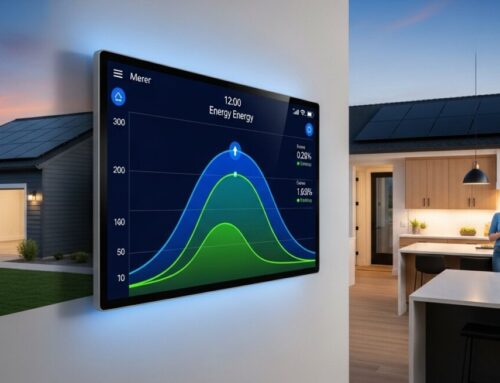
- Can I monitor my system’s output in real time?
How Solar Panel Installation Works
The installation process is simpler than many homeowners expect. A professional installer handles everything from the initial assessment to the final connection with your utility company. You don’t need to be a DIY expert,your job is to choose a reputable installer and ask the right questions.
Most installations take one to three days once permits are approved. The installer mounts the panels on your roof, connects them to an inverter that converts DC electricity to usable AC power, and ties the system into your home’s electrical panel. After a final inspection, your utility company gives the green light to start generating power.
- Home energy assessment and site evaluation
- System design customized to your roof and energy needs
- Permitting and approvals from local authorities
- Panel installation and electrical wiring
- System activation and net metering setup
Speaking with experienced installers can help you determine the best solar solution for your home. Compare solar quotes here or call (555) 123-4567 to explore available options.
Signs Your Home May Be Ideal for Solar
Not every home is equally suited for solar, but many are. The best candidates have roofs that face south or west, receive direct sunlight for most of the day, and have enough space to accommodate enough panels to meet their energy needs. If you have high electricity bills, solar can deliver especially strong savings.
Your roof’s condition matters too. Panels last 25 to 30 years, so you’ll want a roof that doesn’t need replacement soon. If your home is in a community with a homeowners association (HOA), check whether solar panels are allowed. In most states, HOA restrictions on solar are limited by law.
- Unobstructed south- or west-facing roof
- High monthly electricity bills
- At least 300 square feet of usable roof space
- Roof in good condition or recently replaced
- Plan to stay in your home for 5+ years
- Access to net metering or other incentives
What Affects Solar Installation Costs
The total cost of a solar system depends on several factors. System size is the biggest driver,larger systems that produce more electricity cost more upfront but also save more over time. Equipment quality matters too: premium panels and inverters cost more but often deliver higher efficiency and longer warranties.
Installation complexity can add to the price. A simple roof with easy access and standard shingles is cheaper to install than a complex roof with multiple angles, tile, or slate. Local labor rates and permit fees also vary by region. However, federal and state incentives can reduce your out-of-pocket cost by 30% or more.
The cost of solar installation varies depending on your home and energy needs. Request personalized solar quotes or call (555) 123-4567 to see what options are available.
Tips for Choosing a Reliable Solar Installer
Choosing the right installer is just as important as choosing the right equipment. A good installer will conduct a thorough site assessment, explain the factors that affect your system’s output, and provide a transparent quote with no hidden fees. They should also handle all permitting and paperwork so you don’t have to.
Don’t rush the decision. Get at least three quotes from different companies and compare them carefully. Look for certifications like NABCEP (North American Board of Certified Energy Practitioners) and check online reviews. A lower price isn’t always better if it means poor workmanship or weak customer support.
- Review installer experience and certifications
- Check warranty terms for panels, inverter, and workmanship
- Read customer reviews on Google, Yelp, or EnergySage
- Compare at least three detailed quotes
- Ask about monitoring and maintenance services
- Confirm they handle permits and utility approvals
For a deeper look at how technology helps you plan, read our guide on Solar Output Prediction: What It Is and How It Saves You Money.
Long-Term Benefits of Installing Solar Panels
The biggest long-term benefit is lower electricity bills. Once your system is paid off, the electricity it generates is essentially free. Over 25 years, that can add up to tens of thousands of dollars in savings. Solar also increases your home’s resale value,studies show that homes with solar panels sell for about 4% more than comparable homes without.
Energy independence is another major advantage. By generating your own power, you’re less affected by utility rate increases and grid outages (especially if you add battery storage). And every kilowatt-hour of solar electricity you use reduces greenhouse gas emissions, helping create a cleaner environment for future generations.
To see how AI can help you predict and maximize your savings, check out our article on How AI Predicts Solar Output for Bigger Savings.
Frequently Asked Questions
How much can I save on my electricity bill with solar panels?
Savings vary based on your location, energy use, and system size. Most homeowners reduce their electricity bill by 50% to 90% over the life of the system. With net metering, you can even earn credits for excess power you send back to the grid.
Do solar panels work on cloudy days?
Yes, solar panels still generate electricity on cloudy days, though at reduced output,typically 10% to 25% of their full capacity. Modern panels are designed to capture diffuse light, so you’ll still produce some power even when the sun isn’t shining directly.
What is net metering and how does it affect my savings?
Net metering is a billing arrangement that credits you for excess solar electricity you send to the grid. When your panels produce more than you use, the meter runs backward. You can then use those credits when your system isn’t producing, like at night, maximizing your savings.
How long does it take to recoup the cost of solar installation?
The payback period typically ranges from 6 to 10 years, depending on your electricity rates, incentives, and system cost. After that, the electricity your panels generate is essentially free for the remaining 15 to 20 years of their lifespan.
Will solar panels damage my roof?
Properly installed solar panels do not damage your roof. In fact, they can protect the area they cover from sun and rain. Professional installers use mounting systems that seal around roof penetrations to prevent leaks. Always choose an experienced installer with good reviews.
What maintenance do solar panels require?
Solar panels require very little maintenance. Rain usually keeps them clean enough, but in dry or dusty areas, occasional rinsing with a hose can help. Most systems come with monitoring software that alerts you if output drops, so you’ll know if something needs attention.
Can I add battery storage later?
Yes, many solar systems are designed to be “battery-ready.” You can install panels first and add a battery later if your budget allows. Batteries store excess energy for use during power outages or at night, increasing your energy independence even further.
What happens if my solar panels produce more electricity than I need?
Excess electricity is sent back to the grid through net metering, and you receive credits on your bill. In some areas, you may receive a check at the end of the year for leftover credits. This makes oversizing your system a smart way to maximize long-term savings.
Solar energy offers a practical path to lower bills, greater independence, and a cleaner planet. The key to success is understanding why solar output varies and choosing a system designed for your home. Start by comparing multiple quotes from reputable installers,it’s the best way to find a solution that fits your budget and energy goals. Get your free solar quotes today and take the first step toward energy savings.