AI Solar Monitoring Explained: Boost Your Home Savings
You open your monthly electricity bill and feel a familiar pinch. Rates keep climbing, and you wonder if there is a way to take control. This is why many homeowners are searching for ai solar monitoring explained,a smart way to reduce energy bills and become less dependent on the power grid. Solar energy paired with intelligent monitoring can turn your home into a mini power plant that works for you.
Understanding ai solar monitoring explained
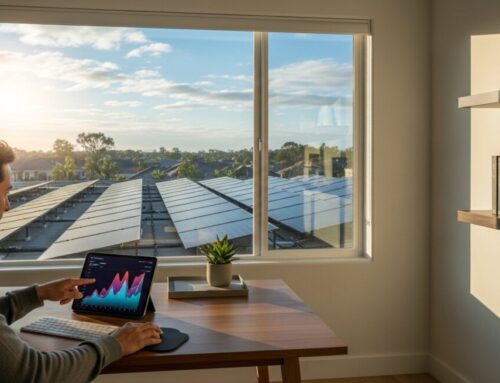
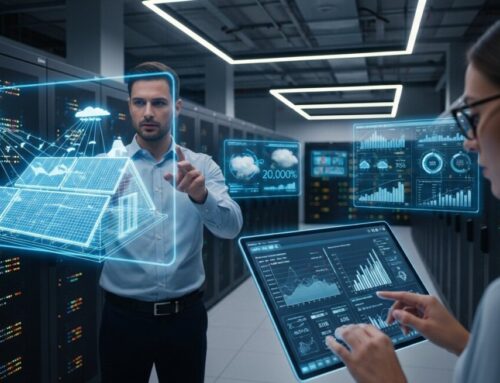
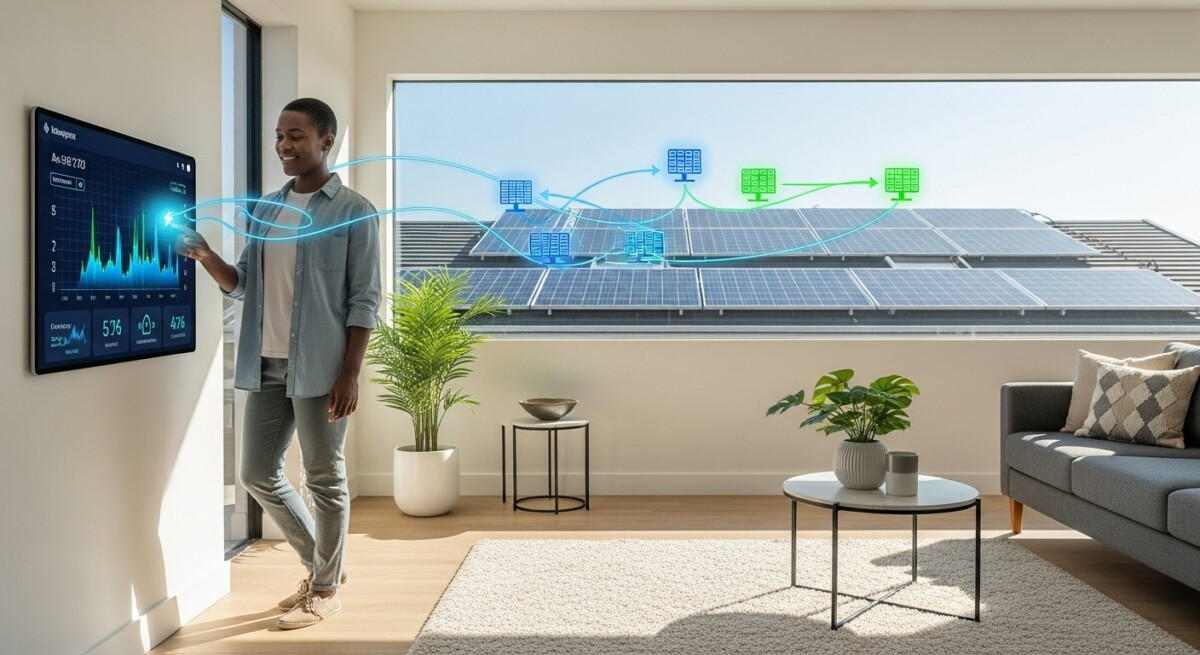
AI solar monitoring is a system that uses artificial intelligence to track how your solar panels perform in real time. Instead of just showing how much energy you produce, it analyzes patterns, predicts issues, and optimizes your energy use automatically. Think of it as a smart assistant for your solar setup.
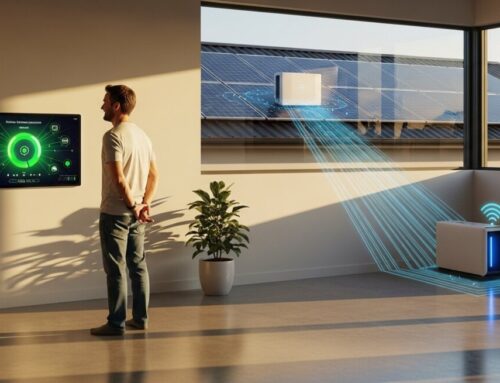
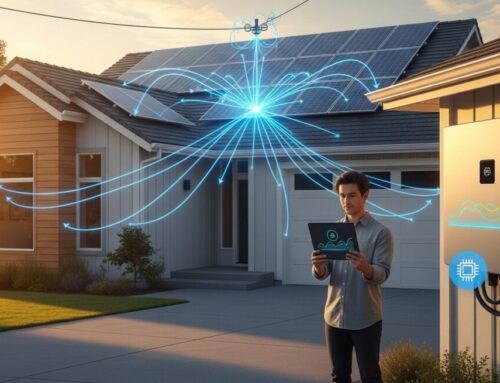
Here is how it works. Sensors on your panels send data to a central platform that uses machine learning to spot inefficiencies. For example, if a panel is underperforming because of shade or dirt, the system alerts you and sometimes even suggests a fix. As explained in our guide on AI solar monitoring explained, this technology helps homeowners maximize savings without constant manual checks.
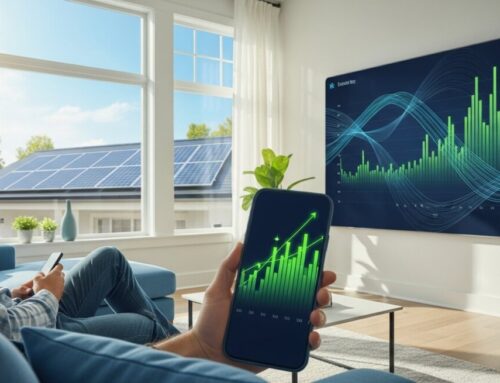
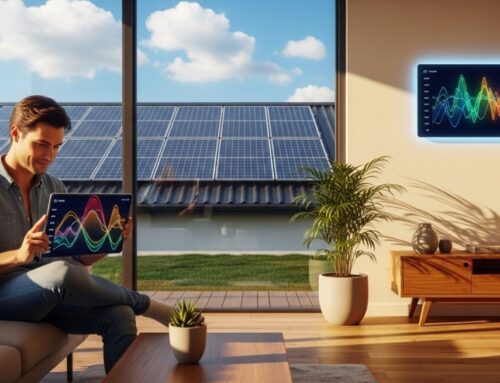
More homeowners are turning to AI monitoring because it turns raw data into actionable insights. You can see exactly when you use the most electricity and adjust your habits to save more. It also makes solar ownership simpler, which encourages more people to switch.
Why Solar Energy Is Becoming More Popular
Electricity prices have risen steadily over the past decade, and many families feel the strain. Solar power offers a way to lock in lower energy costs and protect against future rate hikes. Beyond the financial side, people are also motivated by environmental concerns and the desire to leave a smaller carbon footprint.
Long-term savings are a major draw. Once your panels are paid off, your electricity can be nearly free for decades. Add government incentives and rebates, and the upfront cost becomes much more manageable. This combination of factors makes solar an increasingly smart choice for homeowners.
If you are considering solar power for your home, comparing installation quotes can help you understand your options. Request a free solar quote or call to learn more.
Common Questions Homeowners Have About Solar
Many homeowners wonder about the upfront cost of installation. The price varies based on system size and equipment, but federal tax credits and state rebates can lower it significantly. Another common question is whether a roof is suitable for panels.
Most roofs with good sun exposure work well, but a professional assessment can confirm this. Performance in cloudy weather or during winter is another concern. Modern panels still generate electricity on overcast days, though at a reduced rate, and net metering often credits you for excess power.
- How much does a solar system cost after incentives?
- Will solar panels work on my roof type?
- How long do solar panels last?
- Do I need a battery with my system?
- What happens during a power outage?
- How much maintenance do panels require?
How Solar Panel Installation Works
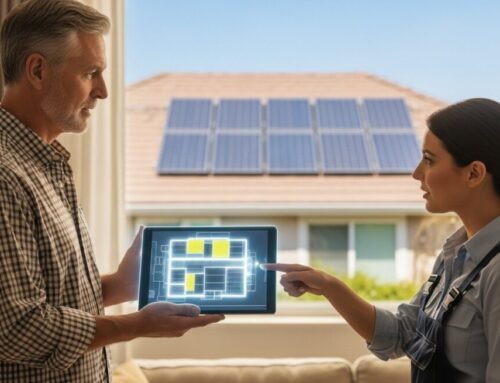
The installation process starts with a home energy assessment. An installer reviews your electricity usage, roof condition, and sun exposure to design a system that fits your needs. This step is critical to avoid oversizing or undersizing your setup.
Once the design is finalized, permits and approvals are handled by the installer. Then the physical installation takes one to three days, depending on system complexity. After wiring and connection to the grid, a final inspection activates your system.
- Home energy assessment
- System design and equipment selection
- Permits and approvals
- Panel installation and wiring
- System activation and monitoring setup
Speaking with experienced installers can help you determine the best solar solution for your home. Compare solar quotes here or call to explore available options.
Signs Your Home May Be Ideal for Solar
Not every home is equally suited for solar, but many are. The most important factor is strong, unobstructed sunlight on your roof for most of the day. South-facing roofs typically capture the most energy, but east and west exposures can also work well.
High electricity bills are another strong indicator. If you pay more than $100 per month, solar can likely save you money. Suitable roof space and plans to stay in your home for several years also make solar a worthwhile investment.
- Strong sunlight exposure with minimal shading
- High monthly electricity bills
- Suitable roof space with good condition
- Long-term home ownership plans
- Local incentives or net metering programs
What Affects Solar Installation Costs
The size of your system is the biggest cost driver. Larger homes with higher energy needs require more panels, which increases the price. Equipment quality also matters,premium panels and inverters cost more but often deliver better efficiency and longer warranties.
Installation complexity can add to the cost. Factors like roof pitch, material, and accessibility influence labor time. Local incentives, including the federal solar tax credit, can reduce your net cost by 30% or more, making high-quality systems more affordable.
The cost of solar installation varies depending on your home and energy needs. Request personalized solar quotes or call to see what options are available.
Tips for Choosing a Reliable Solar Installer
Choosing the right installer is just as important as choosing the right equipment. Look for companies with a proven track record, proper licensing, and strong customer reviews. A trustworthy installer will walk you through every step and answer your questions clearly.
Warranties are another key factor. A good installer offers workmanship warranties and partners with manufacturers that provide solid equipment guarantees. Comparing multiple quotes helps you see differences in pricing, equipment, and service, so you can make an informed decision.
- Review installer experience and certifications
- Check equipment and workmanship warranties
- Read customer reviews and ask for references
- Compare multiple quotes to find the best value
Long-Term Benefits of Installing Solar Panels
Over 20 to 25 years, solar panels can save you tens of thousands of dollars on electricity. These savings grow as utility rates rise, giving you more financial breathing room. Solar also increases your home’s resale value, often by several thousand dollars, because buyers see the long-term benefit.
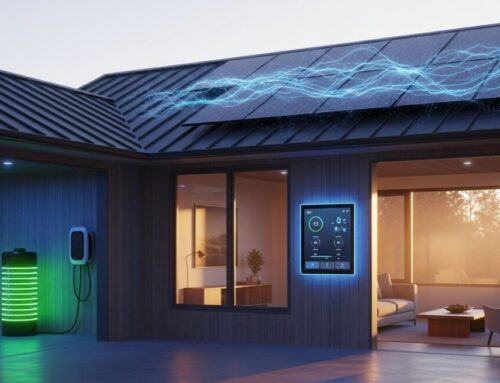
Beyond money, solar panels reduce your household’s carbon emissions significantly. Generating your own clean energy helps combat climate change and reduces reliance on fossil fuels. With AI monitoring, you gain energy independence by tracking and optimizing your production in real time.
How long does it take for solar panels to pay for themselves?
Most homeowners recoup their investment within 6 to 10 years, depending on system cost, local electricity rates, and available incentives. After that, the electricity your panels produce is essentially free for the remainder of their 25- to 30-year lifespan.
Can solar panels power my entire home?
Yes, with a properly sized system, solar panels can cover 100% of your electricity needs. An installer will design the system based on your average usage and roof space. Battery storage can provide backup power when the sun isn’t shining.
Do I need to clean my solar panels regularly?
Rain usually keeps panels clean enough, but in dusty areas or during dry spells, occasional cleaning can improve performance. AI monitoring can alert you if output drops significantly, indicating that cleaning may be needed.
What happens if my panels produce more energy than I use?
Excess energy is often sent back to the grid through net metering, and you receive credits on your bill. These credits offset the energy you use at night or during cloudy periods. Some utilities pay you for excess generation.
Are there government incentives for solar in 2025?
Yes, the federal solar investment tax credit (ITC) still offers a 30% tax credit on system costs. Many states and local utilities also provide rebates, performance payments, or property tax exemptions. An installer can help you identify all available incentives.
Will solar panels work during a power outage?
Standard grid-tied solar systems shut down during outages for safety reasons. If you want backup power, you need a battery storage system. AI monitoring can manage battery charging and discharging to maximize your energy independence.
How does AI monitoring improve my solar savings?
AI monitoring identifies underperforming panels, predicts maintenance needs, and suggests when to run high-energy appliances for maximum savings. As highlighted in our article on AI solar monitoring savings, this technology helps you get the most out of your system with minimal effort.
What roof types are best for solar panels?
Asphalt shingle, metal, and tile roofs are all suitable for solar installation. Flat roofs can also work with racking systems that angle the panels. A professional installer will assess your roof’s material, age, and structural integrity before proceeding.
Solar energy puts you in control of your electricity costs and helps protect the environment. The key to getting the best value is comparing multiple installation quotes from trusted professionals. Request free solar quotes or call to start your journey toward energy independence.