Solar Energy Automation: Cut Bills and Gain Energy Freedom
Every month, you open your electricity bill and wonder if there is a better way. Rising energy costs are pushing more homeowners to explore solar power, but many do not know where to start. Solar energy automation combines smart technology with solar panels to help you reduce electricity bills and rely less on the power grid. This guide explains how it works, what it costs, and how to get started with confidence.
Understanding Solar Energy Automation
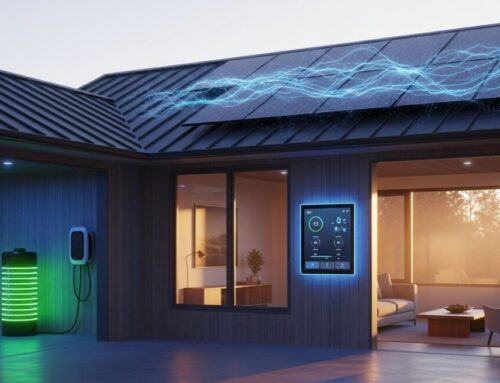
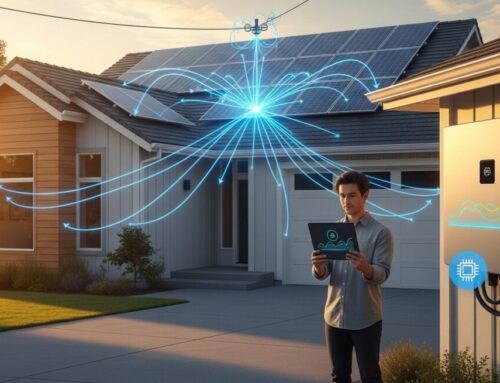
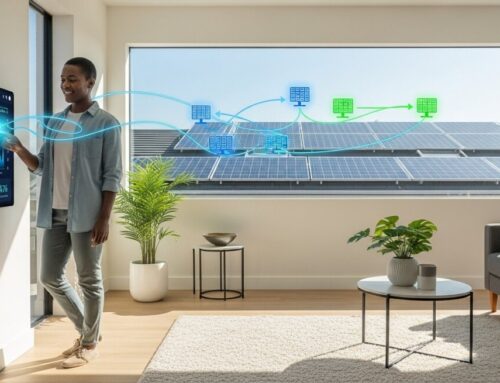
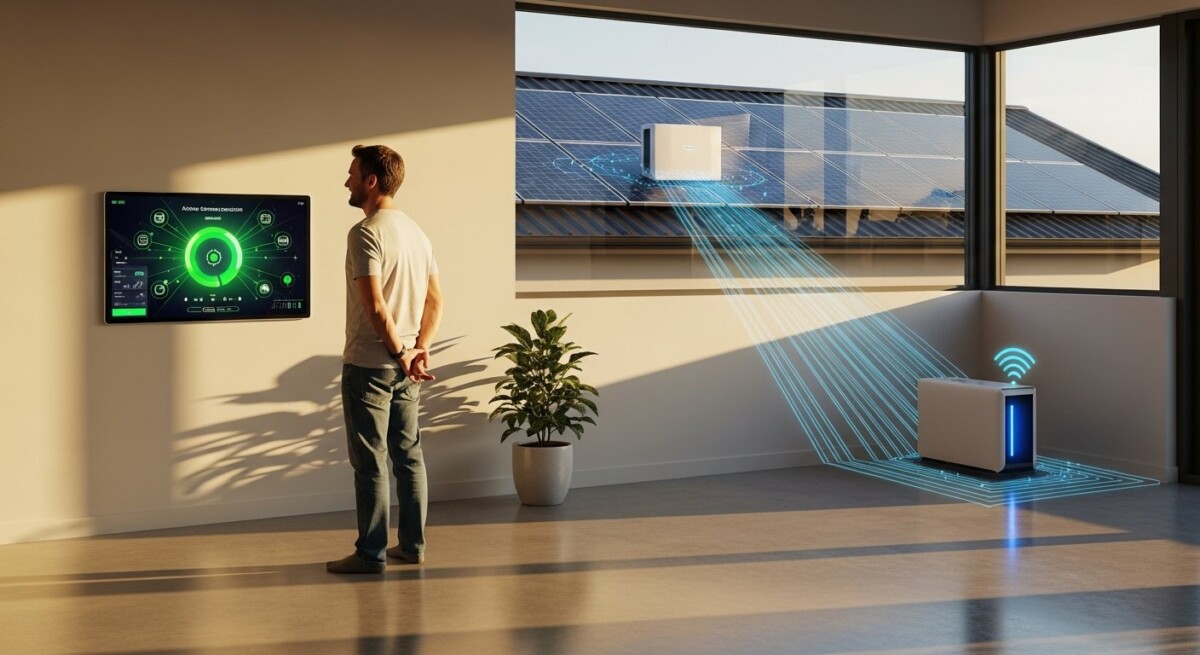
Solar energy automation refers to the use of smart devices and software that manage your solar panel system automatically. Instead of manually adjusting panels or tracking energy usage, the system handles everything for you. For example, automated inverters can shift electricity between your home, battery storage, and the grid based on real-time needs.
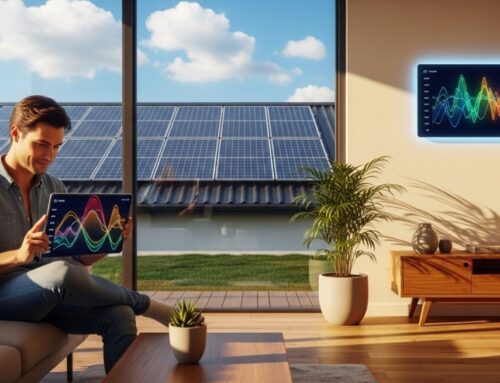
This technology also includes monitoring apps that show you how much energy your panels produce and how much you save. Many systems now use artificial intelligence to predict weather patterns and adjust energy storage accordingly. Homeowners choose solar automation because it simplifies the process of going solar and maximizes savings without daily effort. In our guide on AI tools for solar energy, we explain how smart features can help you save even more on your electric bill.
Why Solar Energy Is Becoming More Popular
Electricity prices have risen steadily over the past decade, and many homeowners feel the squeeze. Solar power offers a way to lock in lower energy costs for 25 years or more. The environmental benefits also matter: solar reduces your carbon footprint and helps fight climate change.
Long-term savings are a major driver. Most homeowners recover their solar investment within 6 to 10 years, then enjoy free electricity for the rest of the system’s life. Government incentives and rebates, such as the federal solar tax credit, make the upfront cost more manageable. These factors explain why solar adoption has grown rapidly across the United States.
If you are considering solar power for your home, comparing installation quotes can help you understand your options. Request a free solar quote or call to learn more.
Common Questions Homeowners Have About Solar
Before making a decision, homeowners often ask about installation cost, roof suitability, and system performance. Cost is the first concern, but prices have dropped significantly in recent years. A typical residential system now costs between $15,000 and $25,000 before incentives.
Roof suitability depends on factors like age, material, and sun exposure. Most homes with a south-facing roof that gets direct sunlight for at least five hours daily work well. Performance also varies by location, but modern panels are efficient even in cloudy conditions.
- How much does a solar system really cost after incentives?
- Will my roof support solar panels without damage?
- What happens on cloudy days or at night?
- How long does it take to install solar panels?
- Do I need a battery for my solar system?
- How much can I actually save on my electricity bill?
How Solar Panel Installation Works
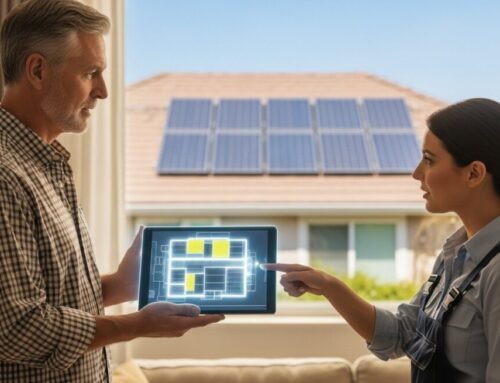
The installation process is straightforward when you work with a professional installer. First, an energy assessment determines your home’s electricity usage and roof conditions. The installer then designs a custom system that matches your needs and local building codes.
Once the design is ready, permits are obtained from your local government. The actual panel installation usually takes one to three days, depending on system size. After installation, the system is inspected and connected to the grid, and you start saving immediately.
- Home energy assessment to evaluate usage and roof conditions.
- System design tailored to your home and budget.
- Permits and approvals from local authorities.
- Panel installation by certified professionals.
- System activation and connection to the power grid.
Speaking with experienced installers can help you determine the best solar solution for your home. Compare solar quotes here or call to explore available options.
Signs Your Home May Be Ideal for Solar
Not every home is a perfect candidate for solar, but many are. Homes with good sun exposure and high electricity bills benefit the most. If your roof is relatively new and has enough space, you are likely a good fit.
Long-term homeowners also gain more value from solar because the savings accumulate over time. Even if you plan to sell, solar panels can increase your home’s resale value. Here are some signs that solar may work well for you:
- Your roof gets strong sunlight for most of the day.
- Your monthly electricity bills are consistently high.
- You have enough roof space facing south, east, or west.
- You plan to stay in your home for at least five more years.
- Your roof is in good condition and less than 10 years old.
- You live in an area with net metering or other solar incentives.
What Affects Solar Installation Costs
The price of a solar system depends on several key factors. System size is the biggest driver: larger systems that produce more energy cost more upfront but offer greater long-term savings. Equipment quality also matters, as premium panels and inverters are more efficient and durable.
Installation complexity can raise costs if your roof is steep, has multiple angles, or requires structural reinforcement. Local incentives and utility rebates can lower the net cost significantly. Many homeowners pay 30% less after applying the federal tax credit alone.
The cost of solar installation varies depending on your home and energy needs. Request personalized solar quotes or call to see what options are available.
Tips for Choosing a Reliable Solar Installer
Finding a trustworthy installer is critical to getting the most from your solar investment. Look for companies with several years of experience and a strong track record in your area. Check that they use high-quality equipment and offer solid warranties on both panels and workmanship.
Reading online reviews and asking for references can reveal how an installer treats customers. Most importantly, compare multiple quotes before making a decision. This helps you understand pricing, equipment options, and financing terms.
- Review the installer’s experience and certifications.
- Check warranty coverage for panels, inverters, and labor.
- Read recent customer reviews on independent sites.
- Compare at least three quotes to find the best value.
- Ask about financing options and lease versus purchase.
- Confirm the installer handles permits and inspections.
Long-Term Benefits of Installing Solar Panels
Over the life of your solar system, you can save tens of thousands of dollars on electricity. These savings grow as utility rates rise, giving you predictable energy costs. Solar panels also increase your home’s value by 4% or more, according to multiple studies.
Beyond financial gains, solar power reduces your reliance on fossil fuels and lowers your household carbon emissions. Energy independence means you are less affected by power outages and grid fluctuations. With smart automation, your system can even provide backup power during emergencies. For more details on how smart technology can reduce your bills, see our article on AI solar energy and how it slashes costs with intelligent automation.
Frequently Asked Questions
How much does solar energy automation cost?
Solar automation features are often included in modern systems, adding little to no extra cost. Smart inverters and monitoring apps typically come as part of a standard package. The total system cost ranges from $15,000 to $25,000 before incentives, with automation included.
Can solar energy automation work with existing solar panels?
Yes, many automation tools can be added to existing systems. Smart inverters, energy monitors, and battery controllers can upgrade older setups. A professional installer can assess your current system and recommend compatible upgrades.
Do I need a battery for solar energy automation?
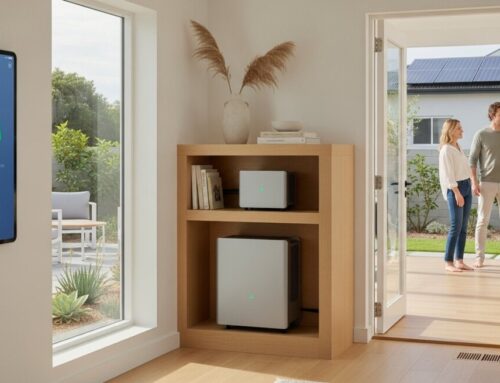
A battery is not required, but it enhances automation capabilities. With a battery, your system can store excess energy for use at night or during outages. Many homeowners find that a battery increases energy independence and savings.
How long do solar panels last with automation?
Solar panels typically last 25 to 30 years, and automation components like inverters last 10 to 15 years. Proper monitoring through automation can help you detect issues early, extending system life. Most panels come with performance warranties for 25 years.
Will solar automation work during a power outage?
Standard grid-tied systems shut off during outages for safety reasons. However, systems with battery storage and automation can provide backup power. This feature requires a specific inverter and battery setup, which your installer can explain.
How much can I save with solar energy automation?
Savings depend on your location, energy usage, and system size. Most homeowners save 50% to 90% on their electricity bills after installing solar. Automation can increase savings by optimizing when you use or store energy.
Is solar energy automation difficult to use?
No, automation is designed to be user-friendly. Most systems include a mobile app that shows your energy production and savings in real time. The system adjusts settings automatically, so you rarely need to make manual changes.
What happens if my automated system malfunctions?
Modern systems include self-diagnostics that alert you to problems via the app. Many installers offer remote troubleshooting and service warranties. Regular monitoring helps catch issues early, minimizing downtime.
Solar energy automation is a smart way to reduce electricity bills, gain energy independence, and support a cleaner planet. By comparing installation quotes from trusted professionals, you can find a system that fits your home and budget. Start exploring your options today and take the first step toward a more sustainable future.