Can AI Reduce Solar Costs for Homeowners?
Every month, you open your electricity bill and wince at the total. You are not alone. Rising energy costs have sent countless homeowners searching for a smarter, more affordable way to power their homes. This is why so many people are now asking, can AI reduce solar costs and make solar energy a realistic option for their budget. The promise of lower electricity bills and greater energy independence is driving this growing curiosity.
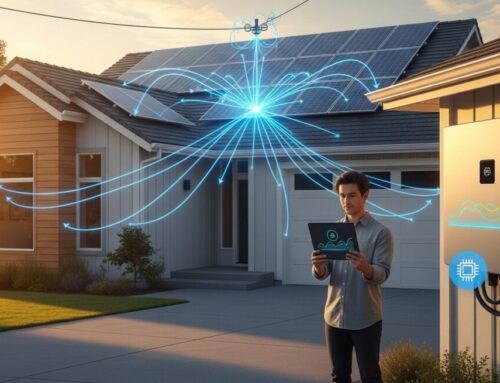
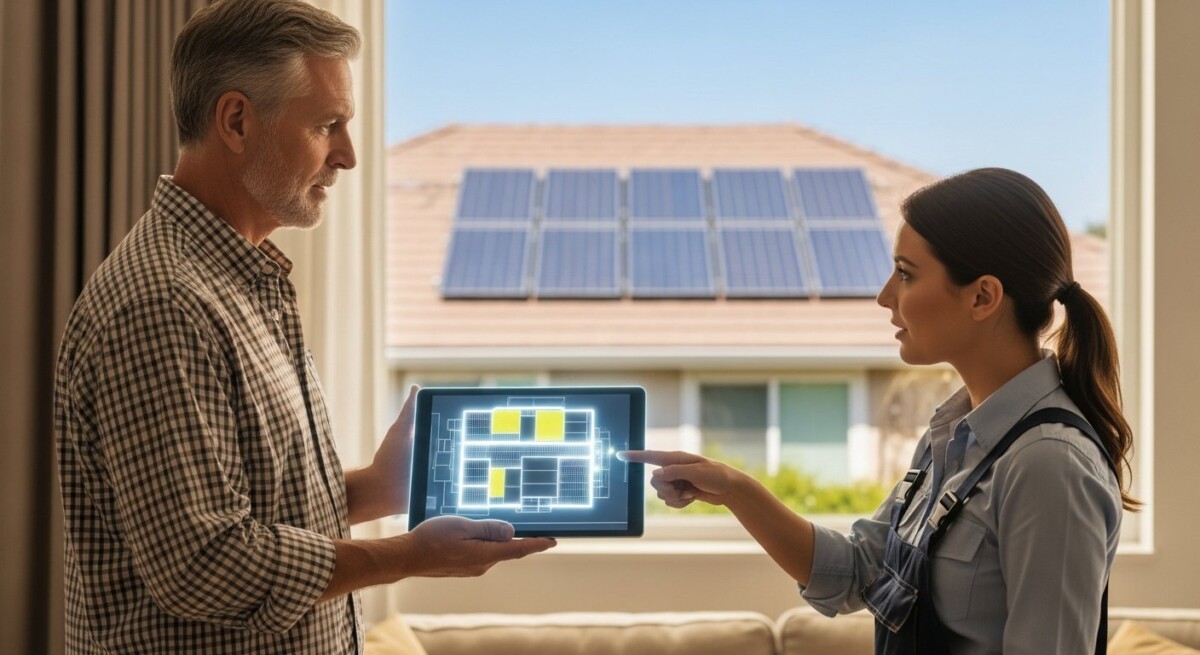
Artificial intelligence is quietly transforming how solar systems are designed, installed, and maintained. By using smart software to analyze your home’s unique energy patterns, shading, and roof layout, AI helps installers build a system that maximizes savings and minimizes upfront waste. For homeowners, this means a solar investment that pays for itself faster than ever before.
Understanding Can AI Reduce Solar Costs
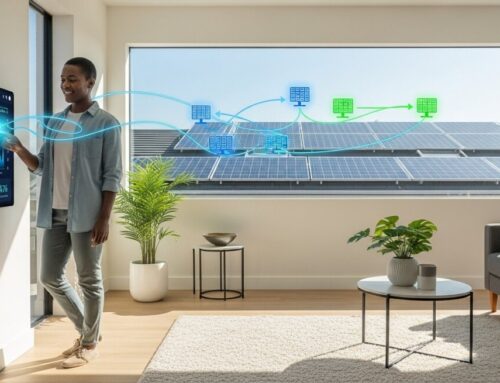
At its core, AI uses data and algorithms to make smarter decisions. In the solar industry, this technology processes thousands of variables,your local weather, your home’s energy usage, the angle of your roof, and even the price of electricity in your area,to design the most efficient system possible. Instead of relying on guesswork or one-size-fits-all estimates, AI creates a custom plan tailored to your home.
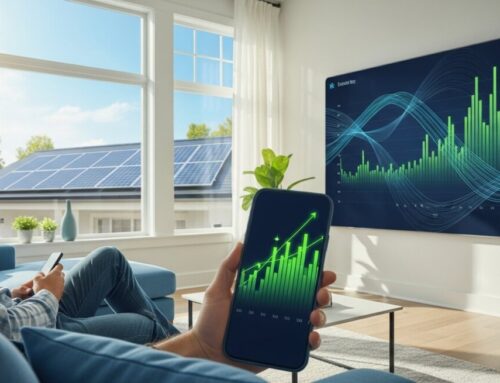
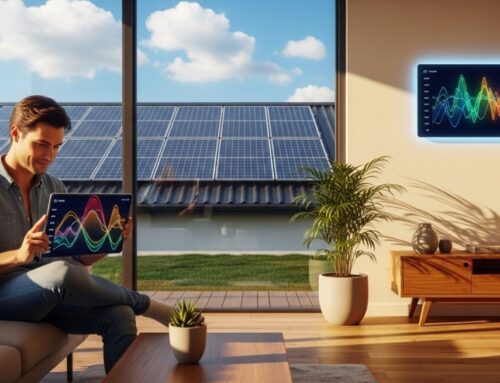
AI also helps reduce costs during the installation process itself. Software can predict the best panel placement to avoid shaded areas, which prevents wasted panels and labor. Over the system’s lifetime, AI-driven monitoring tools alert you and your installer to performance drops, allowing for quick fixes that keep your energy production high and your bills low.
How AI Improves Solar Quotes
When you request quotes from installers, AI-powered tools can compare equipment options and financing terms in seconds. This transparency helps you choose a system that fits your needs without overpaying. In our guide on how AI reduces solar costs for homeowners, we explore how this technology makes solar more accessible.
Why Solar Energy Is Becoming More Popular
Electricity rates have risen steadily over the past decade, and they show no signs of stopping. Homeowners are tired of unpredictable bills that climb higher each summer. Solar panels offer a way to lock in a lower, more predictable energy cost for 25 years or more.
Environmental concerns also play a major role. Many families want to reduce their carbon footprint and contribute to a cleaner planet. Solar energy produces no emissions, which aligns with the values of eco-conscious homeowners. Add the long-term financial savings to the mix, and it is easy to see why solar adoption is accelerating across the country.
If you are considering solar power for your home, comparing installation quotes can help you understand your options. Request a free solar quote or call to learn more.
Common Questions Homeowners Have About Solar
Many homeowners hesitate because they worry about the upfront cost. While solar panels require an initial investment, federal tax credits and local rebates can reduce that cost by 30% or more. Financing options also allow you to pay over time while still saving on your monthly bill.
Another frequent concern is roof suitability. Not every roof is ideal, but most can accommodate panels with the right mounting system. A professional assessment will check your roof’s age, material, and sun exposure to determine the best approach.
- How much will solar panels really save me each month?
- Will my roof need repairs before installation?
- How long will the installation take?
- What happens if my panels produce more energy than I use?
- Are there warranties for panels and inverters?
- Does solar work during cloudy or rainy weather?
How Solar Panel Installation Works
The process begins with a home energy assessment. An installer reviews your electricity bills and examines your roof’s condition and orientation. They use this information, often with AI-based software, to design a system that meets your specific needs.
After you approve the design, the installer handles permits and approvals from your local utility and government. This step ensures your system complies with all building codes and net metering policies. Once approved, the actual panel installation typically takes one to three days, followed by a final inspection and system activation.
- Home energy assessment and bill analysis
- Custom system design using AI optimization
- Permit applications and utility approvals
- Panel and inverter installation on your roof
- Final inspection and connection to the grid
Speaking with experienced installers can help you determine the best solar solution for your home. Compare solar quotes here or call to explore available options.
Signs Your Home May Be Ideal for Solar
Homes with south-facing roofs that receive direct sunlight for most of the day are prime candidates for solar. Even east- or west-facing roofs can work well if they are not heavily shaded by trees or nearby buildings. The more sunlight your roof captures, the more energy your panels produce.
High electricity bills are another strong indicator. If you pay more than $100 per month for electricity, solar panels can likely reduce those costs significantly. Homeowners who plan to stay in their home for at least five to seven years also benefit most from the long-term savings.
- Your roof gets at least 4,5 hours of direct sunlight daily
- Your monthly electricity bill is consistently high
- You have enough unshaded roof space (typically 300,500 square feet)
- You plan to stay in your home for several more years
- Your local utility offers net metering or solar incentives
What Affects Solar Installation Costs
The size of your system is the biggest cost factor. Larger homes with higher energy needs require more panels, which increases the upfront price. However, larger systems also produce more savings over time, so the return on investment often remains attractive.
Equipment quality matters too. Premium panels and inverters cost more but offer better efficiency and longer warranties. Installation complexity,such as a steep roof or complicated electrical panel,can add labor costs. Local incentives and federal tax credits can offset a substantial portion of the total price, making high-quality systems more affordable.
The cost of solar installation varies depending on your home and energy needs. Request personalized solar quotes or call to see what options are available.
Tips for Choosing a Reliable Solar Installer
Start by looking for installers with strong experience and positive reviews. A company that has been in business for several years is more likely to honor its warranties and provide reliable service. Check online ratings and ask for references from past customers.
Warranties are another critical factor. A good installer offers a workmanship warranty of at least 10 years, and the panel manufacturer should provide a performance warranty of 25 years. Comparing multiple quotes helps you see which company offers the best value, not just the lowest price.
- Verify the installer’s licenses and certifications
- Read customer reviews on independent platforms
- Ask about equipment brands and warranty terms
- Compare at least three detailed quotes before deciding
Long-Term Benefits of Installing Solar Panels
The most immediate benefit is lower electricity bills. Once your system is paid off, your energy costs drop dramatically for decades. Many homeowners save between $10,000 and $30,000 over the life of their solar system, depending on local rates and sunlight.
Solar panels also increase your home’s resale value. Studies show that homes with solar sell for a premium compared to similar homes without it. Beyond financial gains, you gain energy independence and the satisfaction of reducing your environmental impact. For a deeper look at how this technology works for your specific situation, read our article on whether AI can reduce solar costs for your home.
How much can I save by switching to solar?
Savings depend on your location, energy usage, and system size. Most homeowners reduce their electricity bills by 50,90% after installing solar. Over 20 years, typical savings range from $10,000 to $30,000, especially when you factor in federal tax credits and local incentives.
Will solar panels work on my roof if it is old?
If your roof needs replacement within the next few years, it is wise to replace it before installing panels. Most installers recommend a roof that will last at least 10,15 more years. They can assess your roof’s condition during the free consultation.
Do I need to clean my solar panels regularly?
Rain usually keeps panels clean enough to produce efficiently. In dry or dusty areas, occasional cleaning may boost performance. Your installer or a professional service can handle this if needed. Most systems require minimal maintenance beyond occasional inspections.
What happens to solar panels during a power outage?
Standard grid-tied solar systems shut down during outages to protect utility workers. If you want backup power, you can add a battery system. Batteries store excess energy for use during outages, providing energy independence even when the grid goes down.
Are there government incentives for solar in 2025?
Yes, the federal solar investment tax credit (ITC) allows you to deduct 30% of your system cost from your federal taxes. Many states and utilities offer additional rebates, performance payments, or net metering programs. These incentives significantly lower your upfront cost.
How long does it take for solar panels to pay for themselves?
The payback period typically ranges from 6 to 10 years, depending on your electricity rates and available incentives. After that point, your electricity is essentially free for the remaining 15,20 years of the system’s lifespan.
Can I install solar panels myself to save money?
DIY solar installation is possible but risky. Mistakes can lead to electrical hazards, roof leaks, and voided warranties. Professional installers ensure safety, handle permits, and maximize system performance. The long-term savings from a properly installed system usually outweigh the upfront cost of hiring a pro.
Solar energy is no longer a distant dream for homeowners. With advances in AI and falling equipment costs, solar is more affordable and efficient than ever. By comparing quotes from trusted installers, you can find a system that fits your budget and starts saving you money from day one. Get free solar quotes today or call to begin your journey toward lower energy bills and a greener home.