Can AI Reduce Solar Costs for Your Home?
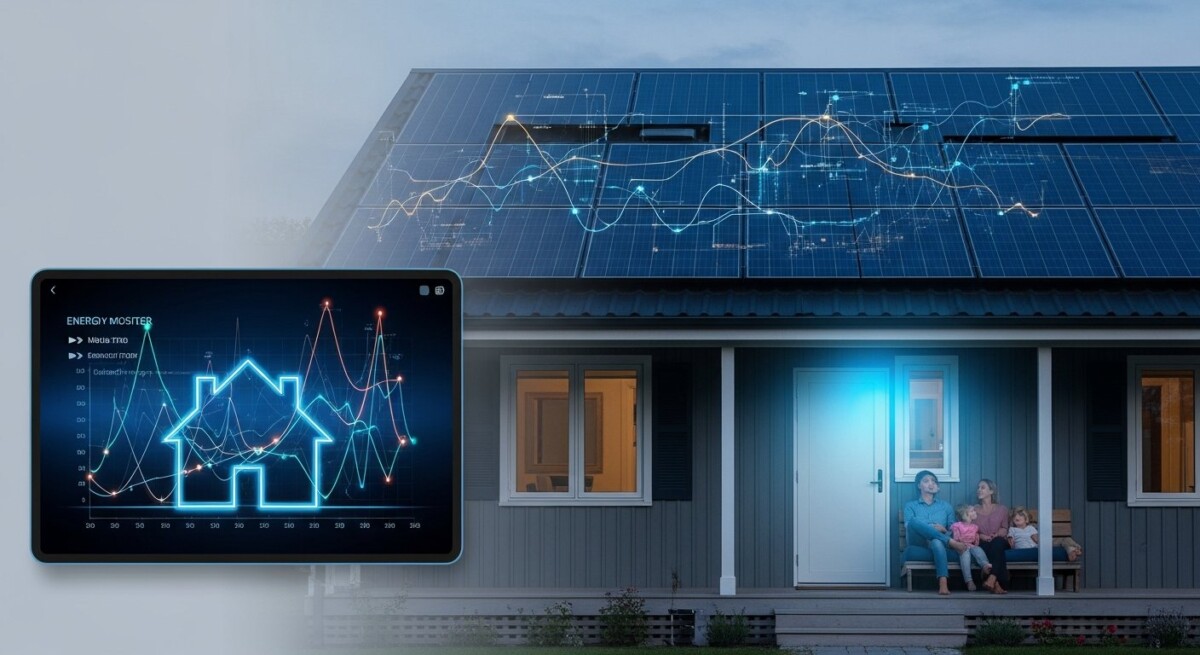
Your monthly electricity bill keeps climbing. You may have wondered if there is a way to cut those costs while helping the environment. That is why many homeowners now search for answers to the question: can AI reduce solar costs? The idea of reducing energy bills and becoming less dependent on the power grid is more appealing than ever. Artificial intelligence is quietly transforming how solar systems are designed, installed, and monitored,making solar power more affordable for everyday families.
Understanding Can AI Reduce Solar Costs
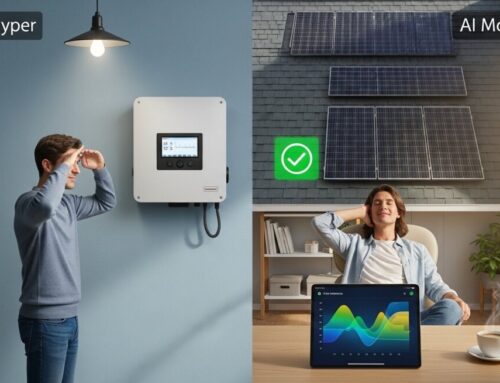
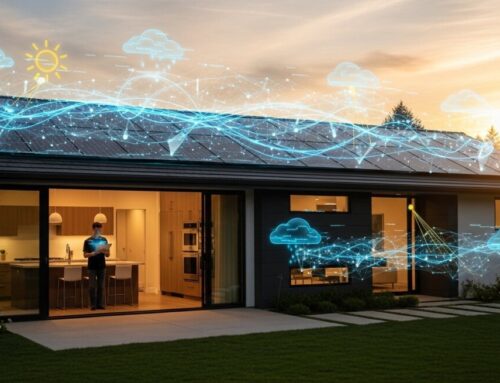
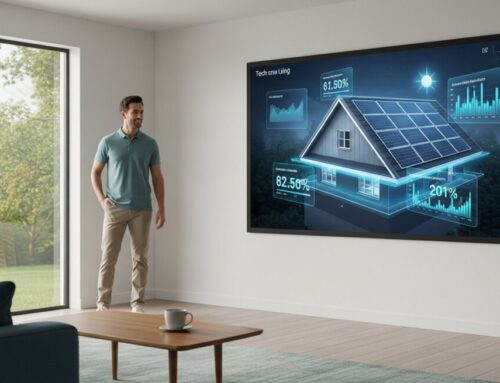
Artificial intelligence, or AI, refers to computer systems that can learn from data and make decisions. In the solar industry, AI helps analyze your home’s energy usage, roof layout, and local weather patterns. This technology then recommends the most efficient solar panel setup for your specific situation.
By using AI, solar companies can design systems that produce more energy with fewer panels. This reduces equipment costs and installation time. More homeowners are considering AI-driven solar because it maximizes savings while minimizing guesswork. In our guide on improving solar panel efficiency for homeowners, we explain how these smart tools optimize panel placement and energy output.
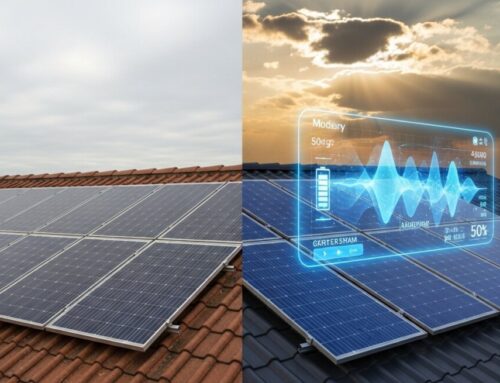
AI also helps predict how much electricity your system will generate over the years. This accuracy gives you confidence that your investment will pay off. As the technology improves, the cost of solar continues to drop.
Why Solar Energy Is Becoming More Popular
Electricity rates have risen sharply over the past decade. Many homeowners feel the pinch each month and look for ways to lock in lower, predictable energy costs. Solar power offers a way to generate your own electricity and shield yourself from future rate hikes.
Environmental concerns also drive interest in solar. People want to reduce their carbon footprint and support cleaner air. Solar panels produce electricity without burning fossil fuels, which helps fight climate change.
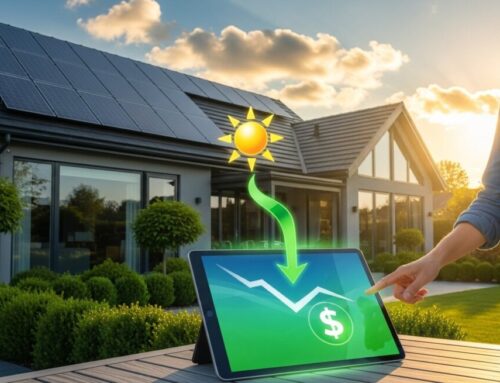
Long-term savings remain the biggest motivator. While solar panels require an upfront investment, they can save you tens of thousands of dollars over their 25-year lifespan. Many homeowners also qualify for federal tax credits and local rebates that lower the initial cost.
If you are considering solar power for your home, comparing installation quotes can help you understand your options. Request a free solar quote or call to learn more.
Common Questions Homeowners Have About Solar
Before installing solar panels, most homeowners have practical concerns. One of the biggest is the upfront cost. While a typical system can cost $15,000 to $25,000 before incentives, financing options and tax credits make it more manageable.
Another common question is whether your roof can support solar panels. Roof age, material, and shading all affect suitability. A professional installer will assess your roof during a free consultation.
Performance in different weather also worries homeowners. Solar panels still generate electricity on cloudy days, just at a reduced rate. Modern systems are designed to work efficiently even in less-than-ideal conditions.
- How much does a solar system cost after incentives?
- Will solar panels work on my roof type?
- How long does installation take?
- What happens during a power outage?
- Do I need to clean my panels often?
- How long do solar panels last?
How Solar Panel Installation Works
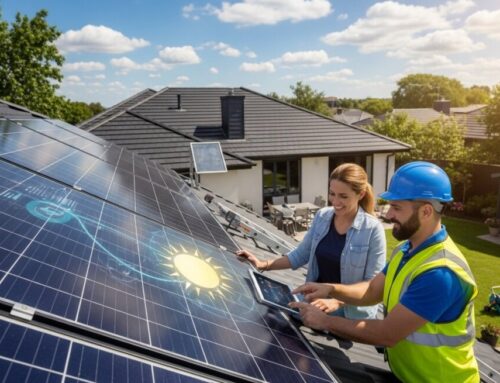
The installation process follows a clear series of steps. It begins with a home energy assessment, where an installer reviews your electricity bills and examines your roof. This helps determine the right system size for your needs.
After the assessment, the installer designs a custom system using software that often includes AI tools. They then handle permits and approvals from your local utility and city government. Once those are in place, the physical installation usually takes one to three days.
- Home energy assessment and roof inspection
- System design and equipment selection
- Permits and approvals from local authorities
- Panel and inverter installation on your roof
- System activation and connection to the grid
Speaking with experienced installers can help you determine the best solar solution for your home. Compare solar quotes here or call to explore available options.
Signs Your Home May Be Ideal for Solar
Not every home is perfectly suited for solar panels, but many are. The most important factor is sunlight exposure. Homes with south-facing roofs that receive direct sunlight for most of the day generate the most electricity.
High electricity bills are another strong indicator. If you pay more than $100 per month, solar can likely save you money. A suitable roof with at least 300 square feet of unshaded space is also helpful.
- Your roof faces south, west, or east with minimal shade
- Your monthly electricity bill is consistently high
- Your roof is less than 10 years old and in good condition
- You plan to stay in your home for at least 5,7 years
- Your local utility offers net metering or solar incentives
What Affects Solar Installation Costs
The cost of a solar system depends on several factors. System size is the biggest driver,larger systems cost more but also save more money over time. Equipment quality also matters, as premium panels and inverters tend to be more efficient and durable.
Installation complexity can raise costs if your roof is steep, has multiple angles, or requires electrical upgrades. Local incentives, such as state rebates or federal tax credits, can significantly reduce the final price. In our article on AI solar energy for industrial use, you can see how similar principles apply to commercial projects.
The cost of solar installation varies depending on your home and energy needs. Request personalized solar quotes or call to see what options are available.
Tips for Choosing a Reliable Solar Installer
Finding a trustworthy installer is just as important as choosing the right equipment. Start by reviewing each company’s experience and certifications. Look for installers who are licensed, insured, and have a proven track record.
Warranties are another critical factor. A good installer offers workmanship warranties of at least 10 years and helps you understand the manufacturer warranties on panels and inverters. Reading customer reviews on platforms like Google or the Better Business Bureau can reveal how responsive and professional a company is.
- Verify the installer’s licenses and insurance coverage
- Ask about workmanship and equipment warranties
- Read recent customer reviews and testimonials
- Compare at least three quotes before deciding
- Check if the installer offers monitoring and maintenance services
Long-Term Benefits of Installing Solar Panels
Over time, solar panels provide substantial financial rewards. Most homeowners see their electricity bills drop by 50,90% immediately after installation. Over 25 years, total savings can reach $20,000 to $50,000 depending on local electricity rates.
Solar panels also increase your home’s resale value. Studies show that homes with solar sell for about 4% more than comparable homes without it. Buyers are attracted to the promise of lower utility costs and energy independence.
Beyond financial gains, solar reduces your environmental impact. A typical residential system offsets roughly 3,4 tons of carbon dioxide each year. You also gain peace of mind knowing you are less vulnerable to grid outages and rising energy prices.
Frequently Asked Questions
How does AI help lower the cost of solar panels?
AI analyzes your home’s energy usage, roof shape, and sunlight patterns to design a system that uses fewer panels while producing maximum power. This reduces equipment and labor costs, making solar more affordable.
Can solar panels completely eliminate my electricity bill?
In many cases, solar panels can cover most or all of your electricity needs. However, you may still pay a small monthly connection fee to your utility. With net metering, you can earn credits for excess power you send to the grid.
How long does it take for solar panels to pay for themselves?
The average payback period is 6 to 10 years, depending on your electricity rates, system cost, and available incentives. After that, the electricity your panels produce is essentially free.
Do I need a battery with my solar panels?
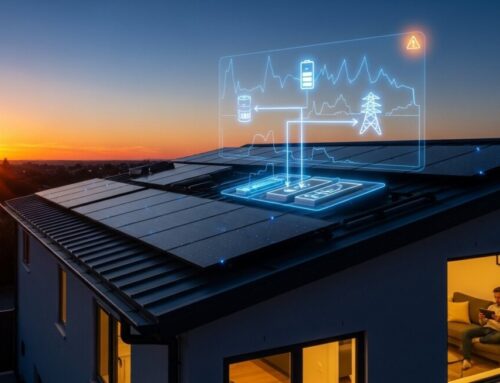
Batteries are optional but useful if you want backup power during outages or want to store excess energy for nighttime use. They add to the upfront cost but increase energy independence.
What maintenance do solar panels require?
Solar panels need very little maintenance. Occasional cleaning to remove dust or leaves and annual inspections by a professional keep them running efficiently. Most systems come with monitoring software to alert you of issues.
Will solar panels work during a power outage?
Standard grid-tied solar systems shut down during outages for safety. If you have a battery backup system, you can continue to power essential appliances even when the grid is down.
Are there government incentives for installing solar in 2025?
Yes, the federal solar tax credit allows you to deduct 30% of your system cost from your federal taxes. Many states and utilities also offer additional rebates or performance-based incentives.
How do I know if my roof is suitable for solar?
A professional installer will inspect your roof’s age, material, angle, and shading. Generally, roofs that face south or west with little shade and at least 15 years of remaining life are good candidates.
Solar energy is a smart, long-term investment that can lower your bills, increase your home’s value, and reduce your carbon footprint. By comparing multiple installation quotes, you can find the right system and price for your home. Request free solar quotes today to start your journey toward energy savings and independence.