What Determines Solar Output for Maximum Home Savings
Your monthly electricity bill keeps climbing. You have probably wondered if there is a way to take control of those costs. That is why more homeowners are searching for what determines solar output before they invest in panels. Understanding this concept helps you choose a system that lowers your energy bills and reduces your dependence on the power grid.
Understanding What Determines Solar Output
Solar output refers to the amount of electricity your solar panels produce. It is measured in kilowatt-hours (kWh), which is the same unit your utility company uses on your bill. The more kWh your system generates, the more money you save each month.
Several factors work together to determine solar output. Sunlight intensity, panel efficiency, roof orientation, shading, and local climate all play a role. A professional installer evaluates these variables to design a system that meets your specific energy needs.
How Panels Turn Sunlight Into Electricity
Solar panels contain photovoltaic cells that convert sunlight into direct current (DC) electricity. An inverter then changes that DC power into alternating current (AC), which your home can use. The efficiency of this conversion directly affects your system’s total output.
Higher-efficiency panels produce more electricity in the same amount of space. This matters most if your roof has limited area or partial shading. Modern panels typically convert 18 to 22 percent of sunlight into usable energy.
Why Solar Energy Is Becoming More Popular
Electricity rates have risen steadily over the past decade. Homeowners are looking for ways to lock in predictable energy costs rather than facing annual price hikes. Solar power offers a way to generate your own electricity and reduce reliance on the grid.
Environmental concerns also drive interest in solar. Generating electricity from sunlight produces no carbon emissions, which helps reduce your household’s environmental footprint. Many homeowners feel good about contributing to a cleaner energy future.
Long-term savings are another major motivator. While solar panels require an upfront investment, they typically pay for themselves through lower utility bills within six to ten years. After that, the electricity they produce is essentially free.
If you are considering solar power for your home, comparing installation quotes can help you understand your options. Request a free solar quote or call to learn more.
Common Questions Homeowners Have About Solar
Many homeowners worry about the upfront installation cost. The price of a residential solar system has dropped significantly over the past decade, and federal tax credits can reduce your net cost by 30 percent. Financing options also make solar accessible without paying the full amount upfront.
Roof suitability is another frequent concern. Solar panels work best on roofs that face south or west with minimal shade. However, experienced installers can often find creative solutions for less-than-ideal roofs, including ground-mounted systems.
System performance in cloudy or cold weather surprises many homeowners. Solar panels actually operate more efficiently in cooler temperatures. While cloudy days reduce output, modern panels still generate usable electricity even when the sun is not shining directly.
- How much will solar panels save me each month?
- Will solar work during a power outage?
- How long do solar panels last?
- Do I need a battery with my solar system?
- What happens if I move after installing solar?
- How does net metering affect my savings?
How Solar Panel Installation Works
Installing solar panels is a straightforward process when handled by experienced professionals. The first step is a home energy assessment to review your electricity usage and roof characteristics. This analysis helps determine the ideal system size for your needs.
After the assessment, your installer designs a custom system and handles all necessary permits and approvals. Many homeowners appreciate that they do not have to navigate local building codes or utility paperwork on their own. The actual installation typically takes one to three days.
- Home energy assessment and usage analysis
- System design tailored to your roof and energy goals
- Permit applications and utility interconnection approval
- Panel mounting, wiring, and inverter installation
- Final inspection and system activation
Speaking with experienced installers can help you determine the best solar solution for your home. Compare solar quotes here or call to explore available options.
Signs Your Home May Be Ideal for Solar
Not every home is equally suited for solar panels, but many are better candidates than homeowners realize. Strong sunlight exposure is the most important factor. Homes in sunny regions naturally produce more solar output and achieve faster payback periods.
High electricity bills also indicate good solar potential. If you pay more than $100 per month for electricity, solar panels can likely reduce those costs significantly. A professional installer can calculate your projected savings with reasonable accuracy.
- Your roof faces south or west with good sun exposure
- You pay high electricity rates in your area
- Your roof has at least 300 square feet of usable space
- You plan to stay in your home for at least five more years
- Your roof is less than 15 years old and in good condition
- Your local utility offers net metering or other incentives
What Affects Solar Installation Costs
System size is the primary cost driver. Larger systems that produce more electricity cost more upfront but also deliver greater long-term savings. Your installer will recommend a size based on your average energy consumption and available roof space.
Equipment quality also influences price. Premium panels and inverters cost more but often come with longer warranties and higher efficiency. Budget-friendly options can still provide solid performance and savings.
Installation complexity affects labor costs. Simple roof layouts with easy access cost less to install than complex roofs with multiple angles, skylights, or steep pitches. Local incentives and tax credits can significantly reduce your net cost.
The cost of solar installation varies depending on your home and energy needs. Request personalized solar quotes or call to see what options are available.
Tips for Choosing a Reliable Solar Installer
Finding a trustworthy installer is just as important as choosing quality equipment. A reputable company will conduct a thorough site assessment and explain how your specific roof conditions affect solar output. They should also help you understand available incentives and financing.
Always check that your installer holds proper licensing and insurance. Ask about the warranties they offer on both equipment and workmanship. A good installer stands behind their work and provides ongoing support after installation.
- Review the installer’s experience and years in business
- Check equipment and workmanship warranty terms
- Read customer reviews on multiple platforms
- Compare at least three quotes before deciding
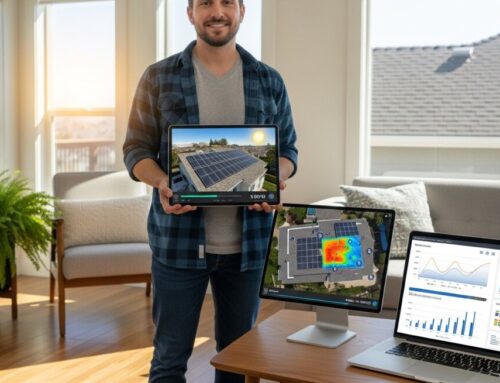
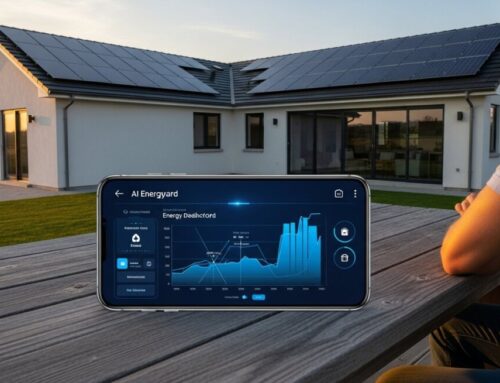
- Ask about monitoring tools to track your system’s solar output
- Confirm they handle permits and utility paperwork
Long-Term Benefits of Installing Solar Panels
The most immediate benefit is lower electricity bills. Once your system is operational, you generate your own power and buy less from the utility. Over 20 years, those savings can total tens of thousands of dollars, depending on your local electricity rates.
Solar panels also increase your home’s resale value. Studies show that homes with solar panels sell for a premium compared to similar homes without them. Buyers recognize the value of lower utility costs and energy independence.
Reducing your environmental impact is another meaningful benefit. A typical residential solar system offsets roughly three to four tons of carbon emissions each year. That is equivalent to planting more than 100 trees annually.
Frequently Asked Questions
How much can I save on electricity bills with solar panels?
Most homeowners save between $600 and $2,000 per year depending on system size, local electricity rates, and sunlight exposure. Your actual savings depend on how much of your electricity the system covers and whether your utility offers net metering. A professional installer can provide a personalized savings estimate.
What is the average payback period for a solar system?
The typical payback period ranges from six to ten years. This means your monthly savings will equal your upfront investment within that timeframe. After the payback period, the electricity your panels produce is essentially free for the remaining life of the system.
Do solar panels work on cloudy days?
Yes, solar panels still generate electricity on cloudy days, though at reduced output. Modern panels can capture diffuse sunlight that passes through clouds. Your system will produce less power on overcast days but will still contribute to your energy needs.
How long do solar panels last?
Most solar panels come with performance warranties lasting 25 to 30 years. Panels typically continue producing electricity beyond that warranty period, though at slightly reduced efficiency. Many systems still generate 80 to 85 percent of their original output after 25 years.
What government incentives are available for solar?
The federal Investment Tax Credit (ITC) allows you to deduct 30 percent of your solar installation cost from your federal taxes. Many states and local utilities offer additional rebates, tax credits, or performance-based incentives. Your installer can help you identify all available incentives in your area.
Will solar panels work during a power outage?
Standard grid-tied solar systems shut down during outages for safety reasons. If you want backup power during outages, you need a battery storage system. Batteries store excess solar energy for use when the grid goes down.
How much roof space do I need for solar panels?
A typical 6-kilowatt system requires about 300 to 400 square feet of roof space. Your installer will measure your available roof area during the assessment. If your roof lacks sufficient space, ground-mounted systems are also an option.
What maintenance do solar panels require?
Solar panels require very little maintenance. Rain typically washes away dust and debris. You may need occasional cleaning in dry or dusty climates. Most systems include monitoring software that alerts you if output drops unexpectedly.
Understanding what determines solar output helps you make an informed decision about going solar. The right system can lower your electricity bills, increase your home value, and reduce your environmental footprint. The best way to find the ideal setup for your home is to compare quotes from multiple installers. Take the first step today and explore your solar options with confidence.