AI Solar System Comparison: Maximize Your Home Savings
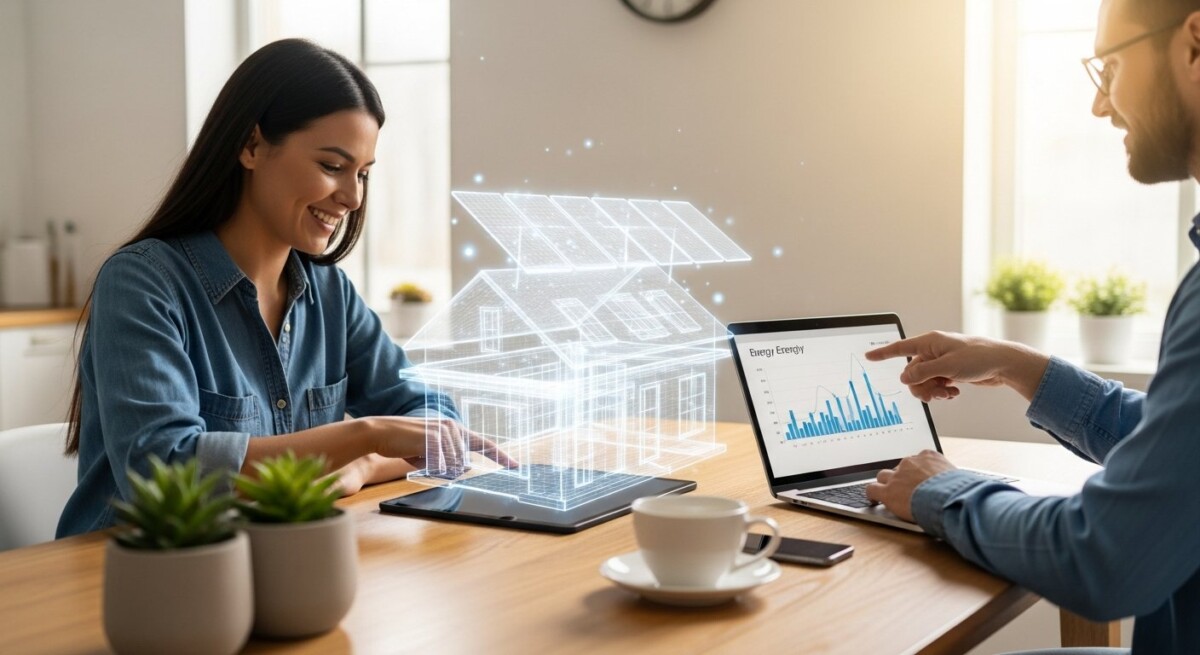
You open your monthly electricity bill and feel a familiar sting. Rates keep climbing, and it seems like there is no end in sight. This frustration leads many homeowners to search for an ai solar system comparison to find a smarter way to power their homes. You want lower bills, less reliance on the grid, and a solution that feels tailored to your unique situation. The good news is that modern technology now makes comparing solar options simpler and more accurate than ever before.
Understanding ai solar system comparison
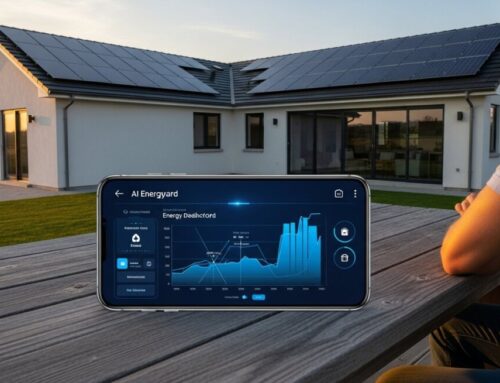
An ai solar system comparison uses artificial intelligence to analyze your home’s energy usage, roof layout, and local sunlight patterns. Instead of guessing which panel size or brand might work best, the AI processes real data to match you with the most efficient and cost-effective system. This removes much of the guesswork and helps you avoid overpaying for equipment you do not need.
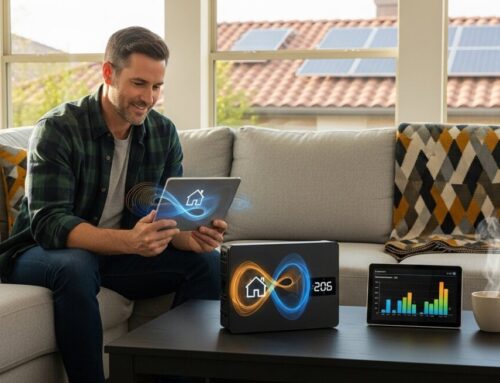
Homeowners are turning to this approach because it saves time and delivers personalized results. Rather than wading through dozens of confusing specifications, you receive clear recommendations based on your actual needs. The AI can factor in your electricity rates, available roof space, and even local weather trends to propose a system that maximizes long-term savings.
How AI technology improves solar quotes
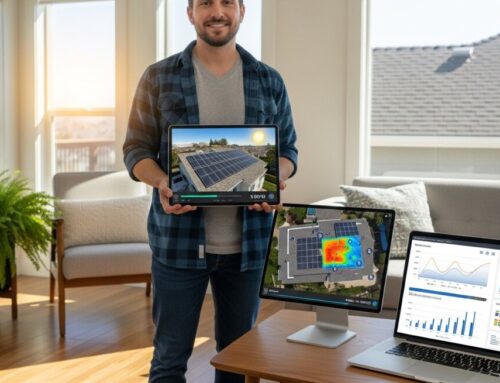
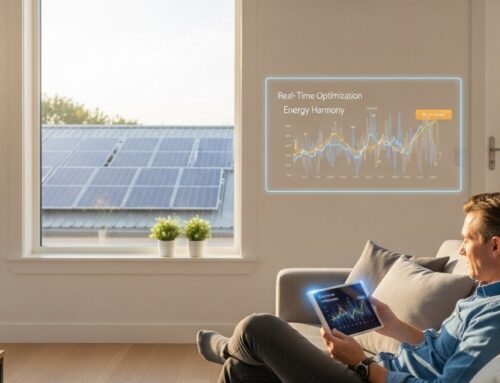
Traditional solar quotes often rely on rough estimates and generic assumptions. An AI-powered comparison tool, by contrast, uses satellite imagery and machine learning to create a detailed model of your property. It can predict how much energy each panel will produce on a typical sunny day versus a cloudy one. This level of detail helps you compare offers with confidence and choose a system that truly fits your home.
Why Solar Energy Is Becoming More Popular
Electricity prices have risen sharply over the past decade, and experts expect them to keep climbing. Homeowners are looking for ways to lock in lower, predictable energy costs. Solar power offers a way to generate your own electricity and reduce dependence on utility companies. Many families see it as a practical hedge against future rate hikes.
Environmental concerns also play a big role. People want to reduce their carbon footprint without sacrificing comfort or convenience. Solar panels produce clean energy and can cut a household’s greenhouse gas emissions significantly. Beyond the environmental benefit, the financial case is strong: solar systems often pay for themselves within 6 to 10 years and continue saving money for decades.
If you are considering solar power for your home, comparing installation quotes can help you understand your options. Request a free solar quote or call to learn more.
Common Questions Homeowners Have About Solar
Many homeowners share similar concerns when they start researching solar. The upfront cost is often the biggest question. While solar panels require an initial investment, federal tax credits and local rebates can reduce the price by 30 percent or more. Financing options, including solar loans and leases, make installation accessible for most budgets.
Roof suitability is another frequent worry. Not every roof is ideal, but most homes with a south- or west-facing slope receive enough sunlight to generate meaningful savings. Shading from trees or nearby buildings can reduce output, but installers can assess your specific situation during a site visit.
- How much does a typical solar system cost after incentives?
- Will solar panels work during cloudy days or winter months?
- How long do solar panels last, and what maintenance do they require?
- Does installing solar increase my home’s resale value?
- What happens if I move before the system is paid off?
- Are there warranties that cover panels and installation?
How Solar Panel Installation Works
Installing solar panels is a straightforward process when you work with a professional team. The first step is a home energy assessment, where an installer reviews your electricity bills and inspects your roof. This data helps them design a system that matches your energy usage and physical space.
Once the design is complete, the installer handles permits and approvals with your local government and utility company. This step ensures the system meets building codes and qualifies for net metering programs. After permits are secured, the actual installation usually takes one to three days. Finally, a utility inspector approves the connection, and your system is activated.
- Home energy assessment to review usage and roof condition
- Custom system design tailored to your home
- Permit applications and utility approvals
- Panel mounting, wiring, and inverter installation
- Final inspection and system activation
Speaking with experienced installers can help you determine the best solar solution for your home. Compare solar quotes here or call to explore available options.
Signs Your Home May Be Ideal for Solar
Certain features make a home especially well-suited for solar panels. Strong, direct sunlight for most of the day is the most important factor. Homes with unobstructed roofs that face south or west typically produce the most energy. If your roof is shaded by tall trees or neighboring buildings, you may still benefit from solar, but the savings could be lower.
High electricity bills are another clear sign. If your monthly energy costs are above average, solar can deliver substantial savings. Also, if you plan to stay in your home for several more years, the long-term financial return becomes even more attractive. Solar panels add value to your property and can make it more appealing to future buyers.
- Your roof receives at least 4,5 hours of direct sunlight daily
- Your electricity bills are consistently high
- You have adequate roof space with minimal shading
- You plan to remain in your home for 5 years or more
- Your roof is in good condition and less than 15 years old
What Affects Solar Installation Costs
The total cost of a solar system depends on several variables. System size, measured in kilowatts, is the primary driver. Larger homes with higher energy consumption need bigger systems, which cost more upfront. However, the per-watt price often decreases with larger installations, improving overall value.
Equipment quality also plays a role. Premium panels and inverters tend to be more efficient and come with longer warranties. Installation complexity, such as roof pitch or the need for electrical upgrades, can add to the labor cost. Finally, local incentives and net metering policies vary by state and utility, directly affecting your net investment.
The cost of solar installation varies depending on your home and energy needs. Request personalized solar quotes or call to see what options are available.
Tips for Choosing a Reliable Solar Installer
Selecting the right installer is just as important as choosing the right equipment. Look for companies with a proven track record and positive customer reviews. Experienced installers understand local permitting requirements and can help you navigate available incentives. They also provide accurate timelines and clear contracts.
Warranties are a key indicator of quality. Reputable installers offer workmanship warranties covering their installation for at least 10 years. Panel manufacturers typically guarantee performance for 25 years. Before signing, ask about what is covered and for how long. Comparing multiple quotes gives you leverage and helps you spot unusually low or high offers.
- Check the installer’s licensing, insurance, and certifications
- Read recent customer reviews on independent platforms
- Request at least three detailed quotes for comparison
- Ask about equipment brands and warranty coverage
- Confirm that the installer handles permits and inspections
Long-Term Benefits of Installing Solar Panels
Once your solar system is operational, the financial benefits begin immediately. Your monthly electricity bills drop, often by 50 to 90 percent depending on system size and local rates. Over 20 years, these savings can total tens of thousands of dollars. Many homeowners find that their system pays for itself well before the warranty expires.
Beyond direct savings, solar panels increase your home’s market value. Studies show that homes with solar sell for a premium compared to similar homes without it. You also gain energy independence, protecting yourself from volatile utility rates. And by generating clean electricity, you reduce your household’s environmental impact without changing your lifestyle.
Frequently Asked Questions
How does an AI solar system comparison help me save money?
An AI comparison tool analyzes your energy usage and roof data to recommend the most efficient system for your home. This prevents you from overpaying for unnecessary equipment and helps you choose a system that maximizes your electricity bill savings. The result is a tailored solution that delivers the best return on investment.
Do I need a south-facing roof for solar panels?
South-facing roofs produce the most energy, but east- and west-facing roofs also work well. Solar panels can still generate significant power even if your roof faces a different direction. An AI solar system comparison can calculate the expected output for your specific roof orientation and shading.
How long does it take to recoup the cost of solar panels?
Most homeowners recover their initial investment within 6 to 10 years through lower electricity bills. The exact payback period depends on your system cost, energy usage, local electricity rates, and available incentives. Federal tax credits and state rebates can shorten this timeline significantly.
Will solar panels work during a power outage?
Standard grid-tied solar systems shut down during outages for safety reasons. If you want backup power, you need a battery storage system. Batteries store excess energy during the day and supply power when the grid goes down. An AI comparison tool can help you decide whether adding a battery is worth the extra cost.
What maintenance do solar panels require?
Solar panels require very little maintenance. Rain usually washes away dust and debris. You should inspect them once or twice a year and clean them if they become visibly dirty. Most panels come with 25-year performance warranties, and inverters typically last 10 to 15 years before needing replacement.
Can I install solar panels myself to save money?
DIY installation is possible but not recommended for most homeowners. Professional installers handle permits, electrical work, and roof mounting safely. Mistakes can void warranties, reduce efficiency, or create safety hazards. Using an AI solar system comparison to find a qualified installer often leads to better long-term savings than attempting a DIY project.
How do government incentives reduce solar costs?
The federal Investment Tax Credit (ITC) allows you to deduct 30 percent of your solar installation cost from your federal taxes. Many states and utilities offer additional rebates, performance payments, or net metering credits. These incentives can reduce your upfront cost by thousands of dollars. An AI comparison tool can factor in local incentives when estimating your total investment.
What size solar system do I need for my home?
The right size depends on your average electricity consumption, roof space, and budget. A typical home needs a system between 5 and 10 kilowatts. An AI solar system comparison uses your actual utility bills to calculate the ideal size, ensuring you generate enough power without overspending on extra capacity.
Exploring solar energy is a practical step toward lower bills, greater energy independence, and a cleaner environment. By using an ai solar system comparison to evaluate your options, you can find a solution tailored to your home and budget. Start by comparing quotes from trusted installers to see how much you could save.