AI Solar Analytics Explained: Unlock Big Energy Savings
You open your monthly electricity bill and feel that familiar sting. Prices keep climbing, and you wonder if there is a way to take control. That is why more homeowners are searching for ai solar analytics explained ,a smart technology that helps you understand exactly what solar can do for your home. The goal is simple: reduce your energy bills and become less dependent on the power grid.
Artificial intelligence is changing how we think about solar energy. Instead of guessing whether panels will work on your roof, AI analyzes your home’s unique energy patterns and local weather data. In our guide on Solar Analytics Platforms: Save Money With Smart Energy Data, we explain how this technology predicts your savings with remarkable accuracy. For homeowners, this means no more surprises,just clear, trustworthy numbers.
Understanding ai solar analytics explained
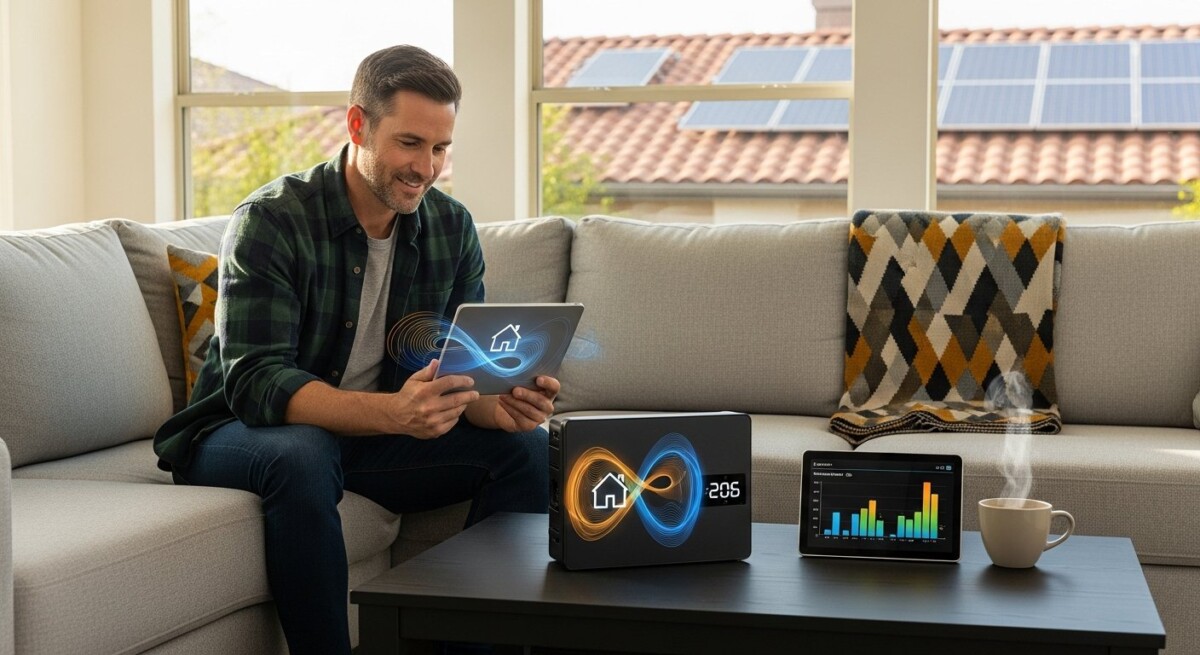
AI solar analytics is a tool that uses machine learning to evaluate your home’s solar potential. It looks at your past electricity usage, roof size and angle, shading from trees or buildings, and local weather patterns. The system then creates a personalized forecast of how much energy solar panels would generate and how much money you would save.
Think of it as a smart assistant that does the heavy math for you. Instead of spending hours researching panels and calculators, AI gives you a clear picture in minutes. This helps you make an informed decision without the guesswork.
Why AI matters for solar decisions
Traditional solar quotes often rely on rough estimates. AI refines those estimates by analyzing real-time data and historical trends. It can even simulate how your system will perform across different seasons. This means you get a more accurate understanding of long-term savings and system performance.
For many homeowners, this technology removes the fear of making a costly mistake. You can see exactly what you will save before you commit to installation. That peace of mind is one reason AI-powered tools are becoming standard in the solar industry.
Why Solar Energy Is Becoming More Popular
Electricity rates have risen steadily over the past decade, and many homeowners feel the pinch. Solar power offers a way to lock in lower energy costs and protect yourself from future price hikes. At the same time, growing awareness of climate change pushes people toward cleaner energy sources.
Solar panels also add value to your home. Studies show that homes with solar systems sell faster and at higher prices than those without. Combine that with federal tax credits and state rebates, and the financial case for solar becomes even stronger.
If you are considering solar power for your home, comparing installation quotes can help you understand your options. Request a free solar quote or call to learn more.
Common Questions Homeowners Have About Solar
Many people hesitate to go solar because they worry about upfront costs. The good news is that prices have dropped significantly in recent years, and financing options make solar accessible to more households. Another common concern is whether your roof can support panels. Most asphalt, tile, or metal roofs in good condition work fine.
Homeowners also ask about system performance on cloudy days. Solar panels still generate electricity in indirect sunlight, though at a reduced rate. Modern systems are designed to maximize energy capture even in less-than-ideal conditions.
- How much does a typical solar system cost?
- Will solar panels work on my type of roof?
- What happens during a power outage?
- How long do solar panels last?
- Do I need to clean my panels regularly?
- What warranties come with solar equipment?
How Solar Panel Installation Works
The process starts with a home energy assessment. A professional installer reviews your electricity bills and inspects your roof to determine the best system size. Next, they design a custom solar array that fits your home’s layout and energy needs.
After the design is complete, the installer handles permits and approvals from your local utility and government. This step ensures your system meets all safety and code requirements. Once approved, the actual installation usually takes one to three days.
- Schedule a home energy assessment.
- Receive a custom system design and quote.
- Obtain permits and utility approvals.
- Install solar panels and inverter equipment.
- Connect the system to the grid and activate it.
Speaking with experienced installers can help you determine the best solar solution for your home. Compare solar quotes here or call to explore available options.
Signs Your Home May Be Ideal for Solar
Not every home is a perfect candidate, but many are. A south-facing roof with minimal shade from trees or chimneys is ideal. If your roof gets at least four to five hours of direct sunlight per day, you are in a good position.
Another strong indicator is high electricity bills. The more you spend on power now, the more you stand to save with solar. If you plan to stay in your home for five years or more, the financial returns become even more attractive.
- Your roof receives strong sunlight for most of the day.
- Your monthly electricity bills are consistently high.
- You have enough roof space for the panels you need.
- You plan to stay in your home long term.
- Your local utility offers net metering or other incentives.
- Your roof is in good condition and less than 15 years old.
What Affects Solar Installation Costs
System size is the biggest factor. A larger system that powers your entire home costs more upfront but delivers greater long-term savings. Equipment quality also matters,premium panels and inverters tend to perform better and last longer.
Installation complexity can drive up costs. A simple roof with easy access costs less to install than a complex roof with multiple angles or obstructions. Local incentives and rebates can lower your net cost significantly, so it pays to research what is available in your area.
The cost of solar installation varies depending on your home and energy needs. Request personalized solar quotes or call to see what options are available.
Tips for Choosing a Reliable Solar Installer
Choosing the right installer is just as important as choosing the right equipment. Look for companies with a strong track record and positive customer reviews. A good installer will walk you through every step and answer your questions clearly.
Always check that the installer is licensed and insured. Ask about the warranties they offer on both equipment and workmanship. Comparing multiple quotes gives you leverage and helps you avoid overpaying.
- Review the installer’s experience and years in business.
- Check for NABCEP certification or similar credentials.
- Read online reviews from past customers.
- Get at least three quotes before making a decision.
- Ask about monitoring and maintenance services.
- Verify warranty coverage for panels, inverter, and installation.
Long-Term Benefits of Installing Solar Panels
Once your system is paid off, your electricity costs drop dramatically. Many homeowners see their monthly bills reduced by 50 percent or more. Over 25 years, that adds up to tens of thousands of dollars in savings.
Solar panels also increase your home’s resale value. Buyers are willing to pay a premium for a home with low energy costs. And by generating clean energy, you reduce your carbon footprint and contribute to a healthier environment.
Energy independence is another powerful benefit. When paired with battery storage, you can keep the lights on during outages and rely less on the grid. That sense of control is something many homeowners find invaluable.
Frequently Asked Questions
How does AI solar analytics work for my home?
AI solar analytics uses machine learning to analyze your home’s energy usage, roof characteristics, and local weather data. It then predicts how much electricity solar panels would generate and how much you would save. This gives you a highly accurate picture before you install anything.
Can I trust AI to give me accurate solar savings estimates?
Yes, because AI models are trained on thousands of real-world installations. They account for variables like shading, panel orientation, and seasonal weather changes. While no estimate is perfect, AI analytics is far more reliable than traditional manual calculations.
Do I need to have a smart home to use solar analytics?
No, you do not need any special smart home equipment. AI solar analytics works with your existing utility data and basic information about your roof. The technology does the heavy lifting behind the scenes.
How much can I really save by switching to solar?
Savings vary based on your location, energy use, and system size. On average, homeowners save between $10,000 and $30,000 over 20 years. AI analytics can give you a personalized estimate based on your specific situation.
Will solar panels work during a power outage?
Standard grid-tied systems shut off during outages for safety reasons. However, if you add battery storage, you can keep essential appliances running. AI analytics can help you decide if battery backup is worth the investment.
How long does it take to install solar panels?
Most installations take one to three days once permits are approved. The entire process from consultation to activation usually takes four to eight weeks. AI analytics speeds up the initial planning phase significantly.
What maintenance do solar panels require?
Solar panels require very little maintenance. Rain usually keeps them clean, but occasional washing may help in dusty areas. Most systems come with monitoring software that alerts you to any performance issues.
Are there government incentives for installing solar?
Yes, the federal solar tax credit allows you to deduct 30 percent of your installation costs from your taxes. Many states and utilities offer additional rebates or performance-based incentives. AI analytics can factor these into your savings estimate.
Understanding ai solar analytics explained is the first step toward taking control of your energy future. With accurate data and professional guidance, you can choose the right system for your home and start saving money. To get started, compare quotes from multiple installers and see how much solar can save you.