AI in Solar Panel Efficiency: Boost Your Home Savings
You open your monthly electricity bill and feel a familiar knot in your stomach. Prices keep climbing, and it seems like there is no end in sight. This is exactly why so many homeowners are now searching for ai in solar panel efficiency,a smart way to lower energy costs and gain more control over their power usage. By combining artificial intelligence with solar technology, you can reduce your reliance on the grid and keep more money in your pocket each month.
Understanding ai in solar panel efficiency
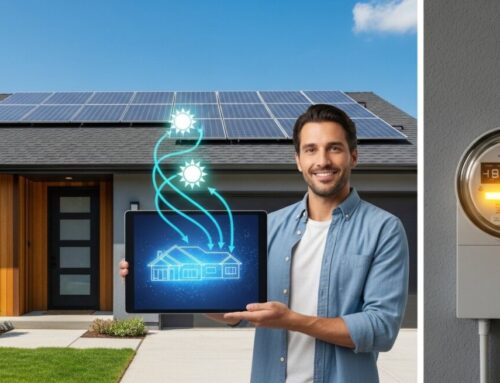
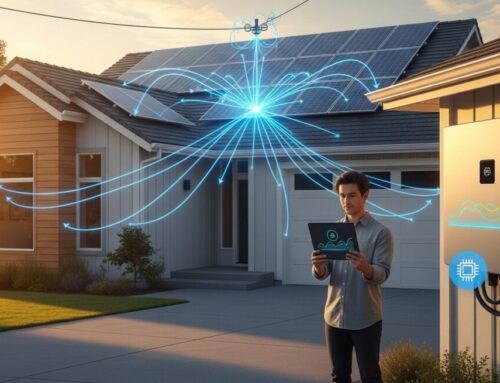
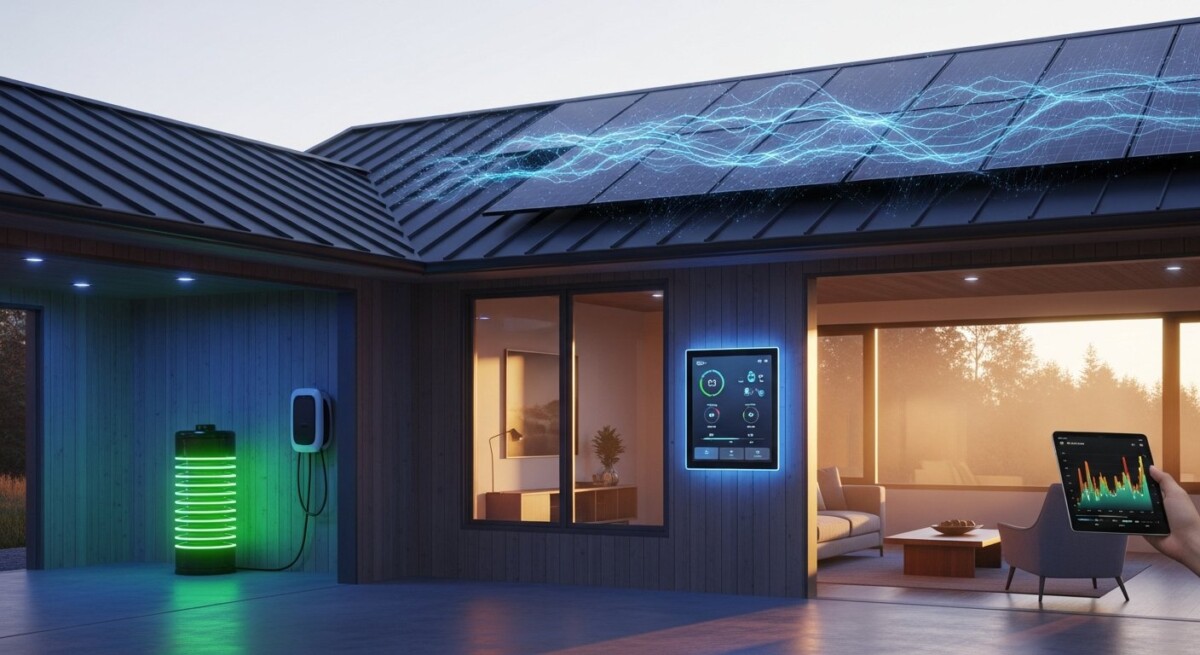
Simply put, ai in solar panel efficiency means using computer programs that learn and adjust to make your solar system work better. These programs analyze weather patterns, sunlight angles, and your home’s energy habits to maximize the electricity your panels produce. Instead of just sitting on your roof collecting sunlight, AI-powered panels actively optimize their performance in real time.
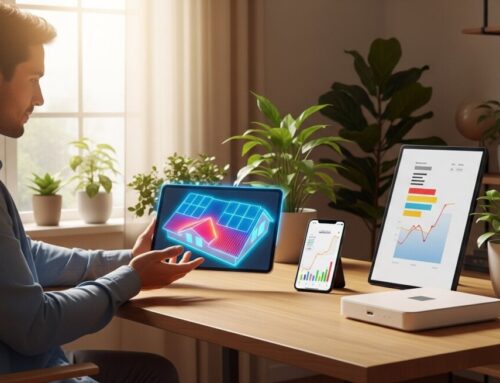
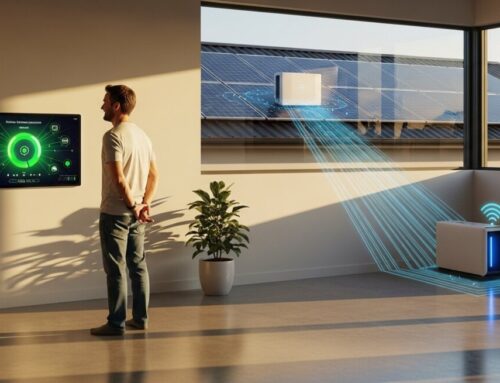
Think of it like a smart thermostat for your solar system. The AI constantly monitors conditions and makes tiny adjustments,like tilting panels slightly or shifting energy storage times,to capture every possible ray. More homeowners are choosing this technology because it can boost energy production by 10 to 20 percent compared to standard systems, directly lowering your monthly bills.
How AI optimizes solar performance
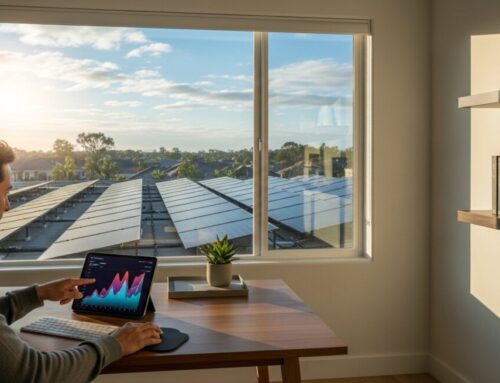
For example, an AI system might learn that your neighborhood gets afternoon clouds in July. It will then store extra energy in your battery during the sunny morning hours, so you still have power when clouds roll in. This kind of predictive intelligence means you waste less energy and save more.
Why Solar Energy Is Becoming More Popular
Electricity rates have risen by more than 25 percent over the past decade, and experts expect them to keep climbing. This steady increase pushes homeowners to look for alternatives that offer predictable, lower costs. Solar power gives you the ability to generate your own electricity and shield yourself from future rate hikes.
Environmental concerns also play a big role. Many families want to reduce their carbon footprint and leave a cleaner planet for their children. Solar energy produces no emissions, so switching to it is one of the most effective ways to fight climate change while also saving money. In our guide on AI in Solar Panel Efficiency: Boost Your Home Savings, we explain how these systems help you achieve both goals.
Long-term savings are another major draw. While the upfront cost of solar installation can feel high, most homeowners recover their investment within six to ten years through lower electric bills. After that, the electricity your panels produce is essentially free for the rest of their 25- to 30-year lifespan.
If you are considering solar power for your home, comparing installation quotes can help you understand your options. Request a free solar quote or call to learn more.
Common Questions Homeowners Have About Solar
Before making a decision, it is natural to have questions. The most common concerns include installation cost, whether your roof can support panels, and how well the system will perform in your local climate. Professional installers can answer these questions quickly and give you a clear picture of what to expect.
Another frequent worry is maintenance. Solar panels are built to last with very little upkeep,usually just occasional cleaning and an annual inspection. With AI-enhanced systems, the software can even alert you if a panel is underperforming, so you can fix small issues before they become big problems.
- How much does a solar system cost for an average home?
- Will solar panels work on my roof type?
- What happens to extra energy my panels produce?
- How long does installation take?
- Do I need a battery with my solar system?
- Are there government incentives available for solar?
How Solar Panel Installation Works
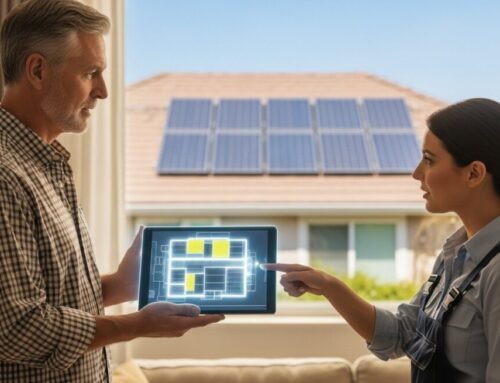
Installing solar panels is a straightforward process that professional installers handle from start to finish. First, a technician visits your home to assess your energy usage, roof condition, and sunlight exposure. This assessment ensures the system is designed specifically for your needs.
After the assessment, your installer creates a custom system design and handles all the permits and approvals required by your city or utility company. Then the actual installation takes just one to three days, depending on system size. Once everything is connected and inspected, your system is activated and starts generating power immediately.
- Home energy assessment and site evaluation
- Custom system design and equipment selection
- Permit applications and utility approvals
- Professional panel and inverter installation
- System inspection, connection, and activation
Speaking with experienced installers can help you determine the best solar solution for your home. Compare solar quotes here or call to explore available options.
Signs Your Home May Be Ideal for Solar
Not every home is a perfect candidate for solar, but many are. The most important factor is sunlight exposure,homes with a south-facing roof that gets direct sun for most of the day will see the best results. If your roof is shaded by tall trees or nearby buildings, you may still benefit, but production will be lower.
Another strong indicator is your current electricity bill. If you pay more than $100 per month on average, solar can likely save you money. Also, if you plan to stay in your home for at least five more years, the long-term savings make the investment worthwhile.
- Your roof receives strong, direct sunlight for most of the day
- Your monthly electricity bills are consistently high
- You have ample, unshaded roof space (usually 300,500 square feet)
- You plan to stay in your home for five or more years
- Your roof is in good condition and less than 10 years old
What Affects Solar Installation Costs
The cost of a solar system depends on several factors, starting with the size of the system you need. Larger homes with higher energy usage require more panels, which increases the upfront price. Equipment quality also matters,premium panels and inverters cost more but typically produce more energy and last longer.
Installation complexity can add to the cost as well. If your roof is steep, has multiple angles, or requires structural reinforcement, the labor will be higher. Local incentives, such as the federal solar tax credit, can significantly reduce your net cost. In our article on AI in Solar Panel Efficiency: Boost Your Home Savings, we break down how these factors affect your total investment.
The good news is that most homeowners can take advantage of a 30 percent federal tax credit, plus additional rebates from their state or utility. These incentives can cut thousands of dollars off your final cost, making solar more affordable than ever.
The cost of solar installation varies depending on your home and energy needs. Request personalized solar quotes or call to see what options are available.
Tips for Choosing a Reliable Solar Installer
Finding the right installer is just as important as choosing the right equipment. A trustworthy company will have years of experience, proper licensing, and strong reviews from past customers. They should also offer solid warranties on both the equipment and their workmanship.
One of the smartest steps you can take is to get multiple quotes from different installers. This lets you compare prices, equipment options, and customer service. You will quickly see which companies are transparent about costs and which ones try to push unnecessary upgrades.
- Review the installer’s experience and number of completed installations
- Check for comprehensive warranties on panels, inverters, and labor
- Read customer reviews on Google, Yelp, or the Better Business Bureau
- Compare at least three quotes to find the best value for your budget
- Ask for references and follow up with past customers
Long-Term Benefits of Installing Solar Panels
The most obvious benefit is lower electricity bills. Over 25 years, the average homeowner saves between $20,000 and $50,000 by generating their own power. Those savings can be used for other priorities, like home improvements, education, or retirement.
Solar panels also increase your home’s value. Studies show that homes with solar systems sell for about 4 percent more than comparable homes without them. Buyers are willing to pay a premium because they know they will enjoy lower utility costs from day one.
Finally, solar gives you energy independence. You are no longer at the mercy of rising rates or power outages. With an AI-optimized system and a battery backup, you can keep your lights on even when the grid goes down. This peace of mind, combined with financial and environmental rewards, makes solar a smart long-term investment.
Frequently Asked Questions
How does AI improve solar panel efficiency?
AI improves efficiency by constantly analyzing data like weather forecasts, sunlight intensity, and your home’s energy usage. It then adjusts panel angles, energy storage, and power distribution in real time to capture the most energy possible. This can boost overall production by 10 to 20 percent compared to traditional systems.
Is AI solar technology expensive?
AI-enhanced solar systems cost slightly more upfront than standard systems, but the extra savings on electricity bills usually offset the difference within a few years. Many homeowners find that the higher efficiency leads to a faster return on investment. Government incentives also help reduce the initial cost.
Will solar panels work on a cloudy day?
Yes, solar panels still generate electricity on cloudy days, just at a reduced rate. AI systems can help by storing extra energy during sunny periods so you have power when clouds roll in. Most homes produce enough energy over the course of a year to cover their needs, even in less sunny climates.
How long do solar panels last?
Most solar panels come with a 25- to 30-year performance warranty, and they often continue producing electricity beyond that time. The inverter, which converts solar power into usable electricity, may need replacement after 10 to 15 years. With proper maintenance, your system can last for decades.
What maintenance do AI solar systems need?
AI solar systems require very little maintenance,mostly occasional cleaning and an annual inspection. The AI software monitors performance continuously and alerts you to any issues. This proactive approach helps you catch small problems before they become costly repairs.
Can I add a battery to my existing solar system?
Yes, you can add a battery to most solar systems, including AI-enhanced ones. Batteries store excess energy for use at night or during power outages. An AI system can optimize when to charge and discharge the battery to maximize your savings.
Are there government incentives for solar with AI?
Yes, the same federal and state incentives apply to AI-enhanced solar systems as to standard ones. The federal solar tax credit currently offers 30 percent of the total system cost, including installation. Many states and utilities also offer additional rebates or performance-based incentives.
How do I find the best solar installer near me?
Start by getting multiple quotes from licensed and insured installers with good reviews. Look for companies that specialize in residential solar and have experience with AI-optimized systems. Comparing quotes side by side helps you find the best balance of price, quality, and service.
Solar energy is a powerful way to reduce your electricity bills, increase your home’s value, and help the environment. By understanding how ai in solar panel efficiency works and comparing quotes from trusted installers, you can make a confident decision that pays off for years to come. Take the first step today and explore your solar options.