Solar Analytics Platforms: Save Money With Smart Energy Data

Every month, your electricity bill arrives with a familiar sting. You glance at the numbers, wonder where all that energy went, and start searching for ways to cut costs. Rising utility rates and unpredictable grid reliability have pushed many homeowners to explore solar energy. But before you install panels on your roof, there is a powerful tool that can help you make smarter decisions: solar analytics platforms. These digital systems turn raw energy data into clear, actionable insights,helping you reduce bills, gain energy independence, and choose the right solar setup for your home.
Understanding Solar Analytics Platforms
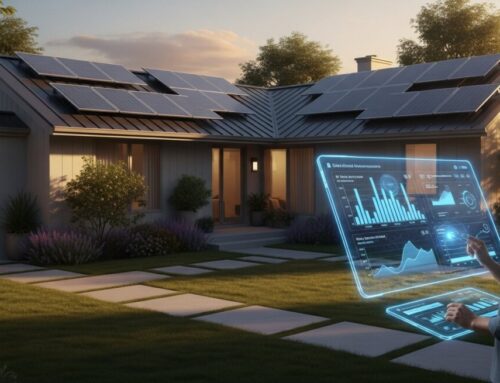
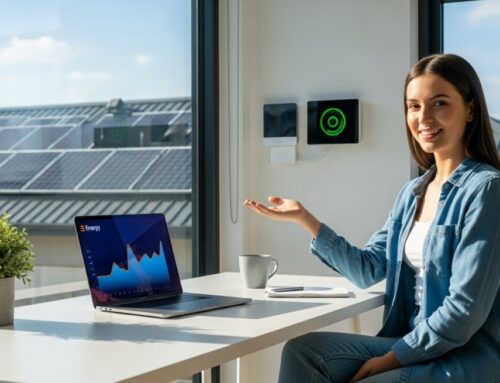
A solar analytics platform is a software tool that collects and analyzes data from your home’s energy use and solar production. Think of it as a smart dashboard that shows exactly how much electricity you consume, when you use it most, and how much sunlight your roof captures throughout the year. This information is crucial for designing a solar system that matches your unique needs.
How does it work? The platform pulls data from your utility bills, local weather patterns, and sometimes from small sensors placed on your roof. It then uses advanced algorithms to forecast your solar savings, recommend the ideal panel size, and estimate your payback period. More homeowners are turning to these platforms because they remove guesswork,no more relying on generic averages or pushy sales pitches.
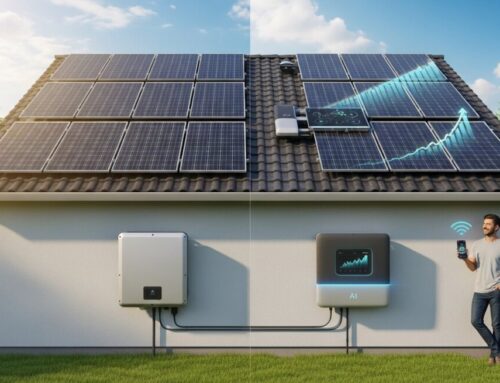
For example, a platform can show you that your biggest energy spike happens at 6 PM when the sun is setting. That insight might lead you to add a battery storage system, so you can use solar power even after dark. In our guide on AI solar analytics explained, we break down how this technology helps you slash bills with smart energy decisions.
Why Data Matters for Solar Decisions
Without data, choosing solar is like buying a car without checking the gas mileage. A solar analytics platform gives you a personalized energy profile, so you invest in a system that actually fits your home and lifestyle. This prevents costly mistakes,like installing too few panels to cover your usage or overspending on equipment you don’t need.
Why Solar Energy Is Becoming More Popular
Solar power is no longer a niche choice for environmentalists. It has become a mainstream solution for homeowners tired of rising electricity rates. According to recent reports, the average cost of grid electricity has increased by nearly 5% per year over the last decade. Meanwhile, the price of solar panels has dropped by more than 70% since 2010. That math makes solar an attractive, long-term investment.
Beyond savings, many homeowners are motivated by environmental concerns. Solar energy produces no carbon emissions, which means every kilowatt-hour you generate reduces your household’s carbon footprint. And with climate change making extreme weather more common, energy independence has become a practical priority. Generating your own power protects you from grid outages and price spikes.
The combination of lower costs, government incentives, and a growing desire for self-sufficiency has created a perfect moment for solar adoption. Federal tax credits, state rebates, and net metering programs can cut your upfront expenses by 30% or more. When you add long-term savings on electricity, the financial case becomes compelling.
If you are considering solar power for your home, comparing installation quotes can help you understand your options. Request a free solar quote or call to learn more.
Common Questions Homeowners Have About Solar
It is normal to have questions before making a big investment like solar panels. Many homeowners worry about the upfront cost, whether their roof can handle panels, and how the system will perform in cloudy weather. The good news is that solar analytics platforms and professional installers can answer these concerns with real data, not guesses.
For instance, a platform can simulate your roof’s sun exposure across all four seasons. It can also estimate your long-term savings based on local utility rates and available incentives. This removes uncertainty and helps you make an informed choice.
- How much does a solar system cost for an average home?
- Will solar panels work on a shaded or north-facing roof?
- How long does it take to recoup the investment through electricity savings?
- What happens to solar production during winter or rainy months?
- Do I need a battery, or can I rely on net metering with the grid?
- How do I know if my roof is structurally strong enough for panels?
How Solar Panel Installation Works
The installation process is more straightforward than most homeowners expect. It typically takes one to three days, depending on the size and complexity of your system. But the real work happens before the crew arrives on your roof,that is where solar analytics platforms play a key role.
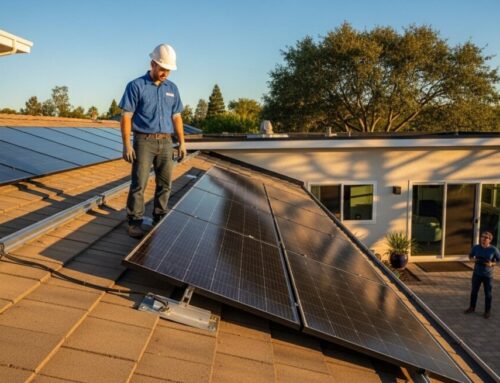
First, a professional installer conducts a home energy assessment. They review your past utility bills and use analytics software to model your energy needs. Then they design a custom system, select the right panels and inverter, and handle all the permits and approvals. Once everything is ready, the panels are mounted, wired, and connected to your home’s electrical panel.
- Home energy assessment , Review your usage patterns and roof conditions using solar analytics tools.
- System design , Create a tailored layout that maximizes sun exposure and meets your energy goals.
- Permits and approvals , Secure necessary local permits and utility interconnection agreements.
- Panel installation , Mount the solar panels, install the inverter, and run electrical wiring.
- System activation , Turn on the system, connect to the grid (or battery), and start generating power.
Speaking with experienced installers can help you determine the best solar solution for your home. Compare solar quotes here or call to explore available options.
Signs Your Home May Be Ideal for Solar
Not every home is perfectly suited for solar panels, but many are. The key factors are sunlight exposure, roof condition, and your current electricity costs. Solar analytics platforms can quickly evaluate these conditions using satellite imagery and local weather data,no ladder required.
If you live in a sun-rich region like Arizona or California, your home likely gets enough direct sunlight to make solar worthwhile. But even homes in less sunny areas can benefit, thanks to modern panel efficiency. The real question is whether your roof has enough usable space and faces the right direction.
- Strong sunlight exposure , Your roof receives at least four to five hours of direct sunlight per day, ideally on south- or west-facing slopes.
- High electricity bills , You pay more than $100 per month on average, making solar a strong financial offset.
- Suitable roof space , You have at least 300 to 500 square feet of unobstructed roof area, free from heavy shading or skylights.
- Long-term home ownership plans , You intend to stay in your home for at least five to seven years, which allows enough time to recoup the investment.
- Good roof condition , Your roof is less than 10 years old or in good shape, so you won’t need to replace it soon after installation.
- Local incentives available , Your state or utility offers rebates, tax credits, or net metering that improve your payback period.
What Affects Solar Installation Costs
Solar panel prices have dropped significantly, but the total cost of a system can still vary widely. Several factors determine what you will pay, including the size of the system, the quality of the equipment, and the complexity of the installation. A solar analytics platform can give you a realistic estimate based on your specific home data.
System size is the biggest driver. A typical home needs a 6 to 10 kilowatt system, costing between $15,000 and $25,000 before incentives. Equipment quality also matters,premium panels and inverters cost more but often produce more power and last longer. Installation complexity, such as a steep roof or older electrical panel, can add labor costs.
Local incentives can dramatically lower your net cost. The federal Investment Tax Credit (ITC) currently offers a 30% tax credit on the total system cost. Many states and utilities add their own rebates or performance-based incentives. Using a solar analytics platform, you can model these savings and see your true out-of-pocket expense.
The cost of solar installation varies depending on your home and energy needs. Request personalized solar quotes or call to see what options are available.
Tips for Choosing a Reliable Solar Installer
Choosing the right installer is just as important as choosing the right panels. A good installer will use solar analytics tools to design a system that fits your home, not a one-size-fits-all package. They will also guide you through permits, incentives, and financing options.
Start by asking potential installers how they size and design systems. A trustworthy professional will walk you through the data,your roof’s sun exposure, your monthly usage, and projected savings. Avoid companies that give you a quote without visiting your home or reviewing your utility bills.
- Review installer experience , Look for companies with at least five years in business and a proven track record in your area.
- Check warranties , Ensure the installer offers a workmanship warranty (typically 10 years) and that panels come with a 25-year performance guarantee.
- Read customer reviews , Check platforms like Google, Yelp, or the Better Business Bureau for honest feedback about customer service and installation quality.
- Compare multiple quotes , Get at least three quotes from different installers. Use a solar analytics platform to verify each proposal’s assumptions and projected savings.
- Ask about monitoring , Inquire whether the installer provides a monitoring system (often part of a solar analytics platform) so you can track your energy production in real time.
Long-Term Benefits of Installing Solar Panels
Installing solar panels is not just about lowering next month’s electric bill. It is a long-term investment that pays dividends for decades. Most solar systems have a lifespan of 25 to 30 years, and the electricity they generate is essentially free after the system is paid off.
One of the biggest financial benefits is increased home value. Studies show that homes with solar panels sell for 4% to 6% more than comparable homes without them. Buyers are willing to pay a premium for lower utility costs and energy independence. Additionally, solar panels reduce your household’s carbon emissions by several tons per year,equivalent to planting hundreds of trees annually.
Energy independence is another major advantage. When you generate your own power, you are insulated from utility rate hikes and grid outages. Pairing solar with a battery storage system gives you even greater control, allowing you to use stored solar energy at night or during emergencies. In our guide on AI solar analytics for smarter energy savings, we explore how data-driven insights can maximize your long-term returns.
Frequently Asked Questions
How do solar analytics platforms help me save money?
Solar analytics platforms analyze your energy usage and roof conditions to recommend the most cost-effective system size and equipment. They also forecast your monthly savings and payback period, so you can see exactly how much money you will keep in your pocket. By eliminating guesswork, these tools prevent overspending on unnecessary equipment.
Can I use a solar analytics platform without installing panels yet?
Yes, absolutely. Many platforms are designed for homeowners who are still researching solar. You can input your address and utility bill data to get a free estimate of your solar potential and savings. This allows you to compare options before committing to any installation.
What is the difference between solar analytics and a solar calculator?
A basic solar calculator gives you a rough estimate based on averages. A solar analytics platform uses detailed data,your actual energy usage, local weather patterns, and satellite imagery of your roof,to provide a far more accurate and personalized analysis. It is like comparing a map to a GPS navigation system.
Do I need a battery with my solar panels?
Not necessarily. If your utility offers net metering, you can send excess solar power to the grid in exchange for credits, effectively using the grid as your battery. However, if you want backup power during outages or want to maximize self-consumption, a battery can be a valuable addition. Solar analytics can help you decide based on your usage patterns and local policies.
How long does it take to install solar panels?
The physical installation typically takes one to three days. However, the entire process,from initial assessment to system activation,can take four to eight weeks, depending on permitting and utility approval timelines. A professional installer will manage these steps for you.
Will solar panels work on a cloudy day?
Yes, solar panels still generate electricity on cloudy days, though at a reduced rate (typically 10% to 25% of their full capacity). Modern panels are designed to capture diffuse sunlight. Solar analytics platforms account for local weather patterns to give you a realistic year-round production estimate.
What government incentives are available for solar?
The federal government offers a 30% tax credit through the Investment Tax Credit (ITC) for systems installed through 2032. Many states and local utilities also offer additional rebates, performance payments, or property tax exemptions. A solar analytics platform can factor these incentives into your savings estimate.
How do I compare solar installation quotes?
Start by getting at least three quotes from licensed, insured installers. Use a solar analytics platform to verify each proposal,check that the system size matches your energy needs and that the projected savings are realistic. Compare equipment quality, warranties, and financing options, not just the bottom-line price.
Solar energy is a practical, long-term solution for reducing electricity costs, gaining energy independence, and making a positive environmental impact. By understanding how solar analytics platforms work and comparing quotes from multiple installers, you can make a confident, informed decision. Take the first step today and explore your solar options with a free quote comparison.