Solar AI Software Explained: Save More on Energy Bills
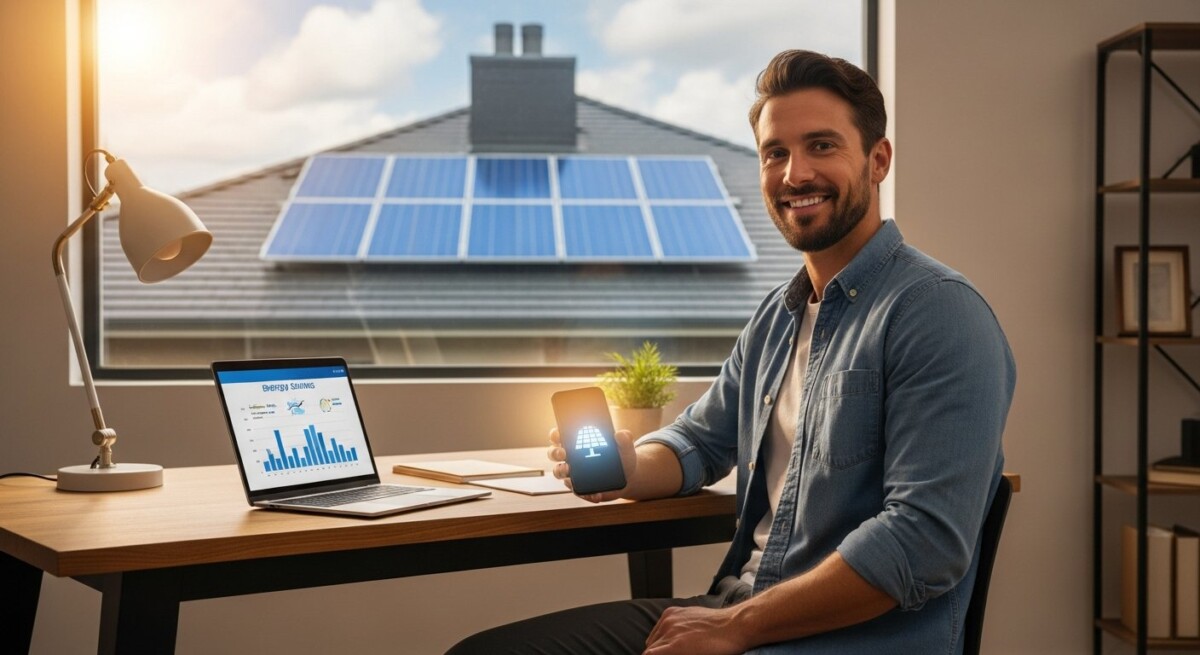
You open your monthly electric bill and feel a familiar sting. Rates keep climbing, and you wonder if there is a smarter way to power your home. That is why many homeowners are searching for what is solar AI software and how it can help cut costs. The idea of shrinking your energy bills and relying less on the grid sounds appealing, but the technology behind it can feel confusing. Let us break it down in plain English so you can decide if solar energy is right for you.
Understanding What Is Solar AI Software
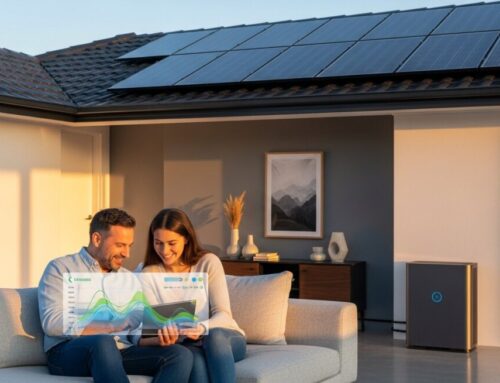
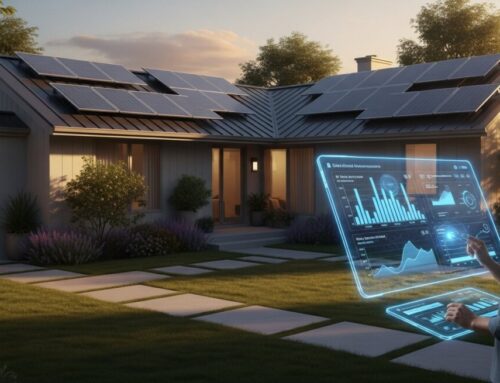
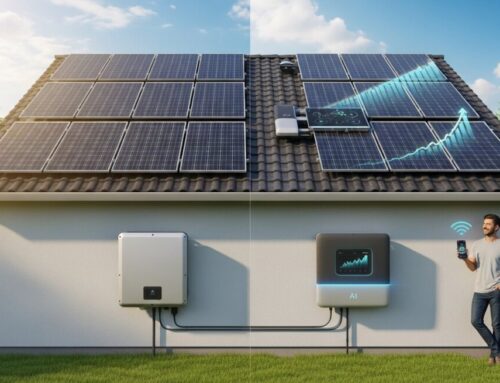
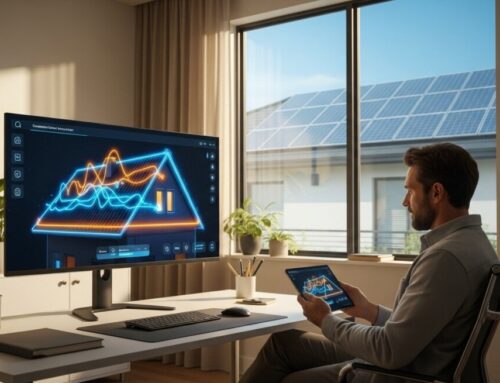
At its simplest, solar AI software is a smart tool that uses artificial intelligence to design, monitor, and optimize a home solar system. Think of it as a digital assistant that crunches data about your roof, local weather, and energy usage to recommend the best panel setup. The software learns your habits and adjusts the system in real time to maximize the electricity your panels produce.
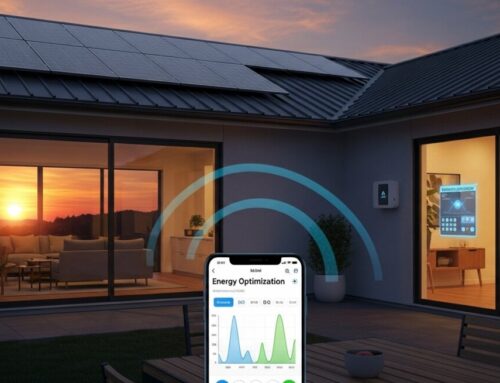
How does it work behind the scenes? The AI analyzes thousands of data points,like sun angle, cloud cover, and seasonal patterns,to predict how much power your system will generate each day. It then tells your inverter how to manage that energy, sending extra power to your battery or back to the grid. More homeowners are turning to this technology because it takes the guesswork out of going solar and ensures you get the most savings possible.
Why AI Makes Solar Smarter
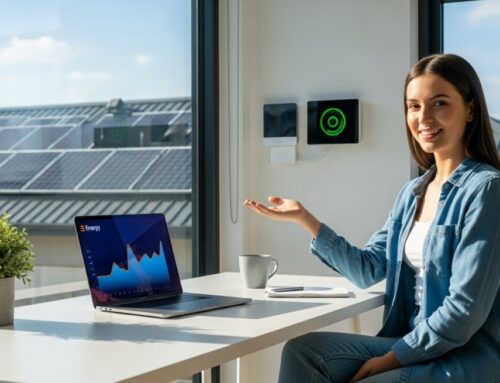
Traditional solar systems run on fixed schedules, but AI adapts on the fly. If a storm rolls in, the software can shift your home to battery power to avoid pulling expensive electricity from the grid. It also spots underperforming panels and alerts you or your installer to clean or fix them. This hands-off approach means you worry less and save more.
Why Solar Energy Is Becoming More Popular
Electricity prices across the United States have risen sharply over the past decade, and experts predict they will keep climbing. Homeowners are tired of unpredictable bills and want a stable, predictable energy cost. Solar panels offer that stability by locking in a lower rate for decades.
Beyond finances, many people care about the environment. Solar energy produces no emissions and reduces your carbon footprint. It also gives you a measure of energy independence,you generate your own power and are less affected by blackouts or rate hikes. The combination of savings, sustainability, and security is driving record numbers of families to make the switch.
If you are considering solar power for your home, comparing installation quotes can help you understand your options. Request a free solar quote or call (555) 123-4567 to learn more.
Common Questions Homeowners Have About Solar
When you start exploring solar, a few big questions usually come up. The most common is, “How much does it cost?” The upfront price can seem high, but federal tax credits and local rebates often cut the total by 30 percent or more. Plus, many installers offer zero-down financing, so you pay for the system with the money you save on electricity each month.
Another big concern is roof suitability. Not every roof is ideal, but most modern homes can accommodate panels if they get decent sunlight and have enough clear space. Your installer will assess your roof angle, shading from trees, and structural strength during a free site visit. Performance is also a frequent worry,what happens on cloudy days? Solar panels still generate power in diffuse light, and net metering programs let you store credits with the utility for use at night.
- Will solar panels work on my roof?
- How long do panels last?
- What happens during a power outage?
- Do I need a battery with my system?
- How much will I really save each month?
- Are there government incentives available?
How Solar Panel Installation Works
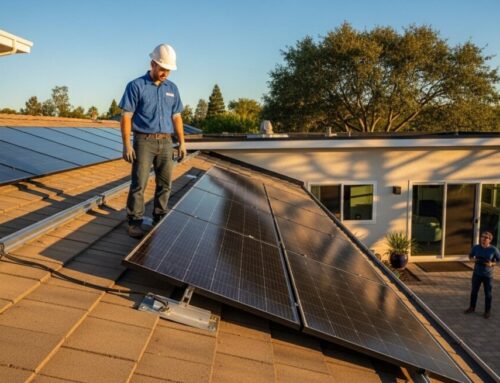
The process of getting solar panels installed is simpler than most people expect. It starts with a home energy assessment, where an installer reviews your past electric bills and inspects your roof. They use that data, often with solar AI software, to design a system that fits your exact needs.
Once you approve the design, the installer handles all the permits and approvals from your local utility and city government. This step usually takes a few weeks. Then the physical installation happens,typically in one or two days. The crew mounts the panels, connects the wiring, and sets up the inverter. Finally, the utility inspects the system and flips the switch, and you start generating your own electricity.
- Home energy assessment and bill review
- Custom system design using AI software
- Permit applications and utility approvals
- Panel and inverter installation
- Final inspection and system activation
Speaking with experienced installers can help you determine the best solar solution for your home. Compare solar quotes here or call (555) 123-4567 to explore available options.
Signs Your Home May Be Ideal for Solar
Some homes are natural fits for solar panels, and you can spot the signs quickly. The biggest factor is sunlight exposure,if your roof faces south or west and gets direct sun for most of the day, you will produce more power. Homes with little shade from trees or neighboring buildings also perform well.
Your electric bill is another clue. If you pay more than $100 per month, solar will likely save you money over time. You also need enough clear roof space; a typical 6-kilowatt system takes up about 400 square feet. And if you plan to stay in your home for at least five more years, the long-term savings will easily outweigh the upfront cost.
- Your roof gets strong, direct sunlight for most of the day
- Your monthly electricity bills are consistently high
- You have at least 400 square feet of unobstructed roof space
- You plan to live in your home for five years or longer
- Your local utility offers net metering or time-of-use rates
What Affects Solar Installation Costs
Solar system prices vary widely based on a few key factors. The biggest is system size,measured in kilowatts,which depends on how much electricity you use. A larger system costs more upfront but delivers bigger monthly savings. Equipment quality also matters; premium panels and inverters cost more but last longer and perform better in low light.
Installation complexity can drive up the price if your roof is steep, has unusual angles, or requires electrical panel upgrades. Local incentives and rebates, however, can bring the net cost down significantly. Some states offer additional tax credits or performance-based incentives that stack with the federal credit, so it pays to research what is available in your area.
The cost of solar installation varies depending on your home and energy needs. Request personalized solar quotes or call (555) 123-4567 to see what options are available.
Tips for Choosing a Reliable Solar Installer
Picking the right installer is just as important as picking the right panels. Start by looking for companies with at least three to five years of experience and a strong track record in your area. Check that they are licensed, insured, and certified by organizations like the North American Board of Certified Energy Practitioners (NABCEP).
Warranties are a critical piece of the puzzle. A good installer will offer a 25-year performance warranty on the panels and a 10-year workmanship warranty on the installation. Read customer reviews on sites like Google and the Better Business Bureau to see how they handle problems. Most importantly, get quotes from at least three different companies so you can compare pricing, equipment, and service.
- Verify the installer’s license and insurance
- Ask about panel and inverter warranties
- Read recent customer reviews and testimonials
- Compare multiple quotes to see pricing differences
- Confirm they handle all permits and paperwork
Long-Term Benefits of Installing Solar Panels
The most obvious long-term benefit is lower electricity bills. Most homeowners see their monthly costs drop by 50 to 90 percent, and many eliminate their electric bill entirely. Over 25 years, that can add up to tens of thousands of dollars in savings, especially as utility rates rise.
Solar panels also increase your home’s resale value. Studies show that homes with solar sell for about 4 percent more than comparable homes without it. And because you are producing clean energy, you reduce your household’s carbon emissions by roughly three to four tons per year. Finally, with battery storage, you gain true energy independence,your lights stay on even when the grid goes down.
Frequently Asked Questions
What is solar AI software and do I need it?
Solar AI software is a technology that uses artificial intelligence to design and manage your solar system for maximum efficiency. You do not need to buy it separately; most professional installers use it as part of their service. It helps ensure your panels produce the most power possible, which means bigger savings for you.
How much does a home solar system cost in 2025?
The average cost of a residential solar system ranges from $15,000 to $25,000 before incentives. After the federal tax credit of 30 percent, the net cost drops to about $10,500 to $17,500. Prices vary by location, system size, and equipment quality, so comparing quotes is essential.
Will solar panels work during a power outage?
Standard grid-tied solar systems shut off during an outage to protect utility workers. If you want backup power, you need a battery system like the Tesla Powerwall or LG Chem. With a battery, your panels can keep charging the battery during the day, and your home can run on that stored energy at night.
How long do solar panels last?
Most solar panels come with a 25-year performance warranty, but they often last 30 to 40 years or longer. They do not suddenly stop working; instead, they slowly degrade, producing about 0.5 percent less power each year. After 25 years, a high-quality panel still generates around 88 percent of its original output.
Do I need to clean my solar panels?
Rain usually keeps your panels clean enough to function well. In dry or dusty areas, you may need to rinse them once or twice a year with a garden hose. Avoid using abrasive tools or harsh chemicals. Many AI monitoring systems will alert you if a panel’s output drops unexpectedly, signaling it may need cleaning.
What is net metering and how does it save me money?
Net metering is a billing arrangement where your utility credits you for excess electricity your panels send back to the grid. When your system produces more power than you use,like on sunny afternoons,the meter runs backward. You then use those credits to offset the power you pull from the grid at night or on cloudy days. This arrangement can slash your annual electric bill.
Can I install solar panels myself to save money?
DIY solar installation is possible but not recommended for most homeowners. You need electrical knowledge, roofing skills, and the ability to pull permits and pass inspections. Mistakes can lead to roof leaks, fire hazards, or voided warranties. Professional installers also have access to solar AI software that designs the system for peak performance, which is hard to replicate on your own.
How do I know if I am getting a fair price for solar?
The best way to know you are getting a fair price is to compare multiple quotes from different installers. Look at the total cost, the equipment brand and model, the warranty terms, and the projected energy savings. A quote that is significantly lower than others may use cheaper equipment, while a much higher quote may include unnecessary add-ons. Comparing side by side gives you the confidence to make a smart choice.
Solar energy is more accessible and affordable than ever, thanks to advances in solar AI software and generous government incentives. By understanding how solar works and what to look for in an installer, you can take control of your electricity bills and reduce your environmental impact. The smartest first step is to gather multiple quotes from trusted professionals. Compare solar installation quotes today and see how much you could save.