Best AI Solar Platforms: Save Money and Simplify Your Switch
Have you noticed your electricity bills creeping up month after month? You are not alone. Many homeowners are now searching for the best AI solar platforms to find smarter ways to lower their energy costs. These digital tools make it easier than ever to reduce your dependence on the power grid and take control of your home’s energy future.
By combining artificial intelligence with solar technology, these platforms help you analyze your home’s energy usage, forecast savings, and connect with trusted installers. This article explains how best AI solar platforms work and why they are becoming a practical choice for homeowners like you.
Understanding Best AI Solar Platforms
An AI solar platform is a smart online tool that uses artificial intelligence to simplify the process of going solar. Instead of guessing which system fits your home, the platform analyzes your roof, local weather, and electricity usage to recommend the best setup.
These platforms often include solar calculators, cost estimators, and comparison tools that match you with reputable installers. They remove much of the guesswork, so you can make an informed decision without spending hours researching on your own. More homeowners are turning to these platforms because they offer personalized insights and save valuable time.
How AI Makes Solar Smarter
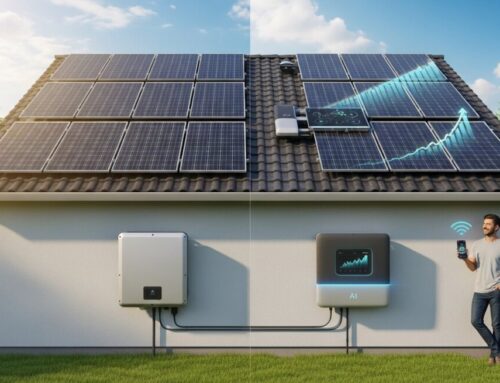
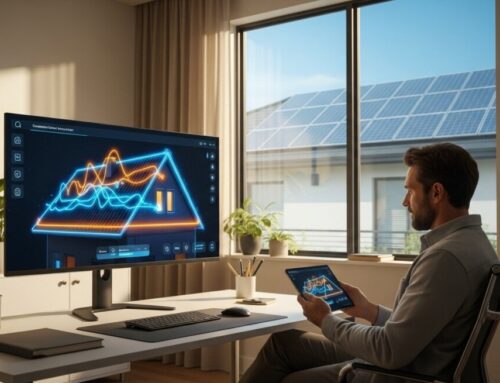
Artificial intelligence processes vast amounts of data quickly. When you enter your address, the AI examines satellite images of your roof, local sunlight patterns, and current electricity rates. It then predicts how much energy your panels would produce and how much you could save annually.
This technology also helps installers design systems that fit your specific needs. Whether you have shading from trees or a complex roofline, AI can optimize panel placement to maximize efficiency. This level of precision was once only available to large commercial projects, but now it is accessible to every homeowner.
Why Solar Energy Is Becoming More Popular
Electricity prices have risen steadily over the past decade, and many homeowners feel the pinch in their monthly budgets. Solar power offers a way to lock in lower energy costs and protect yourself from future rate hikes. In our guide on best AI solar platforms, we explain how to evaluate your potential savings.
Environmental concerns also play a big role. Generating your own clean energy reduces your carbon footprint and helps fight climate change. Many families feel good knowing their home runs on renewable power instead of fossil fuels.
Long-term savings are another major draw. While solar panels require an upfront investment, they typically pay for themselves within 6 to 10 years through lower electric bills. After that, the electricity they produce is essentially free for the rest of their 25-year lifespan.
If you are considering solar power for your home, comparing installation quotes can help you understand your options. Request a free solar quote or call to learn more.
Common Questions Homeowners Have About Solar
Many people hesitate to go solar because they have unanswered questions. Understanding the basics can help you feel more confident about the process.
Installation cost is often the first concern. The price of a solar system has dropped significantly over the past decade, and federal tax credits can cover 30% of the total cost. Many states and utilities also offer additional rebates that lower the upfront expense even further.
Roof suitability is another common worry. Not every roof is perfect for solar, but most homes can accommodate panels. Factors like age, material, and orientation matter, but a professional installer can evaluate your specific situation during a free site visit.
- How much will solar panels really save me each month?
- Is my roof strong enough to support solar panels?
- What happens if my panels produce more energy than I use?
- Do solar panels work on cloudy days or in winter?
- How long does the installation process take from start to finish?
- What kind of maintenance do solar panels need over time?
How Solar Panel Installation Works
The installation process is more straightforward than many homeowners expect. Once you choose a platform and connect with an installer, the work follows a clear sequence of steps.
First, the installer performs a home energy assessment. They review your past electric bills, measure your roof, and discuss your energy goals. This information helps them design a system that matches your needs.
- Home energy assessment , Review your usage and roof condition.
- System design , AI tools create a custom layout for your panels.
- Permits and approvals , The installer handles paperwork with your city and utility.
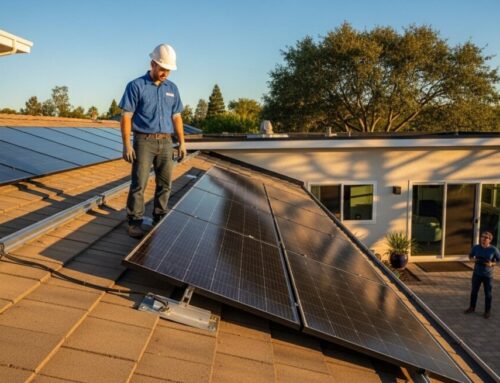
- Panel installation , A crew mounts the panels and connects the wiring.
- System activation , An inspector approves the work, and you start generating power.
Speaking with experienced installers can help you determine the best solar solution for your home. Compare solar quotes here or call to explore available options.
Signs Your Home May Be Ideal for Solar
Not every home is equally suited for solar, but many properties can benefit. Certain conditions make solar a particularly smart investment.
Homes with strong, direct sunlight exposure for most of the day are prime candidates. South-facing roofs capture the most sun, but east and west orientations can also work well depending on your location.
- You have a south-facing roof with little to no shade.
- Your monthly electricity bills are consistently high.
- Your roof is in good condition and has at least 10 years of life left.
- You plan to stay in your home for at least five more years.
- Your local utility offers net metering or other solar incentives.
- You want to reduce your household’s carbon footprint.
What Affects Solar Installation Costs
The cost of going solar varies based on several key factors. Understanding these variables helps you budget accurately and avoid surprises.
System size is the biggest factor. A larger home with higher energy needs requires more panels, which increases the total price. However, larger systems also generate more savings over time, so the investment often pays off.
Equipment quality matters too. Premium panels and inverters cost more upfront but tend to be more efficient and durable. Cheaper components may save money initially but could lead to lower performance or earlier replacements.
Installation complexity also plays a role. A simple roof with easy access costs less to install than a steep, multi-story roof with complicated wiring. Local incentives and tax credits can significantly reduce your out-of-pocket expense, so it pays to research what is available in your area.
The cost of solar installation varies depending on your home and energy needs. Request personalized solar quotes or call to see what options are available.
Tips for Choosing a Reliable Solar Installer
Finding the right installer is just as important as choosing the right panels. A good installer ensures your system runs efficiently and lasts for decades.
Start by reviewing each installer’s experience and certifications. Companies with years of proven work and industry credentials like NABCEP certification are generally more reliable. They also tend to offer better warranties and customer support.
- Check how long the company has been in business and their local reputation.
- Ask about warranties on panels, inverters, and workmanship.
- Read customer reviews on platforms like Google and the Better Business Bureau.
- Get at least three quotes from different installers to compare pricing and equipment.
- Confirm that the installer handles all permits and inspections.
Long-Term Benefits of Installing Solar Panels
Solar panels offer advantages that extend far beyond your first year of ownership. The most immediate benefit is lower electricity bills, which can drop by 50% to 90% depending on your system size and local rates.
Your home’s value also increases. Studies show that homes with solar panels sell for more than comparable homes without them. Buyers are often willing to pay a premium for a property with lower utility costs and clean energy.
Environmental impact is another lasting benefit. By generating your own renewable power, you reduce greenhouse gas emissions and help build a cleaner energy grid. Many homeowners find deep satisfaction in contributing to a more sustainable future.
Energy independence is perhaps the most empowering benefit. With solar panels and optional battery storage, you become less vulnerable to grid outages and price spikes. You produce your own electricity and keep your lights on even when the neighborhood goes dark.
What happens to my solar system when the power goes out?
Standard grid-tied solar systems shut down during a blackout to protect utility workers. If you want backup power, you can add battery storage, which stores excess energy for use during outages.
How long do solar panels last?
Most solar panels come with a 25-year performance warranty and continue producing electricity well beyond that. They typically degrade about 0.5% per year, so after 25 years they still operate at roughly 88% of their original capacity.
Will solar panels work on a flat roof?
Yes, flat roofs can accommodate solar panels using special mounting systems that tilt the panels toward the sun. This setup can actually be more efficient because you can choose the optimal angle.
How much maintenance do solar panels need?
Solar panels require very little maintenance. Rain usually keeps them clean, though in dusty areas you may need an occasional rinse. Most systems come with monitoring software that alerts you to any performance issues.
Can I install solar panels myself to save money?
DIY solar installation is possible but risky. Mistakes can lead to poor performance, electrical hazards, and voided warranties. Professional installers ensure the system is safe, efficient, and eligible for incentives.
Do solar panels increase property taxes?
In many states, solar panels are exempt from property tax assessments, meaning your home value goes up but your taxes do not. Check your local laws to confirm whether this exemption applies in your area.
What is net metering?
Net metering is a billing arrangement where your utility credits you for excess electricity your panels send to the grid. These credits offset the power you use at night or on cloudy days, maximizing your savings.
How do I find the best AI solar platform for my home?
Start by using platforms that offer free solar estimates and connect you with multiple vetted installers. Look for tools that provide detailed savings projections, equipment recommendations, and transparent pricing so you can make an informed choice.
Solar energy has never been more accessible or affordable. By using the best AI solar platforms, you can compare options, understand your savings, and choose a system that fits your home and budget. Take the first step today by requesting quotes from trusted installers in your area.