AI Solar Analytics: Smarter Energy Savings for Your Home
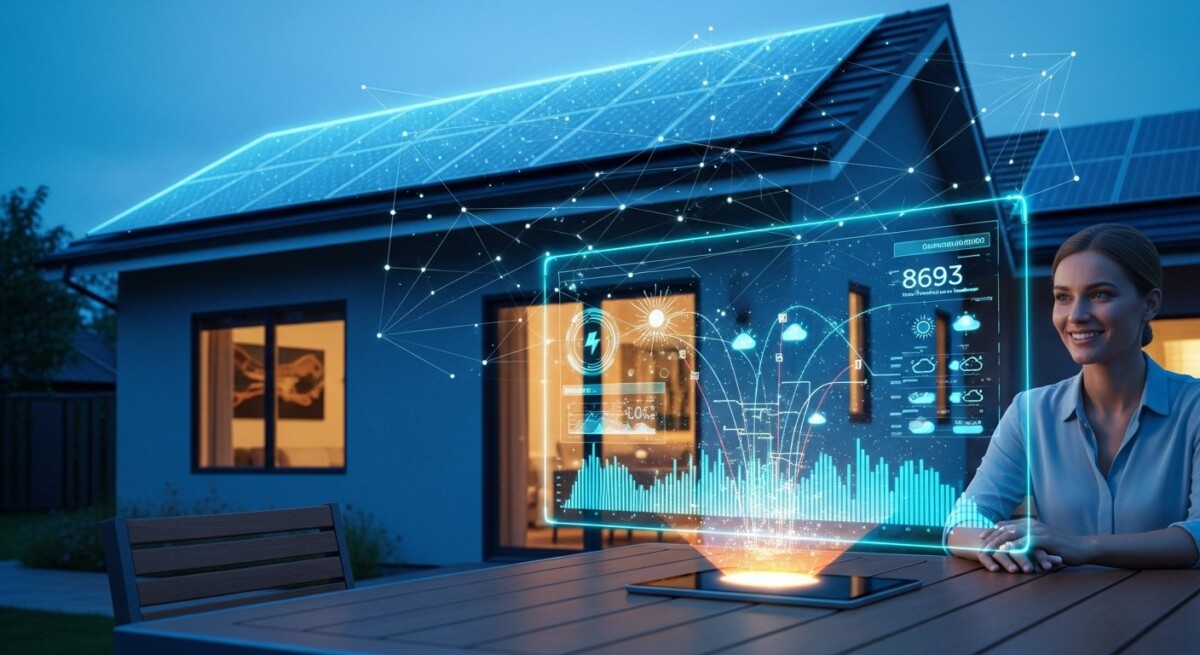
Your monthly electricity bill keeps climbing, and it feels like there is little you can do about it. Many homeowners are now turning to ai solar analytics to take control of their energy costs and reduce dependence on the power grid. This technology helps you understand exactly how much solar power your home needs, so you can stop overpaying and start saving.
Understanding AI Solar Analytics
AI solar analytics uses artificial intelligence to analyze your home’s energy usage, local weather patterns, and roof characteristics. Instead of guessing how many panels you need, the software crunches real data to design a system that matches your lifestyle. It predicts how much electricity your panels will generate on cloudy days, sunny afternoons, and even during winter months.
This technology is becoming popular because it removes the guesswork from solar installation. Homeowners no longer rely on rough estimates; they receive a precise, data-driven plan that maximizes savings. In our guide on how AI solar analytics maximize your home’s energy savings, we explain how this process works step by step.
Why Solar Energy Is Becoming More Popular
Electricity rates have risen sharply over the past decade, and they show no sign of slowing down. Solar power offers a way to lock in a lower, predictable energy cost for decades. Many homeowners also want to reduce their carbon footprint and contribute to a cleaner environment.
Long-term savings are a major driver as well. A well-designed solar system can pay for itself within six to ten years and continue generating free electricity for twenty-five years or more. Government incentives, such as the federal solar tax credit, make the upfront cost more manageable and speed up the return on investment.
If you are considering solar power for your home, comparing installation quotes can help you understand your options. Request a free solar quote or call to learn more.
Common Questions Homeowners Have About Solar
Many homeowners worry about the upfront cost of solar panels and whether their roof can support them. Others question how well the system will perform in different weather conditions. These are valid concerns, but professional installers can address each one with data and experience.
AI solar analytics helps answer these questions before you commit. The software evaluates your roof’s orientation, shading, and structural integrity, then estimates how much energy the system will produce year-round. This transparency builds trust and helps you make an informed decision.
- How much does a solar system cost for an average home?
- Will my roof need repairs or replacement before installation?
- How long will the panels last, and what warranties apply?
- What happens on cloudy days or at night?
- Can I add battery storage later?
- How do government incentives reduce my net cost?
How Solar Panel Installation Works
The installation process begins with a home energy assessment, where an installer reviews your electricity bills and inspects your roof. Using AI analytics, they design a system tailored to your specific needs and local climate. Next, the installer handles permits and approvals with your city or utility company.
Once permits are secured, the physical installation usually takes one to three days. After the panels are mounted and wired, a final inspection is performed, and the system is activated. From start to finish, a professional installer manages every step so you don’t have to worry about costly mistakes.
- Home energy assessment and data collection
- System design using AI solar analytics
- Permits and utility approvals
- Panel mounting and electrical work
- Inspection and system activation
Speaking with experienced installers can help you determine the best solar solution for your home. Compare solar quotes here or call to explore available options.
Signs Your Home May Be Ideal for Solar
Not every home is equally suited for solar, but many properties can benefit. The ideal home receives strong, direct sunlight for most of the day, especially on south-facing roof sections. If your electricity bills are high and you plan to stay in your home for several more years, solar becomes even more attractive.
Professional installers use AI tools to assess your home’s specific conditions. They consider factors like roof age, shading from trees or nearby buildings, and local weather patterns. This analysis helps you avoid investing in a system that underperforms.
- Your roof gets at least five hours of direct sunlight daily
- Your monthly electricity bills are $100 or more
- You have ample roof space facing south, east, or west
- You plan to stay in your home for at least five more years
- Your roof is in good condition or less than ten years old
- Your state or utility offers net metering or solar incentives
What Affects Solar Installation Costs
Solar system costs vary based on the size of the system, the quality of the equipment, and the complexity of the installation. A larger system that covers all your electricity needs will cost more upfront but deliver greater long-term savings. High-efficiency panels and premium inverters also increase the price but improve performance.
Installation complexity plays a role too. A simple roof with easy access is cheaper to install than a steep, multi-story roof with multiple angles. Local incentives, including the federal tax credit and state rebates, can reduce your net cost by 30 percent or more. Getting multiple quotes ensures you understand these variables and find the best value.
The cost of solar installation varies depending on your home and energy needs. Request personalized solar quotes or call to see what options are available.
Tips for Choosing a Reliable Solar Installer
Choosing the right installer is just as important as choosing the right equipment. A reputable company will perform a thorough site assessment, provide a clear contract, and stand behind their work with solid warranties. Checking online reviews and asking for references can reveal how they treat customers after the sale.
Always compare multiple quotes before making a decision. Each installer may recommend different equipment or system sizes, and comparing them side by side helps you spot overpriced options or undersized designs. AI solar analytics can also help you evaluate which proposal offers the best long-term value.
- Review the installer’s experience and certifications
- Check warranty coverage for panels, inverters, and workmanship
- Read customer reviews on independent platforms
- Compare at least three detailed quotes
- Ask about monitoring tools and performance guarantees
Long-Term Benefits of Installing Solar Panels
Once your solar system is installed, your monthly electricity bills will drop significantly, often by 50 to 90 percent. Over twenty-five years, those savings can add up to tens of thousands of dollars. Solar panels also increase your home’s resale value, with studies showing a premium of around 4 percent on average.
Beyond financial gains, solar energy reduces your household’s carbon emissions by replacing fossil-fuel-generated electricity with clean, renewable power. You also gain a measure of energy independence, protecting yourself from future rate hikes and grid instability. AI solar analytics ensures your system is optimized to deliver these benefits from day one.
How does AI solar analytics work?
AI solar analytics collects data from your home’s energy usage, local weather, and roof characteristics. It then uses machine learning algorithms to predict how much electricity a solar system will produce and how much you will save. This allows installers to design a custom system that maximizes your return on investment.
Is AI solar analytics accurate?
Yes, it is highly accurate because it processes real data rather than generic estimates. The software accounts for factors like shading, panel orientation, and historical weather patterns. Many homeowners find that the predictions closely match their actual energy production after installation.
Do I need AI analytics for my solar system?
While not strictly required, it greatly improves the likelihood of a system that meets your needs. Without it, you risk oversizing or undersizing your system, which can cost you money in the long run. Most professional installers now include AI analytics as part of their standard service.
How long do solar panels last?
Most solar panels come with a 25-year performance warranty and continue producing electricity for 30 years or more. Their efficiency gradually decreases over time, but they still generate substantial power. Regular cleaning and occasional maintenance help extend their lifespan.
Will solar panels work during a power outage?
Standard grid-tied solar systems shut down during an outage for safety reasons. If you want backup power, you can add battery storage, which stores excess energy for use when the grid goes down. AI analytics can help you size the battery correctly for your needs.
Can I install solar panels myself to save money?
DIY installation is possible but risky and often voids warranties. Professional installers ensure the system meets local building codes and utility requirements, which protects you from fines and safety hazards. They also handle permits and inspections, saving you time and hassle.
What government incentives are available for solar?
The federal solar investment tax credit (ITC) allows you to deduct 30 percent of your system cost from your federal taxes. Many states and utilities offer additional rebates, performance payments, or net metering programs. Your installer can help you identify and apply for all applicable incentives.
How much can I save by switching to solar?
Savings vary based on your location, energy usage, and system size, but many homeowners save $10,000 to $30,000 over twenty years. AI solar analytics provides a personalized savings estimate before you commit. Getting multiple quotes ensures you find the system with the best payback period.
Solar energy offers a practical path to lower bills, greater energy independence, and a cleaner planet. With AI solar analytics, you can move forward with confidence, knowing your system is designed for your home’s unique needs. Take the next step today by comparing installation quotes from trusted professionals and discovering the savings waiting for you.