How AI Improves Energy Efficiency for Home Solar
Every month, you open your electricity bill and feel a familiar pinch. Rising energy costs are pushing more homeowners to search for ways to reduce their monthly expenses and gain more control over their home’s power use. That search often leads to a powerful question: how AI improves energy efficiency and whether solar panels can deliver real savings.
Solar energy offers a practical path to lower electricity bills and greater energy independence. By turning sunlight into electricity, you can shrink your reliance on the grid and lock in predictable energy costs for years to come.
Understanding how ai improves energy efficiency
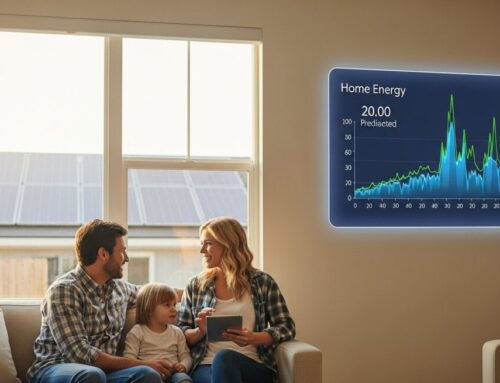
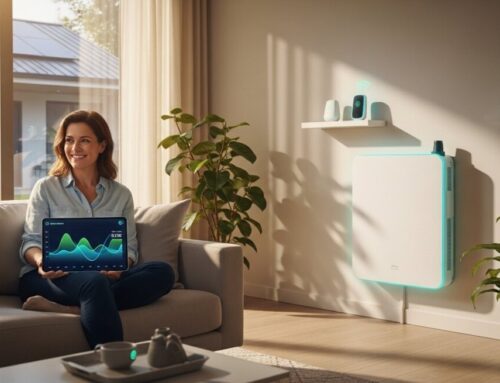
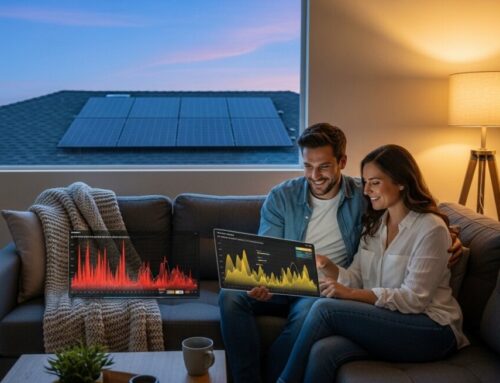
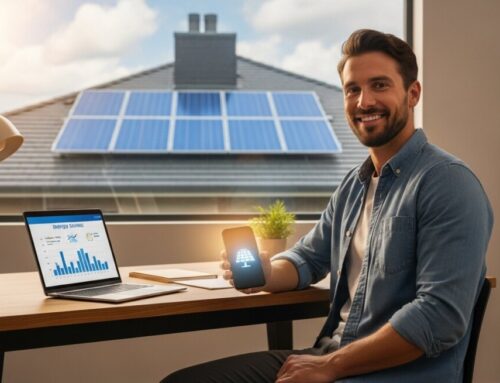
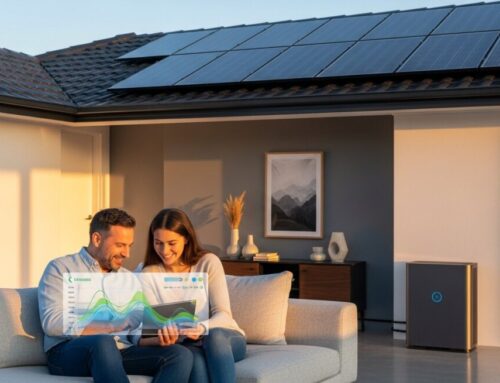
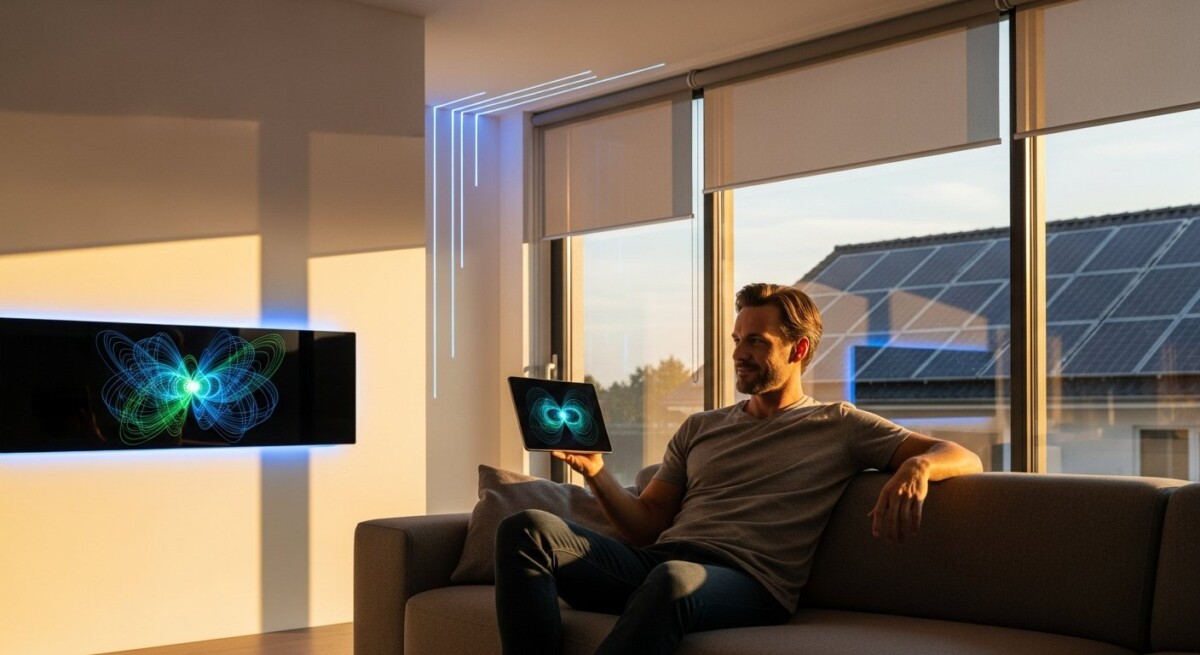
Artificial intelligence (AI) is not just for tech companies or futuristic labs. In the solar world, AI acts like a smart assistant that learns your home’s energy habits and automatically adjusts your solar system for peak performance.
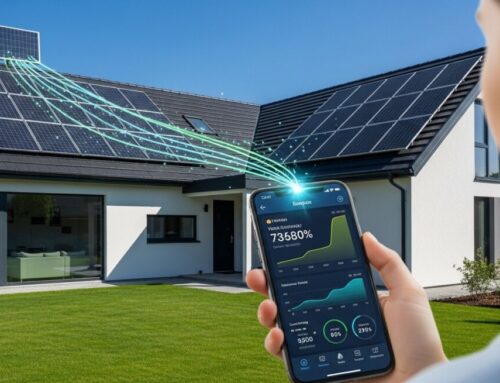
AI-powered software analyzes weather forecasts, your daily electricity usage, and your solar panel output in real time. It then optimizes when your home draws power from the panels, stores excess energy in batteries, or pulls from the grid. This intelligent management means you use more of the clean energy you generate and waste less.
More homeowners are choosing AI-enhanced solar systems because they deliver higher efficiency without any extra effort. You simply enjoy lower bills and a smoother energy experience. In our guide on how AI improves energy efficiency for your home solar system, we explain how this technology can maximize your savings.
Why Solar Energy Is Becoming More Popular
Electricity rates keep climbing, and unpredictable utility costs make budgeting difficult. Solar power gives you a direct way to offset those rising prices by generating your own electricity.
Many homeowners also want to reduce their carbon footprint. Solar energy produces clean, renewable power without harmful emissions, making it one of the simplest ways to contribute to a healthier planet.
Beyond environmental benefits, solar offers long-term financial savings. Once your panels are installed, the fuel,sunlight,is free. Over 20 to 30 years, that can add up to tens of thousands of dollars in reduced electricity costs.
If you are considering solar power for your home, comparing installation quotes can help you understand your options. Request a free solar quote or call to learn more.
Common Questions Homeowners Have About Solar
Switching to solar can feel overwhelming at first. You probably have questions about cost, installation, and whether your home is a good fit.
The most frequent concerns include upfront investment, roof suitability, system performance in cloudy weather, and maintenance. Understanding these factors before you start can save you time and money.
- How much does a residential solar system cost?
- Will solar panels work on my roof?
- What happens during cloudy days or at night?
- How long do solar panels last?
- Do I need a battery with my solar system?
- What warranties come with solar equipment?
How Solar Panel Installation Works
Professional solar installation follows a clear, step-by-step process that takes the guesswork out of going solar. A qualified installer handles everything from design to activation.
First, a technician visits your home to assess your energy usage, roof condition, and sun exposure. Then they design a custom system that fits your needs and budget.
- Home energy assessment and site inspection
- System design and equipment selection
- Permits and approvals from local authorities
- Professional panel installation on your roof or ground mount
- System activation and connection to the grid
Speaking with experienced installers can help you determine the best solar solution for your home. Compare solar quotes here or call to explore available options.
Signs Your Home May Be Ideal for Solar
Not every home is perfectly suited for solar, but many are. Certain conditions make solar installation more effective and financially rewarding.
Your home’s orientation, roof condition, and local climate all play a role. Homes with south-facing roofs and minimal shading tend to generate the most electricity.
- Your roof gets strong, direct sunlight for most of the day
- You consistently pay high electricity bills
- Your roof has enough usable space and is in good condition
- You plan to stay in your home for at least five to ten years
- Your local utility offers net metering or time-of-use rates
What Affects Solar Installation Costs
Solar system prices vary based on the size of the system, the quality of the panels and inverters, and how complex the installation is. A larger home with higher energy needs will require more panels, which increases the total cost.
Equipment quality also matters. Premium panels and inverters often come with better warranties and higher efficiency, which can improve long-term savings. Local factors like permitting fees, labor rates, and roof type also influence the final price.
Government incentives and rebates can significantly lower your upfront costs. The federal solar tax credit, for example, allows you to deduct a percentage of your installation costs from your taxes. Many states and utilities offer additional rebates or performance-based incentives.
The cost of solar installation varies depending on your home and energy needs. Request personalized solar quotes or call to see what options are available.
Tips for Choosing a Reliable Solar Installer
Finding the right installer is one of the most important steps in your solar journey. A professional, experienced company will design a system that works efficiently and lasts for decades.
Take your time to research local installers. Look for companies with strong reputations, clear communication, and transparent pricing.
- Review the installer’s experience and number of completed projects
- Check equipment and workmanship warranties carefully
- Read customer reviews on independent platforms
- Compare at least three detailed quotes before making a decision
Long-Term Benefits of Installing Solar Panels
Solar panels are a long-term investment that pays off year after year. The most immediate benefit is lower electricity bills, often by 50% to 100% depending on your system size and energy use.
Your home’s value also increases. Studies show that homes with solar panels sell faster and at higher prices than comparable non-solar homes. Plus, you gain energy independence, protecting yourself from future rate hikes.
On top of financial gains, you reduce your environmental impact by cutting greenhouse gas emissions. Every kilowatt-hour of solar energy you use means less fossil fuel burning.
How long do solar panels last?
Most solar panels come with performance warranties of 25 to 30 years. They continue producing electricity beyond that, though at a slightly reduced efficiency. With proper maintenance, panels can last 30 years or longer.
Will solar work during a power outage?
Standard grid-tied solar systems shut off during a blackout for safety reasons. If you want backup power, you need a solar battery system. Batteries store excess energy for use when the grid goes down.
Do I need to clean my solar panels?
Rain usually keeps panels clean enough. In dry or dusty areas, occasional cleaning with water can help maintain efficiency. Most systems require very little maintenance overall.
How much can I save with solar?
Savings depend on your local electricity rates, system size, and sun exposure. Many homeowners save between $10,000 and $30,000 over 20 years. Using an AI-optimized system can increase those savings by improving energy efficiency.
What government incentives are available?
The federal solar investment tax credit (ITC) allows you to deduct a percentage of your solar installation cost from your federal taxes. Many states, cities, and utilities also offer rebates, tax credits, or net metering programs. Incentives change frequently, so it pays to check current options.
Can I install solar panels myself?
DIY solar installation is possible but not recommended for most homeowners. Professional installers handle permits, safety codes, and proper system design. Mistakes can void warranties or create electrical hazards.
How do I choose between solar panel brands?
Focus on efficiency, warranty, and manufacturer reputation. Your installer can recommend brands that perform well in your climate and meet your budget. Comparing multiple quotes helps you see different brand options side by side.
What is net metering?
Net metering lets you send excess solar electricity back to the grid in exchange for credits. You can use those credits when your panels aren’t producing, lowering your overall bill. Not all utilities offer net metering, so check your local policy.
Solar energy is a smart, practical way to reduce your electricity bills, increase your home’s value, and contribute to a cleaner environment. With advances like AI-driven optimization, modern solar systems are more efficient and convenient than ever. The best way to start is by exploring your options and comparing installation quotes from trusted professionals. Request a free solar quote or call to take the first step toward energy savings.