AI Solar Forecasting: Unlock Bigger Home Energy Savings
Imagine looking at your monthly electricity bill and feeling a knot in your stomach. Rates keep climbing, and you wonder if there is a way to finally take control. Many homeowners like you are now searching for smarter ways to reduce energy costs, and one of the most promising solutions is AI solar forecasting. This technology is changing how solar panels work, helping families save more and rely less on the power grid.
Understanding AI Solar Forecasting
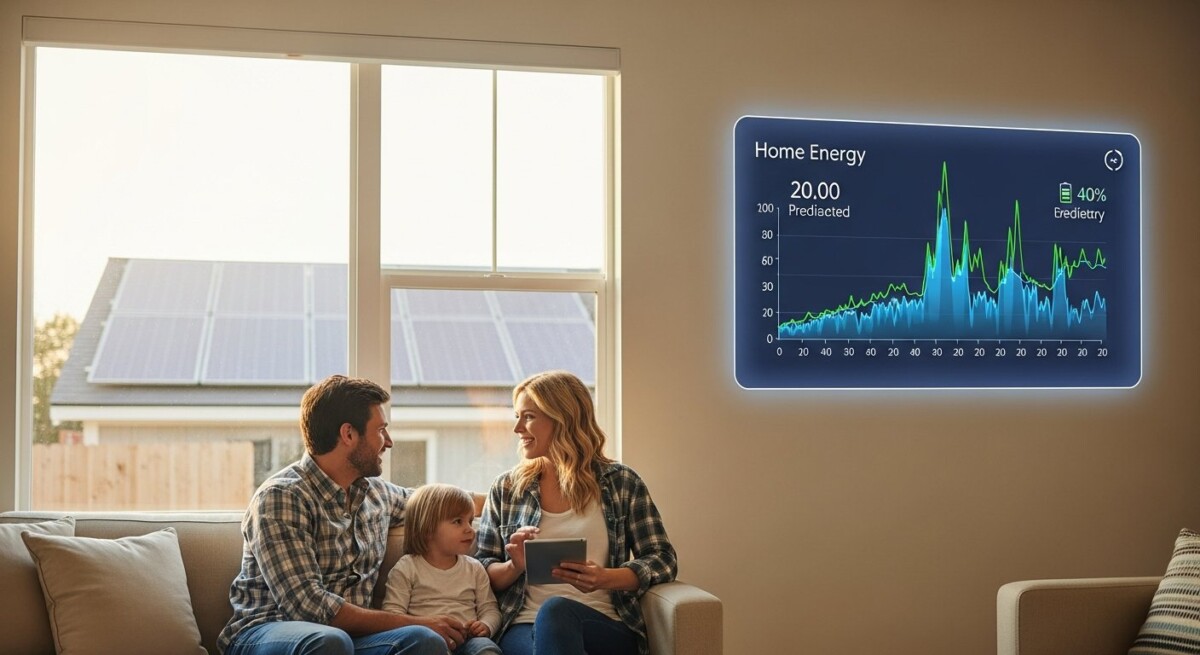
AI solar forecasting uses artificial intelligence to predict how much sunlight your solar panels will receive over the next few hours or days. Instead of guessing, the system analyzes weather data, cloud movements, and historical patterns to create an accurate energy production forecast.
This prediction allows your solar system to optimize when it stores energy, when it uses battery power, and when it pulls from the grid. For a homeowner, this means fewer surprises and more savings. In our guide on AI solar forecasting explained, we break down how this technology works step by step.
How the Technology Works
At its core, AI solar forecasting combines satellite images, local weather station data, and machine learning algorithms. The system learns from past weather patterns and adjusts its predictions in real time. Your inverter or home energy management system then uses this forecast to decide the most cost-effective way to use your solar power,whether that means running appliances during peak sun hours or charging a battery before a cloudy afternoon.
Why Solar Energy Is Becoming More Popular
Electricity prices have risen steadily over the past decade, and many homeowners feel the pinch. Solar energy offers a way to lock in lower energy costs and protect yourself from future rate hikes. Environmental concerns also play a big role,people want to reduce their carbon footprint without sacrificing comfort.
Long-term savings are another powerful draw. A well-designed solar system can pay for itself within six to ten years and continue saving you money for decades. With AI solar forecasting, those savings become even more predictable and reliable.
If you are considering solar power for your home, comparing installation quotes can help you understand your options. Request a free solar quote or call to learn more.
Common Questions Homeowners Have About Solar
Many homeowners worry about the upfront cost of solar panels. While the initial investment can be significant, federal tax credits and local incentives often reduce the price by 30 percent or more. Roof suitability is another frequent concern,most roofs that face south or west with good sun exposure work well.
System performance is also top of mind. Homeowners want to know how much power their panels will actually produce, especially on cloudy days. AI solar forecasting helps answer that question with real data, so you can trust your system’s output.
- How much does a solar system cost after incentives?
- Will my roof support solar panels?
- How long do solar panels last?
- What happens during a power outage?
- Do I need a battery with my solar system?
- How much maintenance do solar panels require?
How Solar Panel Installation Works
Installing solar panels is a straightforward process when you work with experienced professionals. The first step is a home energy assessment, where an installer reviews your electricity bills and examines your roof. This evaluation helps determine the right system size and configuration for your needs.
After the assessment, the installer designs a custom system, handles permits and approvals from your local utility, and schedules the installation. Most residential installations take one to three days, followed by a final inspection and system activation.
- Home energy assessment and bill analysis
- Custom system design and equipment selection
- Permitting and utility approvals
- Professional panel and inverter installation
- System testing and final activation
Speaking with experienced installers can help you determine the best solar solution for your home. Compare solar quotes here or call to explore available options.
Signs Your Home May Be Ideal for Solar
Not every home is equally suited for solar, but many are better candidates than homeowners realize. The most important factor is sunlight exposure,homes with unshaded roofs that face south, east, or west generally produce the most energy. If your electricity bills are high, solar can make even more financial sense.
Roof space and condition also matter. A roof that is less than 15 years old and has at least 300 square feet of usable space is typically a good fit. If you plan to stay in your home for several years, the long-term savings become even more attractive.
- Your roof receives strong, direct sunlight for most of the day
- Your monthly electricity bills are consistently high
- You have at least 300 square feet of usable roof space
- Your roof is in good condition or less than 15 years old
- You plan to stay in your home for at least five more years
- Your local utility has net metering or time-of-use rates
What Affects Solar Installation Costs
System size is the biggest cost driver,larger systems with more panels naturally cost more, but they also produce more electricity. Equipment quality matters too, as high-efficiency panels and premium inverters can increase upfront costs while delivering better long-term performance.
Installation complexity also plays a role. A simple roof with easy access costs less to install than a complex multi-story roof with tile or slate. Local incentives, including the federal solar tax credit and state rebates, can significantly lower your out-of-pocket expense.
The cost of solar installation varies depending on your home and energy needs. Request personalized solar quotes or call to see what options are available.
Tips for Choosing a Reliable Solar Installer
Choosing the right installer is just as important as choosing the right equipment. Look for companies with several years of experience and a solid track record in your area. Check that they offer comprehensive warranties on both equipment and workmanship.
Reading customer reviews and asking for references can give you confidence in your choice. Most importantly, compare multiple quotes before making a decision,this helps you understand pricing, equipment options, and the level of service each installer provides.
- Review the installer’s years of experience and local reputation
- Check that equipment warranties cover at least 25 years
- Ask about workmanship warranties and post-installation support
- Read recent customer reviews on independent platforms
- Request at least three quotes from different installers
- Verify the company’s licenses and insurance coverage
Long-Term Benefits of Installing Solar Panels
Over time, solar panels can dramatically lower your electricity bills. Many homeowners see a 50 to 90 percent reduction in their monthly energy costs, and once the system is paid off, electricity is essentially free. Your home’s value also increases,studies show that solar homes sell for more than comparable non-solar homes.
Beyond financial gains, solar energy reduces your reliance on fossil fuels and shrinks your carbon footprint. With AI solar forecasting, you can maximize these benefits by using your stored energy at the most valuable times. For more on this topic, read our article on AI solar forecasting and smart energy savings.
Frequently Asked Questions
What is AI solar forecasting?
AI solar forecasting uses artificial intelligence to predict how much sunlight your solar panels will receive. It analyzes weather data, cloud patterns, and historical trends to give you an accurate forecast. This helps you use your solar energy more efficiently and save money on electricity bills.
How much can I save with solar panels?
Savings vary based on your location, system size, and energy usage. Most homeowners save between 50 and 90 percent on their monthly electricity bills. Over 20 years, total savings can range from $20,000 to $60,000 or more.
Do solar panels work on cloudy days?
Yes, solar panels still generate electricity on cloudy days, though at a reduced rate. AI solar forecasting helps you plan for these days by predicting output in advance. With battery storage, you can save energy from sunny days to use when it is cloudy.
Is my roof suitable for solar panels?
Most roofs that face south, east, or west with good sun exposure are suitable. Your roof should be in good condition and have enough space for the number of panels you need. A professional installer can assess your roof during a free consultation.
How long does solar panel installation take?
Once permits are approved, installation typically takes one to three days. The entire process, from initial consultation to system activation, usually takes four to eight weeks. Your installer will provide a timeline during the quoting process.
What maintenance do solar panels require?
Solar panels require very little maintenance. Occasionally, you may need to clean them if dust or debris builds up. Most systems come with monitoring software that alerts you if something needs attention.
Are there government incentives for solar?
Yes, the federal solar tax credit currently allows you to deduct 30 percent of your installation costs from your federal taxes. Many states and local utilities offer additional rebates or incentives. Your installer can help you identify all available incentives.
Do I need a battery with my solar system?
A battery is not required, but it can increase your energy independence. With a battery, you can store excess solar power for use at night or during outages. AI solar forecasting helps you manage battery charging and discharging for maximum savings.
Solar energy is a smart investment for homeowners who want to save money, reduce their carbon footprint, and gain energy independence. With AI solar forecasting, you can make the most of your system and enjoy predictable savings year after year. The best way to start is by comparing quotes from trusted installers who can design a system tailored to your home and budget.