AI Solar Forecasting: Boost Savings With Smart Energy
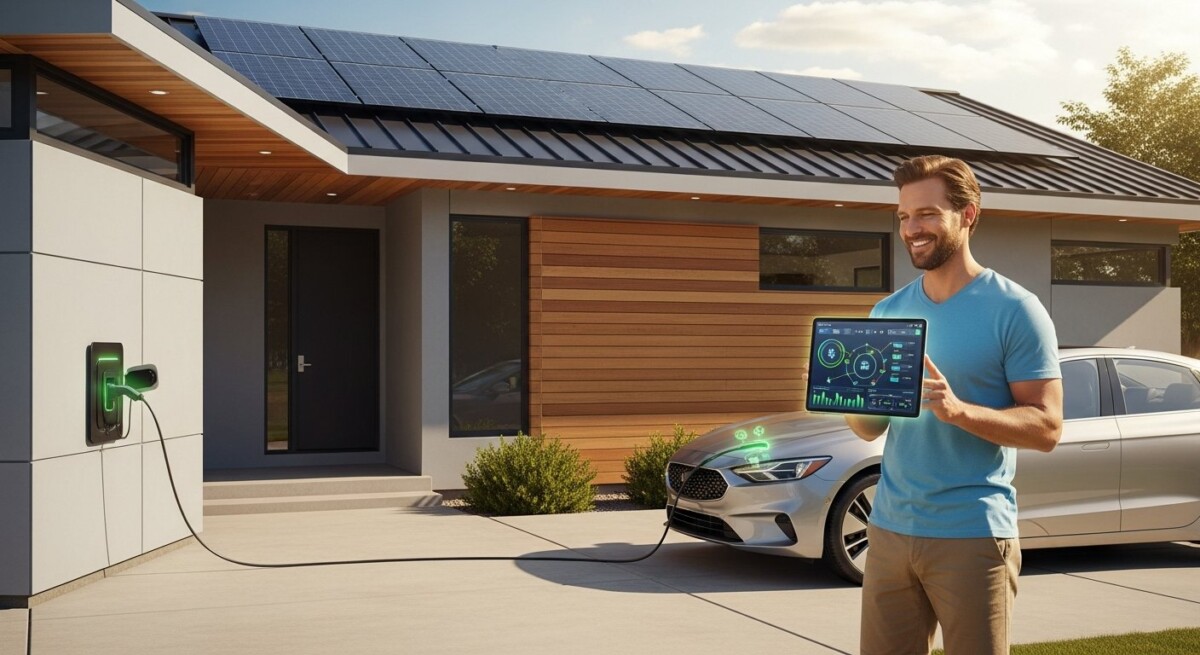
You open your monthly electricity bill and feel a familiar pinch. Rates keep climbing, and you wonder if there is a way to take control. That is why more homeowners are searching for ai solar forecasting , a technology that helps solar systems predict energy production and maximize savings. By combining artificial intelligence with solar panels, you can reduce your power bills and rely less on the grid.
Understanding AI Solar Forecasting
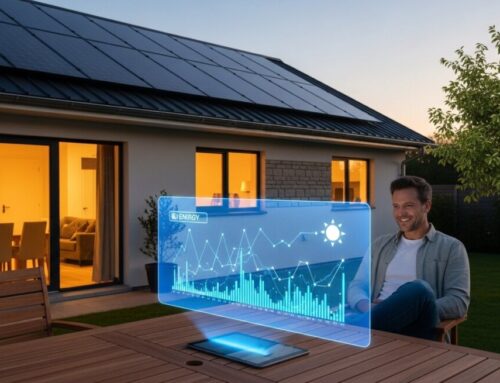
AI solar forecasting uses machine learning to predict how much sunlight your solar panels will receive. It analyzes weather data, cloud patterns, and historical sunlight records to estimate energy output hour by hour. This means your system can adjust energy usage and storage to save you more money.
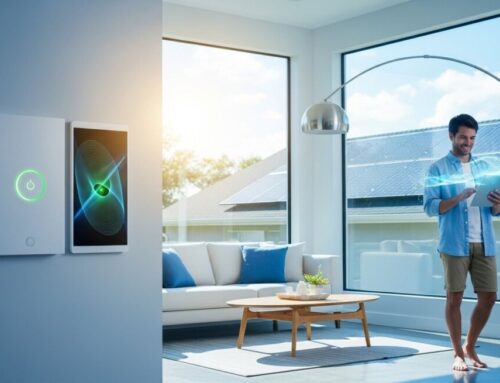
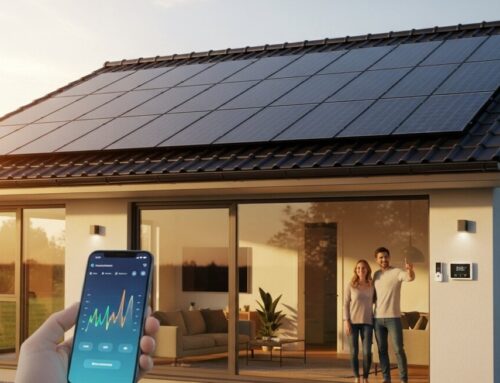
Think of it as a smart assistant for your solar setup. Instead of guessing when to run your dishwasher or charge your electric car, the system tells you the best times. AI solar forecasting helps you use solar power when it is most abundant and store excess energy for later.
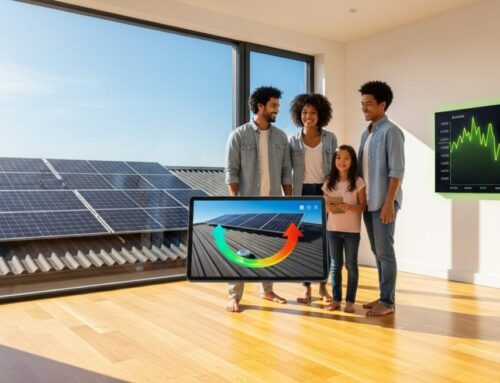
More homeowners are adopting this technology because it turns solar panels into a predictable investment. You no longer rely on rough estimates , the AI gives you real-time insights. This builds confidence that your solar system will perform as expected, even on cloudy days.
How AI Solar Forecasting Works
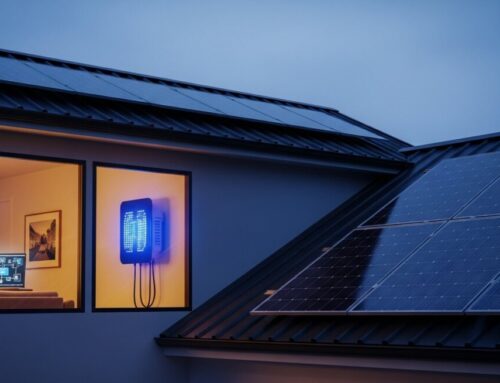
At its core, the technology combines satellite imagery, local weather stations, and machine learning algorithms. The AI learns from past patterns to make accurate short-term and long-term forecasts. This allows your inverter or energy management system to optimize battery charging and grid usage automatically.
Why Solar Energy Is Becoming More Popular
Electricity prices have risen steadily over the past decade, and many homeowners feel the strain. Solar power offers a way to lock in lower energy costs and protect against future rate hikes. In addition, concerns about climate change push people toward cleaner energy sources.
Long-term savings are a major draw. A typical solar system can pay for itself in 6 to 10 years, then deliver free electricity for decades. Federal tax credits and local rebates reduce the upfront cost, making solar more accessible than ever.
Energy independence also appeals to homeowners who want stability. When you generate your own power, you are less affected by blackouts and price spikes. Solar panels turn your home into a mini power plant, giving you control over your energy future.
If you are considering solar power for your home, comparing installation quotes can help you understand your options. Request a free solar quote or call to learn more.
Common Questions Homeowners Have About Solar
Many homeowners worry about the upfront cost of solar panels. While the initial investment can be significant, financing options and incentives make it manageable. Your roof suitability is another common concern , most roofs with good sun exposure work well.
System performance is also a top question. Homeowners want to know how much energy their panels will produce and how weather affects output. Professional installers use tools like ai solar forecasting to provide accurate estimates tailored to your home.
- How much does a solar system cost after incentives?
- Will my roof support solar panels?
- How long does installation take?
- What happens during cloudy weather or at night?
- Do solar panels increase home value?
- How do I maintain my solar system?
How Solar Panel Installation Works
Installing solar panels is a straightforward process when you work with experienced professionals. First, an installer assesses your home’s energy needs and roof condition. Then they design a system that fits your budget and maximizes sunlight capture.
After you approve the design, the installer handles permits and approvals with your local utility and government. The actual panel installation usually takes one to three days. Finally, the system is connected to your home and the grid, and you start saving immediately.
- Home energy assessment , review your bills and roof.
- System design , choose panel type, inverter, and battery if desired.
- Permits and approvals , handle paperwork for your area.
- Panel installation , mount panels and connect wiring.
- System activation , final inspection and turn-on.
Speaking with experienced installers can help you determine the best solar solution for your home. Compare solar quotes here or call to explore available options.
Signs Your Home May Be Ideal for Solar
Not every home is equally suited for solar panels, but many are. If your roof gets strong sunlight for most of the day, you are a great candidate. South-facing roofs with little shade produce the most energy, but east and west orientations also work well.
High electricity bills are another clear sign. If you pay more than $100 per month, solar can likely reduce your costs. Also, if you plan to stay in your home for five years or more, the long-term savings will outweigh the installation expense.
- Your roof receives direct sunlight for at least 4,5 hours daily.
- Your monthly electricity bill is above average.
- You have enough roof space , about 100,300 square feet per kilowatt.
- Your roof is in good condition and less than 10 years old.
- You plan to live in your home for the next 5,10 years.
- Your local utility offers net metering or solar incentives.
What Affects Solar Installation Costs
Solar panel costs depend on the size of the system you need. A larger home with higher energy consumption requires more panels, which increases the price. Equipment quality also matters , premium panels and inverters cost more but often deliver better efficiency and longer warranties.
Installation complexity plays a role too. If your roof is steep, has multiple angles, or requires structural reinforcement, labor costs rise. Local incentives can significantly lower your net cost , the federal solar tax credit alone covers 30% of the system price.
The cost of solar installation varies depending on your home and energy needs. Request personalized solar quotes or call to see what options are available.
Tips for Choosing a Reliable Solar Installer
Choosing the right installer is just as important as choosing the right panels. A reputable company will guide you through permits, incentives, and system design. They also stand behind their work with solid warranties and customer support.
Start by checking each installer’s experience and certifications. Look for companies that have been in business for several years and hold credentials from the North American Board of Certified Energy Practitioners (NABCEP). Reading online reviews and asking for references can reveal how they treat customers after the sale.
- Review the installer’s experience , how many years and installations?
- Check warranty coverage , panels, inverters, and workmanship.
- Read customer reviews on Google, Yelp, or the Better Business Bureau.
- Compare at least three quotes to understand pricing and options.
- Ask about the specific ai solar forecasting tools they use for performance estimates.
Long-Term Benefits of Installing Solar Panels
The most obvious benefit is lower electricity bills. Once your system is paid off, your power costs drop to near zero. Over 25 years, that can mean tens of thousands of dollars in savings, especially as utility rates keep rising.
Solar panels also increase your home’s resale value. Studies show that homes with solar sell for a premium compared to similar homes without it. On top of financial gains, you reduce your carbon footprint , a typical residential system offsets about 3 to 4 tons of carbon dioxide per year.
Energy independence is another long-term win. When you generate your own power, you are less vulnerable to grid outages and price volatility. With a battery backup, you can keep essential appliances running during blackouts, giving you peace of mind.
Frequently Asked Questions
How does AI solar forecasting improve my savings?
AI solar forecasting predicts exactly when your panels will produce the most energy. You can then shift your high-energy tasks , like running the dryer or charging an EV , to those peak hours. This maximizes the solar power you use directly and reduces the electricity you buy from the grid, lowering your bill.
Do I need a battery for AI solar forecasting to work?
No, a battery is not required, but it enhances the benefits. With a battery, the AI can store excess solar energy for use at night or on cloudy days. Without a battery, you still benefit from knowing when to use power during the day.
Is AI solar forecasting expensive?
Many modern solar inverters and energy management systems include AI forecasting at no extra cost. If your system does not have it, you can often add a smart monitoring platform for a small fee. The savings from optimized energy use usually offset the cost quickly.
How accurate is AI solar forecasting?
Accuracy depends on the quality of data and the algorithm. Leading platforms achieve up to 90% accuracy for 24-hour forecasts. Longer-term forecasts are less precise but still far better than simple averages, helping you plan weekly energy use.
Can AI solar forecasting work with my existing solar panels?
Yes, in most cases. If your current system has a compatible inverter or monitoring device, you can upgrade to an AI-powered platform. Check with your installer or the manufacturer to confirm compatibility.
How do I find the best solar installer for my home?
Start by comparing quotes from multiple certified installers. Look for companies that offer transparent pricing, strong warranties, and positive customer reviews. Ask specifically about the ai solar forecasting features they include, as this can vary between providers.
What federal tax credits are available for solar in 2025?
The federal Investment Tax Credit (ITC) allows you to deduct 30% of your solar installation costs from your federal taxes. This credit applies to both panels and battery storage, with no cap on system size. Check with a tax professional to confirm your eligibility.
Will solar panels work during a power outage?
Standard grid-tied solar systems shut off during outages for safety. However, if you pair your panels with a battery backup and an AI-powered inverter, you can keep critical loads running. The AI can even prioritize which appliances get power based on your needs.
Solar energy is a smart investment that saves money, protects the environment, and gives you greater control over your home’s energy. By exploring ai solar forecasting and comparing quotes from trusted installers, you can find a system that fits your budget and delivers long-term value. Start your journey today by requesting free quotes and seeing how much you can save.