AI Energy Management Systems: Cut Bills and Go Solar
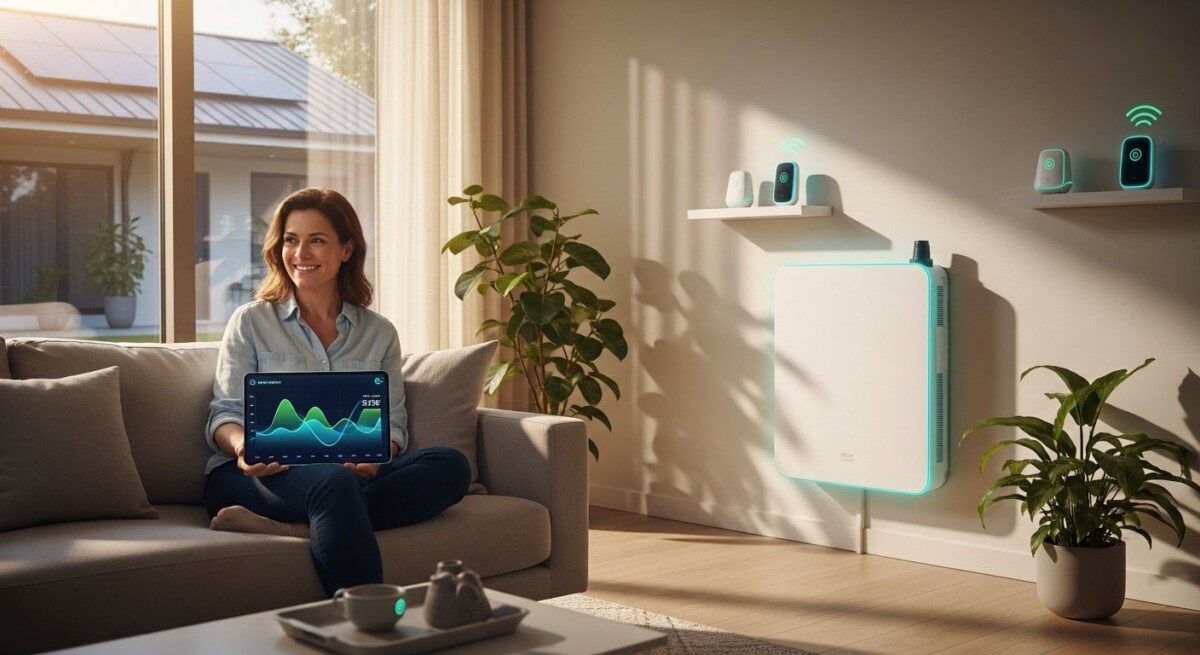
Imagine opening your monthly electricity bill and feeling a knot in your stomach. Rates keep climbing, and it seems like there is little you can do to stop it. Many homeowners are now searching for smarter ways to manage their home energy use, and they are discovering that AI energy management systems offer a powerful solution. These systems help you reduce energy bills, gain more control over your consumption, and become less dependent on the power grid. By combining artificial intelligence with solar energy, you can transform how your home uses power.
Understanding AI Energy Management Systems
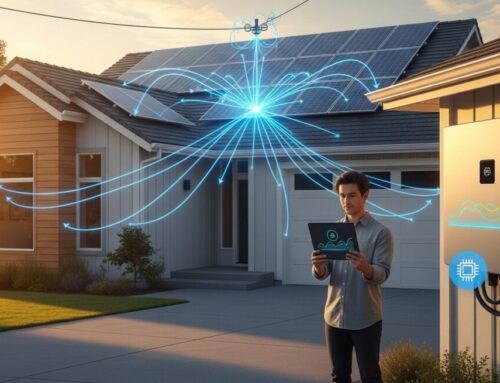
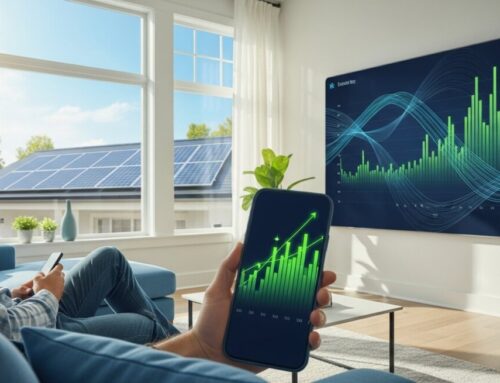
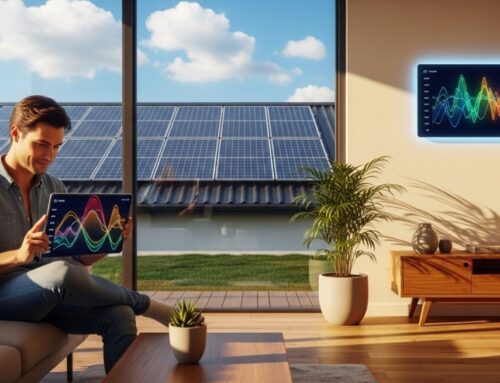
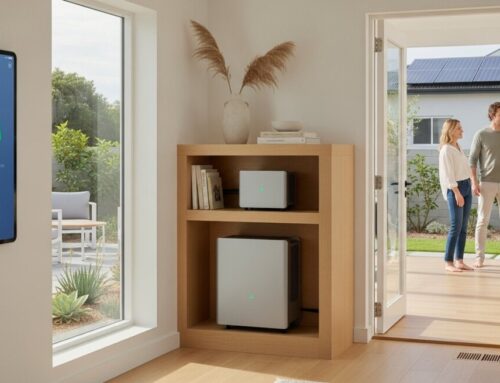
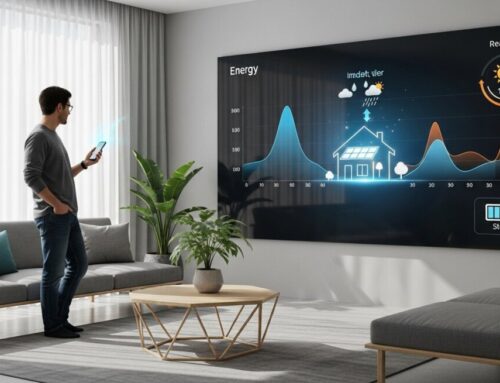
An AI energy management system is a smart platform that monitors, predicts, and optimizes your home’s electricity use. It learns your daily routines, weather patterns, and energy pricing to make real-time decisions about when to pull power from the grid, use stored battery energy, or run your solar panels. Think of it as a thermostat for your entire home, but far more intelligent.
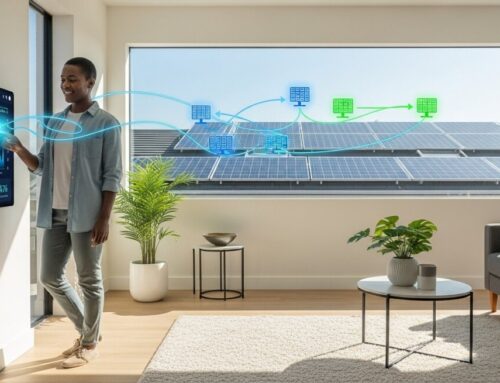
These systems connect to your solar panels, battery storage, and smart appliances. The AI analyzes data from these devices and automatically shifts energy usage to the cheapest or most efficient times. For example, it might charge your battery during low-rate hours or delay running your dishwasher until solar production peaks. More homeowners are considering this technology because it turns solar savings into something automatic and hands-free.
How Does AI Make Solar Smarter?
Traditional solar systems simply send excess energy back to the grid. An AI-enabled system, however, predicts your home’s energy needs and decides whether to store, use, or sell that power. This reduces waste and lowers your bills even further. In our guide on AI solar energy management explained for homeowners, we break down how this technology optimizes every kilowatt-hour.
Why Solar Energy Is Becoming More Popular
Electricity prices have risen steadily across the United States, and many families feel the pinch. Solar energy offers a way to lock in lower rates and protect yourself from future increases. Beyond saving money, homeowners are also motivated by environmental concerns,solar power reduces your carbon footprint without sacrificing comfort.
The long-term savings are compelling. Most solar systems pay for themselves within 6 to 10 years, and after that, your electricity is essentially free. Combine that with federal tax credits and state incentives, and the financial case becomes even stronger. Solar is no longer a niche choice; it is a practical investment for any homeowner looking to control energy costs.
If you are considering solar power for your home, comparing installation quotes can help you understand your options. Request a free solar quote or call to learn more.
Common Questions Homeowners Have About Solar
When exploring solar, most homeowners start with practical concerns. Is it affordable? Will my roof work? How much will I really save? These are valid questions, and professional installers are trained to answer them clearly. The cost of a solar system has dropped dramatically over the past decade, making it more accessible than ever.
Roof suitability depends on factors like orientation, shading, and age. An experienced installer will assess your roof during a free site visit and recommend the best configuration. System performance is also reliable,modern panels come with 25-year warranties and degrade slowly over time. Here are some common questions homeowners have:
- How much does a solar system cost upfront?
- Will solar work on a shaded or older roof?
- What happens during a power outage?
- How long does installation take?
- Do I need battery storage?
- What incentives are available in my area?
How Solar Panel Installation Works
Solar installation follows a straightforward process that minimizes disruption to your daily life. First, a professional installer evaluates your home’s energy usage and roof condition. They design a system tailored to your specific needs, taking into account your electric bills and future energy goals.
Once the design is finalized, the installer handles permits and approvals with your local utility and municipality. The actual panel installation usually takes one to three days, depending on system size. After installation, the system is inspected and connected to the grid, and you start generating clean power. Here are the main steps:
- Home energy assessment and site evaluation
- Custom system design and equipment selection
- Permitting and utility approvals
- Professional panel and inverter installation
- System inspection and activation
Speaking with experienced installers can help you determine the best solar solution for your home. Compare solar quotes here or call to explore available options.
Signs Your Home May Be Ideal for Solar
Not every home is equally suited for solar, but many are better candidates than homeowners realize. If your roof gets strong sunlight for most of the day, you are already in a great position. South-facing roofs with little shade capture the most energy, but east and west orientations can also work well.
High electricity bills are another strong indicator. If you pay more than $100 per month, solar can likely reduce your costs significantly. Adequate roof space is also important,most systems need about 300 to 500 square feet. If you plan to stay in your home for several years, the long-term savings will more than cover the upfront investment. Here are signs your home may be ideal:
- Unshaded roof with southern exposure
- Monthly electricity bills above $100
- Roof in good condition with 20+ years of life
- Plans to stay in your home for at least 5,7 years
- Access to net metering or time-of-use rates
- Interest in adding battery storage for backup power
What Affects Solar Installation Costs
The cost of a solar system varies based on several key factors. System size is the biggest driver,a larger system that covers all your electricity needs will cost more upfront but deliver greater savings. Equipment quality also matters; premium panels and inverters cost more but offer higher efficiency and longer warranties.
Installation complexity can add to the price if your roof is steep, has multiple angles, or requires electrical upgrades. Local incentives and rebates can offset a significant portion of the cost. The federal solar tax credit, for instance, allows you to deduct 30% of your system cost from your federal taxes. In our comprehensive guide on AI energy management systems, we detail how these factors combine to influence your final price.
The cost of solar installation varies depending on your home and energy needs. Request personalized solar quotes or call to see what options are available.
Tips for Choosing a Reliable Solar Installer
Choosing the right installer is just as important as choosing the right equipment. A reputable company will guide you through every step, from design to activation, and help you avoid costly mistakes. Start by reviewing each installer’s experience and certifications, such as NABCEP accreditation.
Warranties are another critical factor. Look for a comprehensive warranty that covers equipment, workmanship, and performance for at least 10 to 25 years. Reading customer reviews on sites like Google or the Better Business Bureau can give you insight into the company’s reliability. Always compare multiple quotes before making a decision. Here are some practical tips:
- Verify installer licenses and insurance
- Ask about equipment brands and warranty terms
- Read recent customer reviews and testimonials
- Request at least three detailed quotes for comparison
- Check for hidden fees or financing terms
- Ask how the installer handles permits and inspections
Long-Term Benefits of Installing Solar Panels
Installing solar panels is one of the most impactful home improvements you can make. Over the life of your system, you can save tens of thousands of dollars on electricity bills. These savings grow as utility rates rise, making solar a hedge against inflation.
Solar also increases your home’s resale value. Studies show that homes with solar panels sell faster and at a premium compared to homes without. Beyond financial gains, you reduce your environmental impact and gain a measure of energy independence. With an AI energy management system, you can maximize those benefits automatically.
Frequently Asked Questions
What is an AI energy management system?
An AI energy management system uses artificial intelligence to monitor and control your home’s energy use. It learns your habits and adjusts solar, battery, and grid usage to save money and improve efficiency. This technology works with your solar panels to maximize savings automatically.
How much can I save with solar panels?
Savings vary based on location, system size, and energy usage. Most homeowners save between $10,000 and $30,000 over 20 years. Using an AI system can increase those savings by optimizing when you use or store energy.
Does solar work during cloudy days or winter?
Yes, solar panels still generate electricity on cloudy days, though at reduced output. Modern panels are efficient even in diffuse light. Battery storage can help you use solar power at night or during winter months when sunlight is limited.
What government incentives are available for solar?
The federal solar investment tax credit (ITC) allows you to deduct 30% of your system cost from your taxes. Many states and utilities offer additional rebates, tax credits, or net metering programs. Local incentives can reduce your upfront cost by thousands of dollars.
How long do solar panels last?
Most solar panels come with a 25-year performance warranty and can last 30 years or more. They degrade slowly, typically losing less than 0.5% efficiency per year. Inverters may need replacement after 10 to 15 years.
Do I need a battery with my solar system?
A battery is optional but recommended if you want backup power during outages or want to maximize self-consumption. An AI system can manage battery charging and discharging to optimize savings. Batteries also allow you to store excess solar energy for use at night.
Will solar panels damage my roof?
No, properly installed solar panels do not damage your roof. Installers use mounting systems that secure panels without causing leaks. In fact, panels can protect the roof area they cover from weather and UV exposure.
How do I get started with solar?
Start by researching local installers and requesting quotes. A professional will assess your home, explain your options, and help you apply for incentives. Comparing multiple quotes ensures you get the best system and price for your needs.
Solar energy is a smart investment that pays off for years to come. Whether you are motivated by saving money, protecting the environment, or gaining energy independence, the first step is simple: compare installation quotes from trusted professionals. Take control of your energy future today.