AI Solar Monitoring Explained: Boost Your Home Savings
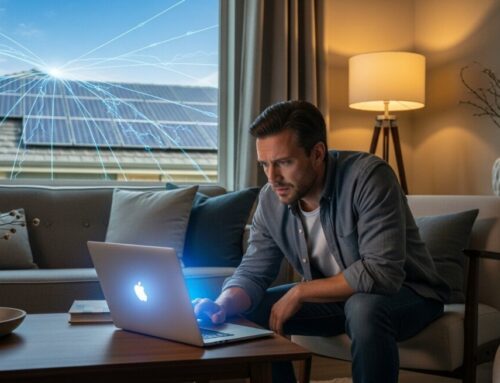
You open your monthly electricity bill and feel a familiar pang of frustration. Rates keep climbing, and you wonder if there is a better way to power your home. This is exactly why so many homeowners are now searching for ai solar monitoring explained , they want to cut costs, gain control, and reduce reliance on the grid.
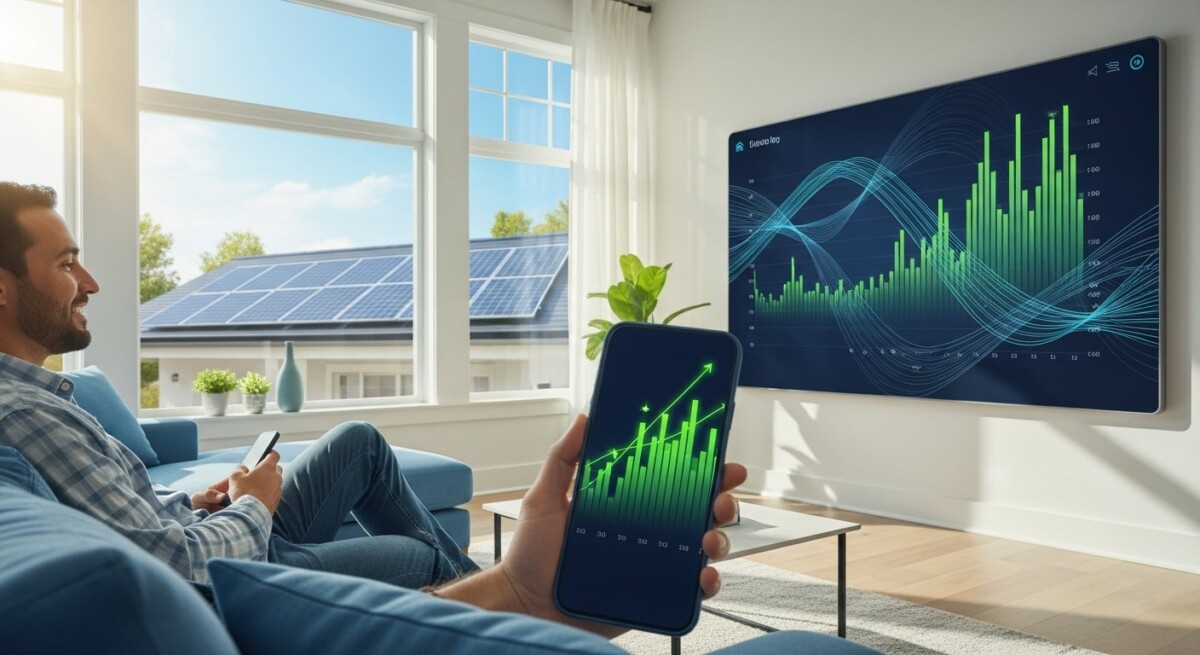
Solar energy has become a practical solution for families tired of unpredictable utility bills. By generating your own electricity, you can lower monthly expenses and protect your household from future rate hikes. AI solar monitoring explained in simple terms means using smart software to track exactly how much energy your panels produce and how much you save , all from your phone or computer.
This article walks through everything you need to know about solar monitoring, installation, costs, and long-term savings. By the end, you will feel confident comparing quotes and choosing the right system for your home.
Understanding AI Solar Monitoring Explained
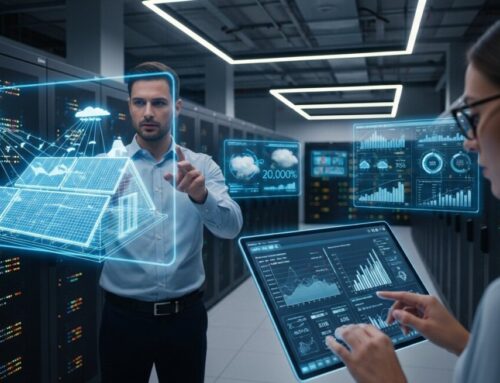
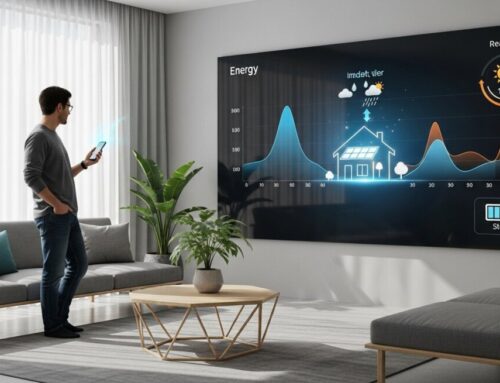
AI solar monitoring refers to intelligent software that tracks your solar panel system’s performance in real time. Instead of guessing whether your panels are working efficiently, the system sends detailed data about energy production, consumption, and potential issues directly to you.
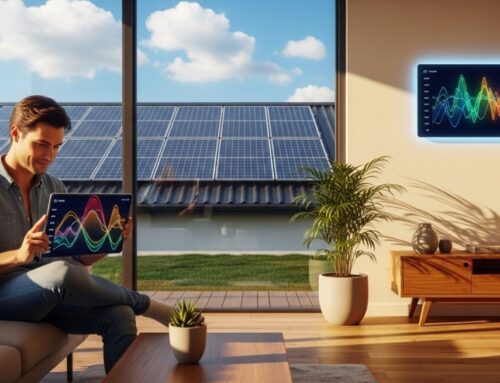
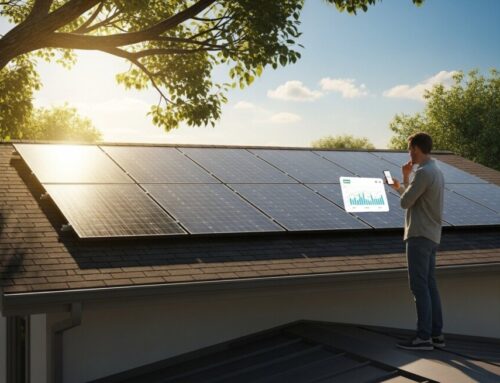
Think of it as a fitness tracker for your home’s energy. The AI analyzes patterns, detects shading, dirty panels, or equipment faults, and alerts you before small problems become expensive repairs. This technology helps you maximize the electricity your panels generate, which directly lowers your monthly bills.
More homeowners are choosing systems with AI monitoring because it removes the guesswork. You can see exactly how much solar power you are using versus pulling from the grid, making it easier to shift high-energy tasks like laundry or EV charging to sunny hours. For a deeper look at how this technology works, check out our complete guide to AI solar monitoring.
How AI Solar Monitoring Works
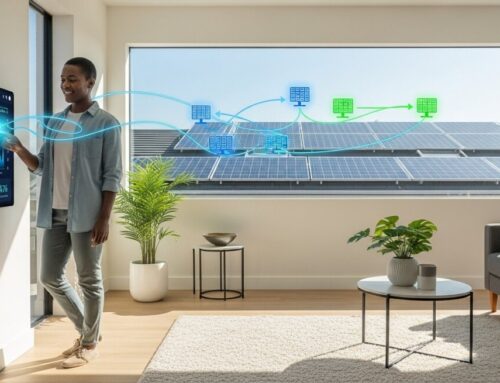
Solar panels convert sunlight into direct current (DC) electricity, and an inverter changes it to alternating current (AC) for your home. The AI monitoring system connects to this inverter and sometimes to individual panels, collecting data every few seconds.
The software processes this information using machine learning algorithms. It compares your actual production against expected output based on weather, season, and panel orientation. If production drops unexpectedly, you receive a notification so you can address the issue quickly , often before your utility bill reflects the loss.
Why Solar Energy Is Becoming More Popular
Electricity rates across the United States have risen steadily over the past decade, and that trend shows no sign of slowing. Homeowners are tired of paying more for the same amount of energy. Solar power offers a way to lock in lower electricity costs for 25 years or more.
Environmental concerns also play a role. Many families want to reduce their carbon footprint and contribute to cleaner air and water. Solar energy produces no emissions during operation, making it one of the most eco-friendly choices available.
Long-term savings are the biggest driver. While the upfront cost of solar panels can seem high, most homeowners recover their investment within six to ten years through lower electric bills. After that, the electricity your panels produce is essentially free , and that adds up to tens of thousands of dollars over the system’s lifetime.
If you are considering solar power for your home, comparing installation quotes can help you understand your options. Request a free solar quote or call to learn more.
Common Questions Homeowners Have About Solar
It is normal to have questions before making a big decision like solar installation. Most homeowners wonder about the total cost, whether their roof can support panels, and how the system will perform year-round.
Installation costs vary widely depending on your location, roof type, and energy needs. However, federal tax credits and local rebates can reduce the price by 30 percent or more. Roof suitability depends on age, material, and sun exposure , a south-facing roof with little shade is ideal, but east and west orientations can also work well.
Performance is another common concern. Solar panels still generate electricity on cloudy days, though at a reduced rate. Modern systems with AI monitoring help you track daily output so you always know what to expect.
- How much does a solar panel system cost?
- Will solar work on my roof?
- What happens during power outages?
- How long do solar panels last?
- Do I need a battery with my solar system?
- Are there government incentives available?
How Solar Panel Installation Works
The solar installation process is straightforward when you work with experienced professionals. It typically begins with a home energy assessment, where an installer reviews your electricity usage, roof condition, and sunlight exposure.
Next, the team designs a custom system sized to meet your energy needs. They handle all permits and approvals with your local utility and city government so you do not have to worry about paperwork. Once approved, the actual installation usually takes one to three days.
Finally, the system is inspected and connected to the grid. After activation, the AI monitoring begins tracking your savings immediately. You can view your energy production and consumption from a smartphone app or web dashboard.
- Home energy assessment and usage analysis
- Custom system design and equipment selection
- Permits, approvals, and utility paperwork
- Panel and inverter installation
- Inspection and grid connection
- System activation and AI monitoring setup
Speaking with experienced installers can help you determine the best solar solution for your home. Compare solar quotes here or call to explore available options.
Signs Your Home May Be Ideal for Solar
Not every home is equally suited for solar panels, but many are a great fit. The most important factor is sunlight exposure , homes with unobstructed south-facing roofs tend to produce the most energy.
Your roof should also be in good condition and have enough space to accommodate the number of panels needed. If you plan to stay in your home for at least five more years, the financial returns from solar will likely outweigh the upfront investment.
- Your roof receives strong, direct sunlight for most of the day
- Your monthly electricity bills are consistently high
- You have adequate roof space without heavy shading from trees or buildings
- You plan to stay in your home for several years
- Your roof is less than 10 years old and in good condition
- Your local utility offers net metering or other solar incentives
What Affects Solar Installation Costs
The cost of a solar system depends primarily on its size , measured in kilowatts , and the quality of the equipment you choose. Higher-efficiency panels and premium inverters cost more but can produce more electricity over their lifetime.
Installation complexity also plays a role. A simple roof with easy access and standard shingles costs less to install than a complex roof with multiple angles, skylights, or tile materials. Local labor rates and permit fees vary by region as well.
Government incentives dramatically reduce net costs. The federal solar investment tax credit (ITC) currently allows you to deduct 30 percent of the system cost from your federal taxes. Many states and utilities offer additional rebates, performance payments, or property tax exemptions that further improve the financial picture.
The cost of solar installation varies depending on your home and energy needs. Request personalized solar quotes or call to see what options are available.
Tips for Choosing a Reliable Solar Installer
Finding a trustworthy installer is just as important as choosing quality equipment. A good installer will conduct a thorough site evaluation, explain the costs and savings clearly, and stand behind their work with solid warranties.
Start by reading online reviews on platforms like Google, Yelp, and the Better Business Bureau. Look for companies with years of experience and a track record of successful installations in your area. Ask for references and follow up with past customers about their experience.
Always obtain multiple quotes before making a decision. Comparing proposals helps you understand fair pricing and avoid high-pressure sales tactics. Pay attention to the equipment brand, warranty terms, and the estimated energy production , not just the bottom-line price.
- Review the installer’s experience and years in business
- Check equipment and workmanship warranties carefully
- Read customer reviews on multiple platforms
- Compare at least three detailed quotes before choosing
- Ask about the AI monitoring system and how to access your data
- Confirm the installer handles permits and utility approvals
Long-Term Benefits of Installing Solar Panels
The most immediate benefit of solar panels is lower electricity bills. Most homeowners see a 50 to 90 percent reduction in their monthly electric costs, depending on system size and local rates. Over 20 years, these savings can exceed $30,000 or more.
Solar panels also increase your home’s resale value. Studies show that homes with solar systems sell for a premium compared to similar homes without them. Buyers recognize the value of lower utility bills and energy independence, making your property more attractive on the market.
Beyond financial gains, solar energy reduces your household’s environmental impact. A typical residential system offsets about three to four tons of carbon dioxide annually , equivalent to planting over 100 trees each year. And with AI monitoring, you can track your green contributions alongside your savings. For more details on maximizing those savings, read our article on boosting home savings with AI solar monitoring.
Frequently Asked Questions
What is AI solar monitoring and how does it work?
AI solar monitoring uses smart software to track your solar panel system’s energy production and consumption in real time. It connects to your inverter and sometimes individual panels, collecting data every few seconds. The AI analyzes patterns and alerts you to issues like shading, dirt, or equipment faults so you can maximize your savings.
How much can I save on my electricity bill with solar panels?
Most homeowners save between 50 and 90 percent on their monthly electric bills after installing solar. The exact amount depends on your system size, local electricity rates, and how much sunlight your roof receives. Over 20 years, these savings often total $20,000 to $40,000 or more.
Are there government incentives for installing solar panels?
Yes, the federal solar investment tax credit (ITC) lets you deduct 30 percent of your system cost from your federal taxes. Many states and utilities also offer additional rebates, performance payments, or property tax exemptions. These incentives can significantly reduce your upfront costs.
How long do solar panels last?
Most solar panels come with a 25-year performance warranty and continue producing electricity well beyond that. They typically degrade about 0.5 percent per year, meaning they still operate at around 87 percent capacity after 25 years. Inverters usually need replacement after 10 to 15 years.
Do I need a battery with my solar system?
Batteries are optional but useful if you want backup power during outages or want to store excess energy for evening use. Without a battery, you rely on net metering , selling extra power back to the grid and drawing from it at night. AI monitoring helps you decide if a battery makes financial sense for your home.
What happens if my solar panels produce more electricity than I use?
Under net metering, your utility credits you for the excess electricity your panels send back to the grid. You can use those credits to offset the power you draw when your panels aren’t producing, such as at night. AI monitoring tracks these credits so you always know your net energy position.
Will solar panels work on a cloudy or rainy day?
Yes, solar panels still generate electricity on cloudy days, though at a reduced rate , typically 10 to 25 percent of their full capacity. Modern panels are designed to capture diffuse sunlight, so you still produce some power even without direct sun. AI monitoring helps you see exactly how much your system generates in all weather conditions.
How do I choose the right solar installer?
Start by getting multiple quotes from licensed, insured installers with good reviews and local experience. Compare the equipment warranties, estimated energy production, and total cost , not just the price. Ask about the AI monitoring system and how you will track your performance before signing a contract.
Solar energy is a practical way to reduce your electricity bills, increase your home’s value, and contribute to a cleaner environment. With AI monitoring, you can track your savings and system performance with confidence. The best next step is to compare quotes from professional installers who can design a system tailored to your home and budget.