Why Solar Output Varies: A Homeowner’s Guide to Maximizing Savings
You open your monthly electricity bill and feel a familiar sting. Rates keep climbing, and it feels like the power company holds all the cards. That’s why so many homeowners are searching for answers to “why solar output varies”,because understanding how solar panels perform is the first step toward taking control of your energy costs. A solar energy system offers a way to reduce those bills and become less dependent on the grid, but only if you know what affects how much power your panels actually produce. Let’s explore the key factors that influence solar panel output, so you can make a smart, informed investment.
Understanding Why Solar Output Varies
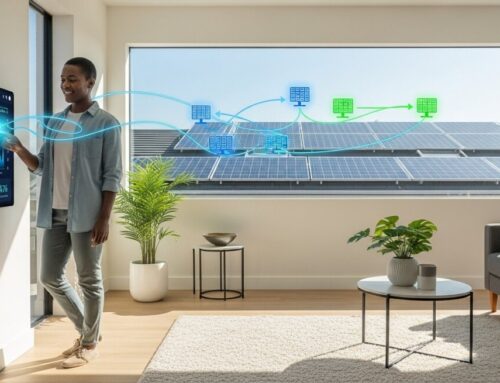
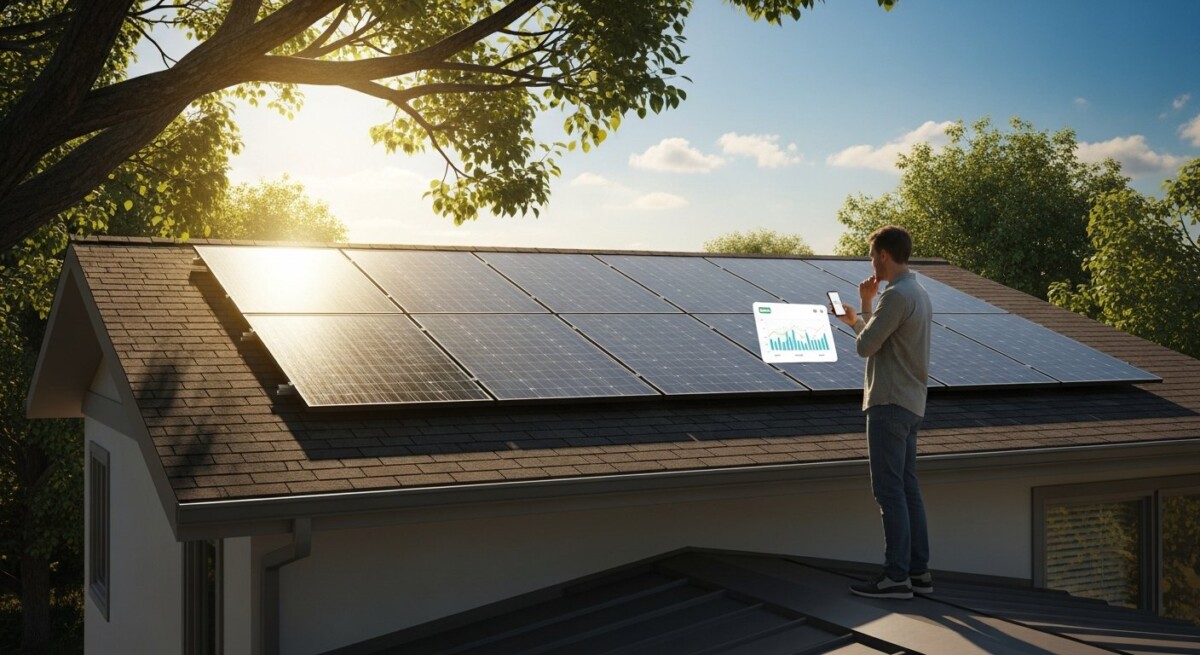
Solar output simply refers to the amount of electricity your solar panels generate at any given time. Think of it like a garden: the amount of produce you harvest depends on sunlight, soil quality, and how you tend the plants. Similarly, your solar system’s performance depends on sunlight intensity, panel orientation, shading, temperature, and even the time of year.
For example, panels produce the most energy on clear, sunny days when the sun is directly overhead. But on cloudy days, in winter, or when trees cast shadows on your roof, output can drop significantly. The good news is that professional installers design systems to account for these variations, maximizing your overall annual savings.
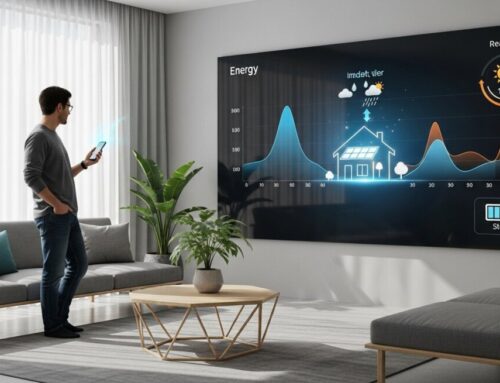
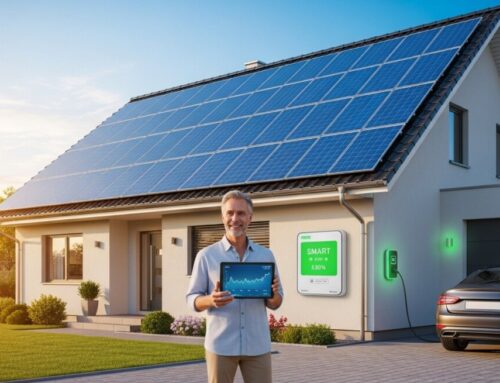
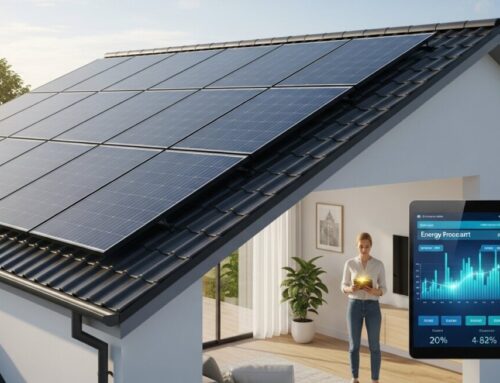
More homeowners are turning to solar because modern monitoring technology now tracks exactly what your panels are doing. This transparency helps you understand your system’s performance and trust that you are getting the savings you expected. In our guide on why solar output varies, we explain how these factors directly affect your return on investment.
Why Solar Energy Is Becoming More Popular
The primary driver behind solar adoption is simple: rising electricity prices. Over the past decade, residential electricity rates have increased steadily, and no reversal is in sight. Solar offers a predictable, lower-cost alternative that protects you from future rate hikes.
Beyond saving money, many homeowners are motivated by environmental concerns. Solar power produces clean, renewable energy that reduces your carbon footprint. It feels good to know your home is part of the solution.
Long-term savings are equally compelling. Although installation requires an upfront investment, most homeowners recoup their costs within 6,10 years through lower utility bills. After that, the electricity your panels generate is essentially free for the remaining 20+ years of the system’s life.
If you are considering solar power for your home, comparing installation quotes can help you understand your options. Request a free solar quote or call to learn more.
Common Questions Homeowners Have About Solar
Before investing, most homeowners have several practical concerns. The most frequent question is about installation cost, which varies based on system size, equipment quality, and roof complexity. But federal and state incentives can reduce the net cost by 30% or more.
Roof suitability is another top concern. Not every roof is ideal,factors like age, material, angle, and shading matter. A professional installer will assess your roof during a free consultation and recommend the best configuration.
System performance also raises questions. Homeowners want to know: “Will my panels work on cloudy days?” Yes, they still generate power, just at a reduced rate. And with net metering, you can store credits from sunny days to use at night or during cloudy periods.
- How much does a typical solar system cost?
- Will solar work on my roof type?
- Do panels require a lot of maintenance?
- How long until I see savings?
- What happens during a power outage?
- Are there government incentives available?
How Solar Panel Installation Works
The installation process may sound complex, but it’s surprisingly straightforward when handled by professionals. The first step is a home energy assessment, where an installer reviews your electricity bills and evaluates your roof’s sun exposure.
Next, the team designs a customized system that matches your energy needs and roof layout. They handle all permits and approvals with your local utility and municipality,saving you a mountain of paperwork.
Finally, the physical installation takes one to three days, followed by system activation and inspection. Your installer will show you how to monitor your system’s output through a smartphone app or web portal.
- Home energy assessment and bill analysis
- Custom system design tailored to your roof
- Permitting and utility approvals
- Professional panel and inverter installation
- System activation and monitoring setup
Speaking with experienced installers can help you determine the best solar solution for your home. Compare solar quotes here or call to explore available options.
Signs Your Home May Be Ideal for Solar
Not every home is perfectly suited for solar, but many are. The most important factor is strong, unobstructed sunlight exposure,ideally a south-facing roof with little to no shade from trees or neighboring buildings.
High electricity bills are another strong indicator. If you pay $100 or more per month, solar can likely reduce those costs significantly. Similarly, if you plan to stay in your home for at least five more years, the long-term savings make the investment worthwhile.
Adequate roof space is also essential. A typical residential system requires roughly 300,400 square feet of clear, structurally sound roof area. An installer can measure your roof and confirm it can support the panels.
- Your roof faces south, west, or east with good sun exposure
- Your monthly electricity bills are $100 or higher
- You have at least 300 square feet of usable roof space
- Your roof is less than 10 years old or in good condition
- You plan to live in your home for the next 5+ years
- Your state or utility offers net metering or solar incentives
What Affects Solar Installation Costs
The price of a solar system depends on several key variables. System size is the largest factor,measured in kilowatts (kW), a bigger system costs more upfront but generates more electricity and greater long-term savings.
Equipment quality matters too. High-efficiency panels and premium inverters cost more but produce more power over their lifetime, especially in less-than-ideal conditions. Installation complexity, such as a steep or complicated roof, can also increase labor costs.
Fortunately, local incentives and the federal Investment Tax Credit (ITC) can dramatically reduce your net cost. In 2025, the ITC offers a 30% tax credit on the total system cost,a savings of thousands of dollars.
The cost of solar installation varies depending on your home and energy needs. Request personalized solar quotes or call to see what options are available.
Tips for Choosing a Reliable Solar Installer
Choosing the right installer is just as important as choosing the right equipment. A reputable company will guide you through every step, from permits to monitoring, and stand behind their work with solid warranties.
Start by reviewing each installer’s experience and certifications. Look for companies with at least 3,5 years in business and certifications from organizations like the North American Board of Certified Energy Practitioners (NABCEP).
Always read customer reviews on platforms like Google and SolarReviews. Pay attention to feedback about installation quality, customer service, and post-installation support. Finally, never settle for a single quote,comparing at least three quotes ensures you get the best value.
- Verify installer licenses, certifications, and insurance
- Check warranty coverage for panels, inverters, and workmanship
- Read recent customer reviews and ask for references
- Compare at least three detailed, itemized quotes
- Ask about monitoring tools and ongoing support
Long-Term Benefits of Installing Solar Panels
The most obvious benefit is lower electricity bills. Once your system is paid off, your monthly energy costs drop dramatically,often by 50,90%. Over 25 years, those savings can total $20,000 to $50,000 or more, depending on your location and energy usage.
Solar also increases your home’s resale value. Studies show that homes with solar panels sell for a premium and spend less time on the market. Buyers recognize the value of a home with lower utility costs already built in.
Beyond financial gains, solar gives you energy independence. You are less vulnerable to grid outages and price spikes. And every kilowatt-hour of solar power you generate reduces carbon emissions, helping create a cleaner, more sustainable future for your family.
How long do solar panels last?
Most solar panels come with a 25-year performance warranty and continue generating electricity well beyond that. They typically degrade at a rate of about 0.5% per year, meaning after 25 years, your panels will still produce around 87,90% of their original output. This longevity ensures decades of savings.
Will solar panels work during a power outage?
Standard grid-tied solar systems shut off during a power outage for safety reasons. However, if you install a battery backup system (like a Tesla Powerwall or LG Chem), you can store excess energy and use it when the grid goes down. Batteries add cost but provide true energy independence.
Do I need to clean my solar panels?
Rain typically does a good job of keeping panels clean. In most areas, you won’t need to clean them more than once or twice a year. If you live in a dusty region or near bird activity, occasional rinsing with a garden hose is sufficient. Avoid abrasive cleaners or pressure washers.
What happens if my panels produce more energy than I need?
With net metering, your utility credits you for excess energy sent back to the grid. Those credits offset the energy you use at night or on cloudy days. Policies vary by state and utility, so your installer will explain how net metering works in your area.
Can I install solar panels myself to save money?
DIY solar installation is possible but not recommended for most homeowners. Mistakes in wiring, mounting, or permitting can lead to safety hazards, voided warranties, and lower system performance. Professional installers guarantee the work and handle all paperwork, saving you time and headaches.
How much can I save with federal solar incentives?
The federal Investment Tax Credit (ITC) allows you to deduct 30% of your total solar system cost from your federal taxes. For example, if your system costs $20,000, the ITC saves you $6,000. Some states offer additional rebates or tax credits, further reducing your net cost.
Will solar increase my property taxes?
In most states, solar panels are exempt from property tax assessments. That means your home’s assessed value may increase, but your property taxes won’t go up as a result. Check with your local tax authority or installer for confirmation in your area.
How do I choose between different panel brands?
Focus on efficiency, warranty length, and manufacturer reputation. Premium brands like SunPower, LG, and REC offer higher efficiency and longer warranties, while budget brands may offer lower upfront costs with slightly lower output. Your installer can recommend options that match your budget and goals.
Understanding why solar output varies empowers you to make a confident, informed decision. Whether you are motivated by lower bills, energy independence, or environmental benefits, solar offers a proven path forward. The best way to start is by comparing quotes from multiple professional installers. They will assess your home, explain your options, and help you choose a system that maximizes your savings. Request a free solar quote today or call to take the first step toward a brighter, more affordable energy future.