What Is Solar Output Prediction and How It Saves You Money
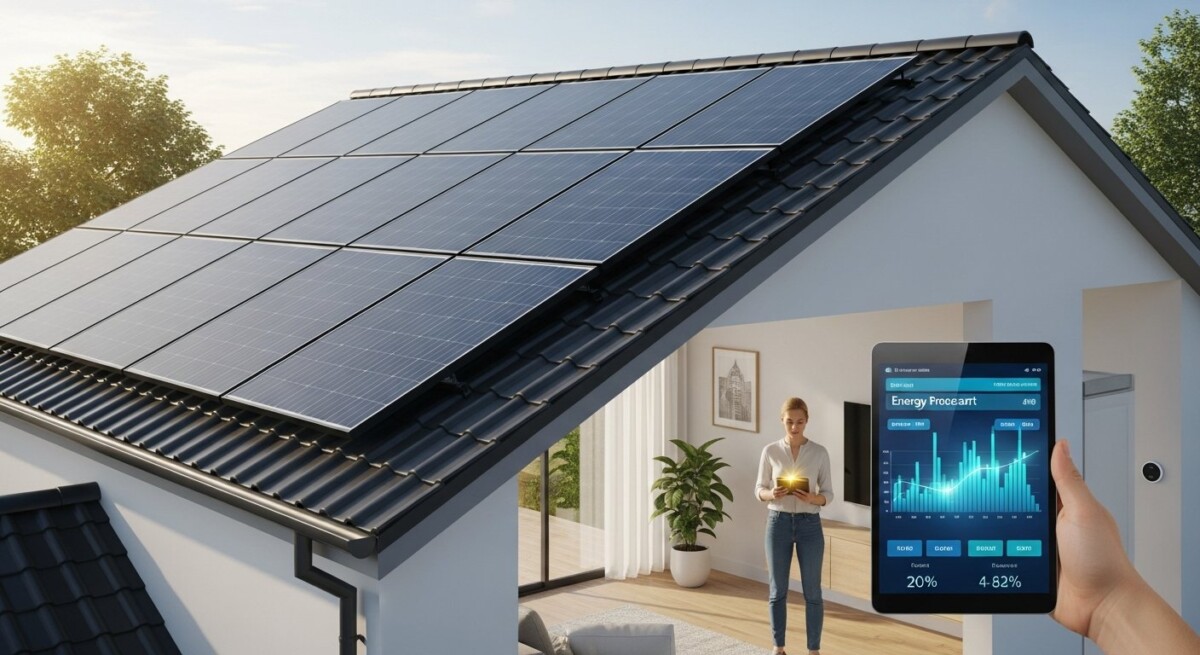
Imagine opening your monthly electricity bill and seeing a number that keeps climbing higher. Many homeowners feel the same frustration, which is why more people are searching for “what is solar output prediction” to understand how solar energy can lower their costs and reduce reliance on the power grid. This article explains the concept in simple language, helping you make an informed decision about solar panel installation.
Understanding What Is Solar Output Prediction
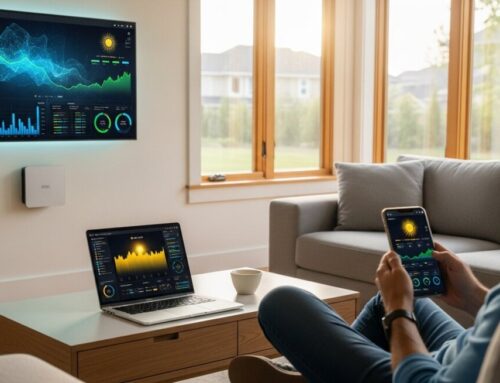
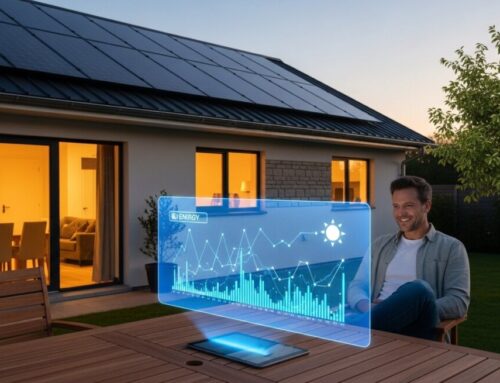
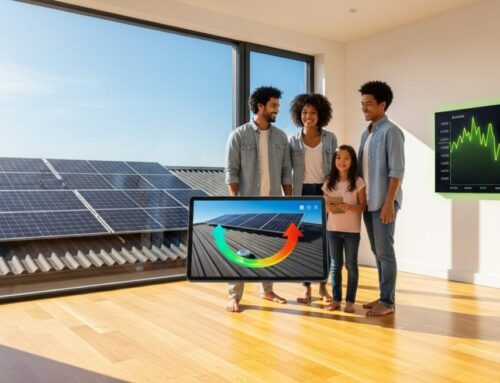
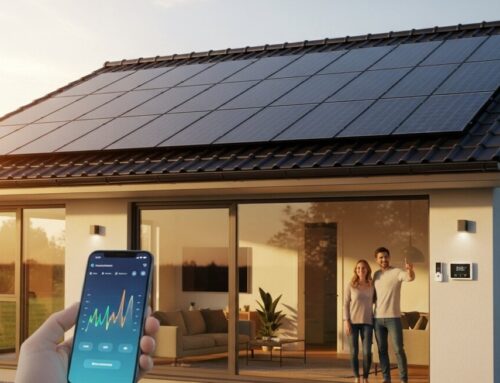
Solar output prediction is the process of estimating how much electricity your solar panels will generate based on factors like sunlight, weather, and system design. It uses historical data and advanced algorithms to forecast daily, monthly, and yearly energy production for your specific location. This allows homeowners to plan their energy usage and calculate potential savings before installing panels.
The prediction works by analyzing your roof’s orientation, shading, local climate patterns, and panel efficiency. Installers input these details into software that simulates energy generation over a year, giving you a reliable estimate of how much power your system will produce. For a deeper look at how smart technology refines these forecasts, check out our guide on AI solar analytics explained.
More homeowners are turning to solar output prediction because it removes guesswork and builds confidence in their investment. Instead of wondering if solar panels will actually save money, you get a data-backed answer that shows long-term financial benefits.
Why Solar Energy Is Becoming More Popular
Rising electricity prices are a major reason homeowners switch to solar. Traditional utility rates increase every year, while solar power locks in lower energy costs for decades. By generating your own electricity, you shield yourself from unpredictable rate hikes and gain predictable monthly expenses.
Environmental concerns also drive interest in solar energy. Panels produce clean, renewable power that reduces your carbon footprint and helps combat climate change. Many homeowners feel good knowing their home contributes to a healthier planet for future generations.
Long-term savings are another compelling factor. Although solar installation requires an upfront investment, the system typically pays for itself within 6 to 10 years through lower electricity bills. After that, you enjoy free electricity for the remaining lifespan of the panels, which can exceed 25 years.
If you are considering solar power for your home, comparing installation quotes can help you understand your options. Request a free solar quote or call to learn more.
Common Questions Homeowners Have About Solar
Many homeowners worry about installation cost, but federal and state incentives can reduce the price significantly. The federal solar tax credit allows you to deduct 30% of the system cost from your taxes, making solar more affordable than ever. Additionally, some states offer rebates, net metering programs, and property tax exemptions that further lower the net cost.
Roof suitability is another common concern. Solar panels work best on roofs that face south or west with minimal shade from trees or buildings. However, even north-facing roofs can generate substantial power with modern high-efficiency panels. A professional installer can evaluate your roof during a free site assessment.
System performance questions often arise about cloudy days or winter months. Solar panels still produce electricity in diffuse sunlight, though output is lower than on sunny days. Net metering allows you to earn credits for excess power sent to the grid, which you can use during less productive periods.
- How much does a typical solar system cost after incentives?
- Will solar panels work on an older roof?
- How long does installation take from start to finish?
- Can I add batteries to store extra energy?
- What maintenance do solar panels require?
- Do solar panels increase home property taxes?
How Solar Panel Installation Works
Installing solar panels is a straightforward process when you work with a professional installer. The steps are designed to ensure your system is safe, efficient, and tailored to your home’s energy needs. Understanding the process helps you feel confident moving forward.
Here is a typical step-by-step overview of how solar installation unfolds, from initial assessment to turning on your system.
- Home energy assessment , An installer reviews your past electricity bills and inspects your roof to determine the ideal system size and placement.
- System design , Using the assessment data, the installer creates a custom solar layout that maximizes sunlight exposure and meets your energy goals.
- Permits and approvals , Your installer handles all required permits from your local government and utility company, saving you time and hassle.
- Panel installation , A crew mounts the panels on your roof, connects the wiring, and installs the inverter that converts solar energy into usable electricity.
- System activation , After final inspections and utility approval, your system is turned on and starts generating power immediately.
Speaking with experienced installers can help you determine the best solar solution for your home. Compare solar quotes here or call to explore available options.
Signs Your Home May Be Ideal for Solar
Not every home is equally suited for solar panels, but many properties can benefit from clean energy. Certain indicators suggest your home is a strong candidate for solar installation and maximum savings. Recognizing these signs early helps you make an informed decision.
Professional installers use these same criteria during their initial assessment, so you can get a clear picture of your potential. The more of these factors that apply to your home, the better your solar investment will perform.
- Your roof receives strong, direct sunlight for most of the day with minimal shading.
- Your monthly electricity bills are consistently high, often exceeding $100.
- You have adequate, unobstructed roof space facing south, west, or east.
- You plan to stay in your home for at least 5 to 10 years to recoup the investment.
- Your roof is in good condition and less than 10 years old.
- Your local utility offers net metering or time-of-use rates that favor solar.
What Affects Solar Installation Costs
Solar installation costs vary widely based on the size of the system you need. A larger system that covers 100% of your electricity usage will cost more upfront but delivers greater long-term savings. Conversely, a smaller system reduces initial expenses but may not eliminate your entire bill.
Equipment quality also plays a role. Premium panels and inverters are more efficient and durable, often coming with longer warranties. While they cost more initially, they can produce more power over their lifespan and require fewer repairs. Installation complexity, such as roof pitch, wiring challenges, or the need for electrical panel upgrades, can add to the total price as well.
Local incentives and rebates can offset a significant portion of the cost. Federal tax credits, state rebates, and utility programs vary by location, so it pays to research what is available in your area. Comparing multiple quotes helps you find the best balance of quality and price for your specific situation.
The cost of solar installation varies depending on your home and energy needs. Request personalized solar quotes or call to see what options are available.
Tips for Choosing a Reliable Solar Installer
Choosing the right solar installer is just as important as selecting quality panels. A reliable installer ensures your system is designed correctly, installed safely, and performs as predicted. Taking the time to vet installers saves you from costly mistakes and poor performance down the road.
Start by gathering multiple quotes and comparing them side by side. Look beyond the total price,evaluate the equipment brands, warranty terms, and the company’s experience in your area. A trustworthy installer will explain everything clearly and answer your questions without pressure.
- Review the installer’s experience and look for certifications like NABCEP (North American Board of Certified Energy Practitioners).
- Check warranty coverage for panels, inverters, and workmanship,aim for at least 10 years on labor.
- Read customer reviews on platforms like Google, Yelp, and the Better Business Bureau.
- Compare at least three quotes to understand pricing and avoid overpaying.
- Ask for references from recent installations in your neighborhood.
- Confirm that the installer handles all permits, inspections, and utility paperwork.
Long-Term Benefits of Installing Solar Panels
The most obvious benefit of solar panels is lower electricity bills every month. Once your system is paid off, you essentially generate free power for the remaining decades of its life. This translates into thousands of dollars in savings over time, especially as utility rates continue to rise.
Solar panels also increase your home’s resale value. Studies show that homes with solar systems sell for a premium compared to similar homes without them. Buyers recognize the long-term savings and are willing to pay more for a property that already has clean energy infrastructure.
Energy independence is another valuable advantage. By generating your own electricity, you reduce reliance on the power grid and protect yourself from outages if paired with battery storage. Environmentally, every kilowatt-hour of solar power avoids carbon emissions, making your home part of the solution to climate change. For more insights on maximizing your savings with smart technology, explore our article on AI solar analytics explained.
How accurate are solar output predictions?
Solar output predictions are highly accurate when based on local weather data and a detailed site assessment. Professional software accounts for shading, roof pitch, and seasonal sun angles, typically achieving within 10% of actual production. Installers also factor in panel degradation over time to give a realistic long-term forecast.
What happens if my solar panels produce more electricity than I use?
Excess electricity is sent back to the grid through a process called net metering. Your utility credits you for this power, which you can use when your panels produce less, such as at night or during cloudy weather. This ensures you get full value from your solar system throughout the year.
Can solar panels power my home during a blackout?
Standard grid-tied solar systems shut off during blackouts for safety reasons. To keep power during outages, you need a battery storage system that stores excess energy for later use. Batteries add to the upfront cost but provide energy independence and backup power.
How long do solar panels last?
Most solar panels come with a 25-year performance warranty and continue producing electricity well beyond that. Panels typically degrade at a rate of about 0.5% per year, meaning they still operate at over 80% capacity after 30 years. Inverters may need replacement after 10 to 15 years.
Do I need to clean my solar panels regularly?
Solar panels require minimal maintenance because rain naturally washes away dust and debris. In dry or dusty climates, occasional cleaning with a hose or soft brush can improve performance. Most installers recommend an annual inspection to ensure everything is working correctly.
Will solar panels damage my roof?
Professional installers mount panels without damaging your roof by using flashing and sealants that prevent leaks. In fact, panels protect the covered roof area from sun and weather exposure. If your roof needs replacement, it’s best to do that before installing solar.
How much can I save on electricity bills with solar?
Savings depend on your system size, local electricity rates, and sun exposure. On average, homeowners save between $600 and $1,500 per year after installing solar. Over 25 years, total savings often range from $15,000 to $40,000 or more.
Are there government incentives for solar in 2025?
Yes, the federal solar tax credit remains at 30% for systems installed through 2032. Many states also offer additional rebates, performance-based incentives, or property tax exemptions. Check with local installers to find all incentives available in your area.
Understanding what is solar output prediction gives you the confidence to invest in a system that truly saves money and reduces your carbon footprint. By comparing installation quotes from trusted professionals, you can find the best solution for your home and budget. Start exploring your solar options today by requesting free quotes from local installers.