Solar Vs Smart Grid: Which Saves You More on Energy Bills
Your monthly electricity bill keeps climbing, and you are wondering if there is a better way. Many homeowners now search for an ai solar vs smart grid comparison to find real savings and energy independence. The idea of reducing your power bills while helping the environment is more appealing than ever. This article explains both options in simple terms so you can make an informed choice.
Understanding ai solar vs smart grid comparison
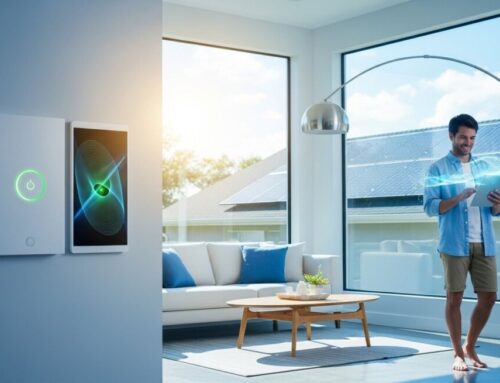
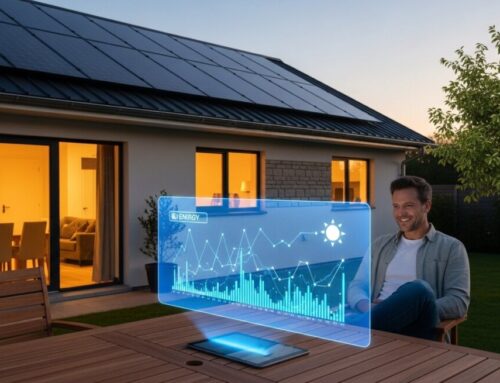
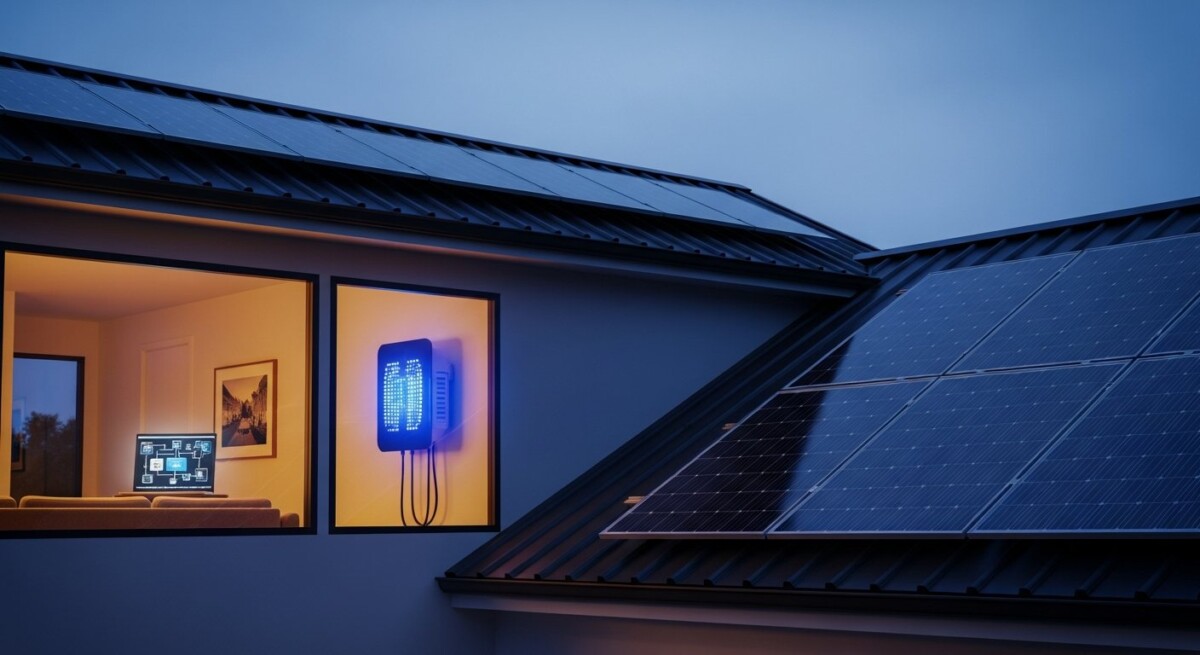
An AI solar system uses artificial intelligence to manage your home solar panels, battery storage, and energy usage automatically. It learns your daily habits, predicts weather patterns, and decides when to store power or sell it back to the grid. This smart technology helps you use the cheapest energy available at any moment.
A smart grid is the modernized version of the traditional electrical network. It uses digital sensors and communication tools to balance supply and demand across entire regions. When you have solar panels on your roof, a smart grid can send excess power to neighbors and draw electricity when your panels are not producing.
How AI makes solar smarter
AI solar systems give you personal control over your energy. They can shift your appliance use to sunny hours, charge your electric vehicle when rates are low, and even sell stored battery power back to the grid at peak prices. This level of automation was not possible even five years ago.
Why Solar Energy Is Becoming More Popular
Electricity rates have risen faster than inflation for the past decade. Homeowners are tired of unpredictable bills and want a solution they can count on. Solar panels offer a fixed cost for power for 25 years or more, which makes budgeting easier.
Environmental concerns also play a big role. More families want to reduce their carbon footprint and leave a cleaner planet for their children. Solar is one of the most effective ways to cut household emissions without changing your lifestyle. In our guide on AI solar vs smart grid comparison: which saves more, we explain how these technologies can lower your bills significantly.
Long-term savings are the strongest motivator. A typical home solar system pays for itself within 6 to 10 years and then provides free electricity for the rest of its lifespan. Combine that with federal tax credits and local rebates, and the financial case becomes very compelling.
If you are considering solar power for your home, comparing installation quotes can help you understand your options. Request a free solar quote or call to learn more.
Common Questions Homeowners Have About Solar
Many people worry about the upfront cost of solar panels. The good news is that prices have dropped by more than 70% over the last decade, and financing options make it possible to start saving immediately with zero down payment.
Roof suitability is another frequent concern. Not every roof is perfect for solar, but most are. A professional installer will evaluate your roof’s age, angle, shading, and orientation during a free site visit.
System performance questions come up often, too. Modern panels are highly efficient and work even on cloudy days. Your installer will design a system that meets your specific energy needs based on your past utility bills.
- How much will solar panels cost for my home?
- Is my roof suitable for solar installation?
- How long do solar panels last?
- Will solar work during a power outage?
- What happens when my panels produce more power than I need?
- How much can I really save on my electricity bills?
How Solar Panel Installation Works
The process starts with a home energy assessment. An installer reviews your past electricity bills, measures your roof, and checks for any shading from trees or nearby buildings. This step ensures your system is sized correctly for maximum savings.
Next comes system design and permits. The installer creates a custom layout, submits paperwork to your local utility and building department, and orders the equipment. This stage usually takes two to four weeks but varies by location.
- Home energy assessment , review bills and roof conditions.
- System design , create a custom solar layout for your home.
- Permits and approvals , secure utility and building permits.
- Panel installation , mount panels and connect wiring.
- System activation , turn on the system and start saving.
Speaking with experienced installers can help you determine the best solar solution for your home. Compare solar quotes here or call to explore available options.
Signs Your Home May Be Ideal for Solar
Homes with south-facing roofs that get direct sunlight for most of the day are perfect candidates. Even east and west-facing roofs can work well, especially with today’s high-efficiency panels. A professional assessment will confirm your home’s solar potential.
If you pay high electricity bills every month, solar can provide immediate relief. Homes that use 800 kilowatt-hours or more per month typically see the fastest payback periods. Also, if you plan to stay in your home for at least five more years, solar is a smart long-term investment.
- Your roof gets strong sunlight for most of the day.
- Your monthly electricity bills are high.
- You have suitable roof space with no major obstructions.
- You plan to stay in your home for several years.
- Your roof is in good condition or recently replaced.
What Affects Solar Installation Costs
System size is the biggest factor. A larger system that covers 100% of your energy needs will cost more upfront but deliver greater long-term savings. Your installer will help you find the right balance between cost and energy production.
Equipment quality also matters. Premium panels and inverters cost more but often come with longer warranties and higher efficiency. Lower-cost options can still save you money, but you may get less power over the system’s lifetime.
Installation complexity adds to the cost. A simple roof with easy access costs less than a complex multi-story roof with tiles or slate. Local incentives, including the federal solar tax credit, can reduce your net cost by 30% or more. In our detailed AI solar vs smart grid: which saves you more on energy article, we break down the cost differences further.
The cost of solar installation varies depending on your home and energy needs. Request personalized solar quotes or call to see what options are available.
Tips for Choosing a Reliable Solar Installer
Start by reviewing each installer’s experience and credentials. Look for companies that have been in business for at least five years and hold certifications from the North American Board of Certified Energy Practitioners (NABCEP). This ensures they follow industry best practices.
Check the warranties offered. A good installer will provide a workmanship warranty of at least 10 years and help you understand the manufacturer warranties on panels and inverters. Read customer reviews on independent sites to see how other homeowners rate their experience.
- Review installer experience and industry certifications.
- Check warranty coverage for equipment and workmanship.
- Read customer reviews on third-party sites.
- Compare at least three detailed quotes before deciding.
Long-Term Benefits of Installing Solar Panels
Lower electricity bills are the most immediate benefit. Once your system is paid off, your power costs drop to near zero for decades. Many homeowners see savings of $1,000 to $2,000 per year, depending on their location and energy use.
Solar panels also increase your home’s resale value. Studies show that homes with solar sell for about 4% more than comparable homes without. Buyers recognize the value of lower utility bills and are willing to pay a premium.
Energy independence is another major advantage. With a battery backup, you can keep your lights on during grid outages and protect your family from rising utility rates. Every kilowatt-hour you produce is one you do not have to buy from the power company.
FAQs
What is the difference between AI solar and a smart grid?
AI solar is a home system that uses artificial intelligence to manage your panels and battery for maximum savings. A smart grid is the broader electrical network that uses digital technology to balance supply and demand. AI solar works within the smart grid to optimize your personal energy use.
How much can I save with solar panels?
Most homeowners save between $10,000 and $30,000 over 20 years. Your exact savings depend on your electricity rates, system size, and available incentives. A professional installer can provide a personalized savings estimate.
Do solar panels work during a power outage?
Standard grid-tied solar systems shut off during outages for safety. However, if you install a solar battery system, you can keep essential appliances running when the grid goes down. This is one of the main benefits of pairing solar with battery storage.
What government incentives are available for solar?
The federal solar tax credit allows you to deduct 30% of your system cost from your federal taxes. Many states and utilities also offer additional rebates, performance payments, or net metering programs. Your installer will help you claim all available incentives.
How long does it take to install solar panels?
The actual installation usually takes one to three days. The entire process, from initial consultation to system activation, typically takes four to eight weeks. This includes design, permitting, and utility approval.
Will solar panels damage my roof?
Properly installed solar panels do not damage your roof. In fact, they protect the covered areas from sun, rain, and hail. Professional installers use waterproof mounting systems and seal all penetrations to prevent leaks.
What size solar system do I need?
Your system size depends on your annual electricity usage, roof space, and budget. Most homes install systems between 5 kW and 10 kW. An installer will calculate the right size based on your utility bills.
Can I finance solar panels with no money down?
Yes, many solar companies offer zero-down financing options. You can pay for your system over time through solar loans or leases. Your monthly loan payment is often lower than your previous electricity bill, so you start saving immediately.
Choosing between traditional solar and an AI-enhanced system is an important decision for your home and budget. The best way to find the right solution is to compare multiple quotes from qualified installers. They can show you the exact costs, savings, and payback period for your specific situation. Start your journey toward energy independence today by requesting free quotes from trusted solar professionals in your area.