Solar System Performance Analytics: Boost Your Energy Savings
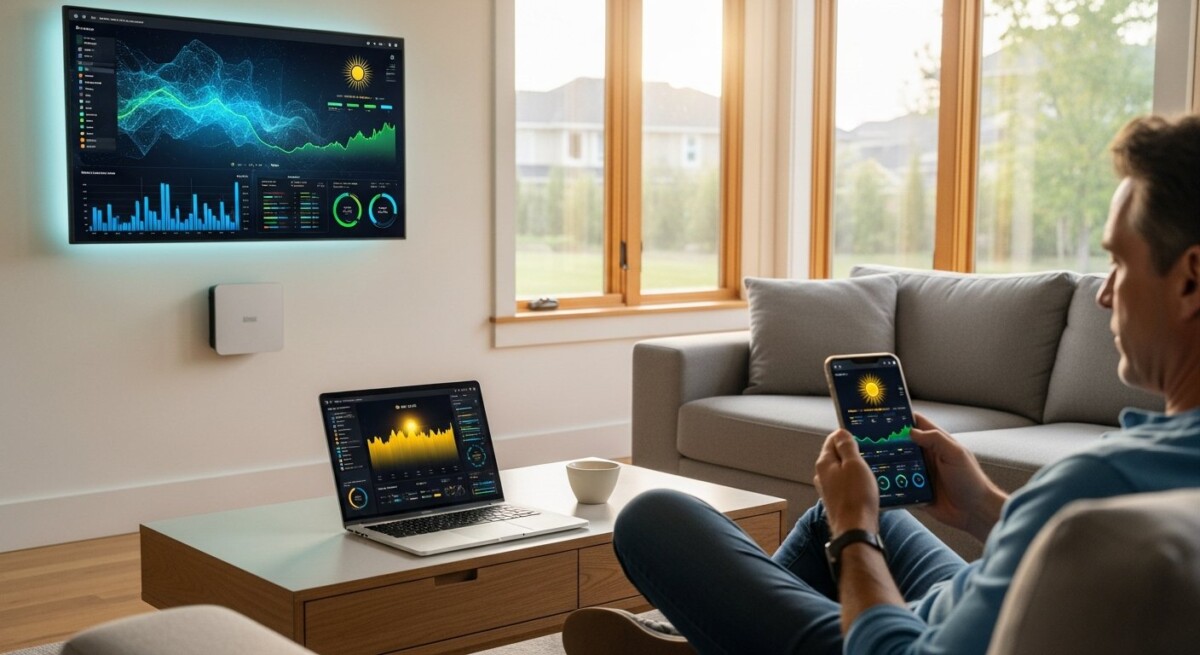
Imagine opening your monthly electricity bill only to find it has climbed yet again. Many homeowners are now searching for ways to take control of their energy costs, and they are discovering that solar system performance analytics can be the key to unlocking real savings. By monitoring how your solar panels actually perform, you can reduce your reliance on the power grid and keep more money in your pocket each month. This article will introduce you to the concept of performance analytics and show you how it helps you make the most of your solar investment.
Understanding Solar System Performance Analytics
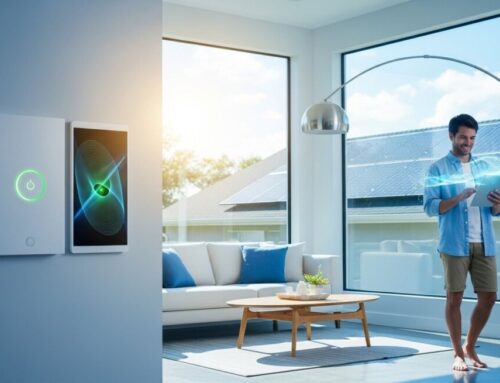
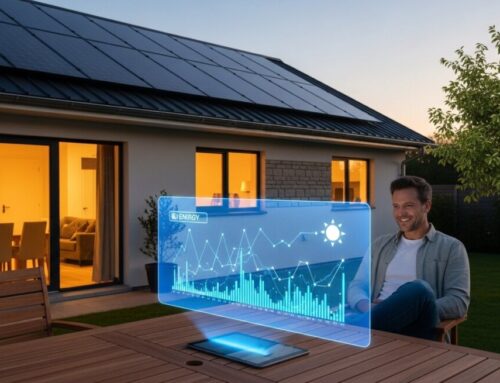
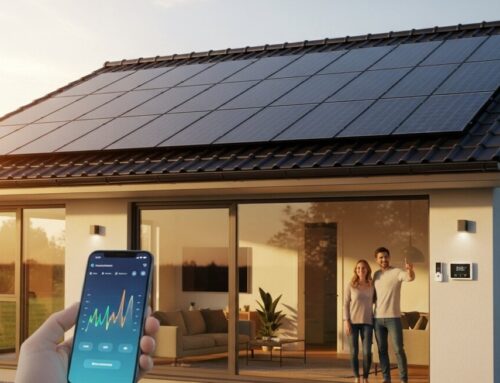
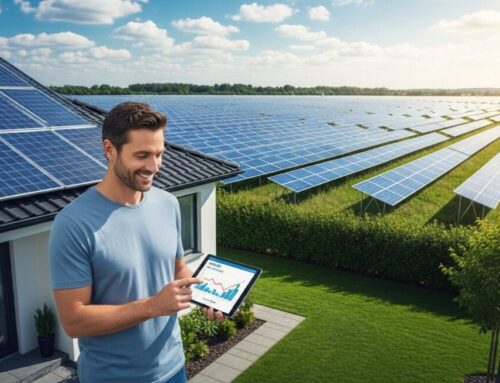
Solar system performance analytics is simply the process of tracking and analyzing how much electricity your solar panels produce over time. Think of it like a fitness tracker for your solar setup,it measures energy output, identifies any drops in efficiency, and alerts you to potential issues before they become costly problems. These analytics are usually accessed through a monitoring app or online dashboard that comes with your solar inverter or is provided by your installer.
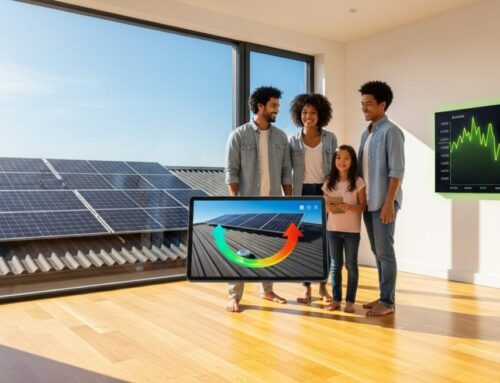
Most modern solar systems include built-in monitoring that tracks real-time production, historical data, and weather impacts. For example, if a panel is shaded by a new tree branch or a micro-inverter fails, the analytics will show a dip in performance so you can address it quickly. More homeowners are turning to these insights because they provide transparency,you know exactly what your system is doing and whether it is meeting your energy-saving goals.
How Analytics Help You Save
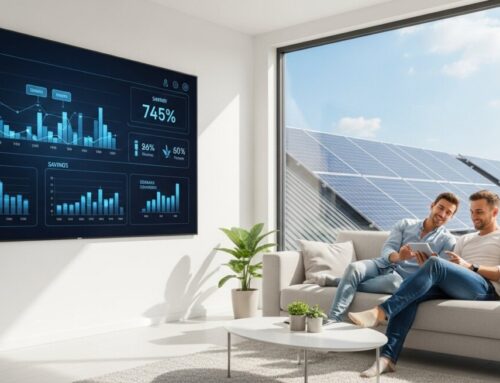
By reviewing your system’s data regularly, you can spot trends like seasonal variations or gradual degradation. This knowledge allows you to adjust your energy usage habits, such as running appliances during peak sunlight hours, to maximize the electricity you generate. In our guide on AI solar system diagnostics, we explain how advanced tools can even predict maintenance needs, keeping your panels operating at peak efficiency for decades.
Why Solar Energy Is Becoming More Popular
Rising electricity prices are pushing more homeowners to look for alternatives. Solar power offers a way to lock in lower energy costs and protect yourself from future rate hikes. Additionally, growing awareness of climate change has made clean energy an attractive choice for those who want to reduce their carbon footprint.
Beyond environmental benefits, solar panels provide long-term financial savings that can add up to tens of thousands of dollars over the life of the system. With federal tax credits, state rebates, and net metering programs, the upfront cost has never been more manageable. This combination of economic and environmental advantages is why solar adoption continues to accelerate across the United States.
If you are considering solar power for your home, comparing installation quotes can help you understand your options. Request a free solar quote or call to learn more.
Common Questions Homeowners Have About Solar
Many homeowners initially worry about the installation cost and whether their roof can support solar panels. The good news is that prices have dropped significantly over the past decade, and most roofs with at least 20 years of life remaining are suitable. Performance is another common concern,people want to know if their system will produce enough power to cover their needs.
Professional solar installers use tools like satellite imagery and energy audits to answer these questions before you commit. Here are some of the most frequent questions homeowners ask:
- How much will solar panels cost for my home?
- Will my roof need repairs before installation?
- How much electricity will my system generate each month?
- What happens if my panels produce more power than I use?
- How long do solar panels last, and what maintenance is required?
- Are there government incentives available in my area?
How Solar Panel Installation Works
The installation process begins with a home energy assessment, where an installer reviews your electricity bills and inspects your roof. They then design a system tailored to your energy needs and roof layout. Once you approve the design, the installer handles all permits and approvals with your local utility and building department.
Actual installation typically takes one to three days, depending on system size. After the panels are mounted and connected, the system is inspected and activated. Here are the main steps involved:
- Home energy assessment and roof evaluation
- System design and equipment selection
- Permitting and utility approvals
- Panel mounting and electrical wiring
- System testing and grid connection
- Monitoring setup and activation
Speaking with experienced installers can help you determine the best solar solution for your home. Compare solar quotes here or call to explore available options.
Signs Your Home May Be Ideal for Solar
Not every home is equally suited for solar, but many are. The most important factor is sunlight exposure,homes with south-facing roofs that receive direct sun for most of the day generate the most energy. If your electricity bills are consistently high, solar can provide immediate relief.
Other indicators include having enough roof space without excessive shading from trees or neighboring buildings. If you plan to stay in your home for several years, the long-term savings will more than offset the upfront investment. Look for these signs:
- Your roof faces south, west, or east with minimal shade
- You pay more than $100 per month for electricity
- Your roof is less than 20 years old and in good condition
- You have at least 300 square feet of unshaded roof space
- You intend to stay in your home for at least 5,10 years
- Your local utility offers net metering or time-of-use rates
What Affects Solar Installation Costs
The size of your solar system is the biggest cost driver,larger systems generate more electricity but require more panels and equipment. Equipment quality also matters; premium panels and inverters cost more upfront but often come with longer warranties and better performance. Installation complexity, such as a steep or complicated roof, can add labor costs.
Local incentives can significantly reduce your net cost. The federal Investment Tax Credit (ITC) currently allows you to deduct 30% of the installation cost from your federal taxes, and many states offer additional rebates or performance-based incentives. Understanding these factors helps you evaluate quotes fairly and choose a system that fits your budget.
The cost of solar installation varies depending on your home and energy needs. Request personalized solar quotes or call to see what options are available.
Tips for Choosing a Reliable Solar Installer
Choosing the right installer is just as important as choosing the right equipment. A reputable company will have proper licensing, insurance, and a track record of successful installations. They should also offer clear warranties on both the equipment and their workmanship.
Take time to read customer reviews and ask for references. Comparing multiple quotes is essential,it gives you leverage and helps you spot outliers that are either overpriced or too good to be true. Use these tips to find a trustworthy partner:
- Verify the installer’s license and insurance
- Ask about equipment warranties (typically 25 years for panels)
- Read recent reviews on Google, Yelp, or the Better Business Bureau
- Get at least three detailed quotes for comparison
- Check if they handle permits and paperwork
- Ask about post-installation monitoring and support
Long-Term Benefits of Installing Solar Panels
The most immediate benefit is lower electricity bills,many homeowners see their monthly costs drop by 50% or more. Over 20 to 25 years, these savings can total $20,000 to $50,000, depending on your location and energy usage. Solar panels also increase your home’s resale value, with studies showing a typical increase of 4% to 6%.
Beyond financial gains, solar gives you greater energy independence and reduces your household’s environmental impact. By generating your own clean electricity, you help cut greenhouse gas emissions and support a more sustainable energy future. With proper maintenance, your system will continue delivering savings for decades.
Frequently Asked Questions
How do I check my solar system’s performance?
Most modern solar systems come with a monitoring app or online portal that shows real-time and historical energy production. You can log in to see daily, monthly, and yearly output, and many apps send alerts if performance drops. If your system didn’t include monitoring, your installer can often add a retrofit device.
What is a good solar system performance ratio?
A performance ratio between 75% and 90% is considered excellent for residential solar systems. This ratio compares actual energy output to the theoretical maximum based on sunlight and panel ratings. Lower ratios may indicate shading, dirt, or equipment issues that need attention.
Can I monitor my solar panels from my phone?
Yes, most solar monitoring systems offer a smartphone app that lets you check performance anytime, anywhere. You can see how much energy your panels are producing, how much you are using, and how much you are exporting to the grid. This convenience helps you stay engaged with your system’s performance.
Do solar panels work during cloudy days or at night?
Solar panels still produce electricity on cloudy days, but at a reduced rate,typically 10% to 25% of their full capacity. At night, they do not generate power, which is why most homes remain connected to the grid or use battery storage. Net metering allows you to earn credits for excess daytime production to use at night.
How long does it take to recoup the cost of solar panels?
The payback period for residential solar typically ranges from 6 to 12 years, depending on your electricity rates, system cost, and available incentives. After that point, the electricity your panels produce is essentially free. With panels lasting 25 to 30 years, you can enjoy many years of pure savings.
What maintenance do solar panels require?
Solar panels are very low maintenance,rain usually keeps them clean enough. You may need to have them professionally cleaned once a year if you live in a dusty area or have heavy pollen. The most important maintenance is monitoring your system’s performance analytics to catch any issues early.
Will solar panels damage my roof?
When installed correctly by a professional, solar panels actually protect the roof area they cover from sun and rain. Installers use mounting systems that penetrate the roof only where necessary and seal all penetrations to prevent leaks. A good installer will also inspect your roof before installation to ensure it is in good condition.
What happens to my solar system during a power outage?
Standard grid-tied solar systems automatically shut down during a power outage to protect utility workers. If you want backup power during outages, you need to add a battery storage system. Batteries store excess solar energy so you can run essential appliances even when the grid is down.
Solar system performance analytics gives you the power to track your energy production, maximize savings, and catch problems early. By understanding how your system performs, you can make informed decisions that lower your electricity bills and increase your home’s value. If you are ready to explore solar, the best first step is to compare installation quotes from trusted professionals. AI solar system comparison tools can help you quickly evaluate options based on your unique needs and budget. Start your journey today and take control of your energy future.