Solar Energy for Off Grid Systems: Cut Bills and Gain Freedom
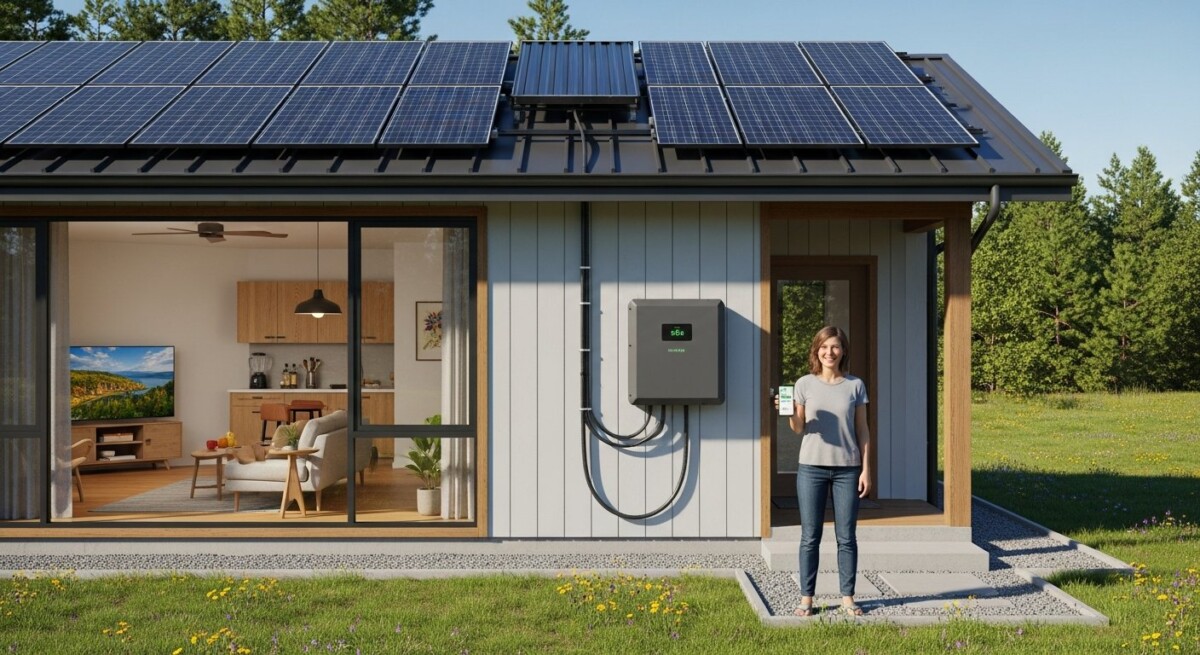
You open your monthly electricity bill and feel that familiar sting. Rates keep climbing, and it seems like there is no end in sight. For many homeowners, this frustration sparks a search for alternatives. That is why more people are looking into solar energy for off grid systems,a way to slash monthly costs and stop relying on the utility company. Imagine generating your own power, reducing your bills, and gaining real energy independence. It is not a futuristic dream; it is a practical solution available today.
Understanding Solar Energy for Off Grid Systems
Solar energy for off grid systems means your home produces its own electricity using sunlight, with no connection to the traditional power grid. Instead of depending on a utility company, you rely on solar panels, batteries, and an inverter to run your lights, appliances, and electronics. The panels capture sunlight during the day, the inverter converts it into usable electricity, and the batteries store extra power for nighttime or cloudy days.
This setup is different from grid-tied solar, which still uses the utility line as a backup. With an off grid system, you are entirely self-sufficient. More homeowners are choosing this route because it offers protection from rising electricity rates, power outages, and the growing unpredictability of the grid. Advances in battery technology have also made off grid living more reliable and affordable than ever before.
How Does an Off Grid Solar System Work?
The core components are straightforward. Solar panels collect sunlight and send direct current (DC) electricity to a charge controller, which regulates the flow. The electricity then goes to batteries for storage. When you need power, an inverter converts the stored DC electricity into alternating current (AC) that your home appliances can use. A backup generator is sometimes added for extended periods of low sunlight, but modern battery banks often cover most needs.
Why Solar Energy Is Becoming More Popular
Rising electricity prices are the number one reason homeowners make the switch. Every year, average residential rates increase, eating into your budget. Solar energy for off grid systems eliminates that monthly payment entirely, turning a variable expense into a fixed, upfront investment. Over time, that investment pays for itself through years of free electricity.
Environmental concerns also drive interest. Burning fossil fuels for electricity is a major source of carbon emissions. By using solar power, you reduce your household’s carbon footprint and contribute to cleaner air and a healthier planet. Many homeowners feel good knowing their energy comes from a renewable source rather than a coal or gas plant.
Long-term savings are another powerful motivator. While the upfront cost can seem high, an off grid system typically pays for itself within 5 to 10 years. After that, your electricity is practically free. Combined with government incentives and rebates, the financial case becomes even stronger.
If you are considering solar power for your home, comparing installation quotes can help you understand your options. Request a free solar quote or call (555) 123-4567 to learn more.
Common Questions Homeowners Have About Solar
When people first explore solar energy for off grid systems, they often worry about the cost. A complete system with batteries and installation can range from $10,000 to $30,000 or more, depending on your home’s energy needs. However, federal tax credits, state rebates, and net metering policies can reduce that cost by 30% or more.
Another frequent concern is whether the roof is suitable. Ideally, your roof should face south or west, be free of heavy shade, and have enough space for the number of panels you need. A professional installer can assess your roof’s angle, condition, and sun exposure during a free site visit.
Performance in cloudy or winter weather is also a common question. While solar panels produce less electricity on overcast days, modern systems are efficient enough to generate meaningful power even in indirect sunlight. Battery storage ensures you have power at night or during storms.
- How much does a full off grid solar system cost?
- Will my roof support solar panels?
- What happens during long periods of cloudy weather?
- How long do solar panels and batteries last?
- Do I need a backup generator?
- Can I run my entire home off solar?
How Solar Panel Installation Works
The installation process begins with a home energy assessment. A solar installer reviews your past electricity bills to understand your usage patterns. They also inspect your roof, electrical panel, and property to determine the best system size and layout. This step is critical for designing a system that meets your needs without overspending.
Once the design is complete, the installer handles all permits and approvals with your local government and utility company. This paperwork can be complex, but a professional company manages it for you. After permits are approved, the physical installation takes one to three days, depending on the system size. The team mounts the panels, connects the inverter and batteries, and wires everything safely.
Finally, the system is activated and tested. The installer walks you through how to monitor your energy production and storage. From there, you start generating your own electricity and reducing your dependence on the grid.
- Home energy assessment and site evaluation
- Custom system design and equipment selection
- Permitting and approvals from local authorities
- Panel, inverter, and battery installation
- System activation, testing, and monitoring setup
Speaking with experienced installers can help you determine the best solar solution for your home. Compare solar quotes here or call (555) 123-4567 to explore available options.
Signs Your Home May Be Ideal for Solar
Not every home is equally suited for solar energy for off grid systems, but many are. The most important factor is sunlight exposure. If your roof gets direct sun for most of the day, especially between 9 a.m. and 3 p.m., you have strong solar potential. Trees or buildings that cast heavy shade can reduce performance, but a professional installer can help you work around that.
High electricity bills are another clear sign. If you are paying $150 or more per month, solar will likely save you significant money over time. Also, if you live in an area with frequent power outages, an off grid system gives you peace of mind and uninterrupted power.
Having a suitable roof is crucial. Asphalt shingle roofs in good condition are ideal, but metal, tile, and flat roofs can also work with the right mounting equipment. If you plan to stay in your home for at least five to ten years, the long-term savings will outweigh the upfront investment.
- Your roof receives strong, direct sunlight for most of the day
- Your monthly electricity bills are consistently high
- You have adequate, unobstructed roof space facing south or west
- You plan to stay in your home for several years
- You experience frequent power outages in your area
- Your roof is in good condition and less than 15 years old
What Affects Solar Installation Costs
System size is the biggest cost driver. A larger system that meets all your energy needs will cost more upfront but save more in the long run. The quality of equipment also matters. Premium panels and batteries are more efficient and last longer, but they come at a higher price. Cheaper components may save money now but could lead to lower performance or earlier replacement.
Installation complexity can increase costs. If your roof is steep, requires structural reinforcement, or has multiple angles, the labor takes longer. Similarly, if your electrical panel needs upgrading to handle the solar system, that adds to the total. Local incentives and rebates can offset these costs significantly, so it is important to research what is available in your area.
Battery storage is a major expense for off grid systems. A high-quality lithium-ion battery bank can cost $5,000 to $15,000 or more, depending on capacity. However, battery prices have dropped steadily in recent years, and federal tax credits often apply to battery equipment as well.
The cost of solar installation varies depending on your home and energy needs. Request personalized solar quotes or call (555) 123-4567 to see what options are available.
Tips for Choosing a Reliable Solar Installer
Your choice of installer can make or break your solar experience. Look for a company with a proven track record, preferably one that has been in business for at least five years. Experienced installers know local building codes, permitting processes, and which equipment works best in your climate. They also offer better warranties and customer support.
Check warranties carefully. A good installer provides a workmanship warranty of at least five to ten years, and the equipment should come with manufacturer warranties,typically 25 years for panels and 10 years for inverters and batteries. Read customer reviews on sites like Google, Yelp, and the Better Business Bureau to see what past clients say about their installation and service.
Getting multiple quotes is essential. Prices and proposals can vary widely between companies. Comparing at least three quotes helps you see the range of options and avoid overpaying. Pay attention to the total cost, equipment brand, warranty terms, and the estimated energy production. A slightly higher price may be worth it for better equipment or a stronger warranty.
- Review the installer’s experience and years in business
- Check equipment and workmanship warranty details
- Read customer reviews and ratings on multiple platforms
- Get at least three quotes from different installers
- Ask about financing options and available incentives
- Verify the installer is licensed, bonded, and insured
Long-Term Benefits of Installing Solar Panels
The most immediate benefit is lower electricity bills. Once your system is paid off, your electricity is essentially free. Over twenty years, that can add up to tens of thousands of dollars in savings. Off grid systems protect you from future rate hikes, so your energy costs stay predictable and low.
Solar panels also increase your home’s value. Studies show that homes with solar systems sell for more than comparable homes without them. Buyers are attracted to the idea of lower utility bills and energy independence. This added value can offset a significant portion of your initial investment when you eventually sell.
Beyond finances, you gain genuine energy independence. No more worrying about grid failures, price spikes, or utility company policies. You produce your own clean energy, reduce your environmental impact, and take control of your home’s power supply. That peace of mind is hard to put a price on.
How much does a full off grid solar system cost?
A complete off grid solar system for a typical home costs between $10,000 and $30,000 before incentives. This includes panels, inverter, batteries, charge controller, and installation. Federal tax credits and state rebates can reduce the net cost by 30% or more. The final price depends on your energy consumption, system size, and equipment quality.
Can I run my entire home on an off grid solar system?
Yes, but it requires careful planning and a sufficiently large system. You will need enough panels to generate power year-round and enough battery capacity to cover nights and cloudy days. High-efficiency appliances and LED lighting help reduce your energy load. A professional installer can design a system that meets 100% of your needs.
How long do solar panels last?
Most solar panels come with a 25-year performance warranty and continue producing electricity well beyond that. They typically degrade at a rate of about 0.5% per year, so after 25 years, they still operate at around 85% efficiency. Batteries last 10 to 15 years, depending on the type and usage.
Do I need a backup generator with an off grid system?
Not necessarily. Modern lithium-ion battery banks can store enough energy to power your home for several days. However, if you live in an area with long periods of heavy cloud cover or extreme weather, a small backup generator provides extra security. Many off grid homeowners choose to include one as a safety net.
What happens if my batteries are full and the sun is still shining?
When batteries are fully charged, the charge controller automatically reduces the power coming from the panels to prevent overcharging. This is called “clipping.” Some systems can divert excess power to other loads, like heating water or charging an electric vehicle, to make use of all available energy.
Will solar panels work during a power outage?
Yes, off grid solar systems are designed to work independently of the utility grid. Even if the grid goes down, your home continues to run on solar and battery power. This is a major advantage over grid-tied systems, which shut down during outages for safety reasons.
Are there government incentives for off grid solar systems?
Yes. The federal solar investment tax credit (ITC) allows you to deduct 30% of the system cost from your federal taxes. Many states offer additional rebates, tax credits, or sales tax exemptions. Some utilities also provide incentives for energy storage. Check with your installer or local energy office for current programs.
How do I maintain an off grid solar system?
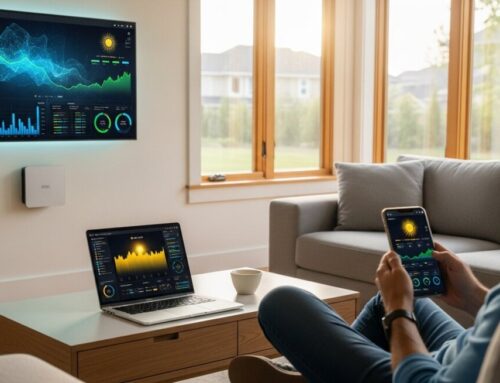
Maintenance is minimal. Keep the panels clean by rinsing them with water a few times a year, especially if you live in a dusty area. Check the battery terminals for corrosion and ensure proper ventilation. Most systems come with monitoring software that alerts you to any issues. Annual inspections by a professional are recommended.
Choosing solar energy for off grid systems is a smart investment in your financial future and your home’s independence. With rising electricity costs and generous incentives, there has never been a better time to explore your options. Start by gathering quotes from trusted installers to find a system that fits your budget and energy goals. The freedom of generating your own power is closer than you think.