AI Tools for Solar Energy: Save More on Your Electric Bill
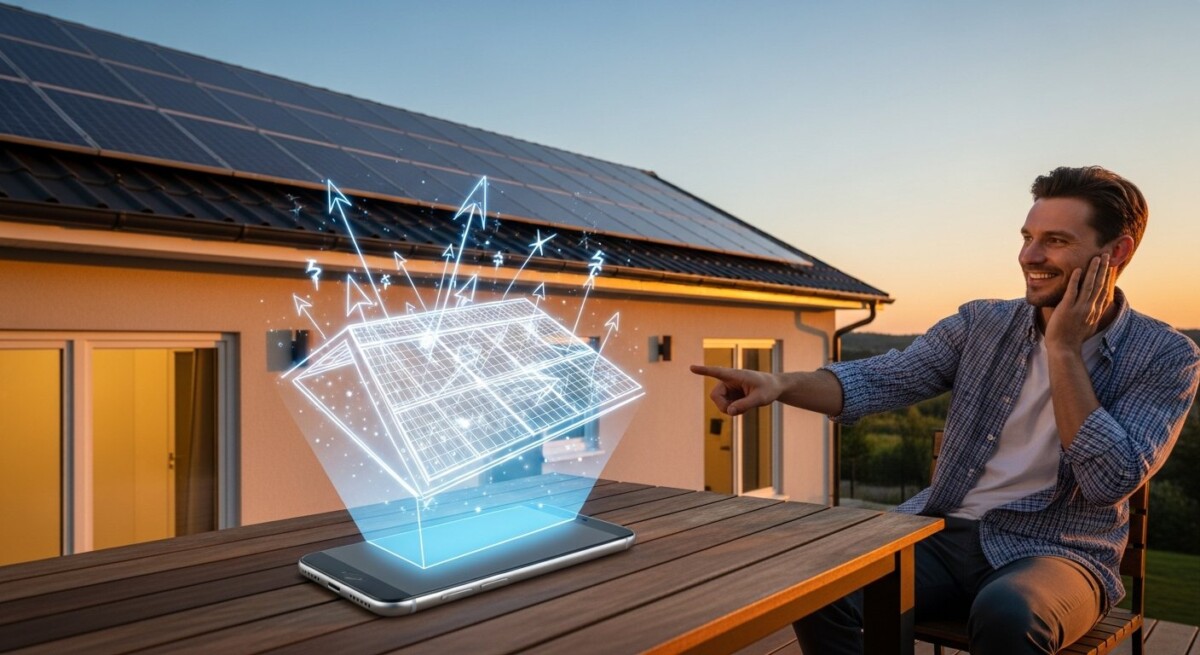
Imagine opening your monthly electric bill and seeing a number that keeps climbing. For many homeowners, rising electricity costs have become a frustrating reality. This is why more people are searching for AI tools for solar energy to help them understand how solar panels can reduce their bills and provide greater energy independence. Instead of guessing whether solar is right for your home, these smart tools give you clear, data-driven answers.
Understanding AI Tools for Solar Energy
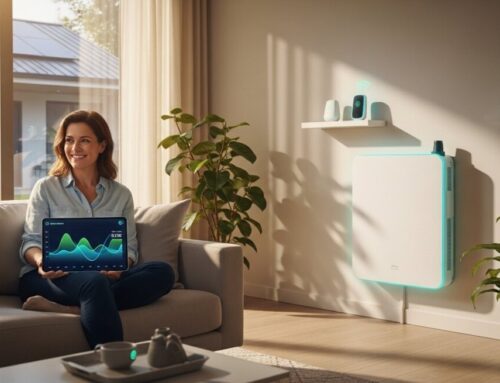
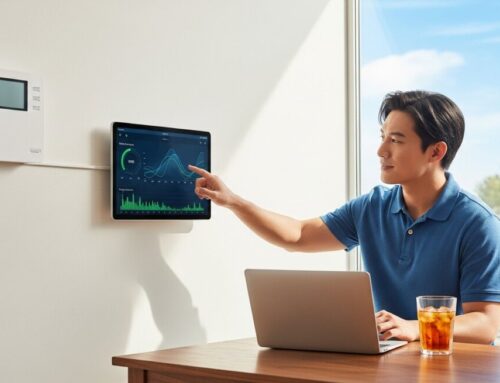
AI tools for solar energy use artificial intelligence to analyze your home’s energy usage, roof condition, and local weather patterns. They process this information to predict exactly how much electricity your solar panels could generate and how much money you could save each month. Think of it as a personal solar advisor that works 24/7, helping you make an informed decision without needing to be a technical expert.
These tools are becoming popular because they remove the guesswork from solar planning. Instead of relying on rough estimates, homeowners can see personalized projections based on their own home and location. Platforms like SolarEnergy.ai use these advanced algorithms to match you with the best system size and equipment for your needs.
How AI Solves Common Solar Problems
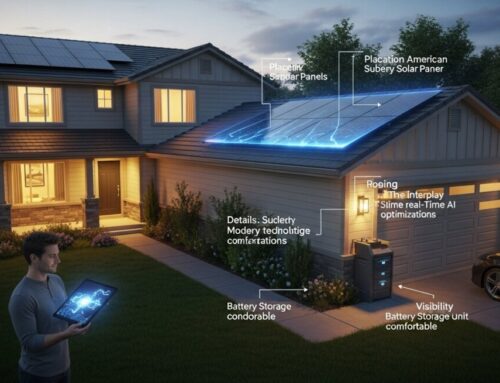
One major challenge homeowners face is knowing if their roof gets enough sunlight. AI tools analyze satellite imagery and shading patterns to determine your home’s solar potential. They can also simulate how much energy you would save over 20 to 25 years, factoring in future electricity rate increases.
Why Solar Energy Is Becoming More Popular
Rising electricity prices are a major reason homeowners are switching to solar. According to recent data, the average cost of electricity has increased by over 15% in the past five years, and this trend is expected to continue. Solar panels offer a way to lock in a lower, more predictable energy cost for decades.
Environmental concerns also play a role. More families want to reduce their carbon footprint and rely on clean, renewable energy. Solar power produces no emissions, making it one of the most effective ways to fight climate change. At the same time, long-term savings make solar a smart financial move,many homeowners see a full return on investment within 7 to 10 years.
If you are considering solar power for your home, comparing installation quotes can help you understand your options. Request a free solar quote or call to learn more.
Common Questions Homeowners Have About Solar
Many homeowners worry about the upfront cost of solar panels. While the initial investment can seem high, federal tax credits and local rebates can reduce the price by 30% or more. Financing options also make solar affordable with little to no money down.
Another common concern is roof suitability. Not every roof is ideal, but AI tools can assess your roof’s age, material, and exposure to sunlight. System performance is also a frequent question,modern solar panels are highly efficient and can generate electricity even on cloudy days.
- How much do solar panels cost for an average home?
- Will solar panels work on a shaded roof?
- What happens during a power outage?
- How long do solar panels last?
- Do I need to replace my roof before installing solar?
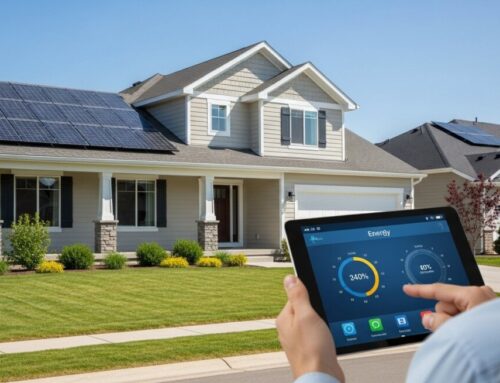
- Can I monitor my solar system’s performance?
How Solar Panel Installation Works
Solar installation starts with a home energy assessment. A professional installer reviews your past electric bills, evaluates your roof, and discusses your energy goals. This step ensures the system is sized correctly for your needs.
After the assessment, the installer designs a custom system and handles all permits and approvals with your local utility company. The actual installation usually takes one to three days, followed by a final inspection and system activation. Once turned on, your solar panels start generating electricity immediately.
- Home energy assessment and site evaluation
- Custom system design and equipment selection
- Permitting and utility approvals
- Panel installation on your roof
- System activation and monitoring setup
Speaking with experienced installers can help you determine the best solar solution for your home. Compare solar quotes here or call to explore available options.
Signs Your Home May Be Ideal for Solar
Homes with strong, direct sunlight for most of the day are excellent candidates for solar panels. If your roof faces south, east, or west and has little shade from trees or buildings, you likely have good solar potential. High electricity bills are another sign,if you pay more than $100 per month, solar could significantly reduce your costs.
Suitable roof space is also important. You need about 300 to 500 square feet of clear, structurally sound roof area for an average system. If you plan to stay in your home for at least five more years, the long-term savings make solar a worthwhile investment.
- Your roof receives at least 4,5 hours of direct sunlight daily
- Your monthly electric bill exceeds $100
- You have enough unobstructed roof space
- You plan to live in your home for several more years
- Your roof is in good condition or recently replaced
What Affects Solar Installation Costs
The size of your solar system is the biggest factor influencing cost. Larger homes with higher energy needs require more panels, which increases the price. Equipment quality also matters,high-efficiency panels and premium inverters cost more but can generate more electricity over time.
Installation complexity can add to the cost. Roofs with steep slopes, unusual shapes, or multiple layers of shingles require more labor. Local incentives and rebates can significantly lower your net cost. For example, the federal solar tax credit allows you to deduct 30% of the total system cost from your federal taxes.
The cost of solar installation varies depending on your home and energy needs. Request personalized solar quotes or call to see what options are available.
Tips for Choosing a Reliable Solar Installer
Start by reviewing an installer’s experience and credentials. Look for companies that have been in business for at least five years and hold certifications from organizations like the North American Board of Certified Energy Practitioners (NABCEP). These credentials show they meet industry standards.
Check the warranties offered on both the equipment and the installation. A good installer provides a 25-year performance warranty on panels and a 10-year workmanship warranty. Reading customer reviews on platforms like Google or the Better Business Bureau can also reveal how a company treats its clients.
- Verify the installer’s licensing and insurance
- Ask about equipment brands and warranty terms
- Read recent customer reviews and testimonials
- Compare at least three quotes before deciding
- Inquire about financing and leasing options
Long-Term Benefits of Installing Solar Panels
Lower electricity bills are the most immediate benefit of solar panels. Most homeowners save between $10,000 and $30,000 over 20 years, depending on their location and energy use. These savings can be used for other home improvements, retirement funds, or everyday expenses.
Solar panels also increase your home’s resale value. Studies show that homes with solar systems sell for about 4% more than comparable homes without solar. Additionally, you reduce your environmental impact by decreasing reliance on fossil fuels. In our guide on how we use solar energy daily, we explain how solar power integrates into everyday life, from charging devices to running appliances. Energy independence means you are less affected by utility rate hikes and power outages.
Frequently Asked Questions
How much can I save with solar panels each month?
Monthly savings depend on your location, system size, and electricity rates. On average, homeowners save between $50 and $150 per month. Over 20 years, these savings can total $20,000 or more.
Do AI tools for solar energy really work?
Yes, AI tools use real data from satellites, weather stations, and energy bills to create accurate predictions. They are used by both homeowners and professional installers to design efficient systems and estimate savings.
What is the federal solar tax credit for 2025?
The federal solar tax credit allows you to deduct 30% of your solar installation costs from your federal taxes. This credit applies to systems installed through 2032, with no maximum limit.
Can I install solar panels on a flat roof?
Yes, flat roofs are suitable for solar panels. Installers use special mounting systems that angle the panels toward the sun. This setup can actually be more efficient because there is no roof slope limiting the orientation.
How long does it take to install solar panels?
Most residential solar installations take one to three days. The total process, from initial assessment to system activation, usually takes four to eight weeks, depending on permits and utility approvals.
Will solar panels work during a power outage?
Standard solar systems shut down during a power outage for safety reasons. However, if you install a battery backup system, you can store excess energy and use it when the grid goes down.
How do I maintain solar panels?
Solar panels require very little maintenance. Rain usually keeps them clean, but you may need to rinse them with a hose a few times a year if dust or debris accumulates. Annual inspections by a professional are recommended.
What happens if my solar panels produce more energy than I use?
Excess energy is sent back to the grid through a process called net metering. Your utility company credits you for this extra power, which can offset the cost of electricity you use at night or on cloudy days.
Exploring solar energy is a smart step toward reducing your electricity bills and gaining energy independence. By using AI tools for solar energy and comparing quotes from trusted installers, you can find a system that fits your home and budget. Start your journey today by requesting free quotes and seeing how much you could save.