How Accurate AI Solar Predictions Boost Your Savings
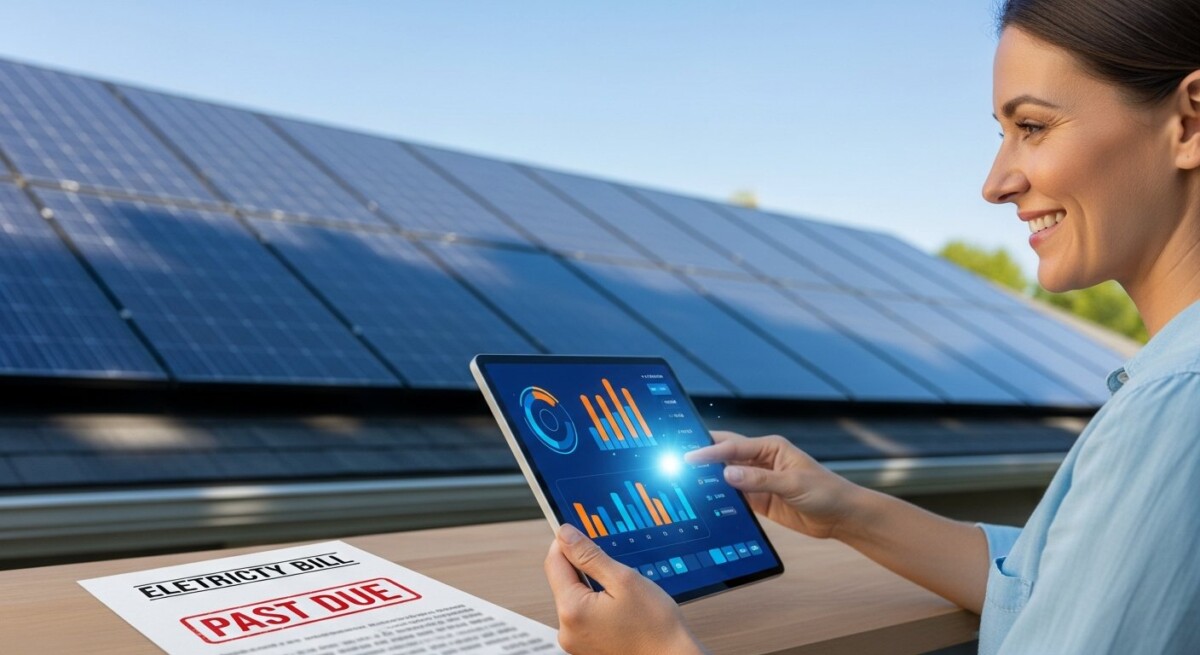
You open your monthly electricity bill and feel a familiar sting. Rates have crept up again, and summer cooling costs are only getting worse. Like many homeowners, you have started searching for ways to reduce those bills and gain some energy independence. That search often leads to a critical question: how accurate ai solar predictions are when estimating what a solar system will actually save you.
The idea of slashing your electric bill and relying less on the grid is appealing. But you want real numbers, not guesswork. Understanding how accurate ai solar predictions are can give you the confidence to move forward,or help you ask the right questions when comparing quotes.
Understanding how accurate ai solar predictions are
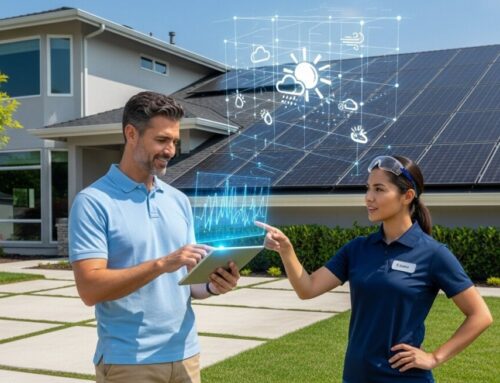
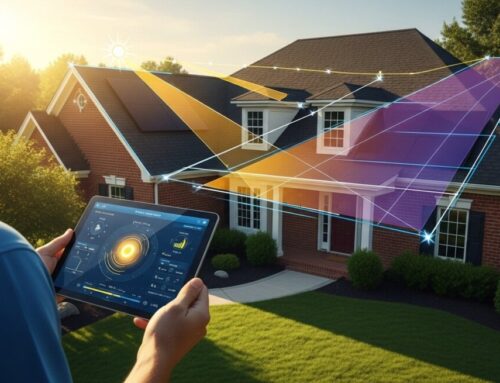
Artificial intelligence now powers many solar savings calculators and production estimates. These tools analyze decades of weather data, satellite imagery of your roof, and local electricity rates to forecast how much energy your panels will generate. The technology learns from real-world performance data, so it gets smarter over time.
In simple terms, AI compares your home’s characteristics with thousands of similar installations. It accounts for shading from trees, roof angle, seasonal sun patterns, and even cloud cover. When you ask how accurate ai solar predictions are, the answer is encouraging: modern AI tools achieve over 90% accuracy for annual production estimates when site conditions are properly measured.
That accuracy matters because it translates directly into savings projections. If the prediction says your system will offset 80% of your electricity use, you can trust that number enough to calculate your payback period. For homeowners, this removes much of the uncertainty that used to make solar decisions feel like a gamble.
What makes AI predictions reliable
AI predictions are only as good as the data they receive. Professional installers use tools that incorporate high-resolution satellite imagery and on-site measurements. They also factor in your local utility’s rate structure, including time-of-use plans and net metering policies. When done correctly, the AI model accounts for panel degradation over 25 years, giving you a realistic long-term picture of your savings.
This is why working with an experienced installer matters. They ensure the AI tool has accurate inputs,like the exact pitch of your roof and any nearby obstructions. A good installer will also explain the assumptions behind the numbers, so you understand what could change and why.
Why Solar Energy Is Becoming More Popular
Electricity rates have risen faster than inflation for over a decade, and that trend shows no sign of reversing. Homeowners are tired of unpredictable bills and want a hedge against future rate hikes. Solar panels let you lock in a large portion of your energy costs for the next 25 years.
Environmental concerns also play a role. Many families want to reduce their carbon footprint without sacrificing comfort or convenience. Solar power produces clean energy from sunlight, cutting your home’s greenhouse gas emissions by several tons each year. It is a practical way to contribute to a healthier planet while saving money at the same time.
Long-term savings are the biggest draw. The average solar homeowner saves between $20,000 and $40,000 over the system’s lifetime. Those savings come from lower monthly bills, increased home value, and federal tax credits that reduce the upfront cost by 30%. As utility costs climb, solar panels look less like an expense and more like a smart investment.
If you are considering solar power for your home, comparing installation quotes can help you understand your options. Request a free solar quote or call (888) 888-8888 to learn more.
Common Questions Homeowners Have About Solar
Most homeowners start with the same concern: how much will this cost? A typical residential solar system ranges from $15,000 to $25,000 before incentives. After the 30% federal tax credit, that drops to $10,500 to $17,500. Many installers offer financing options, so you can start saving from month one with little or no money down.
Another frequent question is whether a roof is suitable. Solar panels work best on south-facing roofs with little shade, but east and west exposures can also produce strong results. A professional assessment will evaluate your roof’s age, material, and structural integrity. If your roof needs replacing soon, it is often best to do that before installing panels.
Performance worries also come up. People ask if panels work on cloudy days or during winter. They do,solar panels generate electricity from diffuse light, not just direct sun. Modern systems produce about 10,25% of their peak output on overcast days, and snow usually slides off tilted panels quickly.
- Will solar panels increase my home insurance?
- How long does installation take?
- Do I need a battery with my solar system?
- What happens if I sell my home?
- How long do solar panels last?
- Can I monitor my system’s performance?
How Solar Panel Installation Works
The process starts with a home energy assessment. An installer reviews your past electricity bills, examines your roof, and uses AI tools to model your potential savings. This step is critical because it determines the right system size and layout for your specific needs.
Once the design is finalized, the installer handles all permits and approvals. This includes submitting paperwork to your local utility and city or county planning department. Most installers manage this entirely, so you do not have to navigate the bureaucracy yourself.
- Schedule a free consultation and energy assessment
- Review system design and savings estimate
- Submit permit applications and utility interconnection request
- Install racking, panels, inverter, and wiring
- Pass final inspection and turn on the system
Speaking with experienced installers can help you determine the best solar solution for your home. Compare solar quotes here or call (888) 888-8888 to explore available options.
Signs Your Home May Be Ideal for Solar
Not every home is equally suited for solar, but many are. The most important factor is sunlight exposure. Homes with unobstructed southern exposure get the best performance, but east and west roofs also produce well. If you have large trees shading your roof, trimming them may be enough to improve conditions.
Your electricity bill is another strong indicator. If you pay more than $100 per month on average, solar will likely save you money. The more you spend on electricity, the faster your system pays for itself. Homes with high summer air conditioning use often see the biggest savings.
- Your roof faces south, east, or west with minimal shade
- You pay $100 or more per month for electricity
- Your roof has at least 300 square feet of usable space
- Your roof is less than 15 years old and in good condition
- You plan to stay in your home for at least 5,7 years
- Your utility offers net metering or favorable rates
What Affects Solar Installation Costs
System size is the biggest cost driver. A larger system that covers more of your electricity needs will cost more upfront but also generate more savings. Most homes install systems between 5 kW and 10 kW, which cover most or all of their annual usage.
Equipment quality also matters. Premium panels and inverters cost more but often come with better warranties and higher efficiency. Cheaper components may save money initially but could lead to lower long-term production or earlier replacement. A good installer will explain the tradeoffs and help you choose equipment that fits your budget and goals.
Local incentives vary widely. Some states offer additional tax credits, rebates, or performance-based incentives. Your installer should factor these into your quote and help you claim them. The federal solar tax credit alone reduces your net cost by 30%, so make sure every quote reflects this.
The cost of solar installation varies depending on your home and energy needs. Request personalized solar quotes or call (888) 888-8888 to see what options are available.
Tips for Choosing a Reliable Solar Installer
Not all solar companies are created equal. Some deliver excellent service and long-term support, while others cut corners or use high-pressure sales tactics. Taking time to vet your installer is one of the most important steps in the process.
Start by reading reviews on sites like Google, Yelp, and the Better Business Bureau. Look for patterns,multiple complaints about poor communication or slow repairs are red flags. A reputable installer should have a solid track record and be willing to share references.
- Verify the installer’s license and insurance
- Ask about warranties on panels, inverters, and workmanship
- Read recent customer reviews on multiple platforms
- Get at least three quotes from different companies
- Ask how the installer handles maintenance and repairs
- Check if they offer monitoring and performance guarantees
Long-Term Benefits of Installing Solar Panels
The most immediate benefit is lower electricity bills. Most homeowners see their monthly costs drop by 50,90% from day one. Over 25 years, those savings add up to tens of thousands of dollars,money that stays in your pocket instead of going to the utility company.
Solar also increases your home’s value. Studies show that homes with solar panels sell for about 4% more than comparable non-solar homes. Buyers recognize the value of lower utility bills, and many are willing to pay a premium for it. If you sell before the system is paid off, the remaining value is typically transferred to the new owner.
Energy independence is another powerful benefit. With solar panels,especially when paired with a battery,you are less affected by grid outages and rising electricity rates. You generate your own power from a free, renewable source. That peace of mind, combined with the financial and environmental rewards, makes solar a compelling choice for many homeowners.
Frequently Asked Questions
How accurate are solar savings estimates from AI tools?
Modern AI solar prediction tools are over 90% accurate for annual energy production when site conditions are properly measured. Accuracy depends on the quality of the input data, which is why professional installers use satellite imagery and on-site measurements. These estimates give homeowners a reliable basis for calculating long-term savings.
Will solar panels work on my roof if it is shaded?
Partial shade reduces your system’s output, but it does not necessarily rule out solar. Modern microinverters and power optimizers minimize the impact of shading on individual panels. A professional assessment can determine whether your roof gets enough sunlight for solar to be worthwhile.
How long do solar panels last?
Most solar panels come with performance warranties of 25 years, but they often continue producing electricity for 30 years or more. Panels do degrade slowly,about 0.5% per year,so after 25 years, they still produce around 87% of their original output. Inverters typically need replacement after 10,15 years.
Do I need a battery with my solar system?
Batteries are optional but increasingly popular. Without a battery, your system sends excess power to the grid and draws from it at night. With a battery, you store extra energy for use during outages or peak rate periods. Batteries add cost but provide backup power and greater energy independence.
What government incentives are available for solar?
The federal solar Investment Tax Credit (ITC) allows you to deduct 30% of your system cost from your federal taxes. Many states and local utilities offer additional rebates, tax credits, or performance-based incentives. Your installer should help you identify and claim all applicable incentives.
Can I install solar panels myself to save money?
DIY solar installation is possible but not recommended for most homeowners. Improper installation can void warranties, create safety hazards, and lead to poor performance. Professional installers handle permits, inspections, and grid interconnection, which are complex and vary by location.
How much maintenance do solar panels need?
Solar panels require very little maintenance. Rain usually keeps them clean, but in dusty areas, occasional hosing off may help. You should also keep nearby trees trimmed to prevent shading. Most systems include monitoring software that alerts you to any performance issues.
What happens to my solar system if I sell my home?
You can transfer the solar panel system and any remaining lease or loan to the new homeowner. Homes with solar panels sell faster and for more money on average. Your real estate agent and installer can help you navigate the transfer process.
Solar energy is one of the most practical ways to take control of your electricity costs and reduce your environmental impact. By understanding how accurate ai solar predictions are, you can move forward with confidence. The best next step is to compare quotes from multiple installers to find the right system for your home and budget.