What Is Solar Performance Tracking? Save Money & Boost Efficiency
You open your monthly electricity bill and feel that familiar knot in your stomach. Rates keep climbing, and you wonder if there is a way to finally take control. That is why more homeowners are searching for what is solar performance tracking,a smart way to monitor exactly how much energy your panels produce and how much you save. Understanding this technology can help you lower your electricity bills and reduce your reliance on the power grid.
Understanding What Is Solar Performance Tracking
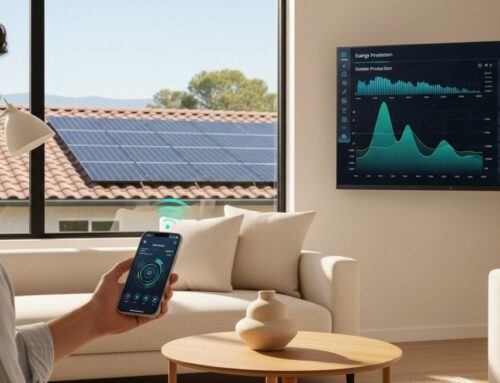
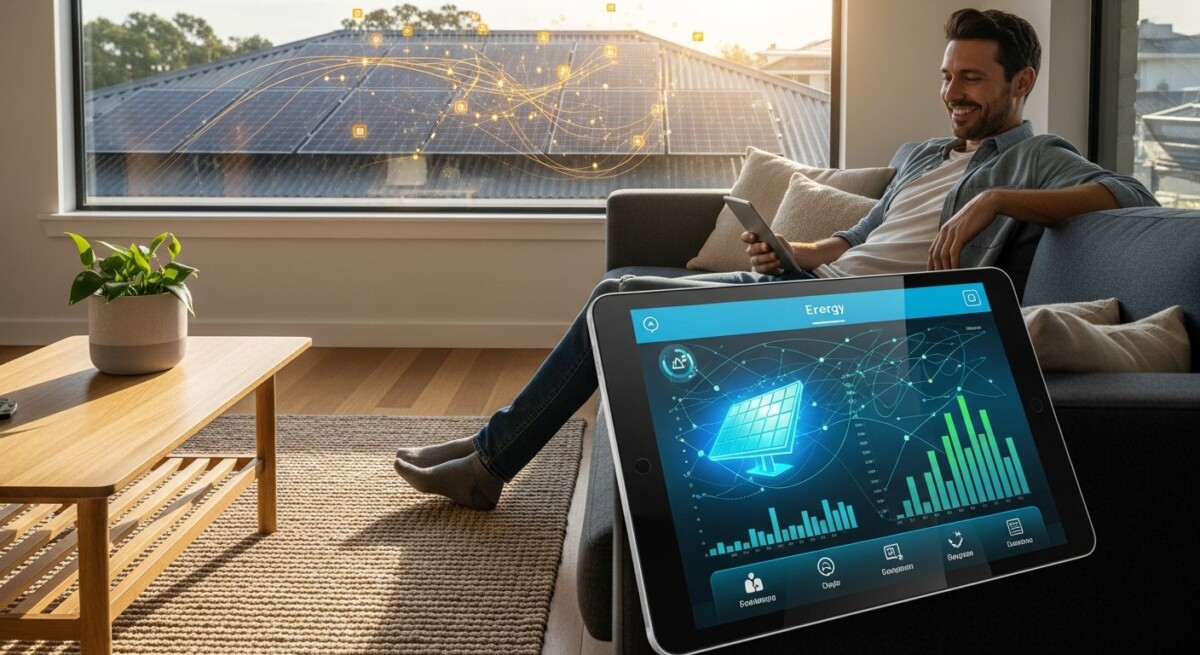
Solar performance tracking is a system that monitors how well your solar panels are working in real time. Think of it as a fitness tracker for your home energy system. It collects data on energy production, consumption, and system health, then displays it on an app or web dashboard so you can see everything at a glance.
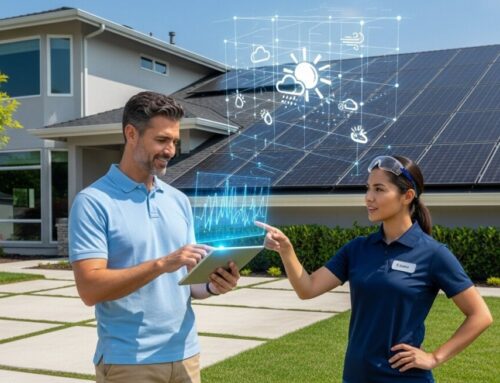
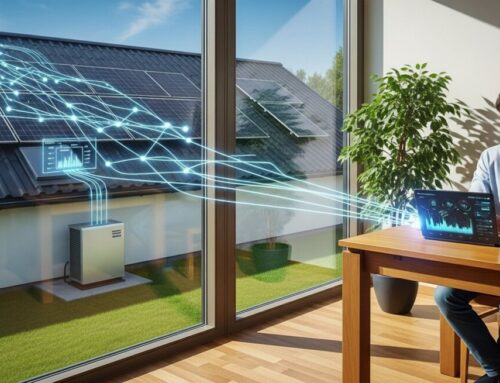
The technology works through sensors and inverters that communicate with a central monitoring platform. When a panel underperforms,due to shading, dirt, or a technical issue,the system alerts you immediately. This helps you catch problems early, maximize savings, and keep your system running at peak efficiency. More homeowners are adopting solar performance tracking because it turns a big investment into a manageable, transparent tool for long-term savings.
How Solar Monitoring Differs From Basic Panel Operation
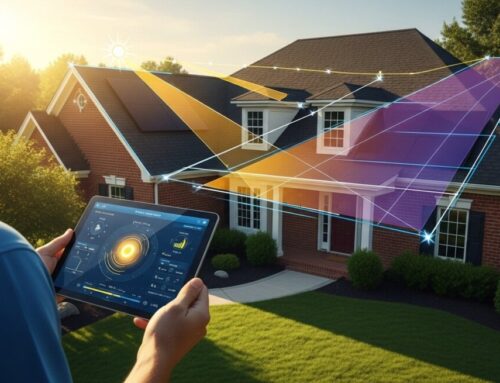
Basic solar panels simply convert sunlight into electricity. Performance tracking adds a layer of intelligence by measuring voltage, current, and temperature at the panel level. This granular data lets you see which panels perform best and which might need attention, giving you peace of mind and control over your energy production.
Why Solar Energy Is Becoming More Popular
Electricity prices have risen steadily over the past decade, and many homeowners feel the pinch. Solar energy offers a way to lock in lower, predictable energy costs. By generating your own power, you protect yourself from future rate hikes and reduce your monthly bills substantially.
Environmental concerns also drive interest in solar. Homeowners want to reduce their carbon footprint and contribute to a cleaner planet. Solar panels produce electricity without greenhouse gas emissions, making them one of the most effective home upgrades for environmental impact.
Long-term savings remain the strongest motivator. After the initial installation, solar panels generate free electricity for 25 years or more. Combined with federal tax credits and state incentives, the return on investment can be significant. In fact, many homeowners see their system pay for itself within 6 to 10 years.
If you are considering solar power for your home, comparing installation quotes can help you understand your options. Request a free solar quote or call (877) 255-0217 to learn more.
Common Questions Homeowners Have About Solar
Many homeowners worry about the upfront cost of solar panels. The good news is that prices have dropped dramatically over the past decade, and federal tax credits can cover 30% of the total system cost. Financing options like solar loans and leases also make installation accessible with little to no money down.
Roof suitability is another frequent concern. Most roofs that face south, east, or west with minimal shading work well for solar. A professional installer will evaluate your roof’s age, material, and angle during a free assessment. If your roof needs repairs, it is best to complete those before installation.
System performance questions often arise after installation. Homeowners want to know how much power their panels generate on cloudy days or during winter. Solar performance tracking answers these questions with real data, showing you exactly how your system performs in all conditions.
- How much does solar installation cost in my area?
- Will solar panels work on my roof type?
- How long do solar panels last?
- What happens during a power outage?
- Do I need a battery with my solar system?
- How do government incentives reduce my costs?
How Solar Panel Installation Works
The installation process begins with a home energy assessment. An installer reviews your electricity bills, inspects your roof, and discusses your energy goals. This step determines the right system size and design for your home.
Next comes system design and permitting. The installer creates a custom layout for your panels, obtains necessary permits from your local government, and schedules the installation. Permitting typically takes a few weeks, but many installers handle this paperwork for you.
- Home energy assessment , Review bills and roof condition.
- System design , Custom layout for maximum sun exposure.
- Permits and approvals , Local government and utility paperwork.
- Panel installation , Mount panels, connect wiring, and set up inverter.
- System activation , Utility inspection and final connection to the grid.
Speaking with experienced installers can help you determine the best solar solution for your home. Compare solar quotes here or call (877) 255-0217 to explore available options.
Signs Your Home May Be Ideal for Solar
Homes with strong, unobstructed sunlight exposure between 9 a.m. and 3 p.m. are prime candidates for solar. South-facing roofs capture the most energy, but east and west exposures also work well. If your roof has little to no shade from trees or nearby buildings, you are in a good position.
High electricity bills are another clear indicator. If you pay more than $100 per month on average, solar can likely reduce those costs. Homes with electric heating, cooling, or an electric vehicle often see even greater savings.
- Your roof gets at least 4,5 hours of direct sunlight daily.
- Your monthly electricity bill is consistently high.
- You have enough roof space (about 100,300 square feet for a typical system).
- You plan to stay in your home for at least 5,7 years.
- Your roof is in good condition and less than 10 years old.
- Your local utility offers net metering or other solar incentives.
What Affects Solar Installation Costs
System size is the biggest cost driver. A larger system that covers 100% of your electricity needs will cost more upfront but deliver greater long-term savings. Most homeowners choose a system sized to offset 80,100% of their annual consumption.
Equipment quality also matters. High-efficiency panels and premium inverters cost more but produce more energy over their lifespan. Cheaper components may save money initially but can lead to higher maintenance costs and lower performance later.
Installation complexity varies by home. A simple roof with easy access costs less to install than a complex multi-story roof with tiles or skylights. Local incentives, including federal tax credits and state rebates, can reduce your net cost by thousands of dollars.
The cost of solar installation varies depending on your home and energy needs. Request personalized solar quotes or call (877) 255-0217 to see what options are available.
Tips for Choosing a Reliable Solar Installer
Start by reviewing the installer’s experience and certifications. Look for companies with NABCEP (North American Board of Certified Energy Practitioners) certification and at least five years in business. This indicates solid technical knowledge and a track record of satisfied customers.
Warranties protect your investment. A reliable installer offers a workmanship warranty of at least 10 years and helps you navigate manufacturer warranties on panels and inverters. Always read the fine print and ask what is covered.
- Check online reviews on Google, Yelp, and the Better Business Bureau.
- Ask for references from recent installations in your area.
- Compare at least three detailed quotes to see price and equipment differences.
- Verify that the installer handles all permits and inspections.
- Confirm they offer solar performance tracking as part of the package.
Long-Term Benefits of Installing Solar Panels
Lower electricity bills are the most immediate benefit. Once your system is paid off, you enjoy decades of free or near-free electricity. In our guide on AI solar performance tracking, we explain how monitoring your system can boost those savings even further.
Solar panels also increase your home’s resale value. Studies show that homes with solar sell for 4,5% more than comparable homes without it. Buyers appreciate the lower utility costs and the environmental benefits.
Energy independence gives you peace of mind. With solar and a battery, you can keep the lights on during grid outages and reduce your reliance on fossil fuels. Every kilowatt-hour you generate from the sun reduces your carbon footprint and contributes to a cleaner energy future.
Frequently Asked Questions
What is solar performance tracking?
Solar performance tracking is a system that monitors your solar panels’ energy production in real time. It uses sensors and software to show you how much electricity your system generates, how much you save, and whether any panels need maintenance. This data helps you maximize efficiency and catch issues early.
How much does solar performance tracking cost?
Most modern solar systems include basic monitoring at no extra cost. Advanced monitoring with panel-level optimization may add $200,$500 to your system price. The long-term savings from early problem detection often offset this cost within the first year.
Can I monitor solar performance from my phone?
Yes, most solar monitoring systems offer a mobile app. You can check your energy production, consumption, and savings from anywhere. Notifications alert you if a panel underperforms or if your system goes offline.
Do I need solar performance tracking?
While not mandatory, tracking is highly recommended. It gives you visibility into your system’s health and ensures you are getting the savings you expected. Without it, you might not notice a problem until your electricity bill spikes.
How do I know if my solar panels are working properly?
Solar performance tracking provides real-time data on each panel’s output. You can compare daily, weekly, and monthly production to historical averages. If you notice a sudden drop, you can contact your installer for service.
What happens if my solar panels underperform?
Your monitoring system will alert you to underperformance. Common causes include shading from new tree growth, dirt buildup, or a faulty inverter. Most issues are easy to fix, and catching them early prevents significant energy loss.
Are government incentives available for solar?
Yes, the federal solar tax credit allows you to deduct 30% of your system cost from your federal taxes. Many states and utilities offer additional rebates, performance payments, or net metering programs. A professional installer can help you identify all available incentives in your area.
How long do solar panels last?
Most solar panels come with a 25-year performance warranty and continue to produce electricity for 30 years or more. Their efficiency gradually decreases, but they still generate about 80,85% of their original output after 25 years.
Solar energy is a practical, long-term investment that saves money, increases home value, and protects the environment. The best way to start is by comparing installation quotes from trusted professionals. AI solar performance tracking can help you monitor your system and maximize your savings for decades to come. Take the first step today and see how solar can work for your home.