How AI Monitors Solar Systems in Real Time to Cut Bills
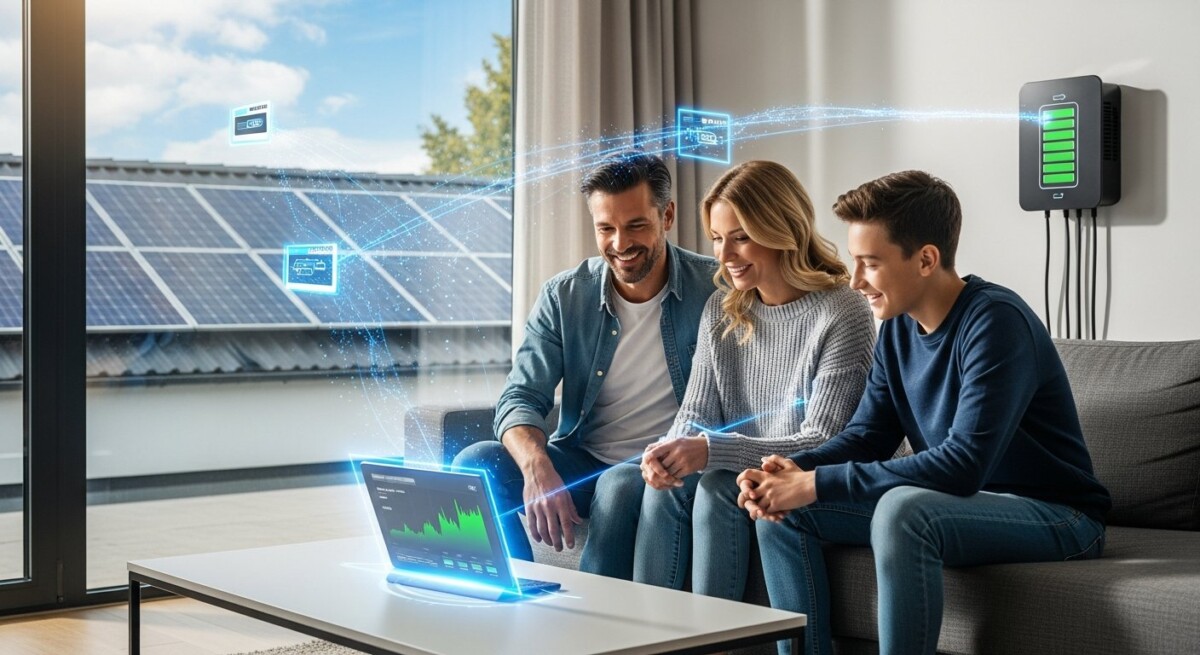
You open your monthly electricity bill and feel a familiar sting. Rates keep climbing, and you wonder if there is a way to take control. That is why more homeowners are searching for information about how AI monitors solar systems in real time. They want to reduce energy bills and become less dependent on the power grid. Artificial intelligence is changing solar energy from a passive investment into an active money-saving tool. Understanding this technology can help you make a smarter choice for your home and your budget.
Understanding How AI Monitors Solar Systems in Real Time
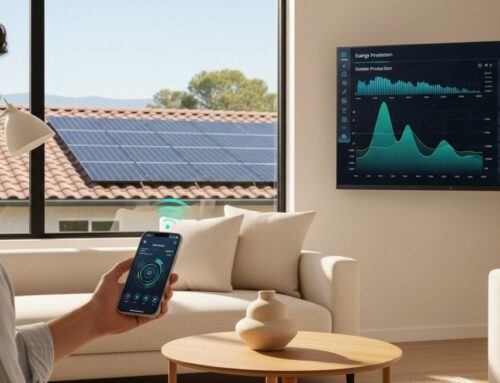
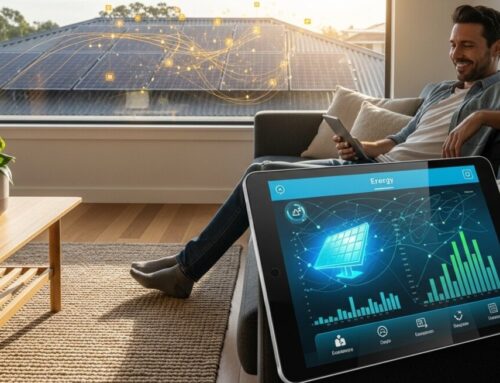
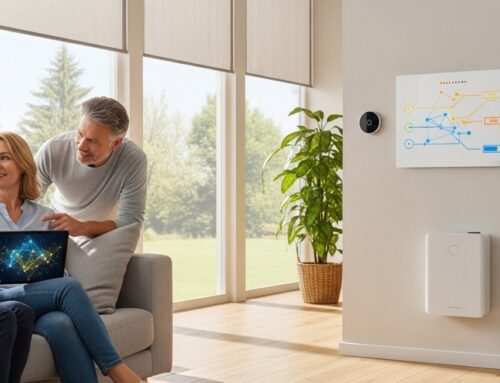
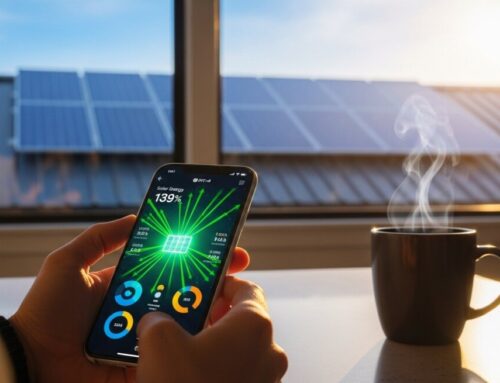
Artificial intelligence acts like a smart brain for your solar panel system. It constantly watches how much energy your panels produce, how much your home uses, and when you send power back to the grid. The AI learns your household patterns and adjusts settings automatically to maximize savings. This happens every second without you needing to lift a finger.
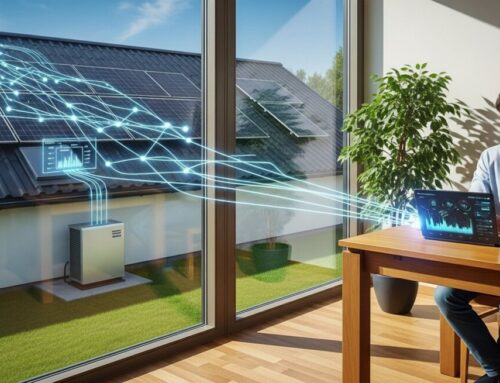
Think of it as a personal energy manager that never sleeps. The system collects data from sensors on your panels, your inverter, and even your utility meter. It then uses that data to predict weather changes, detect shading issues, and optimize when you store energy in a battery. In our guide on how AI monitors solar systems in real time to cut bills, we explain how this technology can boost your savings by up to 30 percent compared to a standard system.
Many homeowners are choosing AI-powered solar because it removes guesswork. You do not have to manually adjust settings or wonder if your system is performing well. The AI handles everything, from shifting energy usage to off-peak hours to alerting you about a dirty panel that needs cleaning. This peace of mind makes solar ownership simpler and more profitable.
Why Solar Energy Is Becoming More Popular
Electricity prices have risen faster than inflation for the past decade. Homeowners feel the pressure and look for ways to lock in lower rates. Solar panels offer a way to generate your own power and protect yourself from future rate hikes. When you add AI monitoring, every kilowatt-hour becomes more valuable because the system ensures you use it at the best possible time.
Environmental concerns also drive interest in solar. People want to reduce their carbon footprint and contribute to a cleaner planet. Solar energy produces no emissions and requires no fuel. AI monitoring makes solar even greener by minimizing wasted energy and maximizing the use of renewable power. It aligns your financial goals with your values.
Long-term savings remain the biggest draw. A well-designed solar system can pay for itself in six to ten years and then deliver free electricity for decades. AI boosts those savings by catching performance issues early and adapting to your changing needs. The result is a smart investment that grows more valuable over time.
If you are considering solar power for your home, comparing installation quotes can help you understand your options. Request a free solar quote or call to learn more.
Common Questions Homeowners Have About Solar
Most homeowners want to know how much solar panels cost upfront. The price has dropped significantly over the years, and federal tax credits can cover 30 percent of the total. Many states and utilities also offer rebates that lower the initial investment further. AI monitoring typically adds a small premium but pays for itself through higher energy savings.
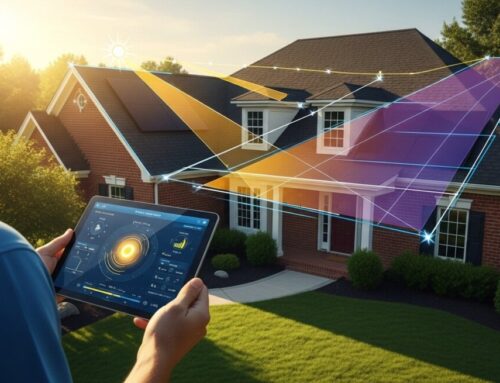
Another common concern is whether a roof can support solar panels. Most roofs with at least 20 years of life remaining work well. AI systems can analyze satellite images of your roof to estimate sunlight exposure and shading before any installation begins. This gives you confidence that your home is a good candidate.
People also worry about system performance on cloudy days or during winter. Modern panels still produce electricity in diffuse light, and AI helps manage battery storage to cover low-production periods. The technology ensures you have power when you need it most, even if the sun is not shining brightly.
- How much does a solar system with AI monitoring cost?
- Will my roof need repairs before installation?
- How long does the installation process take?
- What happens during a power outage?
- Do I need a battery with my solar system?
- How do I know if AI monitoring is worth the extra cost?
How Solar Panel Installation Works
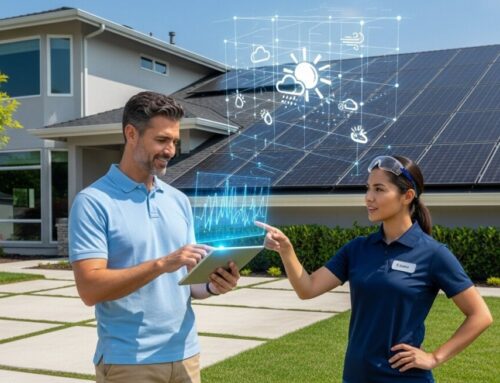
The process begins with a home energy assessment. A professional installer reviews your past electricity bills, inspects your roof, and discusses your energy goals. If you are interested in AI monitoring, they will recommend compatible equipment and explain how the smart features work. This step ensures the system is sized correctly for your household.
Next comes system design and permitting. The installer creates a custom layout for your panels and submits the necessary paperwork to your local government and utility company. AI monitoring requires a compatible inverter and communication hardware, which the design will include. Permits typically take one to three weeks to approve.
Installation day usually takes one to three days depending on system size. Workers mount the panels, connect the inverter, and set up the AI monitoring gateway. After a final inspection, the system is activated, and the AI begins learning your energy patterns immediately. You can track everything from a smartphone app.
- Home energy assessment and consultation
- System design and equipment selection
- Permit applications and utility approvals
- Panel mounting and electrical connections
- AI monitoring setup and system activation
Speaking with experienced installers can help you determine the best solar solution for your home. Compare solar quotes here or call to explore available options.
Signs Your Home May Be Ideal for Solar
Homes with south-facing roofs that receive direct sunlight for most of the day are prime candidates. AI monitoring can still optimize systems on east- or west-facing roofs, but full southern exposure delivers the highest production. If your roof is shaded by tall trees or neighboring buildings, an AI system may recommend trimming or partial panel placement.
High electricity bills are another strong indicator. If you pay more than one hundred dollars per month, solar can likely reduce those costs. AI monitoring helps you shift energy-intensive tasks like running the dishwasher or charging an electric vehicle to peak sunlight hours, maximizing your savings.
Long-term home ownership also matters. Solar panels add value to your property, but it takes several years to recoup the investment through energy savings. If you plan to stay in your home for at least five to seven years, solar is a smart financial move. AI monitoring ensures your system performs optimally throughout that period.
- Unshaded roof with good sun exposure
- Monthly electricity bills above one hundred dollars
- Roof in good condition with at least 20 years of life
- Plan to stay in your home for five years or more
- Interest in smart home technology and energy independence
What Affects Solar Installation Costs
System size is the biggest cost factor. A larger system with more panels generates more electricity but costs more upfront. AI monitoring adds a modest increase to the total, typically five to ten percent. However, the efficiency gains often offset that extra cost within the first few years.
Equipment quality also influences price. Premium panels and inverters cost more but last longer and perform better. AI monitoring requires a smart inverter or an add-on gateway, which can vary in price. Choosing reliable equipment with strong warranties protects your investment and ensures the AI system works correctly.
Local incentives and tax credits can reduce your net cost by thousands of dollars. The federal investment tax credit currently offers a 30 percent deduction on the total system price. Many states add their own rebates, and some utilities offer performance-based incentives for AI-monitored systems. Our comparison of AI solar vs traditional solar systems: which saves you more can help you evaluate these options.
The cost of solar installation varies depending on your home and energy needs. Request personalized solar quotes or call to see what options are available.
Tips for Choosing a Reliable Solar Installer
Start by reviewing each installer’s experience with AI monitoring technology. Not all companies understand how to configure and optimize smart systems. Ask for references from homeowners who have AI-monitored installations. A knowledgeable installer will explain how the AI features work and what ongoing support they offer.
Check warranty coverage carefully. Quality panels come with 25-year performance warranties, and inverters typically have 10 to 15 years of coverage. AI monitoring hardware should include at least a five-year warranty. Reputable installers stand behind their work and offer labor warranties for installation defects.
Read customer reviews on independent platforms like Google or the Better Business Bureau. Look for comments about system performance, customer service, and how the installer handled any issues. Multiple positive reviews from homeowners with similar systems give you confidence in your choice.
- Ask about experience with AI monitoring systems
- Request at least three detailed quotes for comparison
- Verify licenses, insurance, and certifications
- Read recent customer reviews and check ratings
- Compare warranty terms for panels, inverters, and AI hardware
Long-Term Benefits of Installing Solar Panels
Lower electricity bills are the most immediate benefit. With AI monitoring, you can reduce your monthly costs by 50 to 90 percent depending on system size and local rates. Over 25 years, those savings can total tens of thousands of dollars. The AI ensures you get the highest possible return from your panels every day.
Home value also increases. Studies show that homes with solar panels sell for about four percent more than comparable homes without them. AI monitoring adds further appeal because buyers see it as modern, efficient technology. A solar system with smart features can make your home stand out in the real estate market.
Energy independence gives you peace of mind. When paired with a battery, AI-monitored solar can keep your lights on during grid outages. You rely less on utility companies and more on your own clean energy. This independence, combined with environmental benefits and government incentives, makes solar one of the smartest home improvements available today.
How does AI monitoring actually save me money on my electric bill?
AI monitoring saves money by optimizing when your home uses solar power versus drawing from the grid. It learns your daily routines and automatically shifts energy-intensive activities to peak sunlight hours. The system also detects underperforming panels or wiring issues early, preventing lost production that would otherwise increase your bill.
Do I still save money if my roof does not face south?
Yes, you can still save money. East- and west-facing roofs produce less total energy, but AI monitoring helps you capture every possible kilowatt-hour. The system adjusts panel angles in real time if you have tracking mounts, or it optimizes battery charging to match your production curve. You will save less than a south-facing home, but the investment still pays off over time.
What happens to my AI solar system during a power outage?
If your system includes a battery, the AI automatically disconnects from the grid and powers your essential loads. Without a battery, standard grid-tied solar systems shut down during an outage for safety reasons. AI monitoring can prioritize battery charging before a storm hits, ensuring you have backup power ready when you need it.
How often do I need to clean my solar panels?
AI monitoring can tell you exactly when your panels need cleaning. The system tracks production and alerts you if output drops below expected levels due to dirt or debris. In most areas, rain keeps panels clean enough, but dusty environments may require annual cleaning. The AI takes the guesswork out of maintenance.
Can I add AI monitoring to an existing solar system?
In many cases, yes. If your current inverter is compatible, you can add an AI monitoring gateway that connects to your system. Some older inverters may need an upgrade, but the cost is often worth it for the efficiency gains. A professional installer can assess your equipment and recommend the best solution.
Will AI monitoring work with my electric vehicle charger?
Absolutely. AI systems can integrate with smart EV chargers to schedule charging during peak solar production hours. This lets you power your car with free sunshine instead of expensive grid electricity. The coordination between your solar system and EV charger maximizes your overall energy savings.
How long do solar panels with AI monitoring last?
Solar panels typically last 25 to 30 years with minimal degradation. AI monitoring hardware may need replacement after 10 to 15 years, but it is a small cost compared to the overall system value. The AI helps extend panel life by preventing overheating and identifying issues before they cause damage.
What government incentives are available for AI-monitored solar systems?
The federal solar investment tax credit covers 30 percent of your total system cost, including AI monitoring equipment. Many states offer additional rebates, and some utilities provide performance payments for systems with smart monitoring. A local installer can help you identify all available incentives in your area.
Artificial intelligence is making solar energy smarter, simpler, and more profitable than ever before. Whether you want to cut your electricity bills, reduce your environmental impact, or gain energy independence, AI-monitored solar can help you reach your goals. The best way to start is by comparing quotes from multiple professional installers who understand this technology. Each home is different, and the right system for your neighbor may not be the best fit for you. Take the next step today by requesting personalized solar quotes. You will gain clarity on costs, savings, and the smart features that can transform how you power your home.