Why Solar Systems Need Monitoring for Maximum Savings
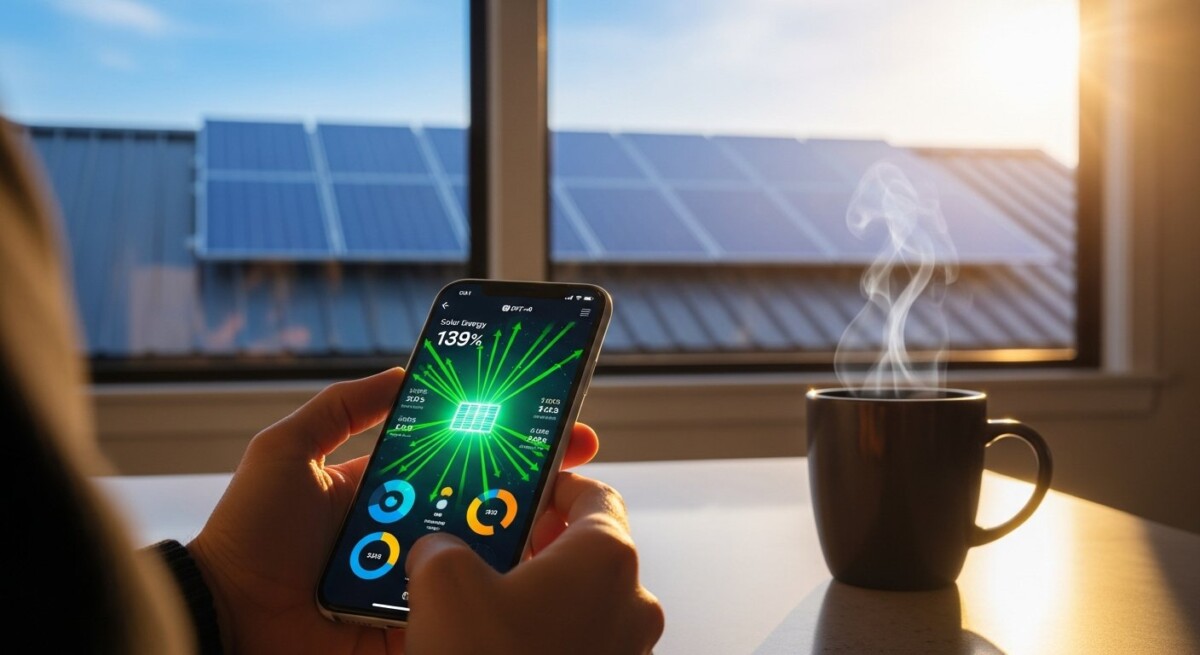
You open your monthly electricity bill and feel a familiar pang of frustration. The number keeps climbing, even though you haven’t changed your habits. This is why many homeowners start searching for ways to take control, and they quickly discover why solar systems need monitoring. Monitoring isn’t just a nice extra,it’s the tool that turns solar panels from a passive investment into an active money-saving asset. By tracking your system’s performance in real time, you can ensure you are actually reducing your electricity bills and becoming less dependent on the power grid.
Understanding Why Solar Systems Need Monitoring
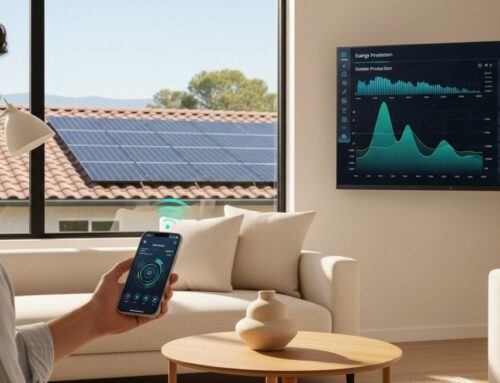
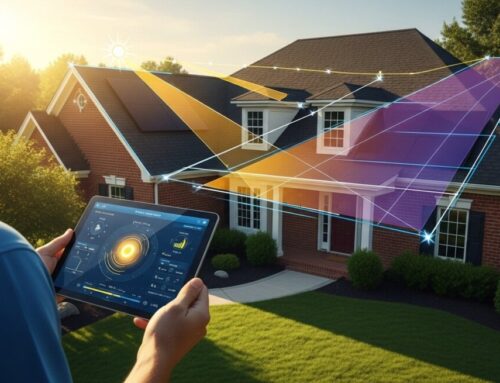
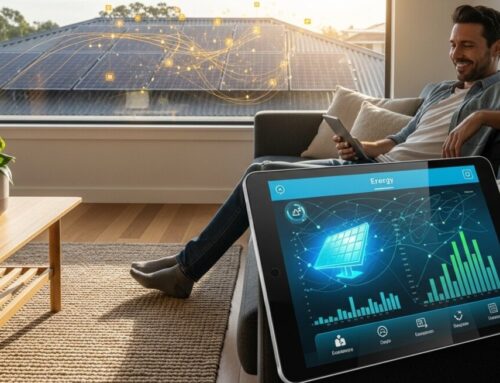
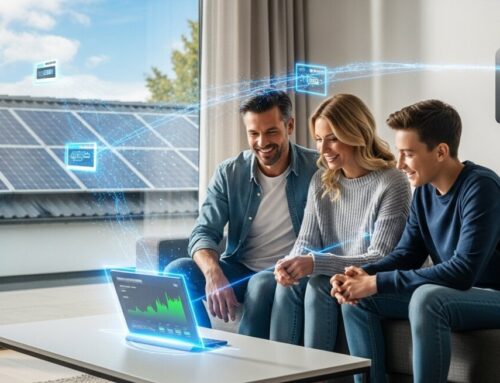
A solar monitoring system is like a fitness tracker for your energy setup. It collects data from your solar panels, inverter, and sometimes your home’s overall energy consumption, then displays it on an easy-to-read dashboard on your phone or computer. This lets you see exactly how much electricity your panels are producing at any given moment, how much your home is using, and how much excess energy is being sent back to the grid.
More homeowners are choosing systems with monitoring because it removes the guesswork. Instead of waiting for a surprise on your next bill, you can spot issues immediately,like a shaded panel, a failing inverter, or a sudden drop in production. Without monitoring, you might not know something is wrong for weeks or months, which means you are paying for electricity you could have generated yourself. For a deeper look at how tracking your system prevents wasted savings, read our guide on Why Solar Systems Need Monitoring for Maximum Savings.
How Monitoring Works in Simple Terms
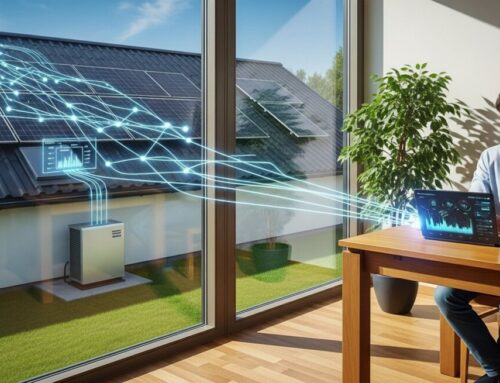
Most modern solar systems come with either a built-in monitoring platform or an add-on device that connects to your home’s Wi-Fi. The inverter,the brain of your solar system,sends performance data to the cloud, and the monitoring software organizes it into charts and alerts. You can check your daily production, compare it to previous weeks, and even receive notifications if your system stops working.
This transparency is what makes monitoring so valuable. It gives you proof that your investment is performing as promised, and it helps you make smarter decisions about when to run high-energy appliances like your washing machine or EV charger. In short, monitoring turns raw sunlight into actionable insights that put money back in your pocket.
Why Solar Energy Is Becoming More Popular
Electricity rates have risen steadily over the past decade, and many homeowners feel like they have no control over their monthly expenses. Solar energy offers a way to lock in a lower, more predictable cost for the next 25 to 30 years. When you generate your own power, you reduce the amount you buy from the utility, which directly lowers your electricity bills.
Beyond the financial benefits, there’s a growing awareness of environmental impact. Solar power produces no carbon emissions during operation, so every kilowatt-hour you generate from the sun is one less kilowatt-hour from fossil fuels. For families who want to leave a cleaner planet for their children, solar is a practical and visible step.
Long-term savings are also a major driver. Even after accounting for installation costs, most homeowners see a full return on investment within 6 to 10 years, after which the electricity they produce is essentially free. Add in government incentives like the federal Investment Tax Credit, which allows you to deduct a percentage of your system cost from your taxes, and the financial case becomes even stronger.
If you are considering solar power for your home, comparing installation quotes can help you understand your options. Request a free solar quote or call to learn more.
Common Questions Homeowners Have About Solar
Many homeowners hesitate because they aren’t sure about the upfront cost. A typical residential solar system can range from $10,000 to $30,000 before incentives, but federal and state rebates can reduce that by 30% or more. Financing options like solar loans and leases also make it possible to install panels with little to no money down.
Another frequent concern is roof suitability. Not every roof is ideal, but most can accommodate solar panels if they have good sun exposure and are in decent condition. A professional installer will evaluate your roof’s age, material, and orientation during a free site assessment.
System performance is also a top question. Homeowners want to know how much power they will actually generate and whether the system will work on cloudy days. Solar panels still produce electricity in diffuse light, though at a reduced rate, and monitoring ensures you can track that output in real time.
- How much does a solar system cost after incentives?
- Will solar panels work on my type of roof?
- How long does installation take?
- What happens if my panels produce more power than I use?
- Do I need a battery for my solar system?
- How do I know if my system is working properly?
How Solar Panel Installation Works
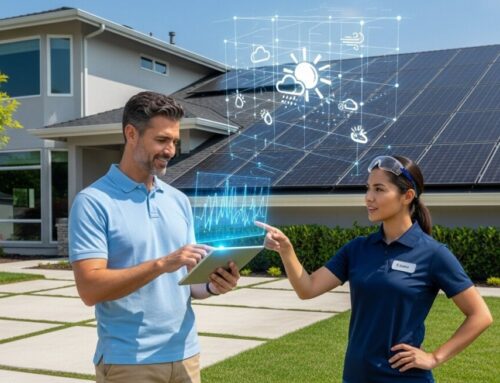
The installation process is more straightforward than most people expect. It starts with a home energy assessment, where an installer reviews your past electricity bills, examines your roof, and discusses your energy goals. This step ensures the system is sized correctly to maximize your savings without overspending on unnecessary capacity.
Once the design is finalized, the installer handles all the permits and approvals required by your local utility and building department. This paperwork can be tedious, but a professional installer navigates it for you. After approvals are in place, the physical installation typically takes one to three days, depending on the size and complexity of the system.
- Home energy assessment , Review bills, evaluate roof, discuss goals.
- System design , Create a custom layout and select equipment.
- Permits and approvals , Secure necessary permissions from local authorities.
- Panel installation , Mount panels, connect wiring, install inverter.
- System activation , Final inspection, utility approval, and turn-on.
Speaking with experienced installers can help you determine the best solar solution for your home. Compare solar quotes here or call to explore available options.
Signs Your Home May Be Ideal for Solar
Not every home is perfectly suited for solar, but many are better candidates than homeowners realize. The most important factor is sunlight exposure. If your roof faces south, west, or east and receives direct sun for most of the day, your system will produce strong energy yields. Trees or nearby buildings that cast heavy shade can reduce output, but an installer can help you assess the impact.
High electricity bills are another clear indicator. If you pay more than $100 per month on average, solar can likely reduce that expense significantly. Also, if you plan to stay in your home for at least five to seven years, you have enough time to recoup your investment and enjoy years of free or low-cost electricity.
- Your roof gets strong sunlight for most of the day.
- Your monthly electricity bills are consistently high.
- You have suitable, unshaded roof space (typically 200,500 sq ft).
- You plan to stay in your home for several more years.
- Your roof is in good condition or needs replacement soon.
- Your local utility offers net metering or other solar incentives.
What Affects Solar Installation Costs
System size is the biggest cost driver. A larger system that covers all your energy needs will cost more upfront, but it also delivers greater long-term savings. Equipment quality also matters,premium panels and inverters tend to be more efficient and come with longer warranties, which can lower maintenance costs over time.
Installation complexity can add to the price. A simple, south-facing roof with easy access is cheaper to install than a complex multi-roof layout with tile shingles or difficult wiring. Local incentives also play a major role. Some states offer additional rebates, performance-based incentives, or property tax exemptions that can reduce your net cost by thousands of dollars.
The cost of solar installation varies depending on your home and energy needs. Request personalized solar quotes or call to see what options are available.
Tips for Choosing a Reliable Solar Installer
Choosing the right installer is just as important as choosing the right equipment. A quality installer will conduct a thorough site assessment, explain your options clearly, and stand behind their work with solid warranties. Look for companies that have been in business for several years and have a track record of positive customer reviews.
Warranties are especially important. A good installer offers a workmanship warranty of at least 10 years, and the equipment should come with manufacturer warranties of 25 years for panels and 10 to 12 years for inverters. Reading online reviews on platforms like Google, Yelp, or the Better Business Bureau can reveal how responsive the company is to service requests.
- Review the installer’s experience and years in business.
- Check what warranties are offered on workmanship and equipment.
- Read customer reviews on independent sites.
- Compare at least three quotes to understand pricing and value.
- Ask about monitoring options and ongoing support.
- Verify the installer’s licenses and insurance.
Long-Term Benefits of Installing Solar Panels
The most immediate long-term benefit is lower electricity bills. Once your system is paid off, the electricity it generates is essentially free, saving you hundreds or even thousands of dollars each year. Over the 25- to 30-year lifespan of a typical solar system, total savings can exceed $30,000 to $60,000 depending on your local utility rates.
Solar panels also increase your home’s resale value. Studies show that homes with solar panels sell for a premium compared to similar homes without them, and they tend to sell faster. For homeowners who value energy independence, solar offers peace of mind. You are less affected by utility rate hikes and grid outages, especially if you pair your system with a battery.
Finally, every solar installation reduces your household’s carbon footprint. The average residential solar system offsets about three to four tons of carbon dioxide per year,equivalent to planting more than 100 trees annually. By going solar, you contribute directly to a cleaner environment while enjoying financial and practical benefits.
Frequently Asked Questions
Do solar panels work during a power outage?
Standard grid-tied solar systems shut down during a power outage to protect utility workers. If you want backup power, you need a battery storage system or a special inverter that can operate independently. Monitoring can help you track battery levels and ensure your backup system is ready when needed.
How long do solar panels last?
Most solar panels come with a 25-year performance warranty, and they often continue producing power well beyond that, albeit at a slightly reduced efficiency. Inverters typically need replacement after 10 to 15 years. Monitoring helps you track performance degradation so you know when maintenance or replacement is needed.
Can I install solar panels myself to save money?
While DIY installation is possible, it is not recommended for most homeowners. Professional installers ensure the system is safely wired, properly permitted, and eligible for warranties and incentives. Mistakes can lead to lower performance, safety hazards, or voided warranties. A good installer also includes monitoring as part of the package.
What is net metering?
Net metering is a billing arrangement where your utility credits you for excess solar power you send to the grid. When your panels produce more than you use, the meter runs backward, and you earn credits that offset future electricity costs. Monitoring helps you track your net energy flow and maximize those credits.
How much maintenance do solar panels require?
Solar panels are very low maintenance. Most need only occasional cleaning from rain and an annual visual inspection. Monitoring makes maintenance even easier by alerting you to performance drops caused by dirt, debris, or equipment issues. Most installers recommend a professional cleaning every few years if you live in a dusty area.
Will solar panels damage my roof?
Properly installed solar panels do not damage your roof. Installers use mounting systems that penetrate the roof only where necessary and seal those points to prevent leaks. In fact, panels can protect the roof area they cover from sun and rain. A reputable installer will inspect your roof beforehand and address any existing issues.
How do I know if my solar system is performing well?
Monitoring is the best way to know. Your dashboard will show daily, monthly, and yearly production compared to expectations. If you notice a sudden drop, you can contact your installer for service. Without monitoring, you might not realize your system has underperformed until your next electricity bill arrives.
What happens to solar panels at the end of their life?
Solar panels are recyclable, and many manufacturers have take-back programs. The glass, aluminum, and silicon can be recovered and reused. Monitoring helps you track when your panels are no longer producing efficiently so you can plan for replacement or recycling at the right time.
Choosing to install solar panels is a big decision, but understanding why solar systems need monitoring can help you get the most from your investment. Monitoring ensures your system performs at its best, protects your savings, and gives you confidence that your energy independence is real. The best way to start is to compare quotes from multiple installers, ask about their monitoring options, and choose a system that fits your home and budget. Take the first step today and see how solar can transform your electricity bills and your future.