Solar Data Analytics: Slash Bills With Smart Energy Insights
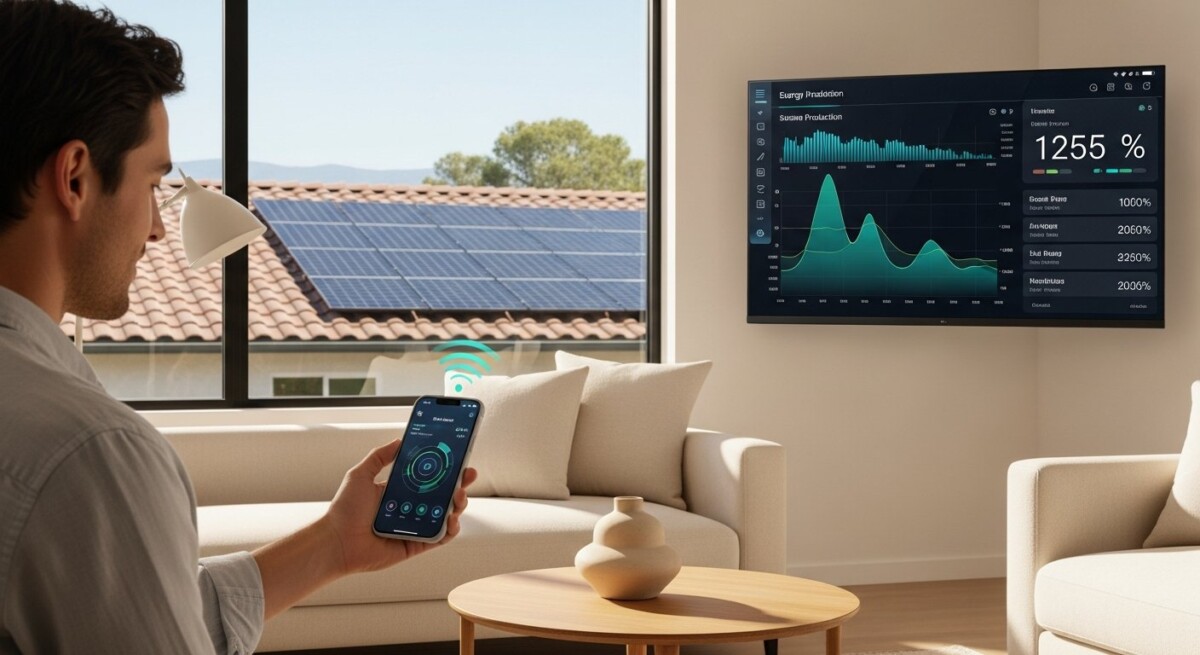
You open your monthly electricity bill and feel a familiar sting. Rates keep climbing, and you wonder if there is a way to take control. That is why many homeowners are now searching for what is solar data analytics , a smart approach that helps you understand exactly how solar energy can reduce your bills and give you more energy independence.
Understanding What Is Solar Data Analytics
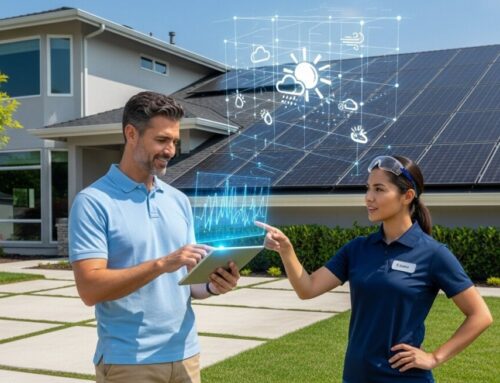
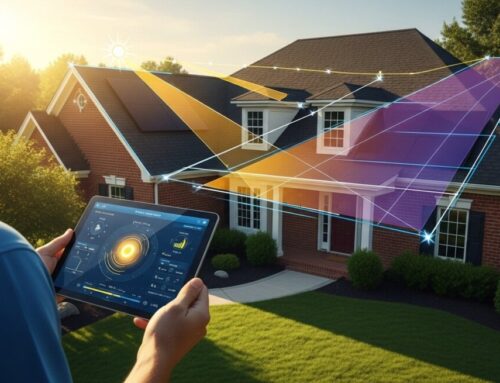
Solar data analytics is the process of collecting and analyzing information from solar panels and your home’s energy usage. Think of it as a fitness tracker for your electricity , it shows you when you use power, how much you generate, and where you can save more. By examining patterns, solar data analytics helps you and your installer design a system that fits your specific needs.
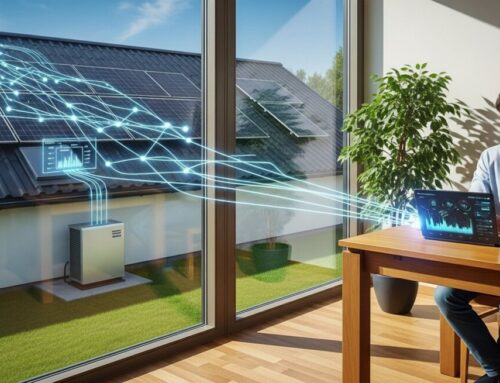
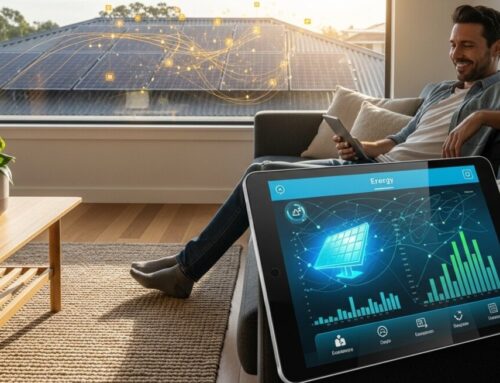
This technology uses sensors and software to monitor real-time performance. It tracks sunlight hours, energy production, and household consumption. Over time, the system learns your habits and suggests adjustments, such as running appliances during peak sun hours. The result is a smarter, more efficient home that maximizes your return on investment.
In our guide on AI Solar Analytics Explained, we explain how these insights can slash your monthly bills and make your system work harder for you.
Why Solar Energy Is Becoming More Popular
Rising electricity prices are pushing more homeowners to look for alternatives. Solar energy offers a way to lock in lower rates and protect your budget from future hikes. Many families see their bills drop by 50 percent or more after installation.
Environmental concerns also play a big role. Solar power is clean, renewable, and reduces your carbon footprint. Plus, long-term savings are compelling , most systems pay for themselves within 6 to 10 years, then provide free electricity for decades.
If you are considering solar power for your home, comparing installation quotes can help you understand your options. Request a free solar quote or call (555) 123-4567 to learn more.
Common Questions Homeowners Have About Solar
Many homeowners worry about the upfront cost of solar panels. The good news is that prices have dropped significantly, and federal tax credits can cover 30 percent of the total. Financing options also make it accessible for most budgets.
Roof suitability is another concern. Most roofs with southern exposure and minimal shading work well. A professional installer will assess your roof’s age, angle, and condition before recommending a system. Performance questions are common too , modern panels are highly efficient and work even on cloudy days.
- How much does a solar system cost?
- Will solar panels work on my roof?
- How long do panels last?
- What happens during a power outage?
- Do I need a battery?
- How much maintenance is required?
How Solar Panel Installation Works
Installing solar panels is a straightforward process when you work with a qualified professional. It starts with a home energy assessment to understand your usage and roof conditions. Then, your installer designs a custom system that meets your needs.
After design, the installer handles permits and approvals from your local utility and city. The actual panel installation usually takes one to three days. Once everything is connected, your system is activated and begins generating power immediately.
- Home energy assessment and usage analysis
- System design and equipment selection
- Permits and approvals from local authorities
- Panel installation and electrical connections
- System activation and monitoring setup
Speaking with experienced installers can help you determine the best solar solution for your home. Compare solar quotes here or call (555) 123-4567 to explore available options.
Signs Your Home May Be Ideal for Solar
Not every home is perfect for solar, but many are. The most important factor is strong sunlight exposure , homes with south-facing roofs or open areas get the best results. If your electricity bills are consistently high, solar can provide immediate relief.
Suitable roof space is another key indicator. A typical system needs about 300 to 400 square feet of unshaded roof. Planning to stay in your home for at least five more years also makes solar a smart investment, since savings compound over time.
- Strong, direct sunlight for most of the day
- High monthly electricity bills above $100
- A roof with at least 300 square feet of usable space
- Plans to stay in your home for 5+ years
- Roof in good condition with 10+ years of life left
- Access to net metering or local incentives
What Affects Solar Installation Costs
Solar system costs vary based on size, equipment quality, and installation complexity. A larger system that covers 100 percent of your usage will cost more upfront but deliver greater long-term savings. High-efficiency panels and premium inverters also add to the price but improve performance.
Installation complexity matters too , a simple roof mount is cheaper than a ground-mounted system or one requiring structural reinforcement. Local incentives and rebates can significantly reduce your net cost, sometimes by thousands of dollars. Comparing multiple quotes helps you find the best value for your specific situation.
The cost of solar installation varies depending on your home and energy needs. Request personalized solar quotes or call (555) 123-4567 to see what options are available.
Tips for Choosing a Reliable Solar Installer
Choosing the right installer is just as important as choosing the right equipment. Look for companies with several years of experience and a strong track record in your area. Check that they are licensed, insured, and certified by organizations like NABCEP.
Warranties matter , good installers offer at least 10 years on workmanship and 25 years on panel performance. Read customer reviews on Google, Yelp, or SolarReviews to see what past clients say. Always compare at least three quotes before making a decision to ensure you get a fair price and quality service.
- Review installer experience and local reputation
- Check for proper licensing and insurance
- Ask about workmanship and equipment warranties
- Read recent customer reviews and testimonials
- Compare at least three detailed quotes
- Confirm they handle permits and paperwork
Long-Term Benefits of Installing Solar Panels
Lower electricity bills are the most immediate benefit, but the savings only grow over time. Solar panels typically last 25 to 30 years, meaning decades of free power after the system is paid off. Home values also increase , studies show homes with solar sell for about 4 percent more than comparable homes without.
Energy independence is another major advantage. You become less vulnerable to utility rate hikes and grid outages, especially if you add battery storage. Environmentally, a typical home system offsets about 3 to 4 tons of carbon emissions annually , the equivalent of planting 100 trees each year. For a deeper look, check out our guide on AI Solar Forecasting Explained, which shows how predictive analytics can boost your home energy savings even further.
How long do solar panels last?
Most solar panels come with a 25-year performance warranty and continue producing power well beyond that. They typically degrade about 0.5 percent per year, meaning after 25 years they still operate at around 88 percent efficiency. With proper maintenance, panels can last 30 years or more.
Will solar work during a power outage?
Standard grid-tied solar systems shut down during outages for safety reasons. If you want backup power, you need a solar battery system like the Tesla Powerwall or Enphase. Batteries store excess energy and allow you to run essential appliances when the grid goes down.
How much can I save on my electricity bill?
Savings depend on your local utility rates, system size, and sun exposure. Most homeowners save between 50 and 80 percent on their monthly electricity bills. Over 20 years, the average savings range from $20,000 to $40,000 after system costs.
Are there government incentives for solar?
Yes, the federal solar tax credit allows you to deduct 30 percent of your system cost from your federal taxes. Many states and utilities also offer rebates, tax credits, or performance-based incentives. Your installer can help you identify all available incentives in your area.
Do I need to clean my solar panels?
Solar panels require minimal maintenance , rain usually keeps them clean enough. In dusty areas or during dry spells, you may need to rinse them with a garden hose once or twice a year. Avoid harsh chemicals or abrasive tools that could scratch the glass.
What size solar system do I need?
System size depends on your annual electricity usage, roof space, and budget. A typical home uses 10,000 to 12,000 kWh per year, which requires a 7 to 9 kW system. Your installer will analyze your bills and roof to recommend the right size.
Can I install solar panels myself?
DIY solar installation is possible but not recommended for most homeowners. Professional installers handle permits, electrical connections, and safety requirements that are easy to miss. Mistakes can void warranties, create fire hazards, or cost more to fix than hiring a pro.
How do I choose between buying and leasing solar?
Buying solar gives you full ownership, the tax credit, and maximum long-term savings. Leasing requires no upfront cost but you don’t own the system, so savings are lower and you miss out on incentives. Purchase offers the best financial return if you can afford the upfront investment.
Solar data analytics is transforming how homeowners approach energy savings. By combining smart monitoring with professional installation, you can cut electricity bills, boost home value, and enjoy energy independence. The best way to start is to compare multiple quotes from trusted installers who use data to design your ideal system. Take the first step today and see how solar can work for your home.