Can AI Predict Solar Production Accurately for Savings?
You open your monthly electricity bill and feel a familiar sting. Rates keep climbing, and you wonder if there is a way to take control. That is why more homeowners are searching for answers to questions like can AI predict solar production accurately,because knowing exactly how much energy your panels will generate can make or break the financial case for going solar. The promise of reducing your reliance on the grid and locking in lower energy costs for decades is incredibly appealing.
The good news is that modern technology, especially artificial intelligence, has made solar forecasting remarkably precise. Instead of guessing whether solar panels will work for your home, you can now get data-driven predictions that give you confidence before you invest a single dollar. This article will explain how AI helps predict solar output, why it matters for your wallet, and how comparing quotes from professional installers ensures you get the system that fits your home perfectly.
Understanding Can AI Predict Solar Production Accurately
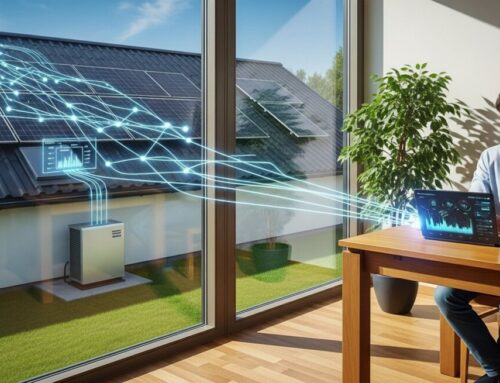
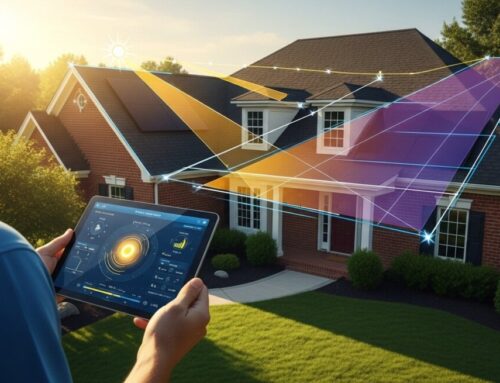
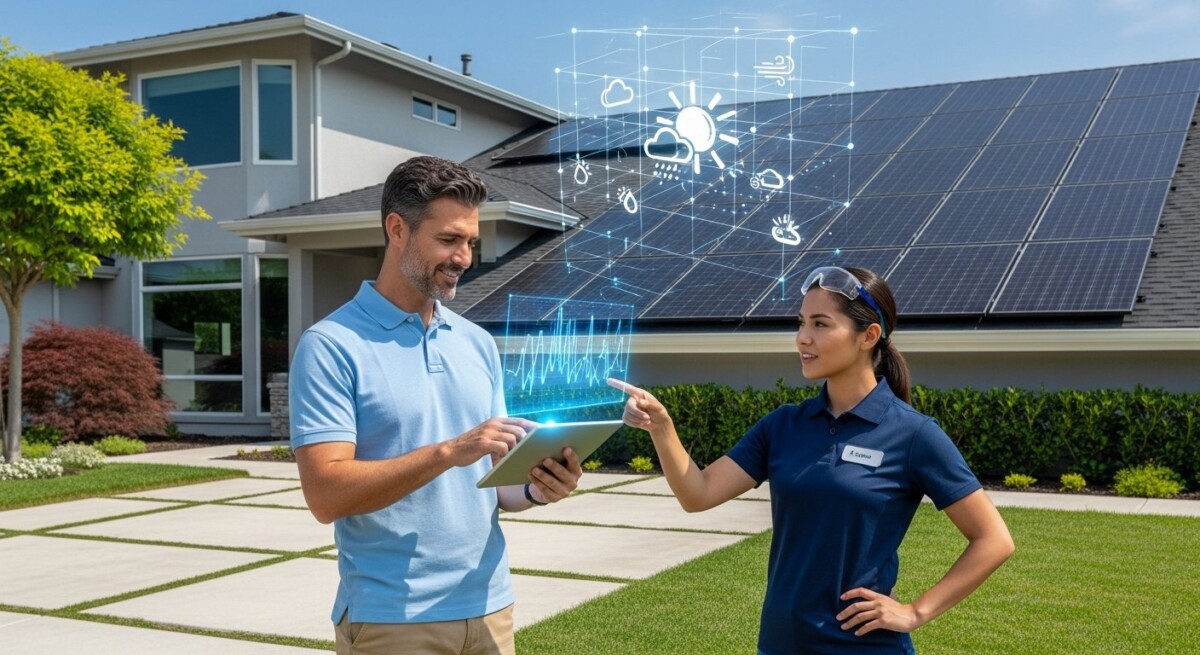
At its simplest, can AI predict solar production accurately means using smart computer models to forecast how much electricity your solar panels will generate over days, months, or years. These models analyze historical weather data, satellite imagery, your roof’s angle and orientation, and even local shading patterns. The result is a highly personalized estimate that goes far beyond a generic calculator.
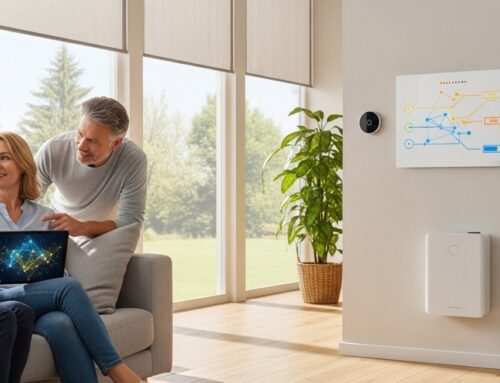
AI does not just look at today’s sunshine. It learns from millions of data points,cloud cover trends, seasonal sun paths, temperature effects on panel efficiency,and applies them to your specific location. For homeowners, this means you get a realistic picture of energy production, not an optimistic average. In our guide on Can AI Predict Solar Production Accurately for Your Home?, we explain how this technology helps you avoid overpaying for a system that underperforms or undersizing a system that leaves you still dependent on the grid.
Why are more homeowners turning to AI-powered predictions? Because solar is a long-term investment, and accuracy matters. A system that produces 10% less than expected can erase thousands of dollars in savings over 25 years. AI tools give you and your installer a reliable baseline to design the right system size, choose quality components, and set realistic expectations for bill reduction.
Why Solar Energy Is Becoming More Popular
Electricity rates across the United States have risen steadily, and in many areas, they are expected to keep climbing. Homeowners are tired of unpredictable bills that spike during summer heatwaves or winter storms. Solar energy offers a way to lock in a fixed, lower cost for electricity,essentially generating your own power at a predictable price per kilowatt-hour.
Beyond savings, environmental concerns are driving adoption. People want to reduce their carbon footprint and contribute to a cleaner future. Solar panels produce no emissions, and every kilowatt-hour you generate from the sun means less coal or natural gas burned elsewhere. It is a tangible step you can take right from your rooftop.
Government incentives sweeten the deal. The federal solar tax credit allows you to deduct 30% of your installation cost from your taxes. Many states and utilities offer additional rebates, performance payments, or net metering programs that pay you for excess power you send back to the grid. These financial boosts can shorten your payback period to as little as five to seven years, after which your electricity is essentially free.
If you are considering solar power for your home, comparing installation quotes can help you understand your options. Request a free solar quote or call to learn more.
Common Questions Homeowners Have About Solar
When you start researching solar, a flood of questions naturally arises. The biggest one is usually cost: How much will this set me back? The answer varies widely based on system size, equipment quality, and your roof’s complexity. However, with incentives and financing options like solar loans or leases, the upfront cost is much more manageable than most people assume.
Another frequent concern is roof suitability. Not every roof is ideal for solar, but most can work. Factors like age, material, shading from trees or nearby buildings, and orientation toward the sun all play a role. A professional installer can assess your roof during a free site visit and tell you if any modifications are needed.
Performance is also top of mind. Homeowners worry about cloudy days, winter snow, or whether their system will produce enough power. AI predictions address this directly by modeling production across all seasons, so you know what to expect year-round.
- How much will solar panels save me each month?
- What happens if my roof needs repair after installation?
- Do solar panels work during a power outage?
- How long does installation take?
- Will solar increase my home’s resale value?
- What maintenance do solar panels require?
How Solar Panel Installation Works
The process of going solar is simpler than you might think. It typically starts with a home energy assessment, where an installer reviews your electricity bills, measures your roof, and discusses your energy goals. This is the stage where AI-powered tools come into play, generating that accurate production forecast we talked about earlier.
Once the design is finalized, the installer handles all the permits and approvals with your local utility and city. This paperwork can be tedious, but experienced professionals know exactly what is required and how to expedite it. After approvals come through, the actual installation usually takes just one to three days for a typical home.
- Home energy assessment , Review bills, roof condition, and shading.
- System design , AI generates production estimates and panel layout.
- Permits and approvals , Installer secures necessary permissions.
- Panel installation , Mounting racks, panels, and wiring are installed.
- System activation , Utility inspection and final connection to the grid.
Speaking with experienced installers can help you determine the best solar solution for your home. Compare solar quotes here or call to explore available options.
Signs Your Home May Be Ideal for Solar
Certain characteristics make a home especially well-suited for solar panels. If your roof faces south, southwest, or west and receives direct sunlight for most of the day, you are in a prime position. Minimal shading from trees, chimneys, or neighboring buildings also boosts performance significantly.
High electricity bills are another strong indicator. If you pay more than $100 per month on average, solar can likely reduce or eliminate that expense. Additionally, if you plan to stay in your home for at least five to ten years, you will fully capture the long-term savings and recoup your investment.
- Unshaded roof with south or west exposure.
- Monthly electricity bills above $100.
- Roof in good condition with at least 15,20 years of life left.
- You own your home and plan to stay for several years.
- Local net metering or time-of-use rates that favor solar.
- Access to state or utility incentives that reduce upfront cost.
What Affects Solar Installation Costs
The price of a solar system depends on several variables. System size is the biggest factor,more panels mean more power but also a higher upfront cost. However, larger systems often deliver better economies of scale, lowering the cost per watt.
Equipment quality matters, too. Premium panels and inverters cost more but typically offer higher efficiency and longer warranties. Installation complexity,such as a steep roof, multiple stories, or unusual tile materials,can add labor costs. Finally, local incentives can dramatically reduce your net price, so it pays to research what is available in your area.
The cost of solar installation varies depending on your home and energy needs. Request personalized solar quotes or call to see what options are available.
Tips for Choosing a Reliable Solar Installer
Not all solar companies are created equal. Choosing the right installer is just as important as choosing the right panels. Look for companies with several years of experience, proper licensing, and a track record of satisfied customers. A reputable installer will be transparent about pricing, warranties, and production estimates.
One of the smartest moves you can make is to compare multiple quotes. This gives you leverage to negotiate better pricing and helps you spot red flags,like an installer who promises unrealistic production numbers or refuses to provide a detailed proposal. Always read reviews on platforms like Google, Yelp, or the Better Business Bureau.
- Verify installer licensing and insurance.
- Ask about workmanship and equipment warranties (10,25 years is standard).
- Read recent customer reviews, especially about post-installation support.
- Get at least three detailed quotes before deciding.
- Confirm the installer uses AI-powered tools for accurate production estimates.
- Check if they handle permits and utility paperwork.
Long-Term Benefits of Installing Solar Panels
Once your system is up and running, the benefits start immediately. Your monthly electricity bills drop, often by 50% to 100% depending on system size and local rates. Over 20 to 30 years, those savings can total tens of thousands of dollars,money that stays in your pocket instead of going to the utility company.
Solar panels also increase your home’s value. Studies show that homes with solar sell for a premium compared to similar homes without it. Buyers recognize the built-in energy savings and are willing to pay more. Plus, you gain a degree of energy independence, protecting yourself from future rate hikes and grid instability.
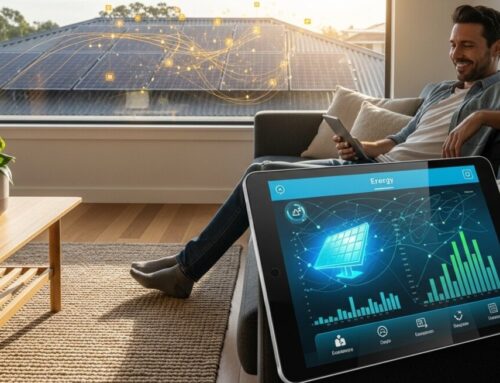
Environmentally, every solar home prevents tons of carbon dioxide emissions over its lifetime. It is a practical, rewarding way to contribute to a cleaner planet while improving your own financial health. To make the most of your investment, remember to Monitor Your Solar Production Easily with modern tools that track performance and alert you to any issues.
How accurate are AI solar production predictions?
Modern AI models can predict solar production with 90% to 95% accuracy on an annual basis. They use local weather history, satellite data, and real-time cloud tracking to refine estimates. While daily forecasts can vary due to unexpected weather, the long-term projections are highly reliable for planning purposes.
Can solar panels power my entire home?
Yes, if your system is sized correctly for your energy consumption. A professional installer will analyze your annual electricity usage and design a system that covers most or all of it. Factors like roof space, local sunlight, and your budget determine the maximum size.
How long do solar panels last?
Most solar panels come with a 25-year performance warranty and continue producing power well beyond that, though at a slightly reduced efficiency. Many panels still generate 80% or more of their original output after 30 years. Inverters typically need replacement after 10,15 years.
What happens if I move after installing solar?
You can include the solar system in your home sale. Many buyers see it as a valuable upgrade, and you can often recoup a significant portion of your investment through a higher sale price. Some homeowners also transfer their solar lease or loan to the new owner.
Do solar panels work in cloudy or cold climates?
Yes, solar panels generate electricity from diffuse sunlight, not just direct sun. They actually perform more efficiently in cooler temperatures. While production drops on overcast days, modern systems still produce meaningful power, and AI predictions account for your local climate.
Are there government incentives for solar in 2025?
The federal solar tax credit remains at 30% for systems installed through 2032. Many states offer additional incentives like rebates, property tax exemptions, or performance-based payments. Check with local installers or the Database of State Incentives for Renewables & Efficiency (DSIRE) for current programs in your area.
How much maintenance do solar panels need?
Solar panels require very little maintenance. Rain usually keeps them clean enough, but in dusty areas you may need an occasional rinse. Most systems come with monitoring software that alerts you to performance drops, so you only need to act if something seems off.
Will solar panels damage my roof?
When installed correctly by a professional, solar panels can actually protect the roof area they cover from weather exposure. Installers use mounting systems that seal around roof penetrations. Reputable companies also warranty their work against leaks for 10,25 years.
Solar energy is a proven way to reduce your electricity bills, increase your home’s value, and help the environment. With AI-powered tools now making production predictions remarkably accurate, there has never been a better time to explore your options. The smartest next step is to compare quotes from multiple professional installers to find the system that fits your home and budget. Request your free solar quotes today or call to start your journey toward energy independence.