How AI Monitors Solar Systems in Real Time to Cut Bills
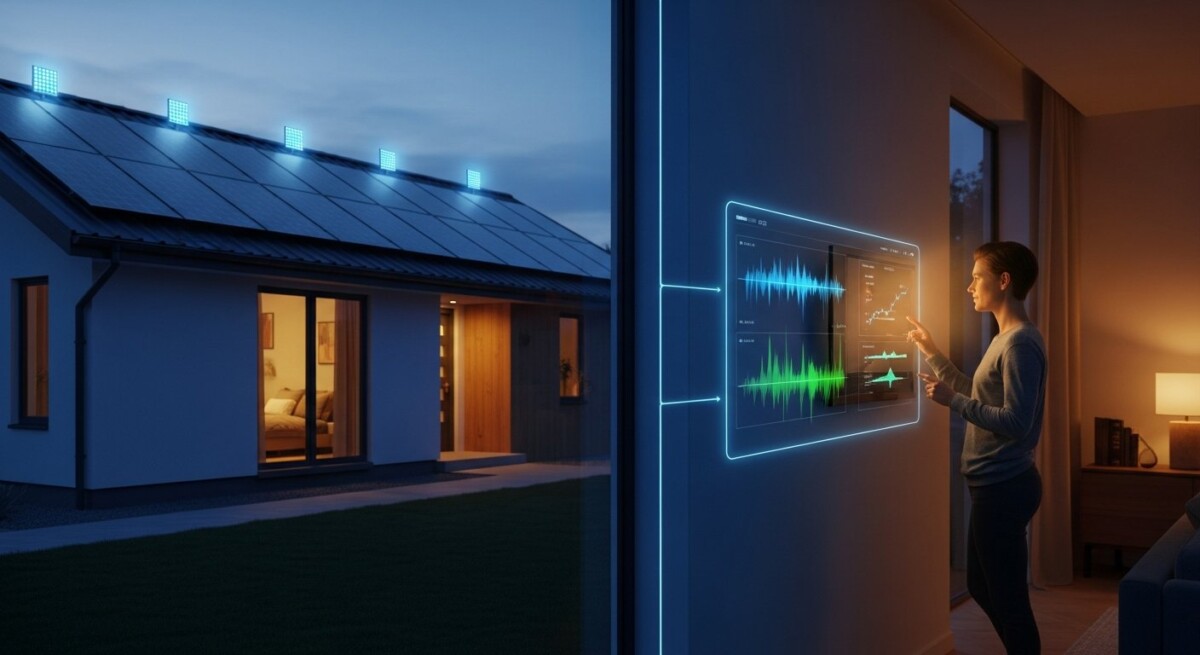
Your monthly electricity bill keeps climbing, and you are starting to wonder if there is a better way. Many homeowners now search for how AI monitors solar systems in real time because they want to reduce energy costs and rely less on the power grid. Understanding this technology can help you decide if solar panels are the right investment for your home.
Understanding How AI Monitors Solar Systems in Real Time
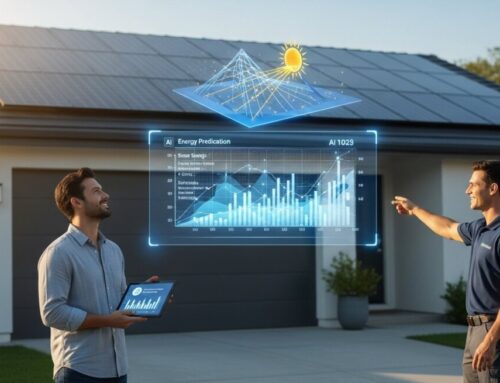
Artificial intelligence, or AI, acts like a smart brain for your solar panel system. It continuously watches how much energy your panels produce, how much your home uses, and whether everything is working correctly. This happens every second, without you having to lift a finger.
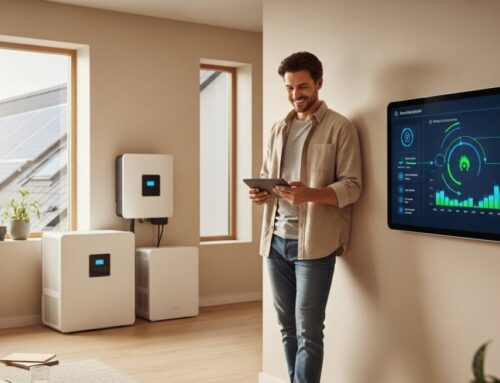
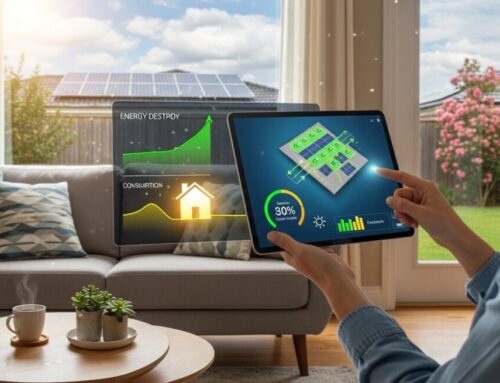
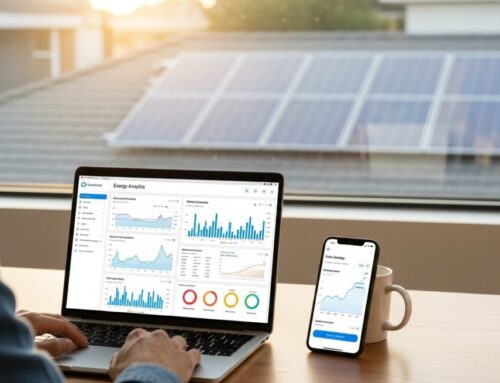
AI uses sensors and software to track performance. If a panel is shaded, dirty, or malfunctioning, the system sends an alert. You can see all this data on a phone app or computer dashboard, making it easy to spot problems before they cost you money.
More homeowners are choosing AI-monitored solar systems because they offer peace of mind. Instead of guessing if your panels are working well, you get clear, real-time information. This helps you maximize savings and avoid unexpected repair bills.
How Real-Time Monitoring Works
Each solar panel has a microinverter or power optimizer that reports its individual output. The AI collects this data and compares it to weather forecasts, historical patterns, and expected production. When something looks off,say, a drop in output on a sunny day,the system flags it immediately.
You can set up notifications for things like low production, inverter errors, or unusual energy usage. This proactive approach means you can fix minor issues before they become major problems. It also helps you track exactly how much money you are saving each month.
Why Solar Energy Is Becoming More Popular
Electricity rates have risen steadily over the past decade, and many homeowners feel the pinch. Solar power offers a way to lock in lower energy costs for decades. Once your panels are installed, the sunlight that powers them is free.
Environmental concerns also drive interest in solar. By generating your own clean energy, you reduce your carbon footprint and help fight climate change. Solar panels produce electricity without releasing greenhouse gases or other pollutants.
Long-term savings are the biggest motivator for most homeowners. A typical solar system pays for itself in seven to ten years and continues producing free electricity for another fifteen to twenty years. That adds up to tens of thousands of dollars in savings over the system’s lifetime.
If you are considering solar power for your home, comparing installation quotes can help you understand your options. Request a free solar quote or call to learn more.
Common Questions Homeowners Have About Solar
Many homeowners worry about the upfront cost of solar panels. While the initial investment can seem high, federal tax credits, state rebates, and financing options make it more affordable than ever. In many cases, monthly loan payments are lower than your old electricity bill.
Roof suitability is another frequent concern. Solar panels work best on south-facing roofs with little shade, but east and west-facing roofs can also produce good results. Professional installers assess your roof’s condition, angle, and sunlight exposure during a free consultation.
System performance is often misunderstood. Solar panels still generate electricity on cloudy days, just at a reduced rate. AI monitoring helps you see exactly how your system performs in all weather conditions, so you never have to guess.
- How much does a solar system cost?
- Will solar panels work on my roof?
- How long do solar panels last?
- What happens during a power outage?
- Are there government incentives available?
- How much maintenance do solar panels need?
How Solar Panel Installation Works
Installing solar panels is a straightforward process when you work with a professional installer. It usually takes one to three days, depending on the size of your system and the complexity of your roof. The installer handles everything from permits to final connection.
Before any panels go up, your installer conducts a home energy assessment. They look at your past electricity bills, measure your roof, and check for shading. This information helps them design a system that meets your specific energy needs.
- Home energy assessment and bill analysis
- System design and equipment selection
- Permits and approvals from your local utility and city
- Panel installation on your roof or ground mount
- System activation and connection to the grid
Speaking with experienced installers can help you determine the best solar solution for your home. Compare solar quotes here or call to explore available options.
Signs Your Home May Be Ideal for Solar
Not every home is perfect for solar, but many are. If your roof gets plenty of sunlight during the day,especially between 9 a.m. and 3 p.m.,you have good solar potential. A south-facing roof with minimal shade is the gold standard.
High electricity bills are another strong indicator. If you pay more than $100 per month for electricity, solar can likely save you money. The more energy you use, the faster your solar investment pays off.
If you plan to stay in your home for at least five more years, solar is worth considering. The longer you own the system, the more you benefit from free electricity. Homeowners who sell often find that solar panels increase their home’s resale value.
- Unshaded roof exposure for most of the day
- Monthly electricity bills above $100
- Roof in good condition with at least 15 years of life left
- Plans to stay in your home for five years or more
- Access to net metering or other utility incentives
What Affects Solar Installation Costs
The size of your solar system is the biggest cost driver. A larger system produces more electricity but costs more upfront. Your installer will help you choose a size that matches your energy usage without overbuilding.
Equipment quality also matters. High-efficiency panels and premium inverters cost more but produce more power over their lifetime. AI monitoring is often included with modern systems, which adds some cost but provides real-time insights that improve savings.
Installation complexity can raise the price. Factors like steep roofs, tile roofing, or older electrical panels may require extra work. Local incentives and tax credits can offset these costs significantly.
The cost of solar installation varies depending on your home and energy needs. Request personalized solar quotes or call to see what options are available.
Tips for Choosing a Reliable Solar Installer
Choosing the right installer is just as important as choosing the right equipment. A good installer will guide you through permits, inspections, and utility paperwork. They will also stand behind their work with solid warranties.
Look for installers who are licensed, insured, and certified by organizations like the North American Board of Certified Energy Practitioners (NABCEP). These credentials show that the installer meets industry standards for quality and safety.
- Review the installer’s experience and number of completed projects
- Check warranty coverage for panels, inverters, and workmanship
- Read customer reviews on Google, Yelp, or SolarReviews
- Compare at least three quotes before making a decision
- Ask about AI monitoring and how you can track system performance
Long-Term Benefits of Installing Solar Panels
Lower electricity bills are the most immediate benefit. After your system is paid off, your electricity costs drop to near zero for the rest of the panels’ lifespan. AI monitoring helps you maximize those savings by keeping your system running at peak efficiency. In our guide on Steps to Implement Solar Systems and Slash Your Energy Bills, we explain how to plan your installation for maximum return.
Solar panels also increase your home’s value. Studies show that homes with solar sell for more than comparable homes without it. Buyers appreciate the lower utility costs and the environmental benefits.
Energy independence is another long-term advantage. When you generate your own electricity, you are less affected by rate hikes and grid outages. With a battery backup, you can keep the lights on even when the neighborhood goes dark. For more details on the full process, see our article on Steps to Implement Solar Systems and Slash Your Energy Bills.
Frequently Asked Questions
How does AI monitoring help me save money on solar?
AI monitoring catches performance drops early, so you can fix problems before they cost you lost energy production. It also shows you exactly how much electricity you are generating and using, helping you shift high-energy tasks to sunny hours for maximum savings.
Do I need a battery with my solar system?
No, a battery is optional. Most homeowners stay connected to the grid and use net metering to earn credits for excess power. Batteries are useful if you want backup power during outages or want to store energy for evening use.
How long do solar panels last?
Solar panels typically last 25 to 30 years, and many continue producing power beyond that. Most manufacturers offer performance warranties that guarantee at least 80% output after 25 years.
Can I monitor my solar system from my phone?
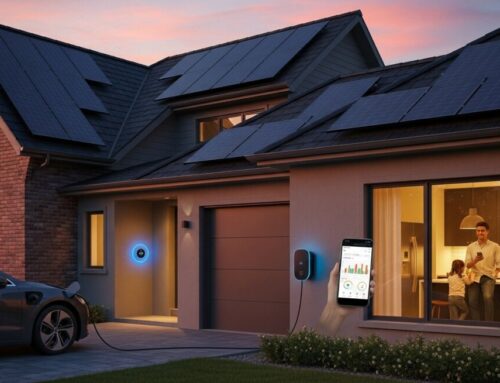
Yes, most modern solar systems with AI monitoring include a mobile app. You can check real-time production, energy usage, and savings from anywhere. The app also sends alerts if something needs attention.
What happens if my solar panels produce more energy than I use?
Excess electricity is sent back to the grid, and your utility credits you for it through net metering. Those credits offset the energy you use at night or on cloudy days. Policies vary by state and utility company.
Are there government incentives for installing solar?
Yes, the federal solar tax credit allows you to deduct 30% of your system cost from your taxes. Many states and local utilities offer additional rebates or performance-based incentives. A professional installer can help you find what is available in your area.
Will solar panels damage my roof?
No, properly installed solar panels actually protect the roof area they cover. Installers use flashing and seals to prevent leaks. In fact, panels can extend the life of your roof by shielding it from sun and rain.
How do I choose between different solar quotes?
Look beyond the total price. Compare equipment quality, warranty terms, installer reputation, and the features included,like AI monitoring. A slightly higher upfront cost may deliver better long-term performance and savings.
Solar energy gives you control over your electricity costs while helping the environment. By understanding how AI monitors solar systems in real time, you can choose a system that keeps you informed and saves you money for decades. Take the next step by comparing quotes from trusted installers in your area.