How AI Improves Solar Energy for Home Savings
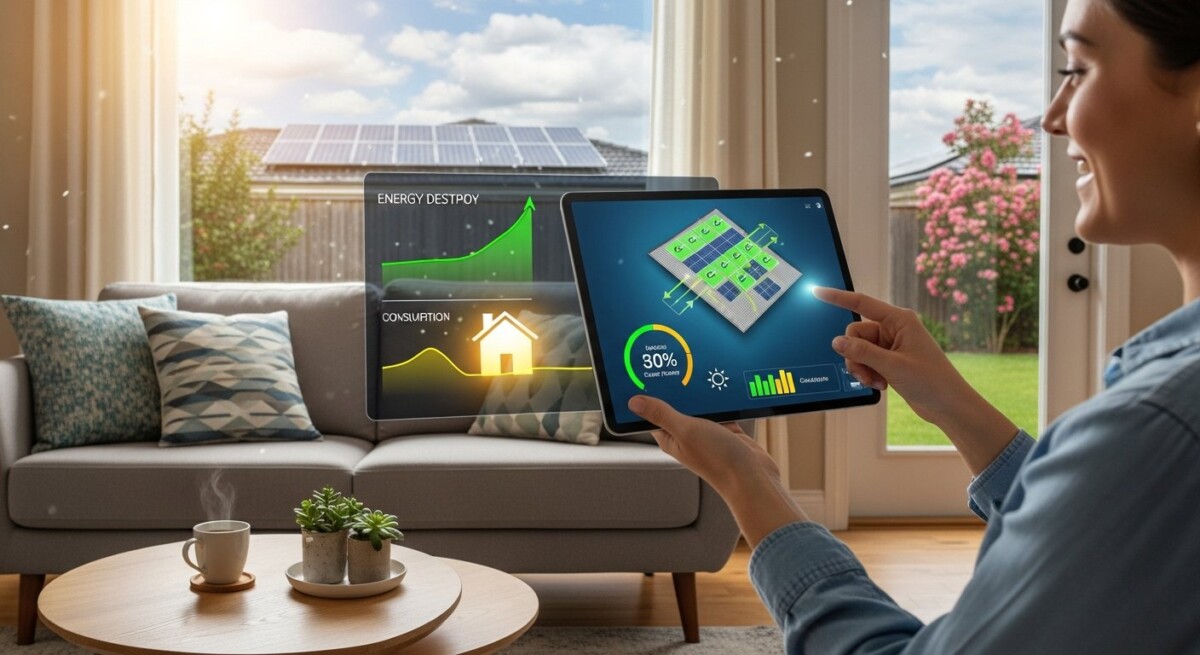
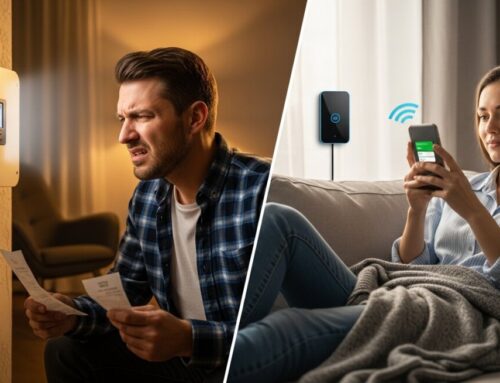
You open your monthly electricity bill and feel that familiar knot in your stomach. Rates keep climbing, and you wonder if there is a way to finally break free from rising utility costs. That is why more homeowners are searching for how AI improves solar energy to reduce their bills and gain greater control over their home’s power supply. The good news is that artificial intelligence is making solar systems smarter, more efficient, and more affordable than ever before.
Understanding How AI Improves Solar Energy
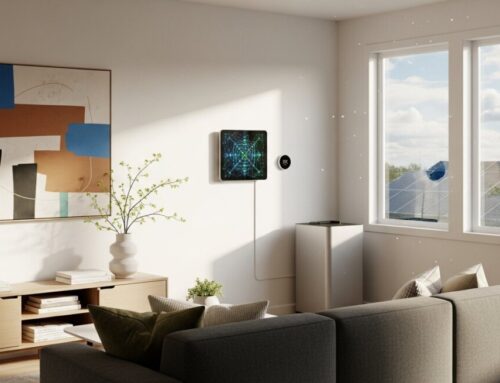
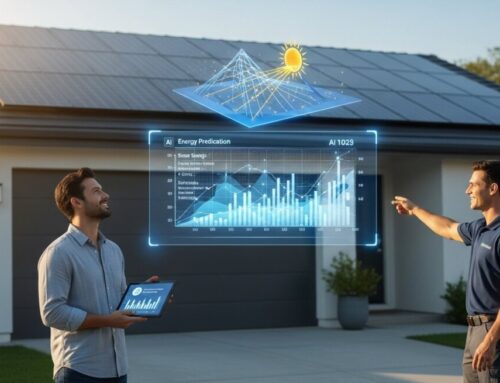
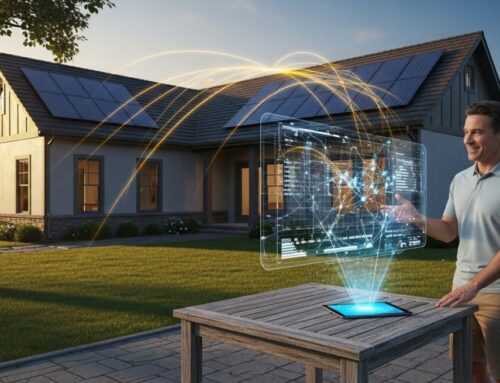
Artificial intelligence, or AI, refers to computer systems that can learn from data and make smart decisions automatically. In solar energy, AI uses weather forecasts, historical energy usage, and real-time sensor data to optimize how your solar panels perform throughout the day. This means your system can predict cloudy periods, adjust battery charging schedules, and even shift energy consumption to times when solar production is highest.
Many homeowners are surprised to learn that AI does not require complex manual programming. Modern solar inverters and energy management platforms come with built-in AI algorithms that learn your home’s habits over time. The result is a system that automatically maximizes your savings without you having to lift a finger. In our guide on how to use AI for solar energy to slash your electric bill, we explain how these intelligent systems work step by step.
How Smart Solar Systems Work
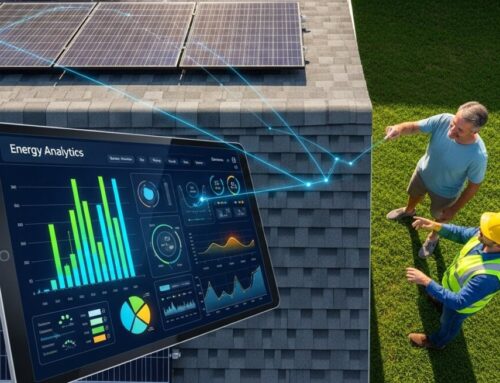
Think of an AI-powered solar system as having a brain that constantly analyzes data. It monitors how much electricity your home uses each hour, checks local weather forecasts, and tracks solar panel output second by second. Based on this information, it makes small adjustments , like sending extra power to your battery instead of the grid , to ensure you waste as little energy as possible.
Why Solar Energy Is Becoming More Popular
Electricity prices across the United States have risen sharply over the past five years, and many homeowners feel they have little control over their monthly bills. Solar energy offers a way to lock in lower energy costs for decades. With AI-enhanced systems, those savings grow even larger because the technology squeezes every possible watt of value from your panels.
Environmental concerns also play a major role. Homeowners want to reduce their carbon footprint without sacrificing comfort or convenience. Solar panels paired with AI software allow families to power their homes with clean energy while still enjoying reliable electricity day and night. Long-term savings remain the strongest motivator , most homeowners recover their initial investment within six to ten years and then enjoy free electricity for the remaining life of their panels.
If you are considering solar power for your home, comparing installation quotes can help you understand your options. Request a free solar quote or call to learn more.
Common Questions Homeowners Have About Solar
Many homeowners hesitate to go solar because they worry about upfront costs and whether their roof can support panels. These are valid concerns, but professional installers can address them quickly with a simple site evaluation. The truth is that most homes with a south- or west-facing roof receive enough sunlight to generate meaningful savings.
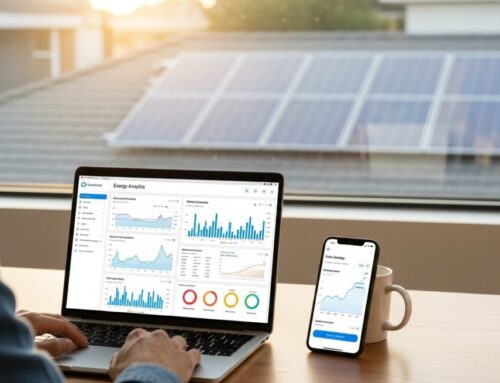
Another frequent question is whether solar panels work during cloudy days or winter months. Modern panels still produce electricity in diffuse light, and AI systems optimize battery storage so you have power when the sun is not shining. Performance monitoring apps let you see exactly how much energy your system generates in real time.
- How much does a typical solar installation cost?
- Will my roof need repairs before installation?
- How long do solar panels last?
- What happens during a power outage?
- Do I need a battery with my solar system?
- Are there government incentives available in 2025?
How Solar Panel Installation Works
The installation process is straightforward when you work with an experienced professional. It begins with a home energy assessment where the installer reviews your electricity bills, inspects your roof, and discusses your energy goals. Based on this information, they design a custom system that matches your household’s unique needs.
Once you approve the design, the installer handles all permits and approvals with your local utility and city government. The physical installation of panels typically takes one to three days, followed by a final inspection and connection to the grid. After activation, your system starts producing electricity immediately, and AI software begins optimizing your energy usage right away.
- Home energy assessment and bill analysis
- Custom system design and equipment selection
- Permit applications and utility approvals
- Panel and inverter installation on your roof
- Final inspection and system activation
Speaking with experienced installers can help you determine the best solar solution for your home. Compare solar quotes here or call to explore available options.
Signs Your Home May Be Ideal for Solar
Not every home is perfectly suited for solar, but many are better candidates than homeowners realize. If your roof receives direct sunlight for most of the day and has enough unshaded space, you are likely a good fit. South-facing roofs with a slope between 15 and 40 degrees tend to capture the most sun throughout the year.
Your current electricity bills also tell a clear story. If you pay more than $100 per month on average, solar panels could dramatically reduce that expense. Homeowners who plan to stay in their home for at least five to seven years typically see the best return on investment.
- Your roof gets at least five hours of direct sunlight daily
- You pay high electricity rates from your utility company
- Your roof is less than ten years old and in good condition
- You plan to stay in your home for several more years
- Your state or utility offers net metering or solar incentives
- You want to reduce your household carbon footprint
What Affects Solar Installation Costs
Solar system pricing depends on several factors that vary from home to home. The size of the system , measured in kilowatts , is the biggest driver of cost because larger systems require more panels and a bigger inverter. Equipment quality also matters: premium panels with higher efficiency cost more upfront but produce more electricity over their lifetime.
Installation complexity can add to the price if your roof has unusual angles, multiple stories, or requires electrical panel upgrades. Local incentives and rebates can significantly lower your net cost. The federal solar tax credit still allows you to deduct 30% of your total installation cost from your federal taxes, and many states offer additional rebates or performance payments.
The cost of solar installation varies depending on your home and energy needs. Request personalized solar quotes or call to see what options are available.
Tips for Choosing a Reliable Solar Installer
Choosing the right installer is just as important as choosing the right equipment. A reputable company will conduct a thorough site evaluation, explain all costs clearly, and provide references from past customers. They should also offer strong warranties on both the panels and the workmanship.
Always get at least three quotes from different installers before making a decision. Comparing proposals helps you understand pricing variations and ensures you are not overpaying. Look for installers who are certified by the North American Board of Certified Energy Practitioners (NABCEP) and have been in business for several years.
- Verify the installer’s license and insurance coverage
- Ask about panel and inverter warranty terms
- Read online reviews on Google and the Better Business Bureau
- Compare financing options, including loans and leases
- Request a detailed written proposal with all costs itemized
- Check if the installer offers ongoing monitoring and maintenance
Long-Term Benefits of Installing Solar Panels
The most immediate benefit of solar panels is lower monthly electricity bills. Once your system is paid off, those savings become pure profit for the remaining life of the panels , often twenty-five years or more. AI-enhanced systems compound these savings by automatically optimizing energy use, so you waste less power and store more for nighttime or cloudy days.
Installing solar panels also increases your home’s resale value. Studies show that homes with solar systems sell for a premium compared to similar homes without them. Beyond financial gains, solar energy gives you a measure of energy independence. You become less vulnerable to utility rate hikes and grid outages, especially if you pair your panels with a battery backup system. And every kilowatt-hour you generate from the sun reduces greenhouse gas emissions, helping create a cleaner environment for future generations.
Frequently Asked Questions
How does AI help solar panels work better?
AI analyzes weather data and your home’s energy usage patterns to adjust solar panel output in real time. It can predict cloudy periods and shift battery charging to maximize stored energy. This intelligence helps you use more of the electricity your panels produce instead of sending it back to the grid at lower rates.
Can I use AI tools to manage my solar energy?
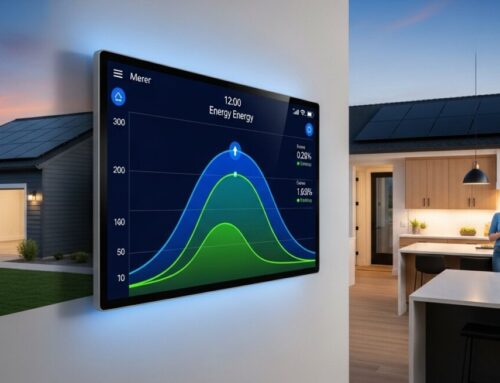
Yes, many modern solar systems come with apps that use AI to monitor and manage your energy. You can see how much power your panels are producing and how much your home is using at any moment. For a deeper look at these tools, check out our article on AI tools for solar energy to save more on your electric bill.
Will solar panels work during a power outage?
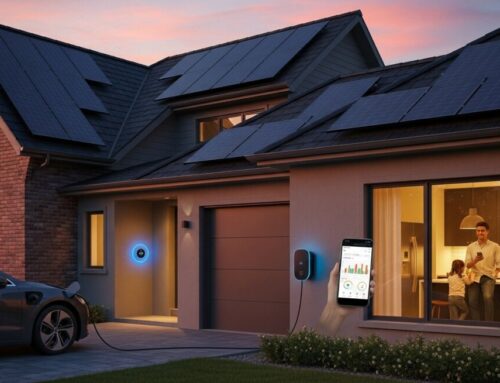
Standard grid-tied solar systems shut down during outages for safety reasons. However, if you install a battery backup system, your panels can continue powering your home even when the grid is down. AI software manages battery charging and discharging to keep your essential appliances running.
How much can I save on my electricity bill with solar?
Typical savings range from 40% to 70% of your current electricity costs, depending on your location, system size, and energy usage. Homes with AI-optimized systems often save more because they minimize wasted energy. Many homeowners see a full return on investment within six to ten years.
What government incentives are available for solar?
The federal solar investment tax credit (ITC) lets you deduct 30% of your installation cost from your federal taxes. Many states also offer rebates, performance payments, or property tax exemptions. Local utility companies sometimes provide additional incentives for connecting solar systems to the grid.
How long do solar panels last before needing replacement?
Most solar panels come with a 25-year performance warranty and continue producing electricity well beyond that. After 25 years, panels typically still operate at about 80% to 85% of their original capacity. AI monitoring can alert you if any panel underperforms so you can address issues early.
Is my roof strong enough to support solar panels?
A professional installer will evaluate your roof’s age, material, and structural integrity before installation. Most roofs in good condition can support solar panels without any issues. If your roof needs repairs, it is best to address them before the panels are installed.
Do I need to clean my solar panels regularly?
Rain usually keeps solar panels clean enough to operate efficiently. In dry or dusty areas, occasional cleaning with a hose can help maintain performance. AI-powered monitoring systems will let you know if your panels are producing less energy than expected, which could indicate they need cleaning.
Solar energy paired with artificial intelligence offers homeowners a powerful way to reduce electricity bills, increase energy independence, and contribute to a cleaner planet. The technology is mature, the incentives are generous, and professional installers can guide you through every step. The best way to start is by comparing quotes from multiple installers to find the system that fits your home and budget. Take that first step today and see how much solar can save you.