Solar System Performance Analytics: Maximize Your Energy Savings
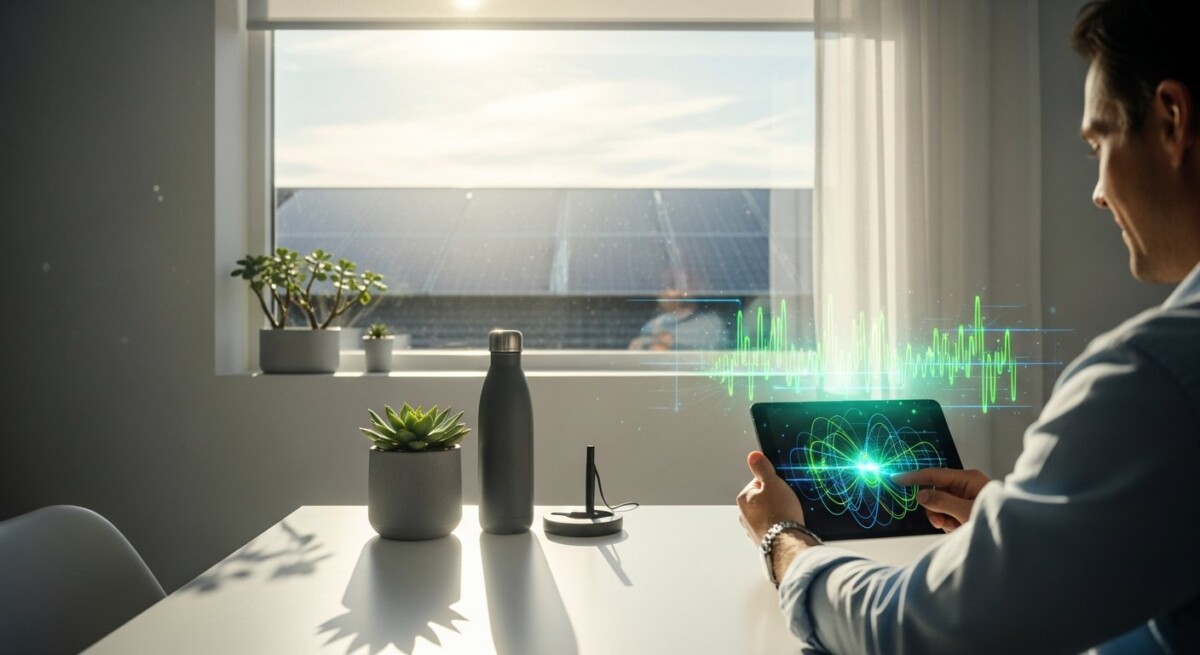
Your monthly electricity bill keeps climbing, and you wonder if there is a way to take control. Many homeowners are now searching for solar system performance analytics to see exactly how much energy their panels produce and how much money they save. Instead of guessing, you can track real-time data and reduce your dependence on the power grid. Understanding these numbers helps you make smarter decisions about solar energy for your home.
Understanding Solar System Performance Analytics
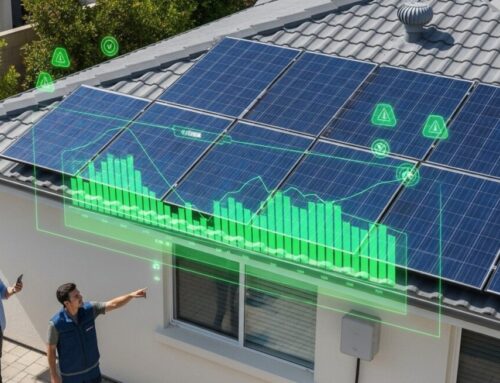
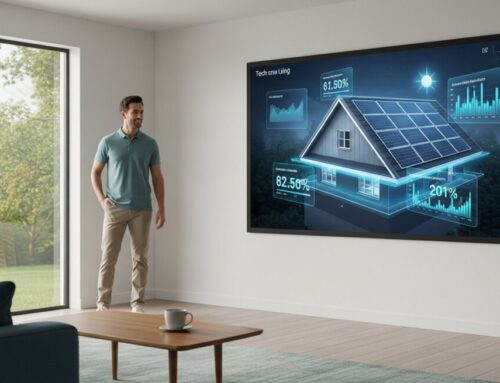
Solar system performance analytics is the technology that monitors how well your solar panels are working. It collects data on energy production, weather conditions, and system health so you can see your savings in real time. Think of it as a dashboard for your solar investment, showing you exactly what your panels are doing every hour.
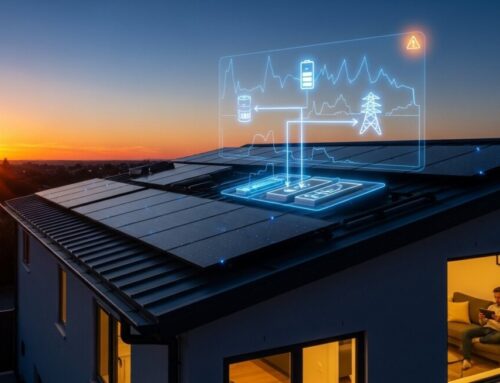
These analytics systems use sensors and software to track performance. They measure how much electricity your panels generate compared to what your home uses. If something goes wrong, such as a panel getting shaded or a connection failing, the system alerts you immediately so you can fix it fast.
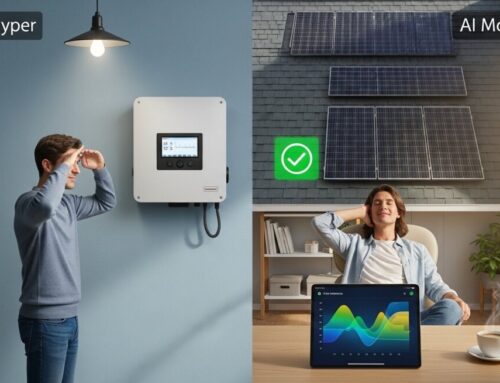
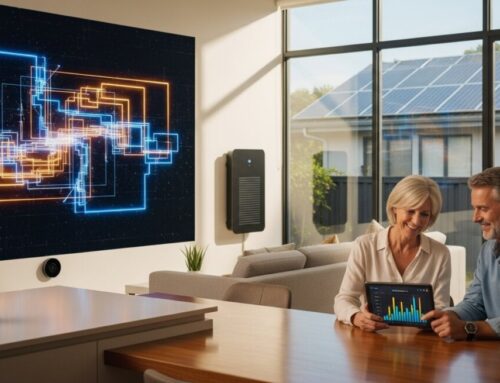
More homeowners are turning to performance analytics because it removes the guesswork from solar ownership. You no longer need to wait for your monthly bill to see if you saved money. With a simple app or online portal, you can check your energy production and consumption anytime, anywhere.
Why Solar Energy Is Becoming More Popular
Electricity prices have risen steadily over the past decade, and they show no signs of dropping. Homeowners are tired of unpredictable bills and want a solution that offers stability. Solar power provides a way to lock in lower energy costs for decades.
Environmental concerns also drive the shift toward solar. Many people want to reduce their carbon footprint and contribute to a cleaner planet. Solar panels produce electricity without emitting greenhouse gases, making them an eco-friendly choice for your home.
Long-term savings are another major reason for the surge in solar adoption. While the upfront cost of installation can seem high, the average homeowner recovers their investment through lower electricity bills within six to ten years. After that, the electricity your panels produce is essentially free. In our guide on AI solar system comparison, we explain how to evaluate different systems for maximum savings.
If you are considering solar power for your home, comparing installation quotes can help you understand your options. Request a free solar quote or call to learn more.
Common Questions Homeowners Have About Solar
Many homeowners worry about the upfront cost of solar panels. The good news is that prices have dropped significantly over the past decade, and federal tax credits can cover up to 30% of your installation expenses. Many states and local utilities also offer rebates that reduce your out-of-pocket costs even further.
Roof suitability is another common concern. Not every roof is ideal for solar, but most homes can accommodate panels. Your installer will evaluate your roof’s age, material, angle, and sun exposure to determine the best setup for your property.
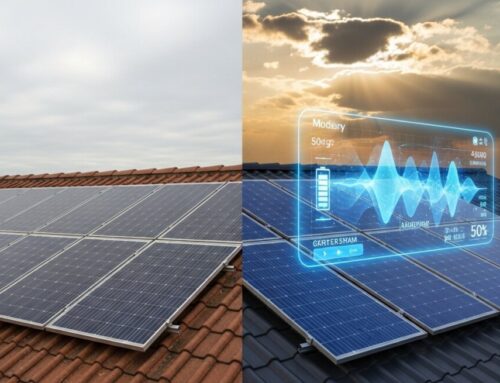
System performance is also top of mind for new solar owners. People want to know how much energy their panels will produce and whether they will truly save money. This is where performance analytics becomes invaluable, giving you real-time data on your system’s output and helping you maximize your return on investment.
- How much does a solar system cost for an average home?
- Will solar panels work on my roof if it is old or shaded?
- How long will it take for my solar panels to pay for themselves?
- What happens if my solar system produces more energy than I use?
- Do solar panels require a lot of maintenance?
- Will solar panels increase my home’s resale value?
How Solar Panel Installation Works
Installing solar panels is a straightforward process when you work with experienced professionals. The first step is a home energy assessment, where an installer reviews your electricity bills, examines your roof, and discusses your energy goals. This assessment ensures the system you choose matches your needs.
Once the assessment is complete, the installer designs a custom solar system for your home. They select the right number of panels, the best inverter type, and the optimal placement to capture maximum sunlight. After you approve the design, they handle all permits and approvals with your local government and utility company.
- Home energy assessment and bill review
- Custom system design and equipment selection
- Permitting and utility approvals
- Panel installation on your roof or ground mount
- Final inspection and system activation
Speaking with experienced installers can help you determine the best solar solution for your home. Compare solar quotes here or call to explore available options.
Signs Your Home May Be Ideal for Solar
Certain conditions make a home especially suitable for solar panels. If your roof gets strong sunlight for most of the day, you will generate more electricity and save more money. South-facing roofs with little to no shade are ideal, but east- and west-facing roofs can also work well.
High electricity bills are another clear sign that solar could benefit you. If you pay more than $100 per month for electricity, switching to solar can significantly reduce your costs. Homes that use electric heating or cooling tend to see even greater savings because their energy consumption is higher.
- Your roof receives direct sunlight for at least 4,5 hours daily
- Your monthly electricity bills exceed $100
- You have adequate roof space with a sturdy structure
- You plan to stay in your home for at least 5,10 years
- Your state or utility offers solar incentives or net metering
- Your roof is less than 15 years old or in good condition
What Affects Solar Installation Costs
The size of your solar system is the biggest factor influencing cost. Larger systems that generate more electricity require more panels and a bigger inverter, which increases the price. However, larger systems also produce greater long-term savings, often making them more cost-effective over time.
Equipment quality also plays a major role in pricing. High-efficiency panels and premium inverters cost more upfront but deliver better performance and longer warranties. Cheaper equipment may save money initially but could lead to lower energy production and more frequent repairs.
Installation complexity affects cost as well. Simple roof installations on a single-story home with a south-facing roof are less expensive than complex setups on multi-story homes with multiple roof angles or tile roofs. Local incentives and federal tax credits can dramatically reduce your net cost, so it pays to research what is available in your area. For a deeper look at how technology optimizes your system, see our article on how AI works in solar systems.
The cost of solar installation varies depending on your home and energy needs. Request personalized solar quotes or call to see what options are available.
Tips for Choosing a Reliable Solar Installer
Finding a trustworthy solar installer is just as important as choosing the right equipment. A good installer will conduct a thorough site assessment, provide transparent pricing, and explain your warranty options clearly. They will also handle all permitting and paperwork so you do not have to worry about the details.
Do not rush the decision. Take time to research each installer’s experience, certifications, and customer reviews. A company with a strong track record in your area is more likely to deliver a smooth installation and reliable long-term support. Comparing multiple quotes also helps you avoid overpaying and ensures you get the best value for your investment.
- Look for installers with at least five years of experience in solar
- Verify they hold certifications like NABCEP (North American Board of Certified Energy Practitioners)
- Read online reviews on Google, Yelp, and the Better Business Bureau
- Ask about equipment warranties (panels, inverters, and workmanship)
- Request at least three detailed quotes for comparison
- Check if they offer performance monitoring and ongoing support
Long-Term Benefits of Installing Solar Panels
Lower electricity bills are the most immediate benefit homeowners experience after installing solar. Over 20 to 25 years, the average homeowner saves between $20,000 and $50,000 on energy costs, depending on their location and system size. These savings grow as utility rates continue to rise.
Solar panels also increase your home’s resale value. Studies show that homes with solar systems sell for a premium compared to similar homes without them. Buyers are willing to pay more for a property with lower energy costs, making solar a smart investment for your home’s future value.
Beyond financial gains, solar gives you energy independence and reduces your environmental impact. You rely less on fossil fuels and the grid, insulating yourself from future rate hikes. Every kilowatt-hour of solar electricity you use prevents carbon emissions from entering the atmosphere, helping create a cleaner world for your family.
How much does a solar system cost for an average home?
The average cost of a residential solar system in the United States ranges from $15,000 to $25,000 before incentives. After the federal tax credit of 30%, your net cost drops to between $10,500 and $17,500. Costs vary based on your location, system size, and equipment quality.
Will solar panels work on my roof if it is old or shaded?
Old roofs may need replacement before solar installation, but many installers offer combined roofing and solar services. Shaded roofs can still work with microinverters or power optimizers that minimize the impact of partial shade. A professional assessment will tell you exactly what is possible for your home.
How long will it take for my solar panels to pay for themselves?
Most homeowners recover their solar investment within six to ten years through lower electricity bills. The payback period depends on your system size, energy usage, local electricity rates, and available incentives. After that, your panels generate free electricity for the remainder of their 25- to 30-year lifespan.
What happens if my solar system produces more energy than I use?
Excess energy flows back to the grid, and many utilities offer net metering programs that credit you for that power. These credits offset the electricity you use at night or on cloudy days. Some utilities pay you for excess generation, while others provide bill credits that roll over month to month.
Do solar panels require a lot of maintenance?
Solar panels require very little maintenance. Rain usually washes away dust and debris, but you may need an occasional cleaning if you live in a dry or dusty area. Most modern systems include performance monitoring that alerts you to any issues, so you only need to act when something needs attention.
Will solar panels increase my home’s resale value?
Yes, studies consistently show that homes with solar panels sell for a premium. On average, solar adds about 4% to your home’s value, which can amount to thousands of dollars. Buyers appreciate the lower energy bills and the environmental benefits, making your home more attractive on the market.
How do I know if my solar system is performing properly?
Performance analytics tools give you real-time data on your system’s energy production. You can compare your output to expected levels based on weather and sunlight. If your system underperforms, your installer or monitoring service can diagnose the issue remotely or schedule a service visit.
What government incentives are available for solar?
The federal solar tax credit allows you to deduct 30% of your installation costs from your federal taxes. Many states offer additional rebates, tax credits, or performance-based incentives. Some utilities also provide net metering or cash rebates. Check the Database of State Incentives for Renewables and Efficiency (DSIRE) for programs in your area.
Solar system performance analytics gives you the clarity and confidence to make your home more energy-efficient and cost-effective. By tracking your energy production and savings, you can see exactly how much you benefit from your investment every day. Now is the time to explore your options and take the first step toward lower bills and a greener home. Compare solar installation quotes from trusted professionals to find the system that fits your needs and budget.