Best AI Solar Platforms: Save Money and Simplify Your Switch
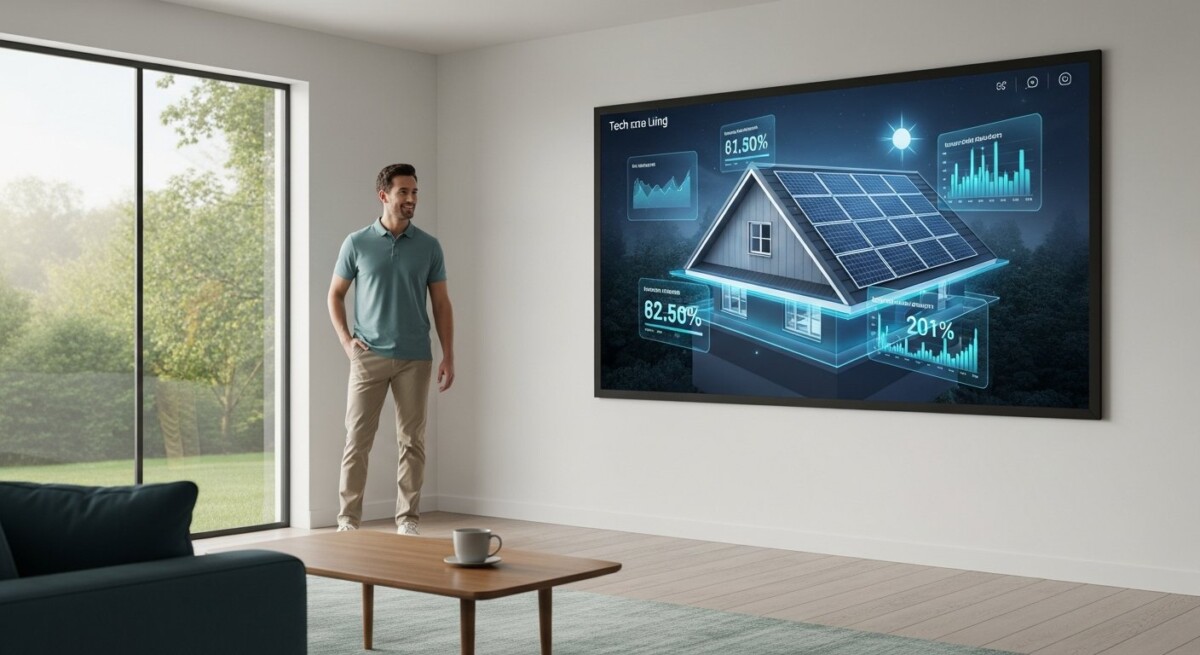
Your monthly electricity bill keeps climbing, and you are wondering if there is a better way. Many homeowners are now turning to the sun for relief. By exploring the best AI solar platforms, you can cut energy costs and reduce reliance on the power grid. These smart tools make the switch to solar simpler and more affordable than ever before.
Understanding Best AI Solar Platforms
An AI solar platform is a digital service that uses artificial intelligence to design the perfect solar system for your home. Instead of guessing panel placement or system size, the software analyzes your roof, local weather, and electricity usage. It then creates a custom proposal that maximizes savings and efficiency.
These platforms have become popular because they remove the guesswork. They compare equipment, calculate payback periods, and even factor in local incentives. Homeowners no longer need to be solar experts to make an informed decision. The technology does the heavy lifting for you.
How AI Solar Platforms Work
Most platforms start with an address. The AI pulls satellite imagery to measure your roof and assess shading. It combines this data with your utility rates and historical energy use. Within minutes, you receive a detailed plan showing estimated savings, system size, and installation costs.
Why Solar Energy Is Becoming More Popular
Electricity rates have risen sharply over the past decade. Many homeowners now pay hundreds of dollars more each year than they did five years ago. Solar power offers a way to lock in lower rates and avoid future increases.
Environmental concerns also play a big role. Generating your own clean energy reduces carbon emissions and shrinks your household footprint. But the biggest driver remains the long-term savings , a well-designed solar system can pay for itself in 6 to 10 years and continue saving you money for decades after.
If you are considering solar power for your home, comparing installation quotes can help you understand your options. Request a free solar quote or call to learn more.
Common Questions Homeowners Have About Solar
Many people hesitate because they worry about upfront costs. The truth is that solar prices have dropped dramatically, and financing options make it accessible for most budgets. Another common concern is roof suitability , but most roofs can accommodate panels with minor adjustments.
Performance is another frequent worry. Solar panels work even on cloudy days and require very little maintenance. They are built to last 25 years or more with minimal degradation in output.
- How much does a solar system cost?
- Will solar work on my roof type?
- What happens during cloudy weather?
- How long do solar panels last?
- Are there government rebates available?
- Can I add batteries later?
How Solar Panel Installation Works
Installing solar panels is simpler than most people expect. The process begins with a professional home energy assessment to understand your usage patterns. From there, the installer designs a system tailored to your roof and budget.
Once the design is approved, the installer handles all permits and paperwork. The actual panel installation usually takes one to three days. After a final inspection, your system is connected to the grid and starts generating power immediately.
- Home energy assessment to review your electricity bills and roof condition.
- System design using AI tools to optimize panel placement and size.
- Permits and approvals from your local utility and city government.
- Panel installation by certified professionals, typically completed in 1,3 days.
- System activation after final inspection and utility approval.
Speaking with experienced installers can help you determine the best solar solution for your home. Compare solar quotes here or call to explore available options.
Signs Your Home May Be Ideal for Solar
Not every home is equally suited for solar, but many are better candidates than homeowners realize. The most important factor is sunlight exposure , roofs facing south or west with minimal shade produce the best results. High electricity bills also signal that solar could deliver strong savings.
Roof age and condition matter too. A roof in good shape with 10+ years of life left is ideal. If you plan to stay in your home long-term, the financial returns become even more attractive.
- Your roof gets strong sunlight for most of the day.
- Your monthly electricity bills are consistently high.
- You have enough unobstructed roof space.
- You plan to stay in your home for at least 5,7 years.
- Your roof is in good condition and less than 15 years old.
What Affects Solar Installation Costs
Solar system costs vary based on several key factors. System size is the biggest driver , a larger system that covers all your energy needs costs more upfront but delivers greater long-term savings. Equipment quality also matters, with premium panels and inverters commanding higher prices but better performance.
Installation complexity can add to the cost. A simple, south-facing roof is easier to work with than a complex roofline with multiple angles. Local incentives and rebates can significantly reduce your net cost, sometimes by 30% or more.
The cost of solar installation varies depending on your home and energy needs. Request personalized solar quotes or call to see what options are available.
Tips for Choosing a Reliable Solar Installer
Selecting the right installer is just as important as choosing the right equipment. A professional installer will conduct a thorough site assessment and explain your options clearly. They should also handle all permitting and paperwork on your behalf.
Always check warranties before signing a contract. Reputable installers offer workmanship warranties of 10 years or more and use panels with 25-year performance guarantees. Reading recent customer reviews and checking their licensing and insurance are also smart steps.
- Review the installer’s experience and years in business.
- Ask about equipment warranties and workmanship guarantees.
- Read customer reviews on independent platforms.
- Compare at least three quotes before making a decision.
Long-Term Benefits of Installing Solar Panels
Once your panels are installed, your electricity bills drop immediately. Over 20 years, the savings can amount to tens of thousands of dollars. Solar also increases your home’s resale value , studies show that homes with solar sell faster and at higher prices.
Beyond financial gains, solar gives you energy independence. You are less affected by utility rate hikes and grid outages, especially if you pair panels with battery storage. And every kilowatt-hour you generate from the sun reduces your carbon footprint, making a real difference for the environment.
How much do AI solar platforms cost to use?
Most AI solar platforms are free for homeowners. They earn their revenue from installers who pay for qualified leads. You can use these tools to compare options without any obligation.
Can AI solar platforms guarantee savings?
No platform can guarantee exact savings because energy rates and weather vary. However, they provide reliable estimates based on your specific data. Most homeowners see a meaningful reduction in their electricity bills.
Do I need a new roof before installing solar?
Not always, but it is best if your roof has at least 10,15 years of life remaining. If your roof is older, replacing it before installation can save you the cost of removing and reinstalling panels later.
How long does the entire solar installation process take?
From initial quote to system activation, the process typically takes 4 to 8 weeks. Permitting and utility approvals account for most of that time. The actual installation usually takes only a few days.
Are there government incentives for solar in 2025?
Yes, the federal solar tax credit remains available and covers 30% of your system cost. Many states and utilities offer additional rebates. These incentives reduce your upfront investment significantly.
What happens to solar panels at the end of their life?
Solar panels are recyclable. Most manufacturers have take-back programs. The glass, aluminum, and silicon can be recovered and reused, minimizing waste.
Will solar panels work during a power outage?
Standard grid-tied systems shut down during outages for safety. To keep power during a blackout, you need a battery storage system. Many AI platforms can help you design a system with battery backup.
How do I maintain my solar panels?
Solar panels require very little maintenance. Rain usually keeps them clean. You may need an occasional rinse if you live in a dusty area. Most systems come with monitoring apps that alert you to any performance issues.
Solar energy is one of the smartest investments you can make for your home. By using the best AI solar platforms, you can compare quotes, find the right installer, and start saving on electricity bills. Take the first step today and explore your solar options , your future self will thank you.