AI vs Traditional Solar Systems: Which Saves More?
Your monthly electricity bill keeps climbing, and you have started wondering if there is a better way. Many homeowners now search for ai vs traditional solar systems to find the most efficient and cost-effective solution. The idea of reducing energy bills and becoming less dependent on the power grid is more appealing than ever. Understanding the difference between these two approaches can help you make a smart investment for your home.
Understanding AI vs Traditional Solar Systems
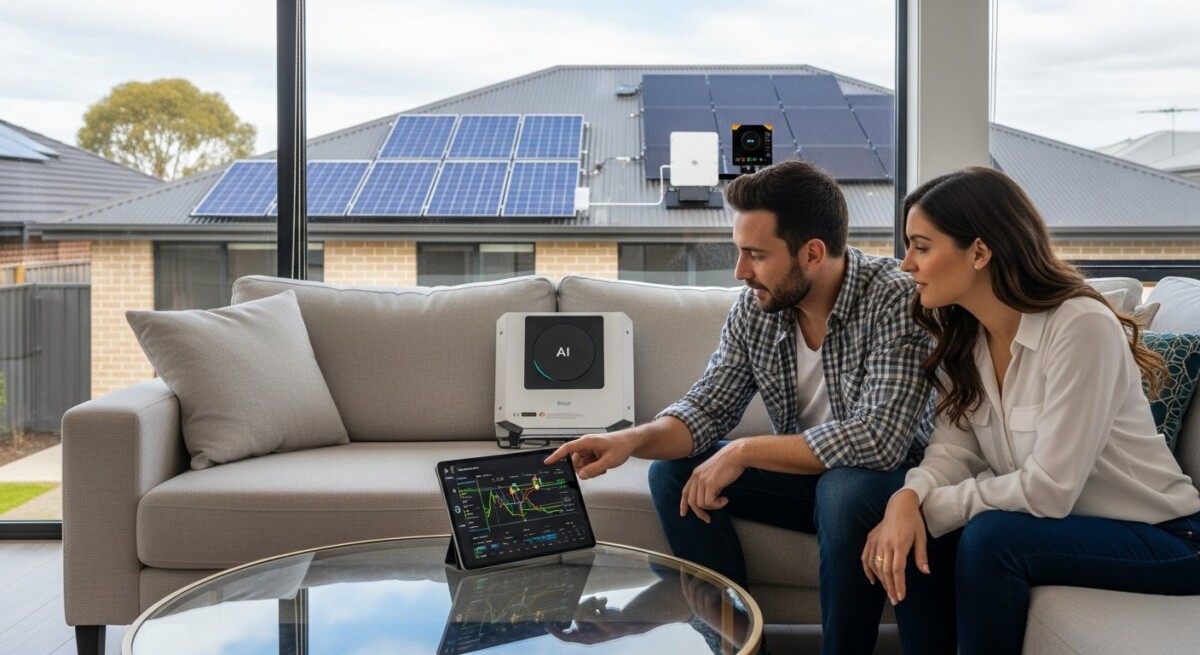
Traditional solar systems rely on fixed panels and a standard inverter to convert sunlight into electricity. They work well, but they cannot adapt to changing weather, shading, or your home’s real-time energy usage. AI solar systems use smart software and sensors to optimize energy production and consumption automatically.
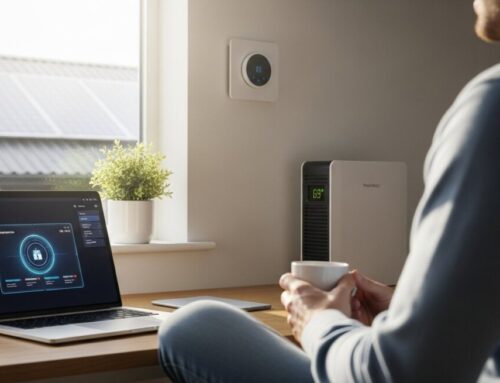
In an AI-powered setup, the system learns your household’s energy habits and adjusts panel angles, battery charging, and power distribution accordingly. This means you capture more energy during cloudy days and waste less electricity overall. More homeowners are considering AI solar because it promises higher efficiency and better long-term savings without requiring manual adjustments.
How AI Solar Technology Works
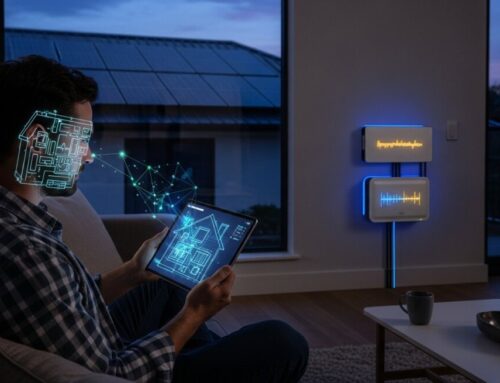
AI solar systems integrate machine learning algorithms with inverters and battery storage. The system collects data from weather forecasts, sunlight sensors, and your past energy usage patterns. It then makes real-time decisions,like shifting power to storage during peak hours or tilting panels virtually if using microinverters with optimizers.
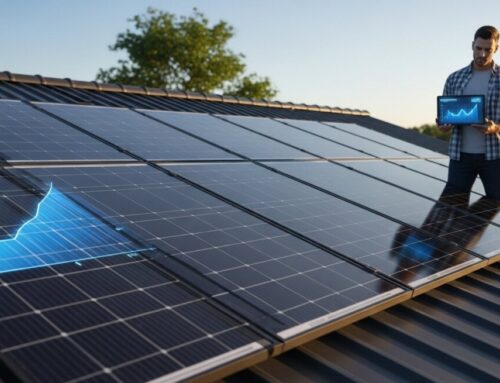
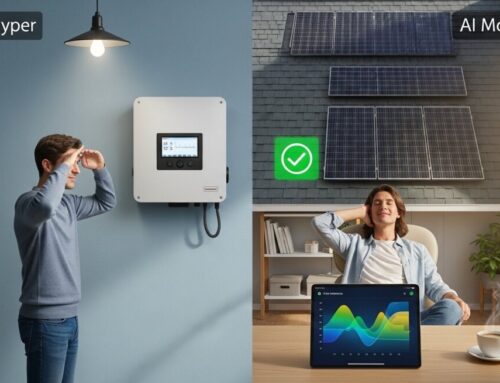
While traditional systems are simpler and cost less upfront, AI systems can boost energy harvest by 10,30 percent annually. This efficiency gain makes AI solar particularly attractive for homes with complex rooflines or partial shade.
Why Solar Energy Is Becoming More Popular
Rising electricity prices are forcing homeowners to look for alternatives. Solar energy offers a way to lock in lower energy costs for decades. Environmental concerns also play a big role,people want to reduce their carbon footprint without sacrificing comfort.
Long-term savings are the biggest driver. A well-designed solar system can pay for itself in 6,10 years and continue generating free electricity for 25 years or more. With federal tax credits and state rebates, the upfront cost is lower than ever.
If you are considering solar power for your home, comparing installation quotes can help you understand your options. Request a free solar quote or call to learn more.
Common Questions Homeowners Have About Solar
Most homeowners worry about installation cost first. The price depends on system size, equipment quality, and your roof’s condition. Another frequent concern is roof suitability,not every roof faces the right direction or has enough space.
System performance in cloudy or rainy weather is also a top question. While solar panels produce less power on overcast days, modern systems still generate meaningful electricity. Battery storage can bridge the gap during evenings or outages.
- How much does a residential solar system cost?
- Will solar panels work on my roof type?
- What happens during a power outage?
- How long do solar panels last?
- Do I need a battery with my solar system?
- Are there government incentives available?
How Solar Panel Installation Works
Solar installation follows a clear process that starts with understanding your home’s energy needs. Professional installers evaluate your electricity bills, roof structure, and sunlight exposure to design a custom system. This step prevents costly mistakes like undersizing or poor panel placement.
Once the design is finalized, your installer handles permits and approvals from your local utility and city. The actual panel installation usually takes one to three days. After final inspection, the system is activated and starts generating power.
- Home energy assessment and bill analysis
- System design and equipment selection
- Permits and utility approvals
- Panel and inverter installation
- Final inspection and system activation
Speaking with experienced installers can help you determine the best solar solution for your home. Compare solar quotes here or call to explore available options.
Signs Your Home May Be Ideal for Solar
Not every home is equally suited for solar, but many are. The most important factor is strong sunlight exposure on your roof, preferably south-facing with no heavy shading from trees or buildings. High electricity bills are another clear sign,solar can offset a large portion of those costs.
If you plan to stay in your home for at least five more years, solar becomes a solid financial decision. Suitable roof space and good structural condition also matter. An installer can assess all these factors during a free consultation.
- Your roof gets at least 4,5 hours of direct sunlight daily
- Your monthly electricity bill exceeds $100
- Your roof is less than 15 years old and in good condition
- You plan to stay in your home for 5+ years
- Your local utility offers net metering or time-of-use rates
- Your state provides solar incentives or rebates
What Affects Solar Installation Costs
System size is the biggest cost driver,the more panels you need, the higher the price. Equipment quality also matters. Premium panels and inverters cost more upfront but often deliver better efficiency and longer warranties.
Installation complexity can increase costs. A simple, south-facing roof is cheaper to work with than a complex multi-level roof with skylights. Local incentives and rebates can dramatically lower your net cost, sometimes by 30 percent or more.
The cost of solar installation varies depending on your home and energy needs. Request personalized solar quotes or call to see what options are available.
Tips for Choosing a Reliable Solar Installer
Choosing the right installer is just as important as choosing the right equipment. Look for companies with several years of experience and a strong reputation in your area. Check their licensing, insurance, and certifications from organizations like NABCEP.
Warranties matter a lot. A good installer offers a workmanship warranty of at least 10 years, and the equipment should come with manufacturer warranties of 25 years for panels and 10,12 years for inverters. Reading customer reviews on Google, Yelp, or SolarReviews gives you real insight into their service quality.
- Verify the installer’s license and insurance
- Ask about equipment warranties and workmanship guarantees
- Read recent customer reviews on multiple platforms
- Compare at least three detailed quotes before deciding
- Confirm they handle permits and utility paperwork
Long-Term Benefits of Installing Solar Panels
Lower electricity bills are the most immediate benefit. Once your system is paid off, you essentially generate free power for the rest of its lifespan. In our guide on steps to implement solar systems and slash your energy bills, we explain how to maximize these savings.
Solar panels also increase your home’s resale value. Studies show that homes with solar sell for 4,6 percent more than comparable non-solar homes. Environmentally, you reduce your carbon footprint by thousands of pounds of CO2 each year. And with battery storage, you gain real energy independence, protecting yourself from grid outages and rising utility rates.
How much does an AI solar system cost compared to a traditional one?
AI solar systems typically cost 10,20 percent more upfront due to the advanced software and sensors. However, the higher efficiency often leads to faster payback periods, usually 5,8 years compared to 6,10 for traditional systems. The total lifetime savings can be significantly higher with AI.
Can I add AI technology to my existing solar system?
In some cases, yes. You can upgrade your inverter to a smart inverter or add an AI energy management system that controls battery charging and appliance usage. This is often more affordable than replacing your entire system, but compatibility varies. Consult a professional installer to assess your current setup.
Do solar panels work in cloudy or rainy climates?
Yes, solar panels still generate electricity on cloudy days, though at reduced efficiency,typically 10,25 percent of their rated output. AI solar systems are particularly beneficial in these conditions because they optimize what little light is available. Batteries help store excess power from sunnier days for use during overcast periods.
How long do solar panels last before needing replacement?
Most solar panels come with a 25-year performance warranty, meaning they will still produce at least 80,85 percent of their original output at that age. Many panels continue working well beyond 30 years. Inverters may need replacement after 10,15 years, and batteries after 10,15 years depending on usage.
What government incentives are available for solar in 2025?
The federal solar investment tax credit (ITC) allows you to deduct 30 percent of your solar installation cost from your federal taxes. Many states offer additional rebates, performance-based incentives, or property tax exemptions. Some utilities also provide net metering credits for excess power you send to the grid.
Is solar worth it if I plan to move in a few years?
If you plan to move within 3,5 years, solar may still be worthwhile if you can transfer the system to the new homeowner or if it adds enough value to your home to recoup the investment. Many homebuyers view solar as a premium feature. Leased systems can be transferred, but owned systems typically offer the best resale value.
Do I need to clean my solar panels regularly?
Solar panels generally require minimal maintenance. Rain naturally washes away most dust and debris. In dry or dusty areas, occasional cleaning once or twice a year can help maintain peak efficiency. Most installers recommend a professional cleaning to avoid damaging panels or voiding warranties.
How do I choose between AI and traditional solar?
Your choice depends on your budget, roof complexity, and energy goals. If you have a simple, south-facing roof with no shading and a limited budget, traditional solar is reliable and cost-effective. If you have shading, a complex roof, or want maximum efficiency and smart home integration, AI solar offers better long-term value. Comparing quotes from multiple installers will help you see the real cost difference.
Whether you choose AI solar or a traditional system, the most important step is getting started. Solar energy offers proven financial and environmental benefits that grow over time. By comparing installation quotes from vetted professionals, you ensure you get the right system for your home at a fair price. In our comparison of AI solar vs traditional solar systems, we break down the numbers in more detail. Take the first step today,request quotes, ask questions, and move toward energy independence.