Intelligent Solar Power Systems: Smarter Energy Savings

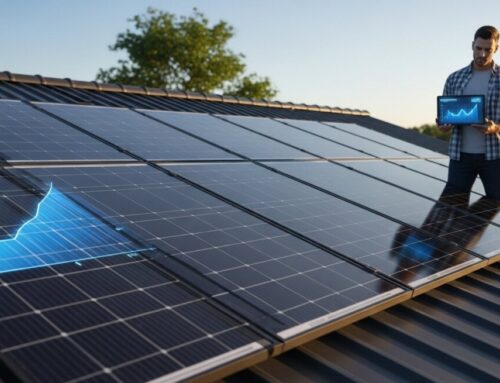
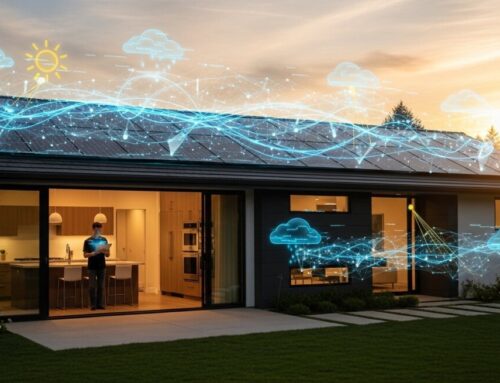
Solar energy has moved far beyond the simple panels of a decade ago. Today, the most advanced residential and commercial solar installations rely on intelligent solar power systems that combine hardware with real-time software to optimize energy production, consumption, and storage. These systems use artificial intelligence and machine learning to adapt to changing weather, household usage patterns, and utility rate structures. The result is a solar array that does more than just generate electricity: it actively manages your home’s energy ecosystem.
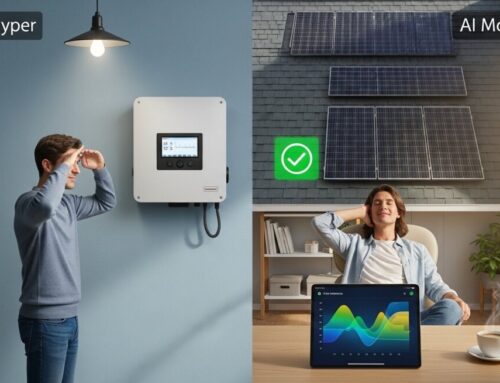
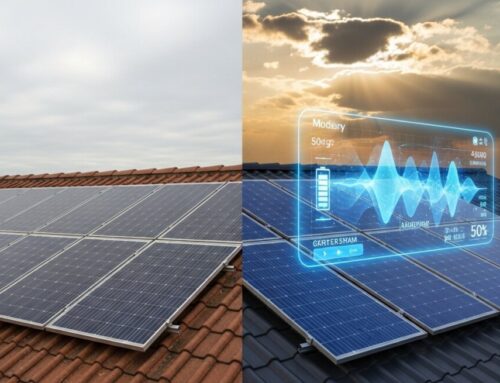
Traditional solar setups operate on a fixed schedule. They produce power when the sun shines and send excess energy to the grid. An intelligent solar power system, by contrast, continuously analyzes data from sensors, weather forecasts, and historical usage to make decisions. It might decide to charge your battery now because a cloud bank is approaching, or it might delay running your pool pump until solar production peaks. This level of automation transforms solar from a passive asset into an active energy manager.
For homeowners considering solar, understanding what makes a system intelligent is critical. The difference between a standard array and an intelligent one can mean hundreds of dollars in annual savings, better backup power reliability, and a faster return on investment. Below, we break down how these systems work, what components you need, and how to choose the right setup for your home.
What Defines an Intelligent Solar Power System?
An intelligent solar power system is defined by its ability to sense, communicate, and respond. Unlike conventional systems that simply convert sunlight to electricity and send it to your breaker panel, intelligent systems include a central controller or energy management platform. This controller monitors production, consumption, battery state, and grid conditions in real time. It then applies algorithms to maximize self-consumption, minimize grid purchases, and protect your home during outages.
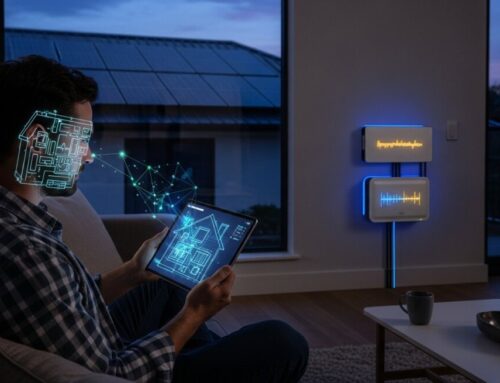
Three core technologies enable this intelligence: advanced inverters, smart meters, and cloud-based software. The inverter, often called the brain of the system, converts DC power from panels to AC power for your home. In intelligent systems, the inverter is a hybrid or string inverter with integrated communication capabilities. It can talk to your battery, your thermostat, and even your electric vehicle charger. Smart meters installed at the main panel track exactly how much power your home uses at each moment. This data flows to a cloud platform where machine learning models predict your future usage and adjust settings accordingly.
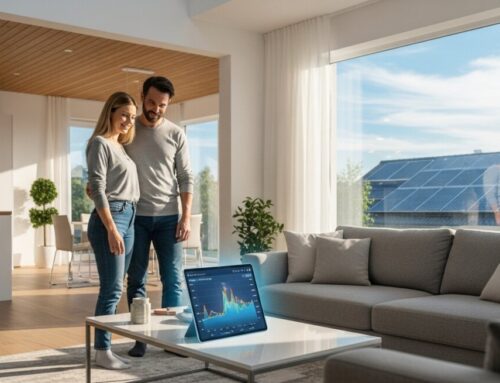
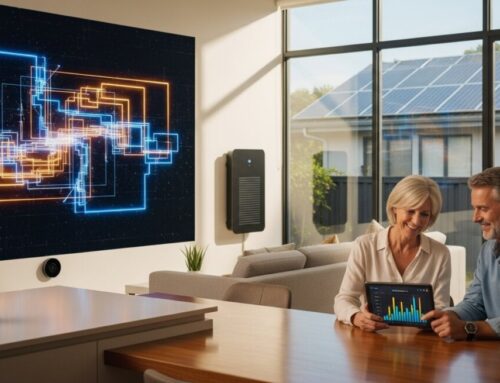
The third component is the software interface, typically a mobile app or web dashboard. This is where you see live data on your system’s performance, set preferences like backup reserve levels, and receive alerts if something needs attention. The best platforms also provide actionable insights, such as recommending you run your dishwasher at noon when solar production is highest. Over time, the system learns your routines and automates these suggestions.
Key Benefits of Upgrading to an Intelligent System
Upgrading from a basic solar array to an intelligent system delivers tangible advantages. The most immediate benefit is increased energy independence. By optimizing when you use stored power versus pulling from the grid, you reduce your reliance on utility companies. During peak rate hours, the system automatically draws from your battery instead of buying expensive grid electricity. Many homeowners see their grid consumption drop by 50 to 80 percent after adding intelligent controls.
Another major benefit is enhanced backup power reliability. Standard solar systems without batteries shut down during a grid outage for safety reasons. An intelligent system with a battery can island your home, keeping critical appliances running. The system decides which loads to power based on your priorities. For example, it might keep the refrigerator, lights, and internet running while deferring the air conditioner. Some systems even allow you to set a minimum battery reserve for emergencies, ensuring you always have power when you need it.
Financial savings also improve with intelligence. Many utilities have time-of-use rates where electricity costs more during late afternoon and early evening. An intelligent system charges your battery during cheap solar hours and discharges during expensive peak hours. This strategy, known as peak shaving, can reduce your electric bill by 20 to 30 percent on top of the savings from the panels themselves. Additionally, some systems can participate in grid services programs where the utility pays you for allowing them to draw from your battery during grid stress events.
Core Components You Need
To build an intelligent solar power system, you need more than just panels and a standard inverter. Here are the essential components that make intelligence possible:
- Hybrid inverter or microinverters with communication: These convert DC to AC and manage battery charging/discharging. Look for models with built-in Wi-Fi or Zigbee for data sharing.
- Energy storage battery: Lithium-ion batteries like the Tesla Powerwall or Enphase IQ Battery are common. They store excess solar energy for use at night or during outages.
- Smart energy monitor or meter: Devices like the Sense or Emporia Vue clamp onto your main panel wires to track consumption by circuit or appliance.
- Energy management platform or controller: This could be a standalone hub like the Span Smart Panel or software integrated into your inverter’s app. It coordinates all devices.
- Smart home integration: Compatibility with thermostats, EV chargers, and smart plugs allows the system to control loads directly.
When choosing components, compatibility is paramount. Not all inverters work with all batteries, and not all energy monitors communicate with every platform. Sticking with a single ecosystem, such as Enphase or Tesla, often simplifies installation and ensures seamless operation. A qualified installer can help you select components that work together and meet your home’s specific needs.
How Intelligent Systems Optimize Your Energy Use
The optimization process happens in real time, often without any input from you. Consider a typical summer day. Your intelligent solar power system wakes up at sunrise and begins tracking production. It checks the weather forecast and sees that clouds will arrive at 2 PM. The system decides to charge your battery aggressively in the morning, anticipating reduced solar output later. Meanwhile, it pre-cools your home by running the air conditioner an hour early, storing thermal energy in your walls and floors. When the clouds roll in, your home stays comfortable without drawing from the grid.
In the evening, the system shifts to a different strategy. It knows your electric rate doubles after 4 PM. It stops charging the battery and begins discharging to power your home. If your battery runs low before bedtime, the system might delay non-essential loads like the electric water heater until rates drop again at midnight. This level of granular control is impossible with a standard solar setup. Over a month, these small adjustments add up to significant savings.
Installation and Setup Considerations
Installing an intelligent solar power system is more complex than a traditional one. You need an experienced installer who understands both electrical systems and networking. Proper placement of sensors and communication equipment is critical. The energy monitor must be installed inside your main panel, which requires working with live electricity. The inverter and battery need adequate ventilation and temperature control, especially in hot climates like Phoenix.
Your home’s internet connection also plays a role. Most intelligent systems rely on cloud connectivity for updates and remote monitoring. A weak Wi-Fi signal near your electrical panel can cause communication failures. Some installers recommend using a wired Ethernet connection or a mesh Wi-Fi extender for reliability. Once installed, the system requires initial configuration, including setting your utility rate plan, backup priorities, and battery reserve levels. Many installers handle this as part of the service, but you should understand the basic settings so you can adjust them later.
If you are new to solar, start with our guide on a basic solar power setup to understand the fundamentals before adding intelligence. That guide covers panel sizing, inverter selection, and permitting, which are prerequisites for any smart system. Once you have a solid foundation, you can layer on the intelligent components.
Cost vs. Long-Term Value
Intelligent solar power systems cost more upfront. A standard 8 kW system without batteries might range from $15,000 to $20,000 after federal tax credits. Adding a battery and intelligent controls can push that to $25,000 to $35,000. However, the long-term value often justifies the investment. The combination of increased self-consumption, time-of-use optimization, and grid services can reduce payback periods by two to four years compared to standard systems.
Batteries also add resilience. In areas prone to power outages, the ability to keep lights, refrigeration, and medical devices running is invaluable. Some homeowners report that a single extended outage would have cost them thousands in spoiled food and lost productivity, effectively paying for the battery in one event. Additionally, intelligent systems tend to qualify for higher incentives. Some states and utilities offer rebates specifically for smart inverters and energy management platforms. The federal Investment Tax Credit (ITC) covers batteries as well, as long as they are charged primarily by solar.
To maximize your return, choose a system sized appropriately for your home. Oversizing wastes money; undersizing leaves savings on the table. Use the calculators on SolarEnergy.ai to estimate your ideal system size and payback period. An intelligent system can adapt to moderate changes in usage, but it cannot overcome a fundamentally wrong-sized array.
Choosing the Right Platform for Your Home
Several major platforms dominate the intelligent solar market. Enphase offers microinverters with integrated IQ Batteries and the Enphase App, which provides detailed per-panel monitoring and load control. Tesla’s ecosystem includes the Powerwall, Solar Inverter, and Tesla app, known for its sleek interface and seamless backup switching. SolarEdge offers a similar solution with its Energy Hub inverter and optional battery. Each platform has strengths: Enphase excels in module-level monitoring, Tesla in battery capacity and brand recognition, and SolarEdge in third-party compatibility.
When comparing platforms, consider three factors: expandability, warranty, and software features. Can you add more panels or batteries later? Does the warranty cover both parts and labor for at least 10 years? Does the app provide actionable insights or just raw data? Read recent reviews and ask your installer about their experience with each platform. A platform that works well in California might perform differently in Arizona’s extreme heat. Your installer’s recommendation should carry weight, as they handle warranty claims and support.
For a deeper look at the financial side, explore the benefits of solar power plant installation to understand how intelligent systems compare to larger commercial arrays. While residential systems are smaller, the same principles of optimization and load management apply.
Future Trends in Intelligent Solar
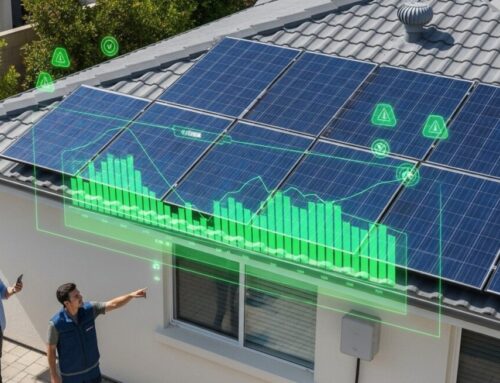
The technology is evolving rapidly. Vehicle-to-home (V2H) integration is emerging, where your electric car’s battery serves as backup storage for your home. Intelligent systems will soon manage bidirectional charging, deciding when to pull power from your car versus your stationary battery. Another trend is AI-driven predictive maintenance. Sensors can detect subtle performance drops from soiling, shading, or component degradation and alert you before a failure occurs. Some systems even schedule cleaning or service appointments automatically.
Grid interactive capabilities are also expanding. Utilities in states like California and Texas are piloting programs where intelligent systems sell excess battery capacity back to the grid during peak demand. This creates a new revenue stream for homeowners while helping stabilize the grid. As more homes adopt these systems, the collective impact on energy infrastructure will be significant. Intelligent solar is not just a home improvement; it is a step toward a decentralized, resilient energy grid.
Making the switch to an intelligent solar power system is one of the most impactful decisions a homeowner can make. It elevates your solar investment from a simple generator to a sophisticated energy manager that saves money, provides backup security, and adapts to your life. Start by evaluating your current energy usage, researching compatible components, and consulting with a certified installer. The future of home energy is smart, and the time to embrace it is now.