AI vs Manual Solar Monitoring: Maximize Your Home Savings
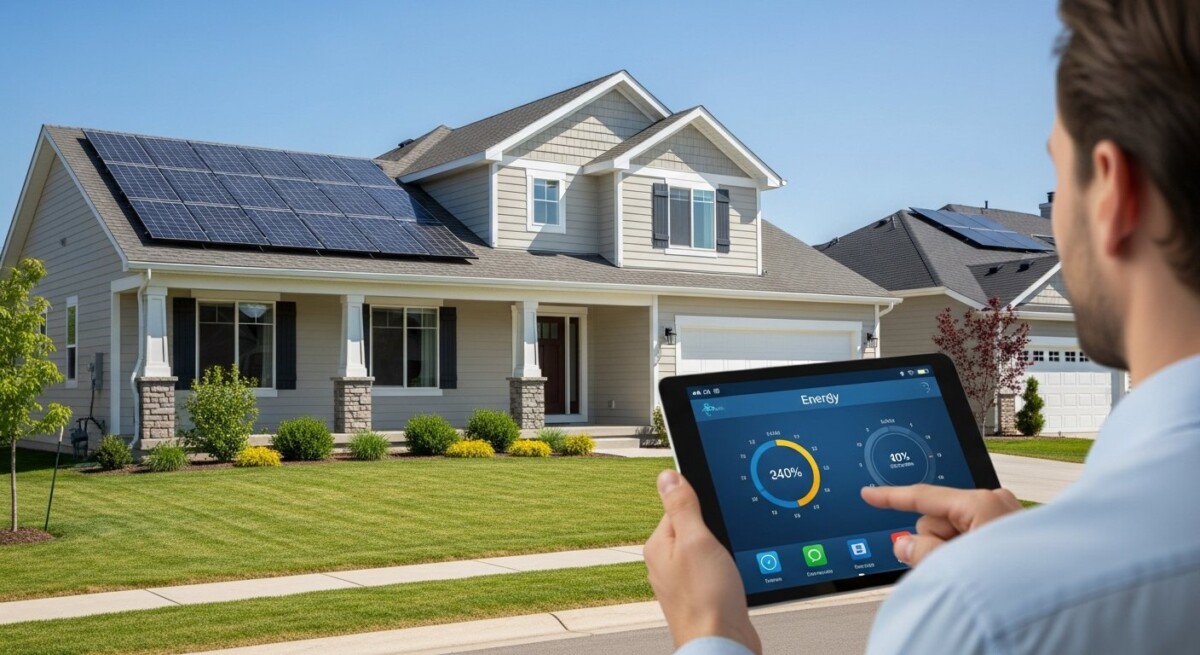
You open your monthly electric bill and feel a familiar sting. Rates keep climbing, and you wonder if there is a better way to power your home. That search often leads homeowners to explore solar energy,and then to a newer question: AI vs manual solar monitoring,which approach actually saves you more? Understanding this difference can help you reduce electricity bills, gain energy independence, and make a smart long-term investment.
Understanding AI vs Manual Solar Monitoring
Solar monitoring is the system that tracks how much energy your panels produce and how your home uses that power. Manual monitoring means checking your system’s performance by reading a physical meter or logging into a basic online portal once a week or month. It gives you a snapshot, but it can miss small problems that quietly reduce your savings.
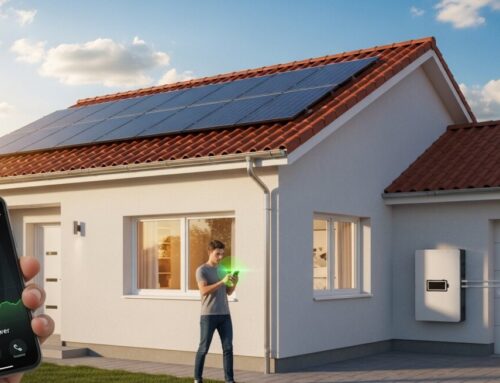
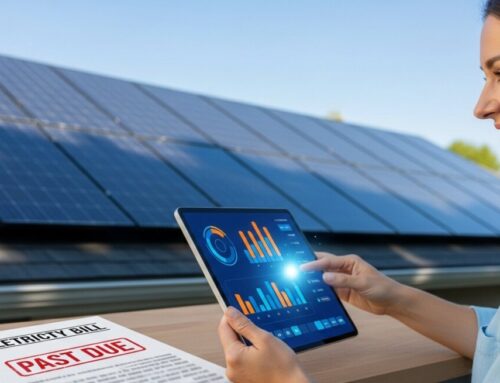
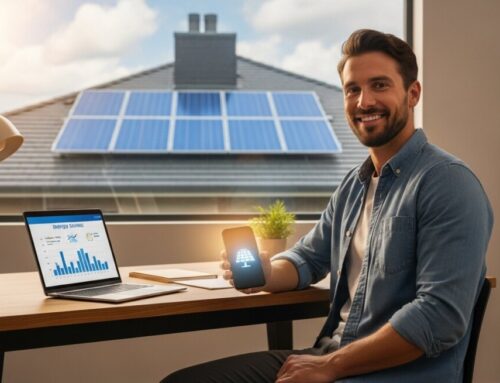
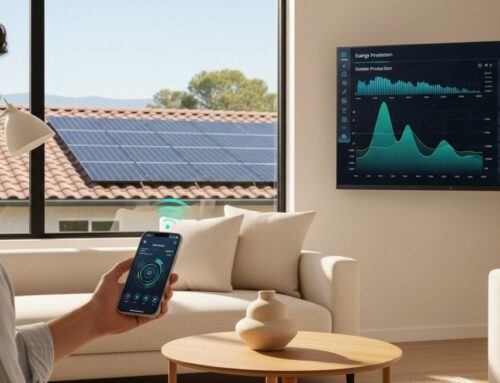
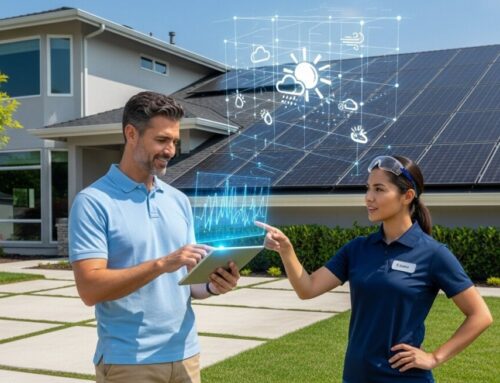
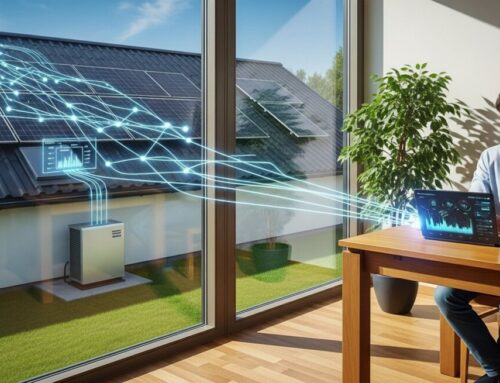
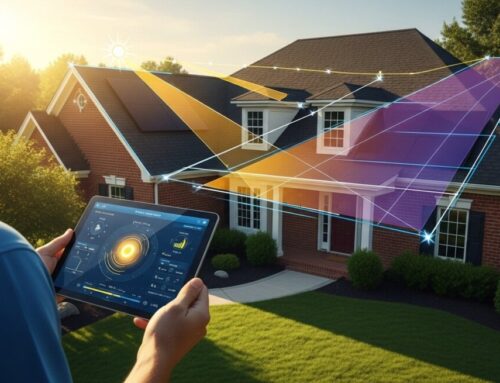
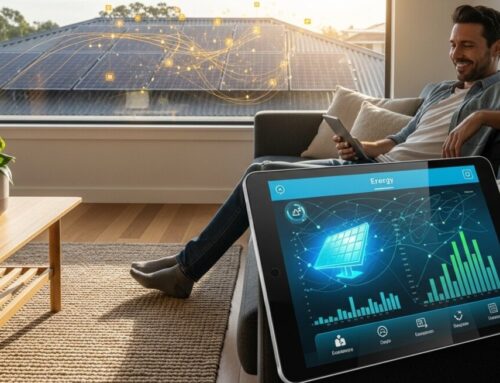
AI solar monitoring uses artificial intelligence to analyze your system’s data continuously. It learns your home’s energy patterns, detects anomalies like a single underperforming panel, and can even predict future production based on weather forecasts. This technology alerts you,or your installer,instantly when something is off, so you fix issues before they cost you money.
More homeowners are choosing AI monitoring because it transforms solar panels from a static investment into a dynamic, self-optimizing asset. Instead of wondering if your system is performing well, you get clear, real-time answers that help you maximize every kilowatt-hour your panels generate. In our guide on AI solar monitoring vs manual: maximize your home’s savings, we explain how these systems work in detail.
Why Solar Energy Is Becoming More Popular
Electricity prices have risen steadily over the past decade, and many homeowners feel the pinch. Solar power offers a way to lock in lower energy costs and protect yourself from future rate hikes. The math is simple: generate your own electricity, buy less from the grid, and watch your monthly bills shrink.
Environmental concerns also drive the shift. Homeowners want to reduce their carbon footprint without sacrificing comfort or convenience. Solar panels produce clean energy for 25 years or more, making them one of the most effective personal actions you can take against climate change.
Long-term savings are the real headline. A properly sized solar system can pay for itself in 6 to 10 years, then deliver free electricity for the rest of its lifespan. Add in federal tax credits, state rebates, and net metering programs, and the financial case becomes even stronger. This combination of rising utility costs, environmental values, and proven returns is why solar adoption continues to accelerate.
If you are considering solar power for your home, comparing installation quotes can help you understand your options. Request a free solar quote or call to learn more.
Common Questions Homeowners Have About Solar
Most homeowners start with practical concerns. Installation cost tops the list,but the real question is value, not just price. A slightly more expensive system with better panels and AI monitoring often saves more money over time than a bargain setup that underperforms.
Roof suitability is another frequent worry. South-facing roofs with little shade are ideal, but many homes with east- or west-facing roofs still generate excellent savings. A professional site assessment will tell you exactly what your roof can deliver.
System performance anxiety is common too. People want to know: Will my panels work on cloudy days? What happens during a power outage? The answers are reassuring. Panels still produce on overcast days,just at a lower rate,and battery backup can keep essential loads running when the grid goes down.
- How much will solar panels cost for my home?
- Is my roof suitable for solar installation?
- How long do solar panels last?
- Will solar work in cloudy or rainy weather?
- What happens if my panels produce more energy than I use?
- How do government incentives reduce the upfront cost?
How Solar Panel Installation Works
The installation process is more straightforward than most homeowners expect. A typical project moves from assessment to activation in a few weeks, with minimal disruption to your daily life. Professional installers handle every step, from paperwork to final wiring.
You don’t need to be an electrician or a roofer. Your job is simply to review quotes, choose a trusted installer, and then enjoy the benefits once the system is live. The installer manages the rest,including permits, inspections, and grid interconnection.
- Home energy assessment , An installer reviews your past electric bills, inspects your roof, and measures sunlight exposure to design the right system.
- System design , Using your assessment data, the installer creates a custom layout that maximizes energy production and fits your roof.
- Permits and approvals , The installer files the necessary permits with your local government and coordinates with your utility company for net metering approval.
- Panel installation , A crew mounts the panels, connects wiring, and installs the inverter and monitoring equipment,usually in one to three days.
- System activation , After a final inspection from the city or utility, your system is turned on and begins generating power immediately.
Speaking with experienced installers can help you determine the best solar solution for your home. Compare solar quotes here or call to explore available options.
Signs Your Home May Be Ideal for Solar
Not every home is a perfect fit, but many are better candidates than homeowners realize. The best way to know for sure is to get a professional evaluation. That said, certain signs strongly suggest your home is ready for solar.
If your electricity bills are consistently high,especially during summer months,solar can provide immediate relief. Homes with unshaded roof space facing south, east, or west typically see the strongest returns. And if you plan to stay in your home for at least five to seven years, you will fully capture the long-term savings.
- Your roof receives strong, direct sunlight for most of the day
- Your monthly electricity bills are $100 or more
- You have adequate roof space,typically 300 to 500 square feet for an average system
- Your roof is in good condition and less than 10 years old
- You plan to live in your home for at least five more years
- Your local utility offers net metering or time-of-use rates
What Affects Solar Installation Costs
Solar pricing varies widely, but the main factors are predictable. System size is the biggest cost driver,larger systems generate more power but require more panels and equipment. A typical residential system ranges from 5 to 10 kilowatts, with costs scaling accordingly.
Equipment quality also matters. Premium panels from top manufacturers cost more upfront but often produce more energy per square foot and come with longer warranties. Inverters,which convert solar power into usable electricity,also vary in price and efficiency. AI monitoring adds a small upfront cost but can prevent expensive losses over time.
Installation complexity can raise or lower your quote. A simple roof with standard shingles and easy attic access is cheaper to work on than a steep tile roof or complex wiring situation. Local incentives and federal tax credits can offset 30% or more of the total cost, so always ask your installer about available programs in your area.
The cost of solar installation varies depending on your home and energy needs. Request personalized solar quotes or call to see what options are available.
Tips for Choosing a Reliable Solar Installer
Your installer matters as much as the equipment you choose. A quality company ensures your system is designed correctly, installed safely, and supported for decades. Do not rush this decision,take time to research and compare.
Start by asking for multiple quotes. This gives you a baseline for pricing and helps you spot outliers. A quote that is significantly lower than others may cut corners on equipment or workmanship. A quote that is much higher should come with clear justification, such as premium panels or advanced AI monitoring.
- Verify the installer’s experience and licensing in your state
- Check customer reviews on Google, Yelp, and the Better Business Bureau
- Ask about equipment warranties (panels, inverters, and workmanship)
- Request a detailed breakdown of all costs and projected savings
- Confirm they offer AI solar monitoring or a comparable performance tracking system
- Compare at least three quotes before making a decision
Long-Term Benefits of Installing Solar Panels
The most obvious benefit is lower electricity bills,month after month, year after year. Over 25 years, the average homeowner saves between $20,000 and $50,000, depending on local rates and system size. That is money that stays in your pocket instead of going to the utility company.
Solar panels also increase your home’s resale value. Studies show that homes with solar systems sell for a premium compared to similar homes without them. Buyers recognize the value of reduced utility costs and are often willing to pay more for a move-in-ready energy solution.
Energy independence is another powerful benefit. When you generate your own power, you are less affected by grid outages and rate increases. Pairing solar with a battery system takes this independence even further, giving you backup power during emergencies. And of course, every kilowatt-hour you produce from sunlight is one less that comes from fossil fuels. In our article on AI vs manual solar monitoring: which saves you more?, we explore how intelligent monitoring amplifies these long-term advantages.
Frequently Asked Questions
How does AI solar monitoring differ from manual monitoring?
Manual monitoring requires you to check your system’s output periodically, often through a basic online portal or physical meter. AI monitoring uses smart algorithms to analyze performance continuously, detect issues automatically, and send alerts when something needs attention. This means problems are caught early, saving you money that might otherwise be lost to undetected underperformance.
Is AI solar monitoring worth the extra cost?
For most homeowners, yes. The added cost is typically small compared to the potential savings from catching a malfunctioning panel or inverter early. Over the life of your system, AI monitoring can pay for itself many times over by ensuring your panels operate at peak efficiency.
Can I add AI monitoring to an existing solar system?
In many cases, yes. Some older systems may require a hardware upgrade, but many modern inverters and monitoring platforms support AI-enhanced analytics. A qualified installer can assess your current setup and recommend the best path forward.
What happens if my solar panels produce more energy than I use?
Excess energy is sent back to the grid through a process called net metering. Your utility credits you for that power, which offsets the energy you draw from the grid at night or on cloudy days. AI monitoring helps you track these credits and optimize your consumption to maximize savings.
How long do solar panels last?
Most solar panels come with a 25-year performance warranty and continue producing power well beyond that. They typically degrade at a rate of about 0.5% per year, meaning they still generate around 85-90% of their original output after 25 years. With proper monitoring and maintenance, your system can last 30 years or more.
Do government incentives still apply in 2025?
Yes. The federal Investment Tax Credit (ITC) currently offers a 30% tax credit on the total cost of your solar system. Many states and utilities also offer additional rebates, performance-based incentives, or property tax exemptions. Your installer can help you identify all available incentives in your area.
Will solar panels work during a power outage?
Standard grid-tied solar systems shut down during an outage for safety reasons. However, if you pair your panels with a battery storage system, you can keep essential appliances running when the grid goes down. AI monitoring can help you manage battery usage efficiently during an outage.
How do I know if my roof is suitable for solar?
A professional installer will conduct a site assessment that evaluates your roof’s age, material, angle, and shading. They will also measure your available sunlight using tools like solar pathfinders or satellite data. Most roofs in good condition with decent sun exposure can support a solar system.
Solar energy is a practical, proven way to reduce your electricity bills, increase your home’s value, and contribute to a cleaner environment. The key to maximizing these benefits is choosing the right system and the right installer,and that starts with comparing multiple quotes. Whether you are leaning toward AI monitoring or a simpler manual setup, getting personalized proposals from trusted professionals will give you the clarity you need to move forward with confidence. Take the first step today and see how solar can work for your home.