Smart Solar Energy Systems: Cut Bills and Gain Independence
You open your monthly electricity bill and feel a familiar sting. Rates keep climbing, and it seems like there is no end in sight. If you have started researching ways to lower those costs, you have likely come across the term smart solar energy. These modern systems promise more than just clean power,they offer a way to take control of your energy future.
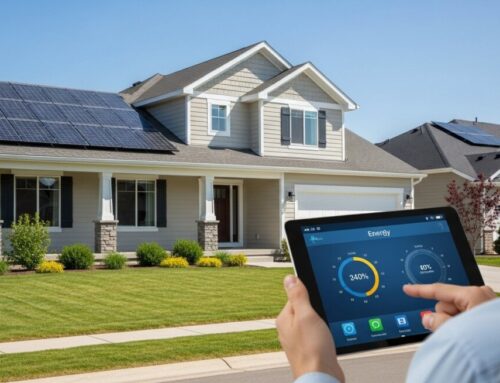
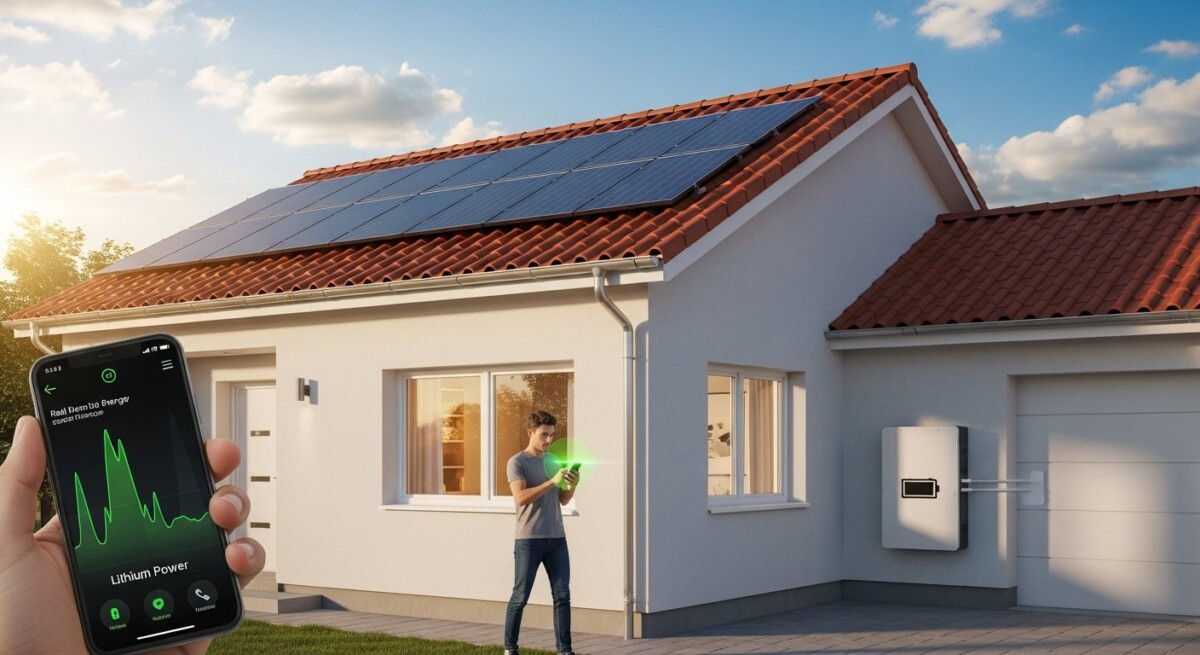
A smart solar energy system is not just a set of panels on your roof. It combines high-efficiency photovoltaic panels with intelligent monitoring, battery storage, and sometimes even smart home integration. This technology allows you to produce your own electricity, store excess power for nighttime use, and track your energy production right from your phone. The goal is simple: reduce your reliance on the grid and shrink your monthly bills.
More homeowners are turning to these systems because they solve two major problems at once. First, they protect you from rising utility rates. Second, they give you peace of mind during power outages. If you are tired of unpredictable energy costs, a smart solar system might be the practical upgrade your home needs.
Understanding smart solar energy systems
At its core, a smart solar energy system uses solar panels to capture sunlight and convert it into electricity. But the “smart” part comes from the technology that manages how that electricity is used, stored, and shared. Unlike older systems that simply fed power back to the grid, smart systems use inverters, batteries, and software to optimize every watt.
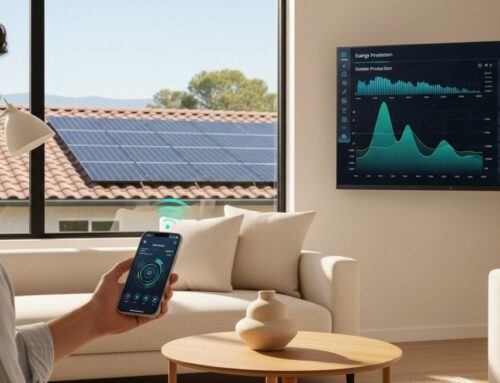
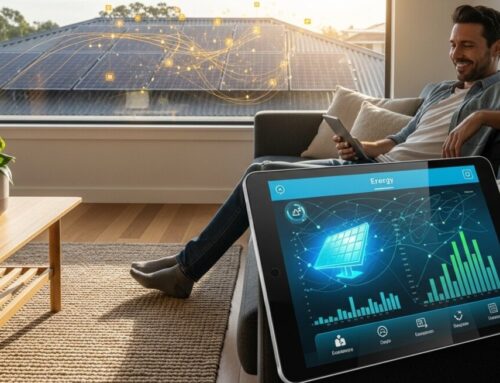
Here is how it works in plain terms. During the day, your panels generate electricity. Some of that power runs your home appliances directly. Any extra electricity gets stored in a battery, like a backup tank. When the sun goes down or clouds roll in, your home draws from the battery instead of buying expensive power from the utility. A monitoring app lets you see exactly how much energy you are making and using in real time.
Why are more homeowners considering this approach? Because it turns your house into a mini power plant. You are no longer at the mercy of rate hikes or grid failures. As we explain in our guide on how we use solar energy daily, the shift from passive consumption to active production is transforming households across the country.
Key components of a smart solar system
A complete smart solar system includes three main parts: the solar panels themselves, an inverter that converts direct current (DC) into usable alternating current (AC), and a battery storage unit. Many systems also include a monitoring gateway that connects everything to your Wi-Fi. Together, these components work as a team to maximize your savings and energy independence.
Why Solar Energy Is Becoming More Popular
The surge in solar adoption is not a mystery. Electricity prices have been climbing steadily for years, and there is no sign of a slowdown. Homeowners are looking for ways to lock in lower, predictable energy costs. Solar power offers exactly that,a way to generate your own electricity and reduce what you pay each month.
Environmental concerns also play a big role. More people want to reduce their carbon footprint without sacrificing comfort or convenience. Solar panels produce clean energy with zero emissions, making them one of the most effective tools for fighting climate change at the household level. And because solar technology keeps improving, today’s panels are more efficient and affordable than ever.
Long-term savings are the real driver. While there is an upfront cost to install solar, the system typically pays for itself within 6 to 10 years through lower electricity bills. After that, the power you produce is essentially free. Combined with federal tax credits and local rebates, the financial case for going solar has never been stronger.
If you are considering solar power for your home, comparing installation quotes can help you understand your options. Request a free solar quote or call to learn more.
Common Questions Homeowners Have About Solar
It is natural to have questions before making a big decision like installing solar panels. Many homeowners worry about the upfront cost, whether their roof is suitable, and how well the system will perform in their climate. The good news is that most of these concerns have straightforward answers.
Installation costs have dropped significantly over the past decade. Plus, financing options like solar loans and leases make it possible to go solar with little or no money down. Roof suitability depends on factors like age, orientation, and shading, but a professional installer can evaluate your roof during a free site visit.
Here are some of the most common questions homeowners ask:
- How much does a smart solar system cost? Prices vary based on system size and equipment, but most residential systems range from $10,000 to $25,000 before incentives.
- Will solar panels work on my roof? South-facing roofs with good sunlight exposure are ideal, but east and west-facing roofs can also work well.
- How long do solar panels last? Most panels come with 25-year warranties and continue producing power for 30 years or more.
- What happens during a power outage? With battery storage, your home can keep running even when the grid goes down.
- Are there government incentives available? Yes, the federal solar tax credit covers 30% of the installation cost, and many states offer additional rebates.
- Do I need to clean my panels? Rain usually keeps them clean, but an occasional rinse can help maintain peak performance.
How Solar Panel Installation Works
The installation process is simpler than most people expect. Professional installers handle everything from the initial assessment to the final connection. You do not need to be a DIY expert or climb onto your roof. The entire process typically takes a few weeks from start to finish.
First, an installer visits your home to evaluate your energy usage, roof condition, and sunlight exposure. They use this information to design a system tailored to your needs. Then they handle all the permits and paperwork with your local utility and building department. Once approvals are in place, the actual installation usually takes one to three days.
Here is a step-by-step overview:
- Home energy assessment , The installer reviews your past electric bills and inspects your roof.
- System design , They create a custom layout showing where panels and equipment will go.
- Permits and approvals , The installer submits permit applications on your behalf.
- Panel installation , Crews mount the panels, inverter, and battery on your roof and property.
- System activation , The utility gives final approval, and your system starts producing power.
Speaking with experienced installers can help you determine the best solar solution for your home. Compare solar quotes here or call to explore available options.
Signs Your Home May Be Ideal for Solar
Not every home is a perfect candidate for solar, but many are. The best way to know for sure is to have a professional assessment. However, there are a few clear signs that your home is well-suited for a smart solar energy system.
If your roof gets strong sunlight for most of the day, that is a big plus. South-facing roofs with minimal shade from trees or nearby buildings are ideal. You also want a roof that is in good condition and has enough space to hold the number of panels needed to cover your energy usage.
Here are the top indicators that your home is ready for solar:
- Strong sunlight exposure , Your roof receives direct sun from mid-morning to late afternoon.
- High electricity bills , You pay more than $100 per month on average, making solar a worthwhile investment.
- Suitable roof space , You have at least 300 square feet of unshaded roof area, ideally facing south.
- Long-term home ownership plans , You plan to stay in your home for at least 5 to 10 years to fully recoup your investment.
- Good roof condition , Your roof is less than 10 years old or has recently been replaced.
- Local incentives , Your state or utility offers additional rebates or net metering programs.
What Affects Solar Installation Costs
Solar installation costs are not one-size-fits-all. Several factors influence the final price, and understanding them can help you budget wisely. The size of the system is the biggest factor,more panels mean more power but also a higher upfront cost. Typical residential systems range from 5 kW to 10 kW.
Equipment quality also matters. Premium panels and high-efficiency inverters cost more but often produce more power and last longer. Installation complexity can drive up costs too. If your roof is steep, has multiple angles, or requires electrical panel upgrades, you may pay a bit more for labor.
Local incentives can significantly lower your out-of-pocket expense. The federal solar tax credit alone covers 30% of the total installation cost. Many states, cities, and utilities offer additional rebates. When you compare quotes, make sure each installer factors in these incentives so you see the true net cost.
The cost of solar installation varies depending on your home and energy needs. Request personalized solar quotes or call to see what options are available.
Tips for Choosing a Reliable Solar Installer
Choosing the right installer is just as important as choosing the right equipment. A reliable installer will guide you through the process, secure the proper permits, and ensure your system performs well for decades. The wrong installer can lead to shoddy workmanship, delayed timelines, and poor energy production.
Start by looking for installers with a strong track record. Check their experience, ask for references, and read online reviews. Make sure they offer solid warranties on both the equipment and their workmanship. A good warranty gives you peace of mind that your investment is protected.
Here are practical tips for vetting solar installers:
- Review installer experience , Look for companies that have been in business for at least 3 to 5 years and have completed hundreds of installations.
- Check warranties , Ensure the panels come with a 25-year performance warranty and the installer offers a workmanship warranty of at least 10 years.
- Read customer reviews , Check platforms like Google, Yelp, or the Better Business Bureau for honest feedback.
- Compare multiple quotes , Get at least three detailed quotes to compare pricing, equipment, and terms.
- Ask about certifications , Look for installers certified by the North American Board of Certified Energy Practitioners (NABCEP).
- Verify licensing and insurance , Make sure the installer is licensed in your state and carries liability and workers’ compensation insurance.
Long-Term Benefits of Installing Solar Panels
Installing a smart solar energy system is not just about saving money this month,it is about building long-term value. Over the life of your system, which can exceed 25 years, you will likely save tens of thousands of dollars on electricity. Those savings grow as utility rates continue to rise.
Your home’s resale value also gets a noticeable boost. Studies show that homes with solar panels sell for more than comparable homes without them. Buyers are attracted to the idea of lower utility bills and energy independence. Plus, solar panels add a modern, eco-friendly feature that sets your property apart.
Beyond finances, there is the satisfaction of reducing your environmental impact. Every kilowatt-hour of solar power you generate is one less kilowatt-hour produced by burning fossil fuels. You are helping to create a cleaner, more sustainable future for your family and community. And with battery storage, you gain true energy independence,keeping your lights on when the grid goes dark.
For more insights on how technology is transforming energy savings, check out our article on AI tools for solar energy that can help you save even more on your electric bill.
Frequently Asked Questions
How much can I save on my electricity bill with solar panels?
Most homeowners save between 50% and 90% on their monthly electricity bills after installing solar. The exact amount depends on your system size, local utility rates, and how much sunlight your roof receives. Over 20 years, these savings can add up to $20,000 or more.
Do smart solar systems work during cloudy days or winter?
Yes, solar panels still generate electricity on cloudy days, just at a reduced rate. Modern panels are designed to capture diffuse sunlight effectively. Battery storage ensures you have power available even when production is low.
What maintenance do smart solar systems require?
Very little maintenance is needed. You should keep the panels free of heavy debris and occasionally rinse them with a garden hose. Most systems come with monitoring software that alerts you if something goes wrong.
How long does it take to install a smart solar energy system?
From initial consultation to system activation, the process typically takes 4 to 8 weeks. The actual installation on your roof usually takes 1 to 3 days. Permitting and utility approvals account for the remaining time.
Will solar panels damage my roof?
When installed correctly by a professional, solar panels do not damage your roof. In fact, they can protect the area underneath from sun and rain. Installers use specialized mounting systems that seal around each attachment point to prevent leaks.
Can I install solar panels myself to save money?
DIY solar installation is possible but not recommended for most homeowners. It requires electrical knowledge, roof work, and proper permitting. Mistakes can lead to poor performance, safety hazards, or voided warranties. Professional installation ensures your system is safe and optimized.
What happens if I move after installing solar?
If you own your solar system outright, it can increase your home’s resale value. You can also transfer any remaining warranty to the new homeowner. Some buyers specifically look for homes with solar already installed.
Are there government incentives for smart solar energy systems?
Yes, the federal solar investment tax credit (ITC) allows you to deduct 30% of your installation cost from your federal taxes. Many states and utilities offer additional rebates, performance payments, or net metering programs. Your installer can help you identify all available incentives.
Making the switch to a smart solar energy system is one of the most practical decisions you can make for your home and your budget. By generating your own clean electricity, you reduce monthly bills, gain energy independence, and increase your property value. The key is to work with a trusted installer who can design a system that fits your unique needs. Start by comparing quotes from multiple professionals to find the best solution for your home. Your future self,and your wallet,will thank you.