Can AI Increase Solar Efficiency for Your Home
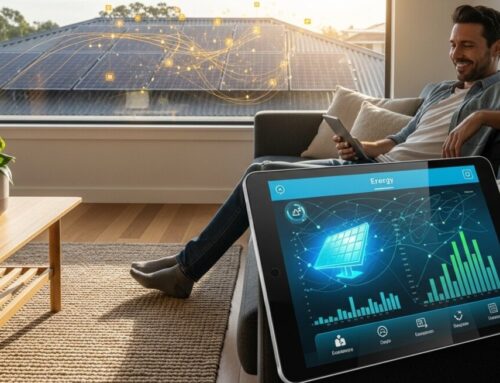
You open your monthly electricity bill and feel a familiar pinch. Rates keep climbing, and you wonder if there is a way to take control. That is why so many homeowners are searching for answers to questions like “can ai increase solar efficiency.” The idea of reducing energy bills and becoming less dependent on the power grid is more appealing than ever. Imagine a system that learns your home’s energy habits and adjusts solar production to match them,that is exactly what modern artificial intelligence can do.
Understanding Can AI Increase Solar Efficiency
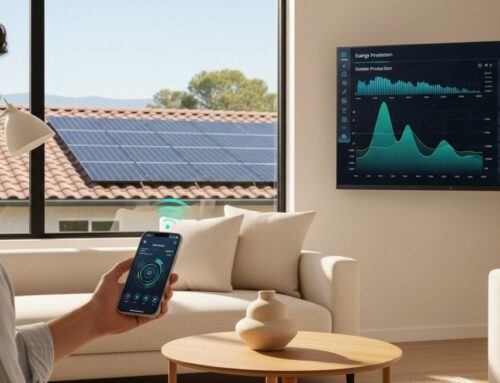
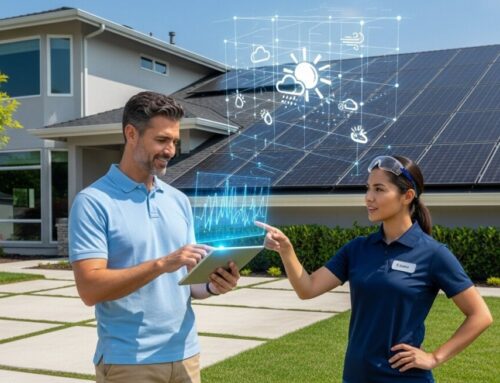
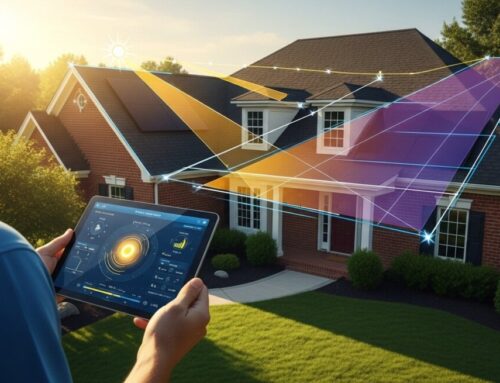
Artificial intelligence, or AI, refers to computer systems that can learn and make decisions. In the world of solar energy, AI acts like a smart brain that optimizes how your panels collect and use sunlight. It analyzes weather forecasts, your daily energy usage, and even the angle of the sun to maximize every watt your system produces.
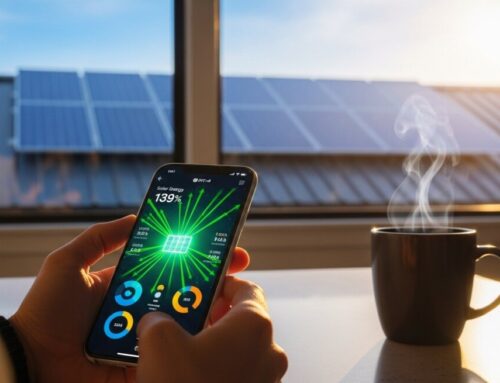
For example, AI can predict when clouds will pass over and adjust battery storage accordingly. It can also detect when a panel is underperforming due to dirt or shading and alert you or your installer. This means you get more usable electricity from the same number of panels.
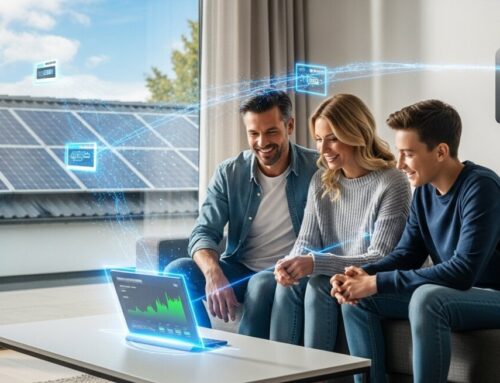
More homeowners are considering AI-enhanced solar because it turns a static installation into a dynamic, self-improving system. Instead of simply generating power, your solar array actively works to deliver the highest possible savings. In our guide on can AI increase solar efficiency for your home, we explain how this technology translates into real-world benefits.
How AI Works With Solar Panels
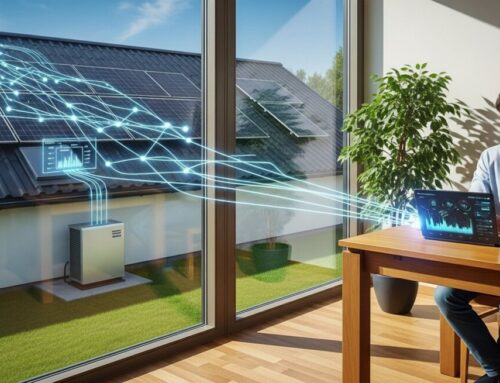
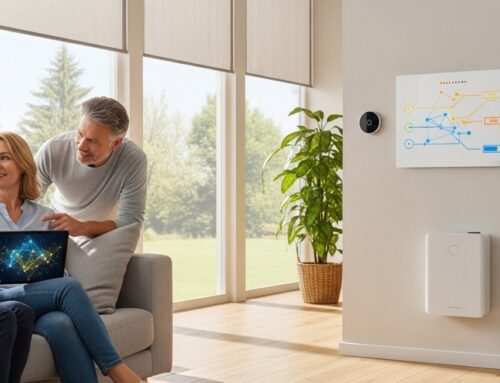
AI software connects to your solar inverter and monitoring system. It gathers data on energy production, consumption patterns, and local weather. Then it uses complex algorithms to make real-time adjustments. The result is a system that consistently operates at peak performance, even when conditions change.
Why Solar Energy Is Becoming More Popular
Rising electricity prices are pushing more families to seek alternatives. The average cost of grid power has increased steadily over the past decade, and there is no sign of a slowdown. Solar panels offer a way to lock in lower energy costs for 25 years or more.
Environmental concerns also play a big role. Many homeowners want to reduce their carbon footprint without sacrificing comfort or convenience. Solar power lets you generate clean energy right from your roof, cutting greenhouse gas emissions significantly.
Long-term savings are the most compelling reason. Once your panels are paid off, the electricity they produce is essentially free. With federal tax credits and local rebates, the upfront cost becomes much more manageable. For a deeper dive into how AI maximizes those savings, check out our article on solar efficiency improvement with AI boost home savings.
If you are considering solar power for your home, comparing installation quotes can help you understand your options. Request a free solar quote or call to learn more.
Common Questions Homeowners Have About Solar
Many people worry about the initial investment. A typical residential solar system costs between $10,000 and $30,000 before incentives. However, federal tax credits can cover 30% of that cost, and many states offer additional rebates.
Roof suitability is another frequent concern. Not every roof faces the right direction or has enough space. Professional installers can evaluate your roof’s angle, shading, and structural integrity to determine if solar is a good fit.
System performance also raises questions. Homeowners want to know how much power they will actually generate. Good installers use software that factors in your location, roof pitch, and local weather to give you a realistic estimate.
- How long does a solar installation take?
- Will solar panels work during a power outage?
- Do panels require a lot of maintenance?
- What happens if my panels produce more electricity than I use?
- Can I add batteries later?
- How long do solar panels last?
How Solar Panel Installation Works
The process starts with a home energy assessment. A professional installer reviews your electricity bills, examines your roof, and discusses your energy goals. This step ensures the system is sized correctly for your needs.
Next comes system design and permits. The installer creates a layout that maximizes sunlight exposure and submits paperwork to your local utility and municipality. Once permits are approved, installation can begin.
- Home energy assessment and quote comparison
- System design tailored to your roof and energy usage
- Permits and approvals from local authorities and utility
- Panel installation on your roof or ground mount
- Electrical connection and inverter setup
- System activation and monitoring launch
Speaking with experienced installers can help you determine the best solar solution for your home. Compare solar quotes here or call to explore available options.
Signs Your Home May Be Ideal for Solar
Homes with strong, unobstructed sunlight exposure are prime candidates. A south-facing roof with little to no shade from trees or buildings typically produces the most energy. Even east- or west-facing roofs can work well with modern panels.
High electricity bills are another clear indicator. If you pay more than 12 cents per kilowatt-hour and use more than 800 kWh per month, solar can likely save you money. The faster your payback period, the more sense solar makes.
- Your roof gets at least 4,5 hours of direct sunlight per day
- Your monthly electricity bill exceeds $100
- You have at least 400 square feet of usable roof space
- Your roof is in good condition and less than 10 years old
- You plan to stay in your home for at least 5,7 more years
- Your local utility offers net metering or solar incentives
What Affects Solar Installation Costs
System size is the biggest cost driver. A larger system that covers 100% of your energy needs will cost more upfront but deliver bigger long-term savings. Most homeowners choose a system that offsets 80,100% of their annual usage.
Equipment quality also matters. Premium panels and inverters cost more but often come with better warranties and higher efficiency. AI-enhanced inverters and monitoring systems add a small premium but can significantly boost overall production.
Installation complexity varies by home. A simple, single-story roof with easy access costs less than a steep, multi-story roof with complex wiring. Local incentives can dramatically reduce your net cost, so it pays to research what is available in your area.
The cost of solar installation varies depending on your home and energy needs. Request personalized solar quotes or call to see what options are available.
Tips for Choosing a Reliable Solar Installer
Start by reviewing the installer’s experience and certifications. Look for companies that employ NABCEP-certified professionals and have been in business for at least five years. These credentials indicate a commitment to quality and ongoing training.
Check warranties carefully. A good installer offers a workmanship warranty of at least 10 years, and the panel manufacturer should provide a 25-year performance guarantee. AI-enhanced systems may also come with software support agreements.
- Read online reviews on Google, Yelp, and the Better Business Bureau
- Ask for references from recent installations in your area
- Compare at least three written quotes with detailed line items
- Verify that the installer handles all permits and paperwork
- Confirm the warranty covers both equipment and labor
- Ask about AI monitoring features included in the system
Long-Term Benefits of Installing Solar Panels
Lower electricity bills are the most immediate benefit. Most homeowners see their monthly energy costs drop by 50,90% after going solar. Over 25 years, that can add up to tens of thousands of dollars in savings.
Increased home value is another advantage. Studies show that homes with solar panels sell for about 4% more than comparable homes without them. Buyers recognize the value of lower utility costs and energy independence.
Reducing your environmental impact feels good. A typical residential solar system offsets roughly 3,4 tons of carbon dioxide per year. That is equivalent to planting more than 100 trees annually.
Energy independence gives you peace of mind. With solar plus battery storage, you can keep critical appliances running during grid outages. AI optimization ensures your battery is charged and ready when you need it most.
How long does it take for solar panels to pay for themselves?
Most homeowners recoup their investment in 6 to 10 years. Factors like local electricity rates, available incentives, and system size affect the payback period. AI-enhanced systems often pay back faster because they produce more energy over time.
Can AI really increase my solar panel output?
Yes. AI can improve energy harvest by 5,15% by optimizing panel angles, battery charging schedules, and detecting performance issues early. This means more savings without adding more panels.
Do I need a new roof before installing solar?
It depends on your roof’s age and condition. If your roof is older than 10 years or shows signs of damage, replacing it before installation is wise. Most installers recommend a roof that will last at least as long as your solar warranty.
Will solar panels work on cloudy days?
Yes, but at reduced output. Solar panels still generate electricity in diffused light, typically 10,25% of their rated capacity. AI systems help manage this by adjusting battery usage and drawing from the grid when needed.
What government incentives are available for solar?
The federal Investment Tax Credit (ITC) allows you to deduct 30% of your installation cost from your federal taxes. Many states and utilities offer additional rebates, performance-based incentives, or solar renewable energy credits (SRECs).
How do I maintain solar panels with AI monitoring?
Solar panels require very little maintenance. AI monitoring alerts you if a panel is dirty or underperforming, so you only clean when needed. Most systems need just a rinse with a hose a couple times a year.
Can I add battery storage later?
Yes. Many AI-ready inverters are designed to work with batteries. Adding storage later is straightforward if your system includes a compatible inverter. It is best to discuss future plans with your installer upfront.
Will solar increase my property taxes?
In most states, solar panel installations are exempt from property tax assessments. That means your home value can increase without a corresponding tax hike. Check your local laws to confirm.
Exploring solar energy is a smart step toward lower bills, greater energy independence, and a cleaner environment. The technology is reliable, the incentives are generous, and AI is making systems smarter than ever. The best way to get started is to compare installation quotes from trusted professionals. Request your free solar quotes today or call to speak with an expert who can guide you through the process.