Can AI Increase Solar Efficiency for Your Home
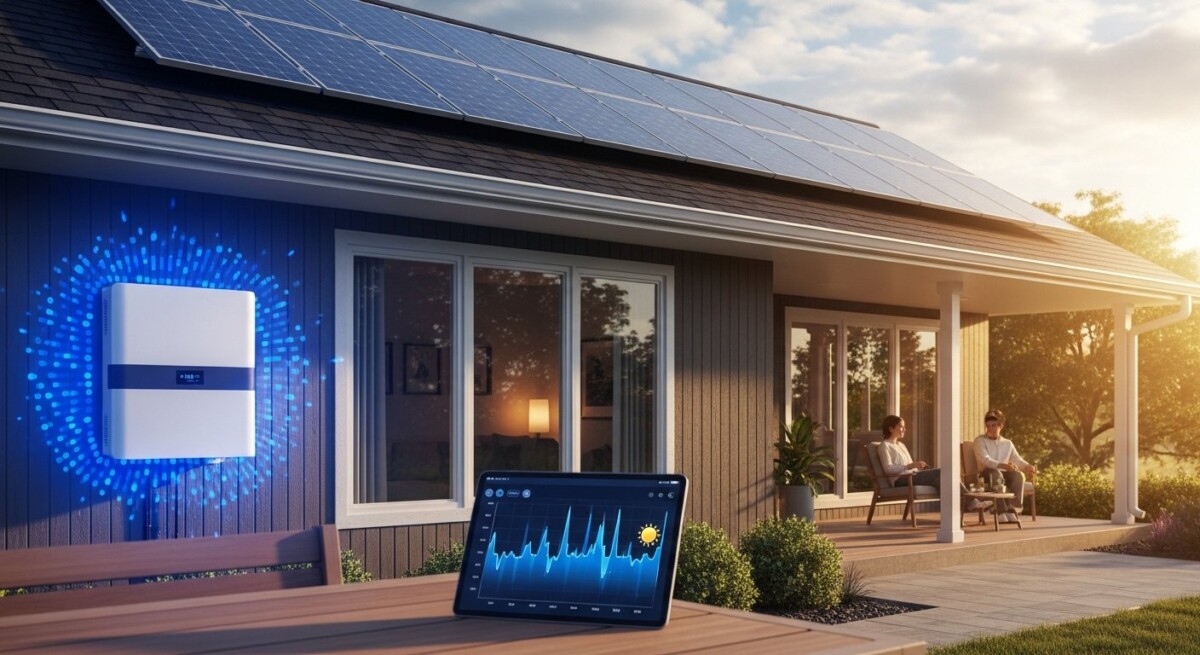
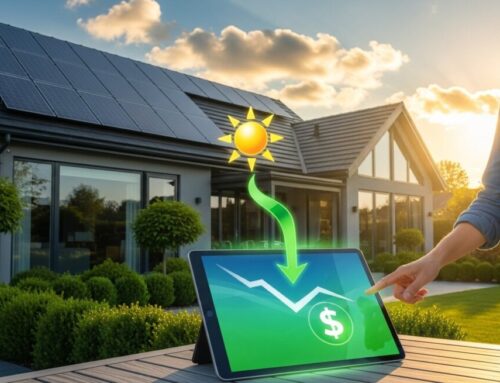
You open your monthly electricity bill and notice it has crept up again. Like many homeowners, you have probably wondered if there is a way to reduce these costs without changing your lifestyle. That is why so many people are now searching for answers to the question, can AI increase solar efficiency while also lowering energy bills. The idea of using smart technology to get more power from the sun,and becoming less dependent on the grid,is becoming a practical reality for homeowners across the country.
Understanding Can AI Increase Solar Efficiency
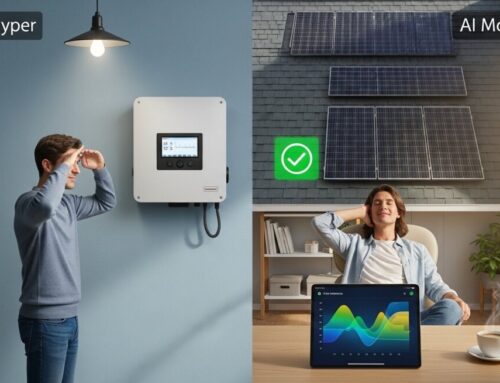
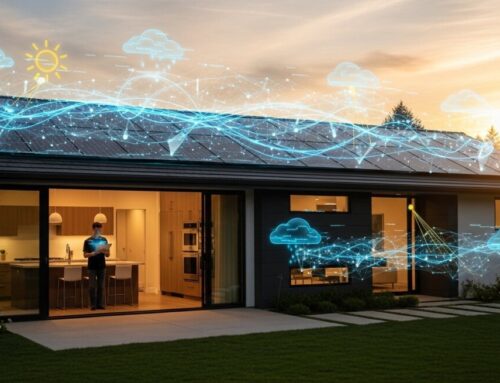
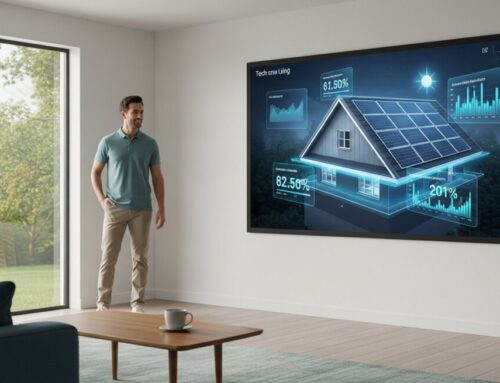
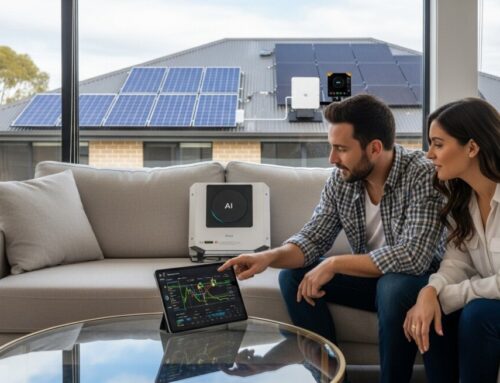
Artificial intelligence, or AI, refers to computer systems that can learn from data and make smart decisions. When applied to solar panels, AI helps optimize how much electricity your system produces by analyzing weather patterns, sun angles, and energy usage in real time. Instead of your panels just sitting there collecting sunlight, AI-powered software can tilt them, clean them virtually, or route power more efficiently.
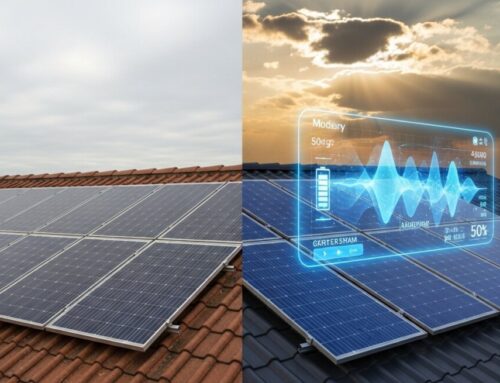
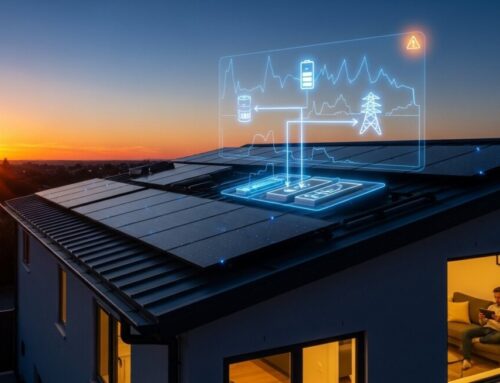
More homeowners are considering this technology because it promises higher energy yields without installing extra panels. For example, an AI system might predict a cloudy afternoon and adjust battery storage the night before, so you have enough power when the sun hides. This means you get more value from every ray of sunlight hitting your roof.
How AI Works With Solar Panels
At its core, AI uses sensors and historical data to make micro-adjustments that humans cannot make manually. A smart inverter with AI can detect a shaded panel and reroute electricity around it, preventing the entire system from slowing down. Over a year, these small tweaks can add up to significant savings on your electricity bills.
Why Solar Energy Is Becoming More Popular
Electricity prices have risen steadily over the past decade, and many homeowners feel the pinch every month. Solar energy offers a way to lock in lower rates and protect yourself from future price hikes. People are also more aware of their carbon footprint and want to make choices that help the environment.
Long-term savings are a major draw. While the upfront cost of solar panels can seem high, the average homeowner saves tens of thousands of dollars over the system’s 25-year lifespan. When you combine those savings with federal tax credits and state rebates, solar becomes one of the smartest home improvements you can make.
In our guide on Solar Efficiency Improvement With AI: Boost Home Savings, we explain how AI can further amplify these financial benefits by making your system perform at its peak even on less sunny days.
If you are considering solar power for your home, comparing installation quotes can help you understand your options. Request a free solar quote or call to learn more.
Common Questions Homeowners Have About Solar
Before installing solar panels, most homeowners have a list of concerns. The most common question is about cost: how much will it really cost upfront, and how long until it pays off? Others worry about whether their roof gets enough sun or if their home is structurally ready for panels.
System performance is another frequent topic. Homeowners want to know if solar works during winter or on cloudy days. The good news is that modern panels and AI-driven systems can still generate significant power in less-than-ideal conditions.
- Will solar panels work on my roof type?
- How long does installation take?
- What happens if I move out before the system pays off?
- Do I need a battery, or can I stay connected to the grid?
- How do I maintain solar panels?
- Are there government incentives available right now?
How Solar Panel Installation Works
Installing solar panels is not as complicated as it sounds, especially when you work with a professional installer. The process begins with a home energy assessment, where an expert reviews your electricity usage and roof condition. This step helps determine the right system size for your needs.
Next, the installer designs a custom system, handles permits, and schedules the installation. Most installations take one to three days, depending on the complexity. After the panels are mounted and connected, a final inspection ensures everything meets local codes before you flip the switch.
- Home energy assessment to evaluate your current usage and roof suitability.
- System design tailored to your home’s layout and sun exposure.
- Permits and approvals from your local utility and city government.
- Panel installation by certified technicians.
- System activation and connection to the grid or battery storage.
Speaking with experienced installers can help you determine the best solar solution for your home. Compare solar quotes here or call to explore available options.
Signs Your Home May Be Ideal for Solar
Not every home is equally suited for solar panels, but many are. The most important factor is sunlight exposure. If your roof faces south or west and gets direct sunlight for most of the day, you are in a strong position to benefit from solar energy.
Another sign is high electricity bills. If you pay more than $100 per month, solar panels can likely reduce that amount significantly. Also, if you plan to stay in your home for at least five to seven years, you will have enough time to recoup your investment through savings.
- Your roof has strong, unobstructed sunlight for at least five hours a day.
- Your monthly electricity bills are consistently high.
- You have adequate roof space,typically 300 to 500 square feet.
- You plan to own your home for several more years.
- Your local utility offers net metering or other solar incentives.
What Affects Solar Installation Costs
The cost of a solar system depends on several key factors. System size is the biggest driver,a larger home with higher energy needs will require more panels and a bigger investment. Equipment quality also matters, as premium panels and AI-enabled inverters cost more but deliver better long-term performance.
Installation complexity can raise the price if your roof is steep, has multiple angles, or requires electrical upgrades. However, local incentives can offset much of the expense. The federal solar tax credit currently allows you to deduct 30% of the installation cost from your federal taxes, and many states offer additional rebates.
The cost of solar installation varies depending on your home and energy needs. Request personalized solar quotes or call to see what options are available.
Tips for Choosing a Reliable Solar Installer
Choosing the right installer is just as important as choosing the right panels. A reliable installer will assess your home honestly and recommend a system that fits your budget and goals. They should also be transparent about warranties, financing, and expected energy production.
One of the best ways to find a trustworthy installer is to compare multiple quotes. This gives you a clearer picture of pricing and helps you spot companies that overcharge or offer subpar equipment. Always read customer reviews and ask for references before signing a contract.
- Review the installer’s experience and certifications.
- Check the warranty on both the panels and the workmanship.
- Read recent customer reviews on independent platforms.
- Compare at least three quotes to ensure competitive pricing.
Long-Term Benefits of Installing Solar Panels
Lower electricity bills are the most immediate benefit of solar panels. Over 25 years, the average homeowner saves between $20,000 and $50,000, depending on local electricity rates and system size. Those savings can be reinvested into your home or retirement.
Solar panels also increase your home’s resale value. Studies show that homes with solar systems sell for a premium compared to similar homes without them. Beyond finances, you gain energy independence and reduce your reliance on fossil fuels, which helps the planet.
For a deeper look at how weather conditions affect your system’s output, read our article on Weather’s Impact on Solar Efficiency.
Frequently Asked Questions
Can AI really make my solar panels more efficient?
Yes, AI can boost solar panel efficiency by up to 10% or more by optimizing panel angles, predicting weather, and managing energy storage. These improvements mean you generate more electricity from the same number of panels, which directly reduces your monthly bills.
How much can I save on electricity bills with solar panels?
Most homeowners save between $600 and $2,000 per year, depending on their energy usage and local electricity rates. Over the 25-year lifespan of a solar system, total savings often exceed $30,000.
Do solar panels work during winter or cloudy weather?
Yes, solar panels still generate electricity on cloudy days, though at a reduced rate. AI-enhanced systems can predict cloudy periods and adjust battery storage to keep your home powered during low-sun days.
What government incentives are available for solar?
The federal solar tax credit allows you to deduct 30% of your installation costs from your taxes. Many states and utilities also offer rebates, performance payments, or net metering programs that pay you for excess energy sent to the grid.
How long does it take for solar panels to pay for themselves?
The payback period typically ranges from 6 to 12 years, depending on your system size, local incentives, and electricity rates. After that, your electricity is essentially free for the remaining lifespan of the panels.
Will solar panels increase my home’s property taxes?
In most states, solar panels are exempt from property tax assessments, meaning your home’s value increases without raising your tax bill. Check with your local tax authority to confirm the rules in your area.
What happens if my solar panels produce more energy than I use?
Excess energy is sent back to the grid through a process called net metering. Your utility credits you for that power, which can offset the cost of electricity you use at night or during cloudy periods.
How do I maintain solar panels with AI technology?
AI-powered systems often self-monitor and alert you or your installer if a panel needs cleaning or has a performance issue. Basic maintenance usually involves rinsing panels with water a few times a year to remove dust and debris.
Solar energy is a proven way to reduce your electricity bills, increase your home’s value, and help the environment. With the addition of AI, your panels can work smarter and deliver even greater savings. The best way to start is by comparing quotes from trusted installers who can design a system tailored to your home’s unique needs. Take the first step today and explore your solar options with confidence.