Top Solar AI Software Tools for Maximum Home Savings
You open your monthly electricity bill and feel a familiar pang of frustration. Costs keep climbing, and you wonder if there is a smarter way to power your home. This is why so many homeowners are searching for top solar AI software tools to help them understand their energy options. The promise of reducing your monthly bills and becoming less dependent on the grid has never been more appealing.
Understanding top solar AI software tools
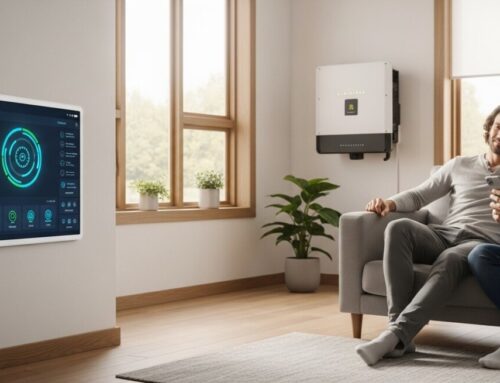
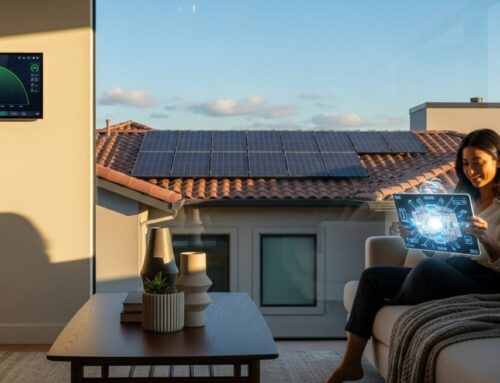
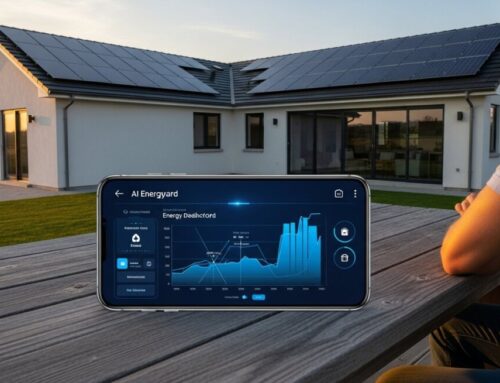
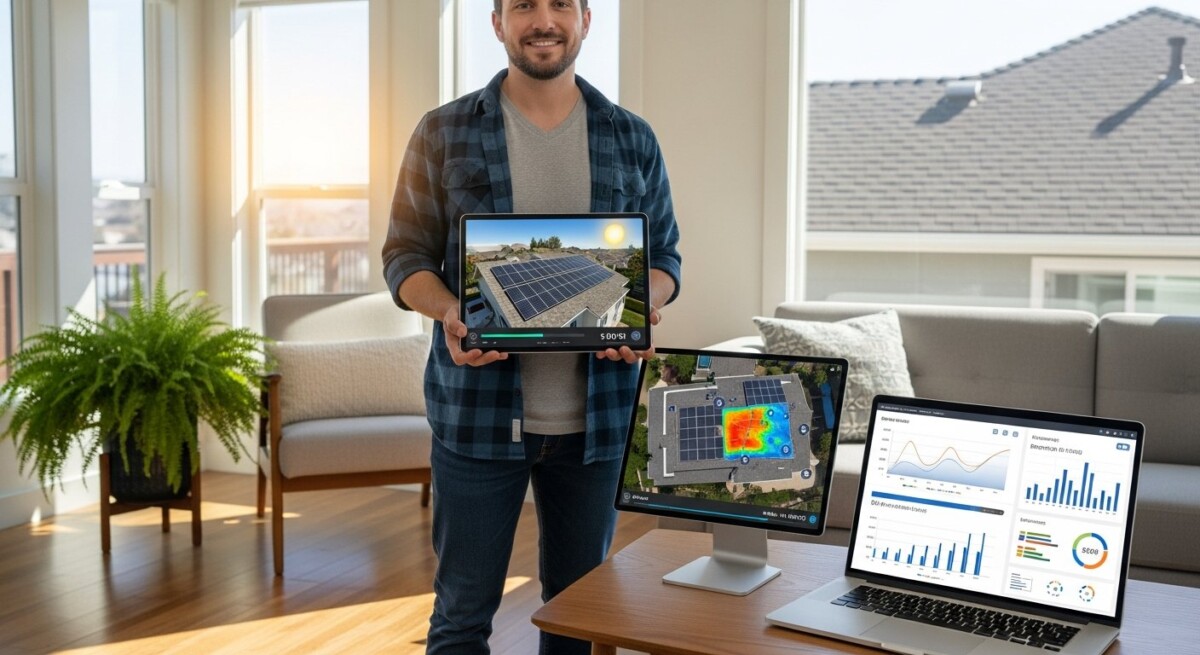
Top solar AI software tools are smart computer programs that help homeowners and installers design the perfect solar system for a specific home. These tools use artificial intelligence to analyze your roof, local weather patterns, and electricity usage in seconds. They take the guesswork out of solar planning and give you accurate predictions about energy production and savings.
Instead of relying on rough estimates, these tools process satellite images of your roof, shade data from nearby trees, and your past utility bills. The AI then recommends the ideal number of panels, their placement, and the type of equipment that will work best for you. More homeowners are turning to these tools because they remove uncertainty and help you feel confident before making a big investment.
How AI makes solar planning more accurate
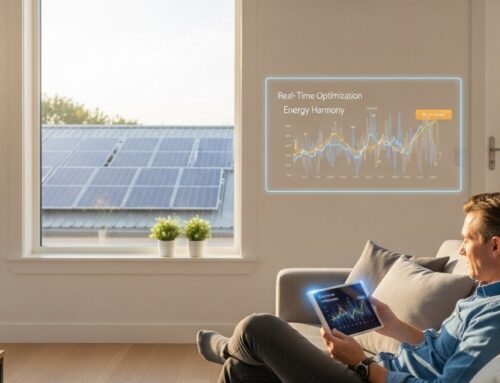
Traditional solar quotes often vary widely because human estimators can miss subtle details like seasonal shade or roof angle variations. AI software eliminates these errors by analyzing thousands of data points in real time. This means you get a customized plan that maximizes your energy harvest and long-term savings.
Why Solar Energy Is Becoming More Popular
Electricity rates have risen steadily over the past decade, and many homeowners are tired of unpredictable bills. Solar power offers a way to lock in lower energy costs and protect your household from future rate hikes. At the same time, more people want to reduce their carbon footprint and contribute to a cleaner planet.
Financial incentives also play a big role in solar’s growing popularity. The federal solar tax credit lets you deduct a significant portion of your installation cost from your taxes, and many states offer additional rebates. These savings, combined with lower monthly bills, mean many homeowners see a full return on their investment within five to seven years.
If you are considering solar power for your home, comparing installation quotes can help you understand your options. Request a free solar quote or call to learn more.
Common Questions Homeowners Have About Solar
Many homeowners hesitate because they are unsure about the upfront cost and whether their roof is suitable. These are valid concerns, but modern solar technology and financing options have made installation more accessible than ever. Professional installers can answer your specific questions and help you avoid costly mistakes.
Another common worry is system performance during cloudy days or at night. Solar panels still generate electricity on overcast days, and net metering programs let you earn credits for excess power you send back to the grid. You can also add battery storage to keep your home powered after sunset.
- How much does a typical solar system cost?
- Will solar panels work on an older roof?
- How long do solar panels last?
- What happens if I move after installing solar?
- Are there financing options with no money down?
- Do I need a battery or can I stay connected to the grid?
How Solar Panel Installation Works
The process begins with a home energy assessment where an installer reviews your electricity bills and examines your roof. They use top solar AI software tools to create a detailed system design that fits your home perfectly. After you approve the plan, the installer handles all the permits and paperwork required by your local government.
Once approvals are in place, the actual installation usually takes one to three days. The crew mounts the panels on your roof, connects the inverter, and wires everything to your electrical panel. After a final inspection by your city or utility, the system is activated and starts producing clean energy for your home.
- Home energy assessment and bill analysis
- System design using AI software and satellite imagery
- Permits and approvals from local authorities
- Panel installation and electrical wiring
- Final inspection and system activation
Speaking with experienced installers can help you determine the best solar solution for your home. Compare solar quotes here or call to explore available options.
Signs Your Home May Be Ideal for Solar
Not every home is perfectly suited for solar, but many are better candidates than homeowners realize. A south-facing roof with little to no shade from trees or nearby buildings is ideal for maximum energy production. Even roofs that face east or west can still generate significant power and save you money.
If you pay high electricity bills each month, solar can provide immediate relief. Homes with large families, electric vehicles, or pool pumps often see the fastest payback periods. Planning to stay in your home for at least five more years also makes solar a smart financial decision.
- Your roof gets strong sunlight for most of the day
- Your monthly electricity bills are consistently high
- You have enough unobstructed roof space
- You plan to stay in your home for several years
- Your local utility offers net metering or time-of-use rates
- Your state provides additional solar incentives or rebates
What Affects Solar Installation Costs
The size of your solar system is the biggest factor in the total cost. A larger system that covers all your energy needs will cost more upfront but also deliver greater long-term savings. The quality of the panels and inverters you choose also affects the price, with premium equipment offering higher efficiency and longer warranties.
Installation complexity can add to the cost if your roof has unusual angles, multiple stories, or requires structural reinforcement. Local permit fees and labor rates vary by region as well. However, federal and state incentives can reduce your out-of-pocket expense by 30 percent or more, making high-quality systems more affordable than ever.
In our guide on solar panel installation cost, we explain how to budget for your project and maximize available incentives.
The cost of solar installation varies depending on your home and energy needs. Request personalized solar quotes or call to see what options are available.
Tips for Choosing a Reliable Solar Installer
Finding a trustworthy installer is just as important as choosing the right equipment. Look for companies with several years of experience and a strong reputation in your community. A reliable installer will use top solar AI software tools to design your system and provide transparent pricing without hidden fees.
Always read customer reviews on sites like Google, Yelp, and the Better Business Bureau. Ask about the warranties they offer on both the equipment and their workmanship. Most importantly, get quotes from at least three different installers so you can compare prices, equipment options, and financing terms side by side.
- Review the installer’s years of experience and certifications
- Check warranty coverage for panels, inverters, and labor
- Read recent customer reviews and ratings
- Compare multiple quotes to find the best value
- Ask about financing options including loans and leases
- Verify that the installer handles permits and inspections
Long-Term Benefits of Installing Solar Panels
Once your solar system is paid off, your electricity bills drop dramatically for the next 25 years or more. Many homeowners see savings of $20,000 to $40,000 over the life of their system. Solar panels also increase your home’s resale value, often by $15,000 or more, making them a smart investment even if you move.
Beyond financial gains, solar energy gives you greater independence from utility companies and rising rates. You also reduce your household’s carbon emissions by several tons each year, contributing to a healthier environment for your children and grandchildren. With federal incentives still available, now is a great time to explore your options.
For homeowners in specific regions, local installers can offer tailored advice. Learn more in our article about top solar energy companies in Colorado if you live in that area.
How long do solar panels last?
Most solar panels come with a 25-year performance warranty and continue producing electricity for 30 years or more. They slowly lose efficiency over time, typically degrading at less than 0.5 percent per year. Even after 25 years, your panels should still generate about 85 to 90 percent of their original power output.
Can I install solar panels myself to save money?
DIY solar installation is possible but not recommended for most homeowners. Mistakes in wiring or mounting can lead to leaks, electrical hazards, or voided warranties. Professional installers ensure the system is safe, efficient, and eligible for incentives, which often offsets the upfront cost.
What happens if my roof needs repairs after solar is installed?
If your roof needs repairs, a professional installer can temporarily remove the panels and reinstall them afterward. Some installers offer a roof penetration warranty that covers leaks for a set period. It is best to inspect and repair your roof before installing solar to avoid extra costs later.
Do solar panels work during a power outage?
Standard grid-tied solar systems shut off during a power outage to protect utility workers. If you want backup power, you need a solar battery system that can operate independently. Batteries allow you to store excess energy and use it when the grid goes down.
Will solar increase my property taxes?
In many states, solar panel installations are exempt from property tax assessments, meaning your home value increases without raising your tax bill. Some states also offer sales tax exemptions on solar equipment. Check local laws or ask your installer about exemptions in your area.
How much maintenance do solar panels require?
Solar panels are very low maintenance. Rain usually washes away dust and dirt, but in dry areas you may need to rinse them with a garden hose once or twice a year. Most systems come with monitoring apps that alert you to any performance issues, so you can address problems quickly.
Can I add more panels later if my energy needs increase?
Yes, you can expand your solar system if you have enough roof space and your inverter has extra capacity. Adding panels later may require new permits and updated interconnection agreements with your utility. Planning for future needs during your initial installation can make expansion easier.
What financing options are available for solar?
You can purchase a solar system with cash, take out a solar loan, or lease the panels through a power purchase agreement (PPA). Cash purchases offer the best long-term savings, while loans and leases allow you to go solar with little or no money down. Compare terms and interest rates to find the option that fits your budget.
Solar energy is one of the most practical steps you can take to lower your bills, increase your home’s value, and reduce your environmental impact. By using top solar AI software tools, professional installers design systems that match your exact needs and deliver reliable savings for decades. The best way to start is by comparing quotes from multiple installers to find the right system at the right price.