AI Solar Monitoring: Boost Your Home Savings Today
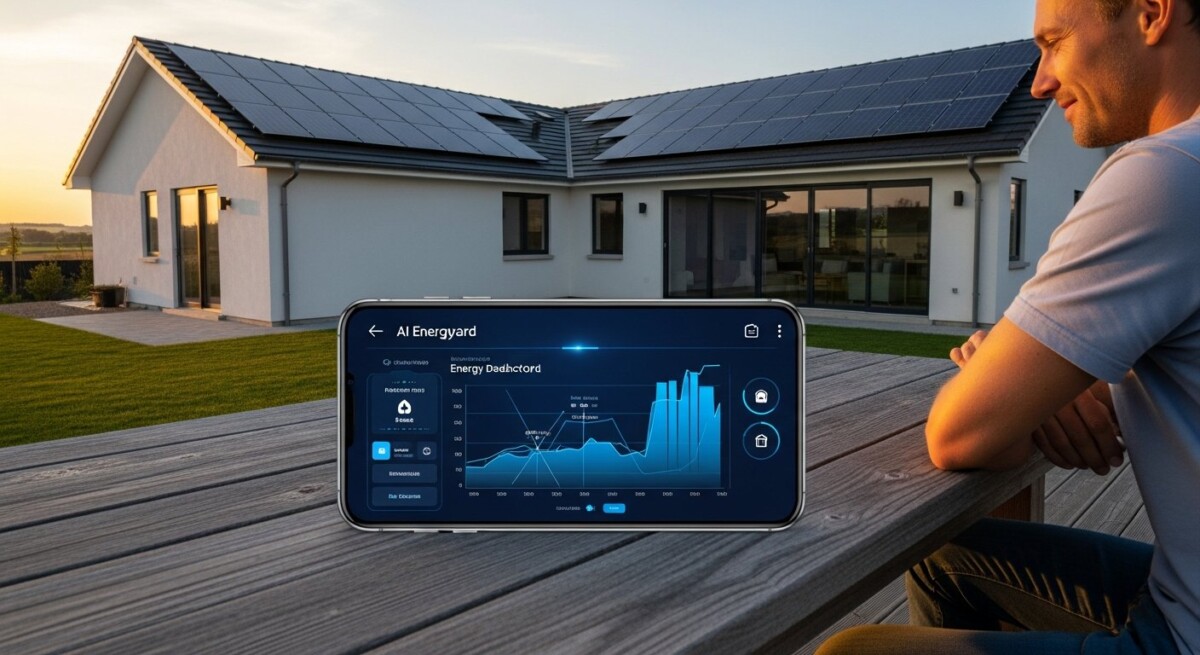
Every month, you open your electricity bill and wonder where all that energy went. It is a common frustration that pushes more homeowners to explore solar energy. But what if your solar system could think for itself, track every watt, and alert you to savings opportunities? That is the promise of ai solar monitoring,a smart technology that helps you maximize your investment and reduce your reliance on the power grid.
Understanding AI Solar Monitoring
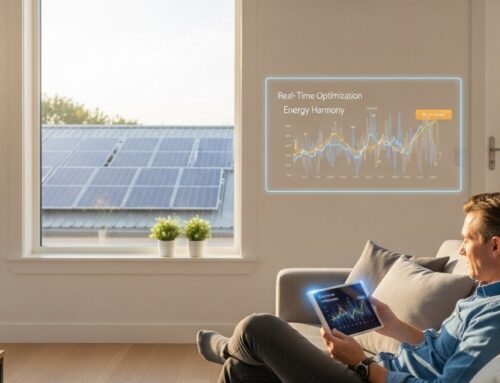
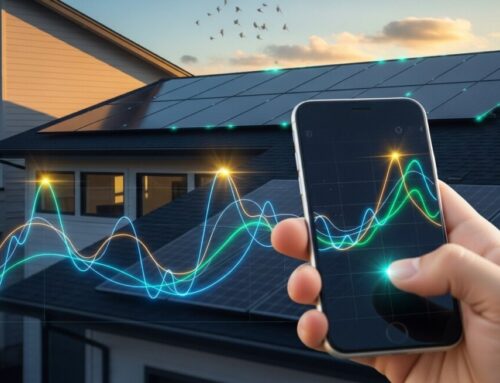
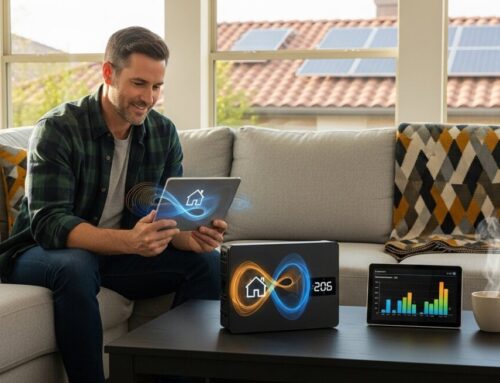
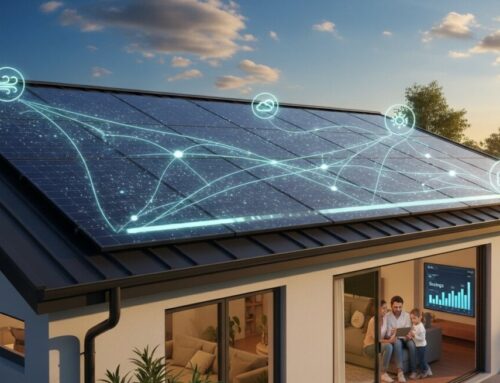
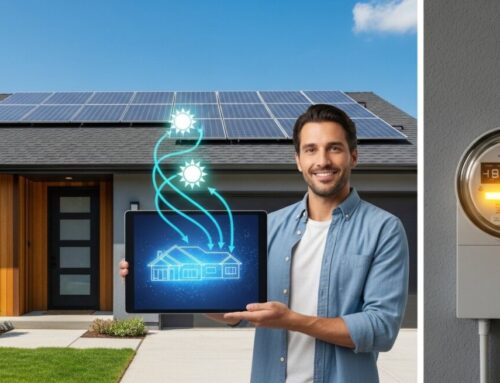
AI solar monitoring uses artificial intelligence to track how your solar panels perform in real time. Instead of simply showing how much energy you produce, it analyzes patterns, predicts future output, and detects issues before they become costly repairs. This technology learns your household’s energy habits and adjusts recommendations to help you save more.
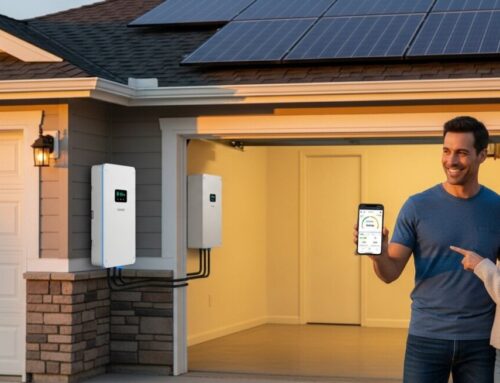
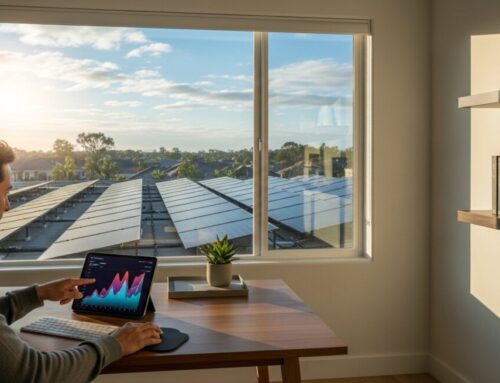
Think of it as a smart assistant for your rooftop system. The AI processes data from sensors on your panels, inverter, and home appliances. It then sends alerts to your phone or computer when something needs attention,like a shaded panel or a sudden drop in efficiency. More homeowners are turning to this solution because it takes the guesswork out of solar ownership.
How the AI Makes Decisions
The system compares your energy production against weather forecasts, historical data, and local grid prices. It can recommend when to run heavy appliances like your dryer or EV charger to use your own solar power instead of buying from the utility. Over time, these small adjustments add up to significant savings on your monthly bills.
Why Solar Energy Is Becoming More Popular
Electricity rates have risen steadily year after year, and many families feel the pinch. Solar power offers a way to lock in lower energy costs and protect yourself from future price hikes. At the same time, concerns about climate change push homeowners to choose cleaner energy sources that reduce their carbon footprint.
Solar panels also deliver strong long-term savings. After the initial installation, the fuel,sunlight,is free. Most systems pay for themselves within 6 to 10 years and continue producing savings for decades. Federal tax credits, state rebates, and net metering programs sweeten the deal, making solar more affordable than ever.
If you are considering solar power for your home, comparing installation quotes can help you understand your options. Request a free solar quote or call to learn more.
Common Questions Homeowners Have About Solar
Many homeowners worry about the upfront cost of solar panels. While the price has dropped significantly over the past decade, a typical residential system still requires a few thousand dollars after incentives. However, financing options like solar loans and leases can make the switch affordable with little or no money down.
Another frequent concern is whether a roof can support solar panels. Most asphalt shingle, tile, and metal roofs work well, especially if they are in good condition and receive direct sunlight for most of the day. A professional installer will assess your roof’s age, orientation, and shading before recommending a system.
- How much will solar panels really save me each month?
- What happens if my roof needs repairs after installation?
- Do solar panels work during cloudy days or winter?
- How long do solar panels last before they need replacement?
- Will solar increase my home’s resale value?
- What maintenance do solar panels require?
How Solar Panel Installation Works
Installing solar panels is a straightforward process when you work with a qualified professional. It starts with a home energy assessment to evaluate your current usage and roof conditions. The installer then designs a system tailored to your needs and submits permits to your local building department.
Once approvals are in place, the installation crew mounts the panels, connects the inverter, and wires the system to your electrical panel. A final inspection by the city or utility company ensures everything meets safety codes. After that, your system is activated and begins generating clean power.
- Schedule a home energy assessment and site evaluation.
- Review the system design and equipment options with your installer.
- Obtain necessary permits and approvals from local authorities.
- Install the solar panels, inverter, and mounting hardware.
- Pass final inspections and receive permission to operate from your utility.
Speaking with experienced installers can help you determine the best solar solution for your home. Compare solar quotes here or call to explore available options.
Signs Your Home May Be Ideal for Solar
Not every home is a perfect candidate for solar, but many are. The most important factor is sunlight exposure. Homes with a south-facing roof that gets direct sun for most of the day will produce the most energy. Even east- or west-facing roofs can work well with the right system design.
High electricity bills are another strong indicator. If you pay more than $100 per month for power, solar can likely reduce your costs. Sufficient roof space is also necessary,typically 300 to 500 square feet for an average system. Finally, if you plan to stay in your home for at least five more years, the long-term savings will easily outweigh the upfront investment.
- Your roof faces south, east, or west with minimal shading.
- Your monthly electricity bill is consistently above $100.
- You have at least 300 square feet of usable roof space.
- Your roof is less than 15 years old and in good condition.
- You plan to live in your home for five or more years.
- Your state or utility offers net metering or solar incentives.
What Affects Solar Installation Costs
The size of your system is the biggest cost driver. Larger homes with higher energy needs require more panels, which raises the total price. Equipment quality also matters,premium panels and inverters cost more but often produce more power and last longer.
Installation complexity can add to the expense. A simple roof with easy access is cheaper to outfit than a complex multi-story home with tile roofing. Local labor rates and permit fees vary as well. On the positive side, federal tax credits and state rebates can reduce your out-of-pocket costs by 30% or more.
The cost of solar installation varies depending on your home and energy needs. Request personalized solar quotes or call to see what options are available.
Tips for Choosing a Reliable Solar Installer
Choosing the right installer is just as important as choosing the right equipment. A reputable company will have years of experience, proper licenses, and a track record of satisfied customers. They should also offer strong warranties on both the panels and their workmanship.
Reading reviews on sites like Google, Yelp, and the Better Business Bureau can give you insight into how a company treats its customers. Do not hesitate to ask for references from recent installations in your area. The best installers are happy to share their work and explain the process clearly.
- Verify the installer’s license, insurance, and certifications.
- Ask about the warranty on panels (typically 25 years) and workmanship (at least 10 years).
- Read recent customer reviews and check the company’s Better Business Bureau rating.
- Get at least three detailed quotes to compare equipment, pricing, and service.
- Ask how the installer handles roof leaks or post-installation repairs.
Long-Term Benefits of Installing Solar Panels
Once your solar panels are up and running, your electricity bills will drop immediately. Over the life of the system,usually 25 to 30 years,you can save tens of thousands of dollars. Those savings grow even more if electricity rates continue to rise as expected.
Solar panels also increase your home’s resale value. Studies show that homes with solar sell faster and for a premium compared to similar homes without them. Beyond the financial gains, you will enjoy the peace of mind that comes from energy independence and a smaller environmental footprint. Every kilowatt-hour from the sun is one less from fossil fuels.
What is AI solar monitoring and how does it work?
AI solar monitoring uses artificial intelligence to track your solar panel performance in real time. It analyzes energy production, weather data, and your home usage to optimize savings and detect problems early. The system sends alerts to your phone so you can act quickly when something is wrong.
How much can I save with solar panels each month?
Monthly savings vary based on your location, system size, and electricity rates. Most homeowners reduce their electric bills by 50% to 90% after installing solar. Over 25 years, total savings often range from $20,000 to $50,000 or more.
Do solar panels work on cloudy days?
Yes, solar panels still generate electricity on cloudy days, just at a reduced rate. They rely on daylight, not direct sunlight, so production can be 10% to 25% of a sunny day. Modern systems with AI monitoring can adjust your energy usage to make the most of lower output.
What maintenance do solar panels require?
Solar panels require very little maintenance. Occasional cleaning to remove dust, leaves, or snow helps maintain efficiency. Most systems come with monitoring software that alerts you to performance issues, so you rarely need to climb onto the roof.
How long does it take to install solar panels?
The physical installation usually takes one to three days, depending on system size and roof complexity. The entire process,from assessment to activation,typically takes four to eight weeks, mostly due to permit and utility approvals.
Will solar panels damage my roof?
No, properly installed solar panels do not damage your roof. Installers use flashing and sealants to protect against leaks. In fact, panels can shield your roof from sun and rain, potentially extending its lifespan.
Can I install solar panels myself to save money?
While DIY solar kits exist, professional installation is strongly recommended. Improper wiring or mounting can void warranties, create safety hazards, and reduce system performance. Licensed installers also handle permits and utility paperwork, which saves you time and stress.
What government incentives are available for solar?
The federal solar tax credit allows you to deduct 30% of your system cost from your federal taxes. Many states and utilities offer additional rebates, performance payments, or net metering programs. A qualified installer can help you find and apply for all available incentives.
AI solar monitoring is transforming how homeowners manage their energy use and savings. By understanding your options and working with trusted professionals, you can make a smart investment that pays off for decades. The best way to start is to compare multiple quotes from experienced installers and find the system that fits your home and budget. Request free solar quotes today or call to take the first step toward lower bills and energy independence.