How Much AI Improves Solar Output for Bigger Savings
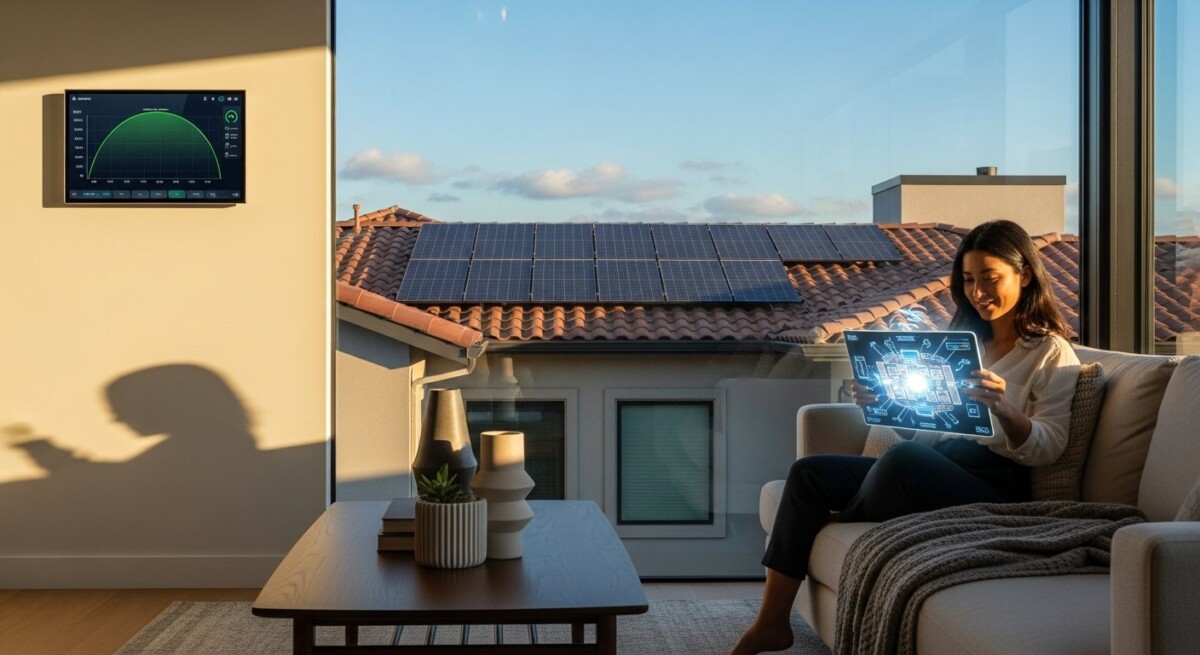
You open your monthly electricity bill and feel a familiar sting. Rates keep climbing, and you wonder if there is a way to take control. Many homeowners are now searching for answers, and one question keeps coming up: how much AI improves solar output for real savings. The idea of shrinking your energy bills and gaining independence from the grid has never been more appealing. Today, artificial intelligence is quietly transforming solar power, making it smarter, more efficient, and more affordable than ever before.
Understanding How Much AI Improves Solar Output
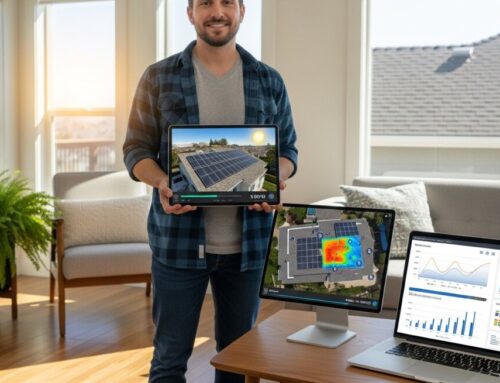
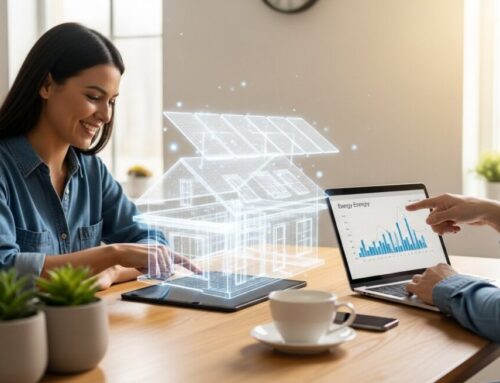
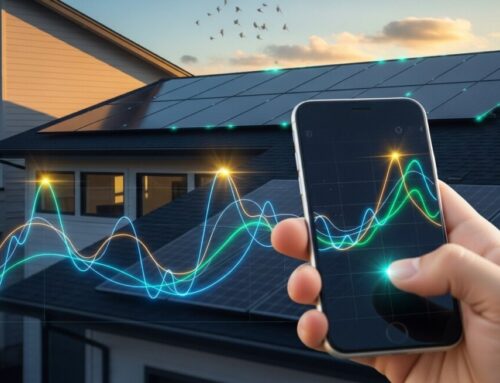
Artificial intelligence, or AI, acts like a smart brain for your solar system. It analyzes weather patterns, sun position, and your home’s energy use in real time. By doing this, it adjusts your panels to capture the maximum amount of sunlight throughout the day. In our guide on how AI predicts solar output for bigger savings, we explain how these systems learn from data to boost performance.
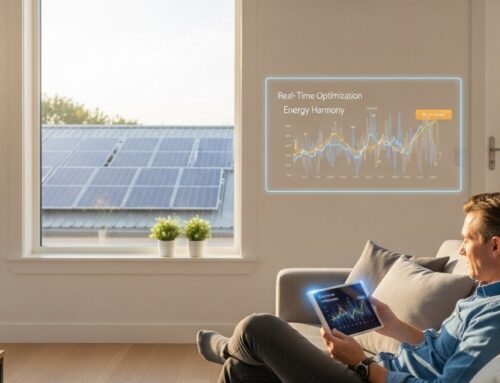
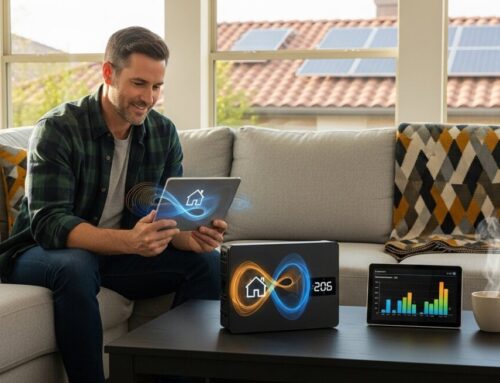
Think of AI as a virtual assistant that never sleeps. It monitors cloud cover, temperature changes, and even dust on your panels. When conditions shift, it fine-tunes your system to keep energy production high. This constant optimization means your solar panels work harder without you lifting a finger. Homeowners who embrace this technology often see a noticeable jump in their daily energy generation.
Why AI Matters for Your Home Solar System
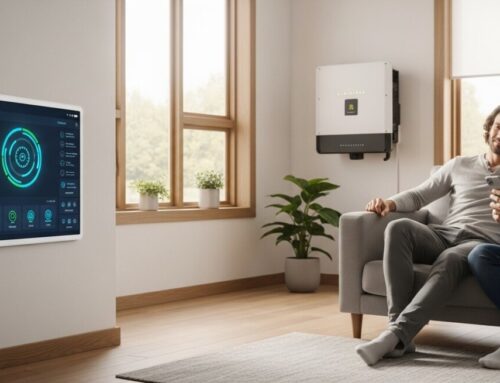
Traditional solar panels are fixed and passive. They sit on your roof and generate power based on simple timers or basic inverters. AI changes this by turning your system into an active, learning machine. It can predict when a storm is coming and store extra energy beforehand. It also detects small inefficiencies that would otherwise go unnoticed, saving you money over time.
More homeowners are considering AI-enhanced solar because it maximizes every ray of sunlight. You are not just installing panels; you are investing in a system that grows smarter each day. This technology helps you get the most out of your investment while reducing waste. The result is lower electricity bills and a faster return on your solar purchase.
Why Solar Energy Is Becoming More Popular
Electricity prices have been rising steadily across the country. Many families feel the pinch and look for ways to stabilize their monthly costs. Solar power offers a predictable, long-term solution that shields you from utility rate hikes. At the same time, more people care about their environmental footprint. Generating clean energy at home reduces reliance on fossil fuels and cuts carbon emissions.
Long-term savings are another powerful motivator. Once your solar system is paid off, the electricity it produces is essentially free. Over 20 or 25 years, those savings can add up to tens of thousands of dollars. Add in federal tax credits and local rebates, and the upfront cost becomes much more manageable. Solar is no longer a luxury,it is a smart financial decision for homeowners who plan to stay put.
If you are considering solar power for your home, comparing installation quotes can help you understand your options. Request a free solar quote or call to learn more.
Common Questions Homeowners Have About Solar
Many homeowners worry about the installation cost of solar panels. The price has dropped significantly over the past decade, and financing options make it accessible to more people. Federal incentives and state rebates can cover a large portion of the expense, sometimes reducing it by 30 percent or more.
Roof suitability is another frequent concern. Not every roof is ideal, but most can accommodate panels with minor adjustments. Factors like age, material, and shading from trees or nearby buildings play a role. A professional installer can assess your roof and recommend the best setup for your home.
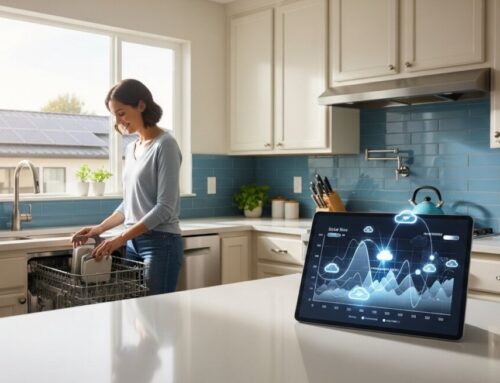
System performance also raises questions. Will panels work on cloudy days? Yes,they still generate power, just at a reduced rate. AI helps here too, by optimizing output even when sunlight is limited. Regular maintenance is minimal, usually just occasional cleaning and an annual checkup.
- How long do solar panels last? Most come with 25-year warranties and continue producing power for 30 years or more.
- Will solar work during a power outage? With battery storage, you can keep essential appliances running when the grid goes down.
- Do panels increase property taxes? In many states, solar installations are exempt from property tax assessments.
- Can I install panels myself? Professional installation is strongly recommended to ensure safety, performance, and warranty coverage.
- How much can I really save? Savings depend on your location, energy use, and system size, but most homeowners cut their bills by 50 to 90 percent.
How Solar Panel Installation Works
The process begins with a home energy assessment. An installer reviews your past electricity bills, inspects your roof, and measures sunlight exposure. This data helps them design a system that matches your specific needs. They also check for any electrical upgrades that might be required.
Next comes system design and permitting. The installer creates a layout for your panels and submits the necessary permits to your local government. This step can take a few weeks but ensures everything meets building codes and utility requirements. Once approved, the physical installation begins.
- Home energy assessment and roof inspection
- System design tailored to your roof and energy goals
- Permit applications and utility approvals
- Panel mounting, wiring, and inverter installation
- System activation and connection to the grid
Speaking with experienced installers can help you determine the best solar solution for your home. Compare solar quotes here or call to explore available options.
Signs Your Home May Be Ideal for Solar
Homes with strong, direct sunlight for most of the day are prime candidates for solar panels. South-facing roofs without heavy shade from trees or buildings capture the most energy. If your electricity bills are consistently high, solar can offset a large portion of that cost. Homes in sunny states like Arizona, California, or Texas often see the fastest payback periods.
Suitable roof space is another key factor. You need enough area to accommodate the number of panels required to meet your energy needs. A typical home needs between 300 and 500 square feet of clear roof space. If you plan to stay in your home for at least five to ten years, the long-term savings make solar worthwhile.
- Your roof gets at least five hours of direct sunlight per day
- You pay more than $100 per month for electricity
- Your roof is less than 15 years old and in good condition
- You have a south- or west-facing roof with minimal shading
- You plan to live in your home for the next decade or more
- Your local utility offers net metering or other solar incentives
What Affects Solar Installation Costs
System size is the biggest cost driver. Larger systems that generate more electricity require more panels and higher upfront investment. Equipment quality also matters. Premium panels and inverters cost more but often deliver better efficiency and longer warranties. Cheaper components may save money now but could lead to lower performance or earlier replacement.
Installation complexity adds to the price. A simple, single-story roof with standard shingles is easier and cheaper to work on. Complex roofs with multiple angles, skylights, or tile materials require more labor. Local incentives and rebates can dramatically lower the net cost. The federal solar tax credit currently allows you to deduct 30 percent of the installation cost from your federal taxes.
The cost of solar installation varies depending on your home and energy needs. Request personalized solar quotes or call to see what options are available.
Tips for Choosing a Reliable Solar Installer
Finding a trustworthy installer is just as important as choosing the right equipment. Look for companies with several years of experience and a strong local reputation. Check that they hold proper licenses, insurance, and certifications from organizations like the North American Board of Certified Energy Practitioners (NABCEP).
Warranties protect your investment over the long term. Ask about both the equipment warranty and the workmanship warranty. A good installer stands behind their work for at least ten years. Reading online reviews and asking for references can reveal how a company handles problems or delays. Comparing multiple quotes gives you leverage and helps you spot fair pricing.
- Review the installer’s experience and customer testimonials
- Check for valid licenses, insurance, and industry certifications
- Ask about equipment and workmanship warranties in writing
- Get at least three detailed quotes before making a decision
- Understand the financing options, including loans, leases, and power purchase agreements
Long-Term Benefits of Installing Solar Panels
Lower electricity bills are the most immediate reward. Once your panels start producing power, your monthly energy costs drop noticeably. Over the lifespan of the system, those savings can total $20,000 to $40,000 or more depending on your location and energy use. AI-enhanced systems push those savings even higher by squeezing extra output from every sunny day.
Your home’s value also gets a boost. Studies show that homes with solar panels sell for a premium compared to similar homes without them. Buyers appreciate the promise of lower utility costs and energy independence. At the same time, you reduce your carbon footprint and contribute to a cleaner environment. Generating your own renewable energy means less demand on fossil fuel power plants.
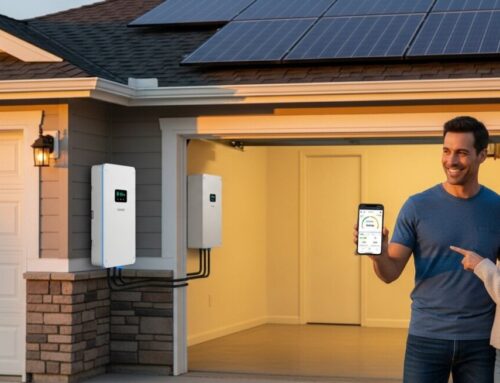
Energy independence is a powerful feeling. You are less vulnerable to grid outages and price spikes. With battery storage, you can store excess solar power and use it at night or during emergencies. For homeowners who want to understand the full picture, our article on what determines solar output and how to maximize your savings provides deeper insight into getting the most from your system.
Frequently Asked Questions
How much does AI improve solar panel efficiency?
AI can boost solar panel efficiency by 5 to 15 percent depending on the technology and local conditions. It optimizes panel angles, predicts weather changes, and adjusts power flow to reduce losses. Over the life of your system, these gains translate into significant extra savings on your electricity bills.
Do I need a special solar system to use AI?
Many modern solar systems come with AI capabilities built into the inverter or monitoring software. You do not need a separate device in most cases. When shopping for quotes, ask installers if their systems include smart optimization features.
Can AI help me save money if I have older solar panels?
Yes, some AI tools can be added to existing solar systems. They analyze your energy production and suggest improvements like panel cleaning or angle adjustments. Retrofitting an older system with a smart inverter or monitoring platform can also improve performance.
How long does it take to recoup the cost of solar with AI?
The payback period for a solar system with AI typically ranges from 6 to 10 years. Factors like local electricity rates, available incentives, and system size affect the timeline. AI helps shorten that period by maximizing daily energy generation.
Will solar panels work during a blackout?
Standard grid-tied solar systems shut off during a blackout for safety reasons. If you add a battery storage system, you can store solar power and use it when the grid goes down. AI can help manage battery charging and discharging to keep your home powered during outages.
Are there government incentives for solar with AI features?
Federal and state incentives apply to the entire solar system, including AI components. The federal solar tax credit covers 30 percent of the total installation cost. Some states offer additional rebates or performance-based incentives that further reduce your out-of-pocket expense.
How do I know if my roof is suitable for solar panels?
A professional installer will inspect your roof’s age, material, and orientation. They also check for shading from trees, chimneys, or nearby buildings. Most roofs less than 15 years old with good sun exposure can support solar panels without major issues.
What happens to solar output on cloudy days?
Solar panels still generate power on cloudy days, but at a reduced rate,typically 10 to 25 percent of their full capacity. AI systems can compensate by optimizing the inverter settings and drawing from battery storage if needed. This ensures you still get useful energy even when the sun is not shining.
Solar energy is a practical, long-term investment that puts you in control of your electricity costs. Whether you are motivated by savings, environmental benefits, or energy independence, the technology is more accessible than ever. The best way to start is by comparing quotes from trusted installers who can match a system to your home and goals. Compare solar installation quotes today or call to take the first step toward lower bills and cleaner energy.