Solar Monitoring Tools With AI: Boost Your Energy Savings
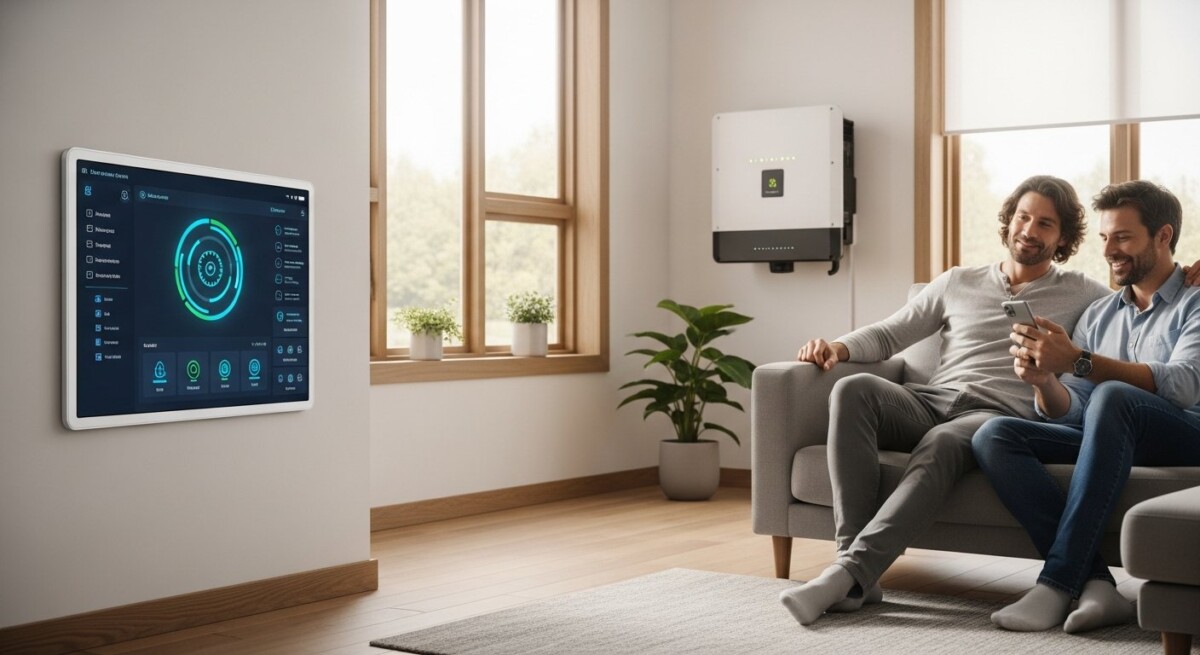
You open your monthly electricity bill and feel a familiar knot in your stomach. Rates keep climbing, and it feels like your hard-earned money is evaporating into thin air. If this sounds familiar, you are not alone,millions of homeowners are now searching for smarter ways to take control of their energy costs. One of the most powerful solutions gaining traction is the use of solar monitoring tools with ai, which help you track, optimize, and reduce your electricity usage in real time. By pairing solar panels with intelligent monitoring, you can slash your bills and move toward true energy independence.
Understanding Solar Monitoring Tools With AI
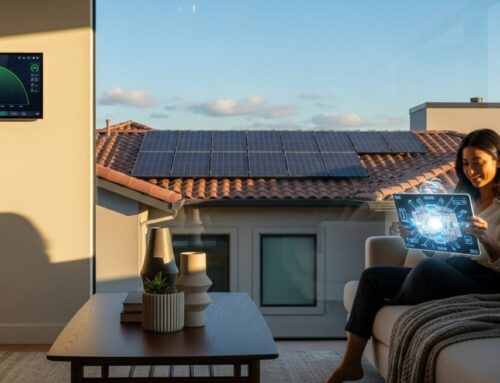
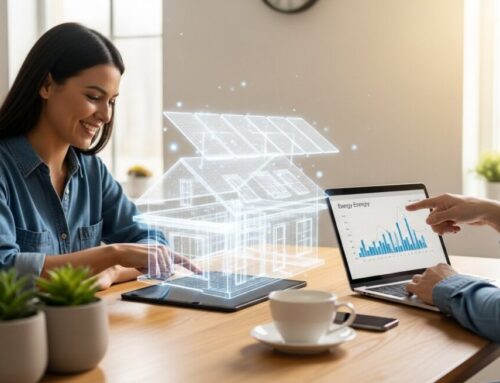
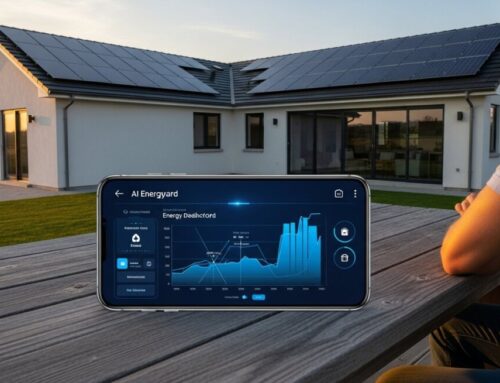
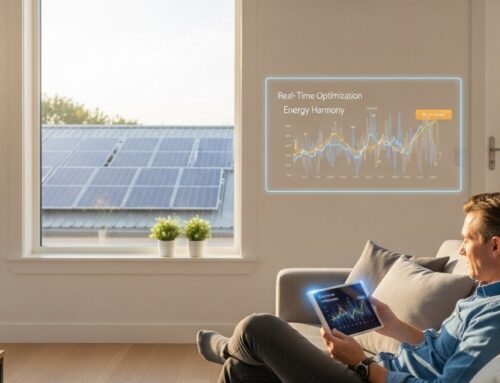
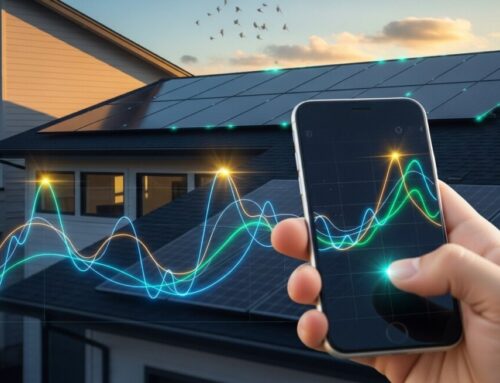
At its core, solar monitoring is a system that tracks how much energy your solar panels produce and how much your home consumes. Traditional monitors simply display numbers, but solar monitoring tools with ai take things much further by learning your habits and automatically adjusting settings for maximum efficiency. The AI analyzes weather forecasts, historical usage patterns, and real-time production data to predict energy needs and reduce waste.
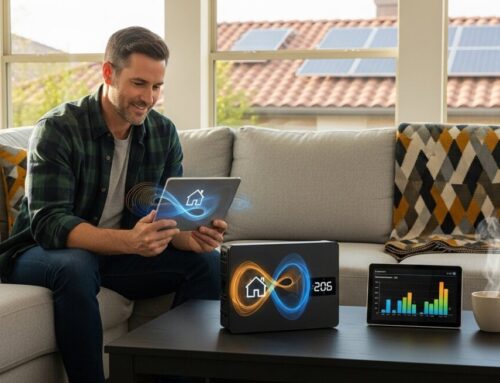
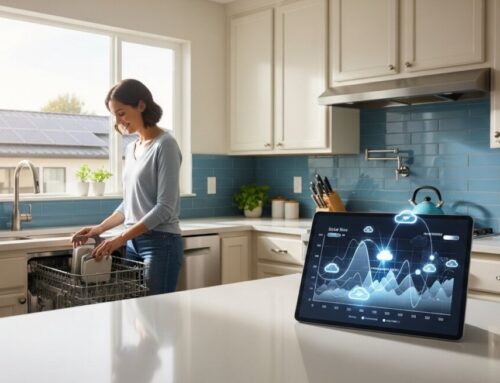
Think of it as a smart assistant for your home’s energy system. Instead of guessing when to run your dishwasher or charge your electric car, the AI recommends the best times based on when your panels are generating the most power. Over time, these small adjustments add up to significant savings on your monthly electricity bill. More homeowners are turning to this technology because it turns a passive solar system into an active, money-saving asset.
How the AI Component Works
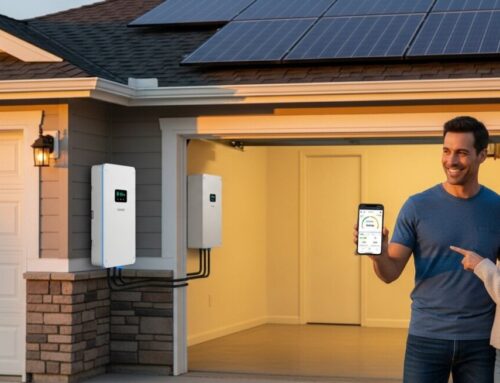
The artificial intelligence in these monitoring tools uses machine learning algorithms to spot inefficiencies you might never notice. For example, it can detect a single panel that is underperforming due to shade or dirt and alert you immediately. This proactive approach helps you maintain peak performance without needing to climb onto your roof.
Why Solar Energy Is Becoming More Popular
Rising electricity prices are pushing more families to explore renewable energy. According to recent data, residential electricity rates have increased by double-digit percentages in many states over the past few years. Solar power offers a predictable, lower-cost alternative that shields you from future rate hikes.
Environmental concerns also play a major role. Homeowners want to reduce their carbon footprint and contribute to a cleaner planet. Solar energy produces no greenhouse gases during operation, making it one of the most eco-friendly choices available. Plus, with long-term savings that often exceed $20,000 over the life of a system, the financial case is just as strong as the environmental one.
If you are considering solar power for your home, comparing installation quotes can help you understand your options. Request a free solar quote or call to learn more.
Common Questions Homeowners Have About Solar
It is natural to have questions before making a big investment. Many homeowners worry about the upfront cost, but federal and state incentives can reduce the price by 30% or more. Others ask whether their roof gets enough sunlight or if their home is structurally suitable.
Performance is another common concern. People want to know if their panels will still work on cloudy days or during winter. The good news is that modern solar systems generate electricity even in diffuse light, and AI monitoring tools help you get the most out of every ray. Here are a few frequent questions homeowners ask:
- How much does a typical solar system cost after incentives?
- Will solar panels work on my roof type and age?
- How long does installation take from start to finish?
- What happens if my panels produce more energy than I use?
- Do I need a battery backup, or can I stay connected to the grid?
- How long do solar panels last, and what maintenance do they need?
How Solar Panel Installation Works
Professional solar installation is a straightforward process that typically takes one to three days once permits are approved. A certified installer begins with a home energy assessment to evaluate your current usage and roof condition. They then design a custom system that fits your home’s layout and your family’s energy needs.
After the design is finalized, the installer handles all necessary permits and approvals from your local utility and municipality. This step ensures your system meets safety codes and qualifies for available rebates. Once the paperwork is in order, the physical installation begins, followed by a final inspection and system activation.
Here are the main steps in a typical solar installation:
- Home energy assessment and roof evaluation
- Custom system design and equipment selection
- Permit applications and utility approvals
- Panel mounting, wiring, and inverter installation
- System testing, inspection, and grid connection
Speaking with experienced installers can help you determine the best solar solution for your home. Compare solar quotes here or call to explore available options.
Signs Your Home May Be Ideal for Solar
Not every home is perfectly suited for solar panels, but many are. The most important factor is sunlight exposure. If your roof faces south, west, or east with minimal shading from trees or nearby buildings, you are in a strong position to generate plenty of power.
High electricity bills are another clear indicator. If you pay more than $100 per month on average, solar can likely save you money from day one. You also need enough roof space,typically 300 to 500 square feet for a standard system. Finally, if you plan to stay in your home for at least five to seven years, the long-term savings will more than cover the initial investment.
- Your roof receives strong, direct sunlight for most of the day
- Your monthly electricity bills are consistently high
- You have adequate roof space with minimal obstructions
- You plan to stay in your home for several more years
- Your local utility offers net metering or other incentives
What Affects Solar Installation Costs
The price of a solar system depends on several key variables. System size is the biggest factor,larger systems with more panels cost more upfront but generate greater long-term savings. Equipment quality also matters; premium panels and inverters tend to be more efficient and last longer.
Installation complexity can drive costs up if your roof has a steep pitch, unusual materials, or requires structural reinforcement. However, local incentives like the federal Investment Tax Credit (ITC) and state rebates can reduce the net cost by 30% or more. Your installer will help you navigate these incentives to maximize your savings.
The cost of solar installation varies depending on your home and energy needs. Request personalized solar quotes or call to see what options are available.
Tips for Choosing a Reliable Solar Installer
Finding the right installer is just as important as choosing the right equipment. Look for companies with at least five years of experience and a strong track record of completed installations in your area. Ask about warranties,both on the panels themselves and on the workmanship.
Reading customer reviews on platforms like Google, Yelp, or the Better Business Bureau can give you insight into the installer’s reliability and customer service. Most importantly, always compare multiple quotes before making a decision. Different installers may offer different equipment, pricing, and financing options, so shopping around ensures you get the best value.
- Check the installer’s licensing, insurance, and certifications
- Ask about product warranties (typically 25 years for panels)
- Read recent customer reviews and request references
- Compare at least three detailed quotes side by side
- Ensure the quote includes all costs, permits, and labor
Long-Term Benefits of Installing Solar Panels
The most immediate benefit is lower electricity bills. Many homeowners see their monthly costs drop by 50% to 90% depending on system size and local utility rates. Over 25 years, those savings can total tens of thousands of dollars,money you can put toward retirement, education, or travel.
Solar panels also increase your home’s resale value. Studies show that homes with solar systems sell for a premium compared to similar homes without them. You also gain energy independence, protecting yourself from unpredictable rate hikes and power outages. And by generating clean energy, you reduce your household’s carbon emissions by several tons each year.
How do solar monitoring tools with ai work?
These tools use sensors and software to track energy production and consumption in real time. The AI analyzes the data to optimize when you use electricity, helping you save more money on your monthly bill.
Will solar monitoring tools with ai work with my existing solar system?
In most cases, yes. Many monitoring platforms are compatible with popular inverters and panels. Your installer can check compatibility and recommend the best option for your setup.
How much can I save with solar monitoring tools with ai?
Savings vary based on your energy usage and local rates, but homeowners often report an additional 10% to 20% reduction in bills after adding AI monitoring. Combined with the base savings from solar panels, the total can be substantial.
Do I need a battery with solar monitoring tools with ai?
No, a battery is optional. However, pairing AI monitoring with a battery can maximize savings by storing excess energy for use during peak rate periods or at night.
Are government incentives available for solar monitoring tools with ai?
Yes. The federal solar tax credit covers the entire solar system, including monitoring equipment, as long as it is part of the installation. Some states also offer additional rebates for smart energy devices.
How long does it take to install solar panels and monitoring tools?
Physical installation usually takes one to three days. The entire process, including permits and inspections, typically takes four to eight weeks from signing the contract to activation.
What happens if my solar monitoring tool detects a problem?
The system sends an alert to your smartphone or email. You can then contact your installer or a technician to diagnose and fix the issue, often before it affects your energy production.
Can I install solar monitoring tools with ai myself?
While some basic monitors are DIY-friendly, professional installation is recommended for AI-enabled systems. A certified installer ensures proper setup, integration with your panels, and access to full warranty coverage.
Solar monitoring tools with ai are transforming how homeowners manage their energy, turning solar panels into a smart, self-optimizing investment. By reducing your electricity bills, increasing your home’s value, and protecting you from rising rates, solar power offers a clear path to long-term savings and energy independence. The best way to start is to compare quotes from trusted installers who can match the right system to your home and budget. Take the first step today,request a free solar quote and see how much you can save.